
15 Best Places to Visit in Kasauli (2026): Distances, Costs & a 2-Day Plan
Kasauli is small enough to look effortless on a map. That is precisely why many trips go wrong. Travellers arrive with a list of ten attractions, then discover that a “nearby” viewpoint involves a steep approach, Manki Point has security checks, Gilbert Trail is not a paved garden path, and the toy train does not actually run into Kasauli.
Plan this Himachal hill town by location, walking effort and time of day. The cantonment core works on foot; Manki Point needs a separate block; Dagshai, Dharampur, Barog and Subathu are road excursions.
This guide covers 15 of the best places to visit in Kasauli, with distances from Kasauli bus stand, realistic visit times, family suitability, access cautions and route-friendly itineraries. It also explains things to do in Kasauli, seasons, transport, costs and free sights. It focuses on public sightseeing; there are no hotel, resort or café recommendations.
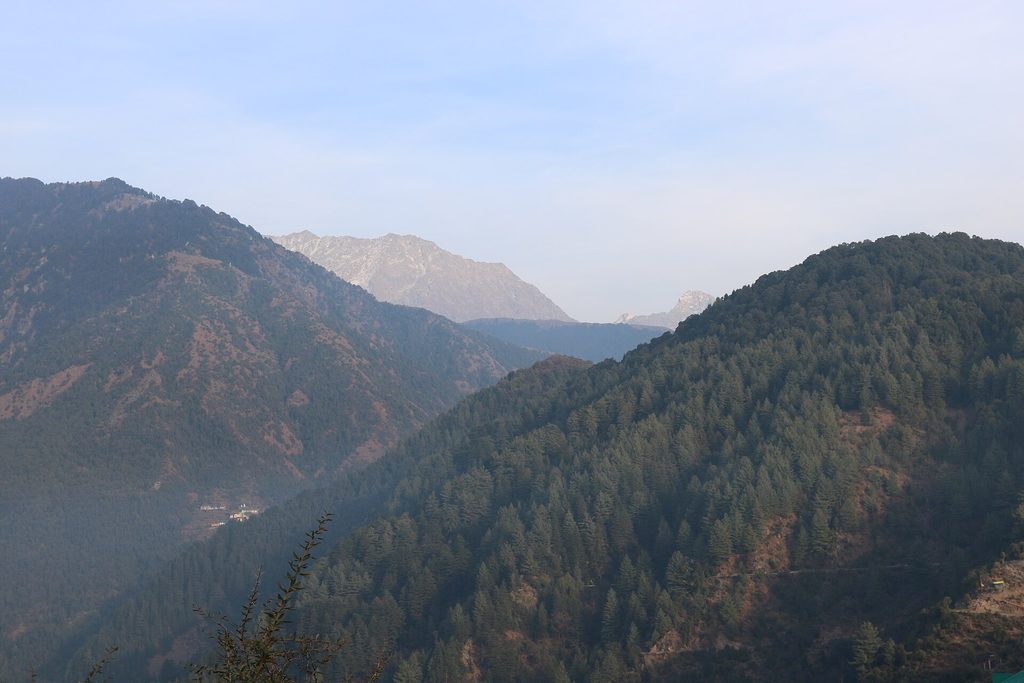
Kasauli sits at roughly 1,900 metres in Solan district and grew as a British-era cantonment in the 19th century. Its appeal is the combination of pine-lined walks, restrained colonial architecture, valley views and the pleasure of slowing down.
Kasauli sightseeing at a glance
What are the must-visit places in Kasauli? Prioritise Christ Church, the heritage market and Mall Road, Gilbert Trail, Sunset Point and Manki Point. On day two, add Sunrise Point or choose Dagshai and Dharampur for history and rail heritage.
Kasauli suits travellers who value walks, views and unhurried time outdoors—not a large amusement-led destination. Most tourist attractions in Kasauli are free, but gradients, steps and security rules matter more than entry fees.
Kasauli tourist places with distance, time and family fit
To compare Kasauli sightseeing places fairly, the distances below are approximate road or walking distances from Kasauli bus stand, not from an undefined “city centre”. Navigation apps may show a different number depending on the chosen gate, trailhead or road. Do not use distance alone to estimate effort: two kilometres on a hill can feel very different from two kilometres on a city pavement.
| Place | Approx. distance from bus stand | Allow | Ground and access | Best for |
|---|---|---|---|---|
| Christ Church | 0.2–0.5 km | 20–40 min | Short, mostly easy approach; worship may be in progress | Heritage, families, seniors |
| Heritage Market, Lower Mall and Upper Mall | 0–1.5 km | 1–2 hr | Paved but sloping; traffic rules vary by stretch | First-time visitors, easy walks |
| Kasauli Baptist Church | 0.8–1.2 km | 20–30 min | Roadside heritage stop; interior access can vary | Architecture, quiet visits |
| Sunrise Point and Hawa Ghar | 1.5–2 km | 30–60 min | Sloped road/walk; easiest in daylight | Early risers, families |
| Sunset Point | 1.5–2 km | 45–75 min | Walk with some incline; busiest before sunset | Views, couples, families |
| Lover’s Lane | 1.5–2.5 km | 30–60 min | Quiet wooded stretch; uneven in places | Couples, photographers |
| Gilbert Trail | About 1.5–3 km to entry/turnaround | 1–2 hr | Narrow, unpaved and uneven after the easy section | Walkers, birds, forest views |
| Manki Point | 3.5–4 km | 2–3 hr | Security-controlled IAF area; steep climb and steps | Views, pilgrims, active adults |
| Baba Balak Nath Temple | 3–4 km | 30–60 min | Garkhal-side road journey; steps may be involved | Pilgrims, families |
| Gurudwara Shri Guru Nanak Ji | 3–4 km | 30–45 min | Road access near Garkhal; observe head-covering rules | Spiritual visit, families |
| Shirdi Sai Baba Mandir | 4–5 km | 30–60 min | Hilly approach and steps | Pilgrims, quiet stop |
| Dharampur and railway station | 10–12 km | 1–2 hr | Road excursion; station access subject to rail operations | Rail heritage, families |
| Dagshai Jail Museum | 13–15 km | 1–2 hr | Army-area conditions; published hours can change | History, older children |
| Gurkha Fort, Subathu | Roughly 18–22 km | 2–3 hr | Military area; public access is not guaranteed | History, scenic drive |
| Barog and Tunnel 33 area | Roughly 20–25 km | 3–4 hr | Road plus railway-area walking; stay off active tracks | Rail heritage, day extension |
The useful rule: choose no more than three central activities plus sunset. Combining a church, Mall Road, Gilbert Trail and Manki Point can mean too much climbing and too little enjoyment.
15 best places to visit in Kasauli and nearby
1. Christ Church: the easiest heritage stop
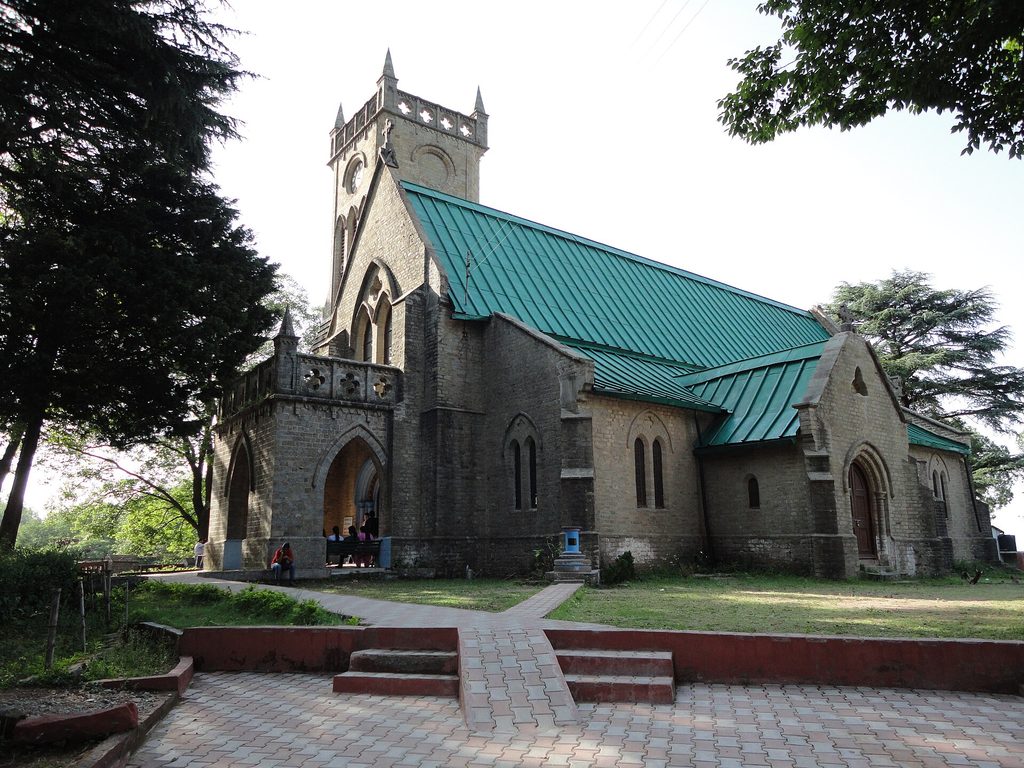
Christ Church is a natural starting point. Close to the bus stand, the stone church introduces Kasauli’s cantonment history through arched windows, stained glass and a wooded setting. The present building dates to the mid-19th century and remains an active place of worship.
Visit in the quieter morning, dress respectfully and avoid photographing a service. Interior access can depend on worship or maintenance, but the exterior is still worth seeing. It is among the easiest family places to visit in Kasauli and suits many seniors, although nearby roads slope. Pair it with the heritage market and Lower Mall.
2. Heritage Market, Lower Mall and Upper Mall: Kasauli at walking pace
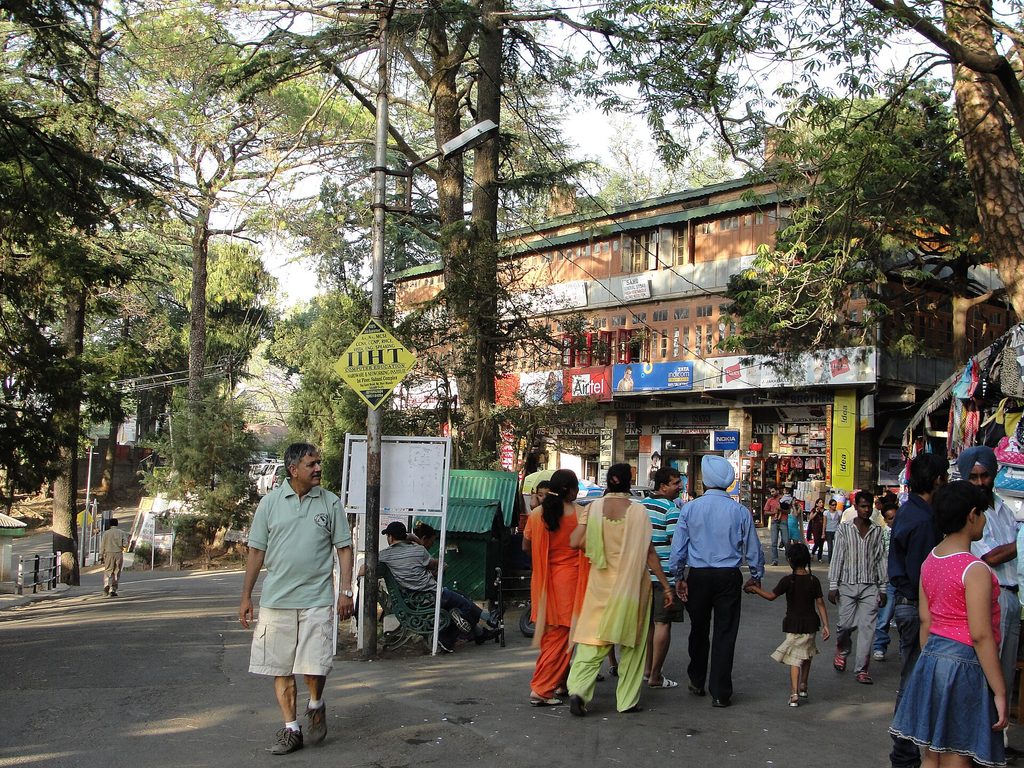
These are not one grand pedestrian boulevard but a network of old commercial lanes, cantonment roads, shops and benches. Look beyond shopping to the timber façades, rooflines and sudden hill views. Begin near Christ Church, continue through the market and explore only as far as your return walk allows. Lower Mall is the gentler introduction; Upper Mall feels steeper and more residential.
Follow current traffic signs because vehicle controls vary. Families can pause easily here, while couples will find early morning or pre-dusk more atmospheric than midday. Keep purchases light if you are walking onward to Sunset Point or Gilbert Trail.
3. Gilbert Trail: the best short nature walk
Gilbert Trail is among the best places to see in Kasauli for travellers who prefer forest to buildings. The commonly walked section is around 1.5 kilometres, starting on the Sunset Point/Kasauli Club side and following a wooded contour. Pine, oak, birds and occasional openings toward the plains provide the interest.
The path narrows after its easy opening, with loose stones, damp leaves and exposed edges. Wear grippy shoes, go early and turn back if rain makes the surface unsafe. Allow 60–90 minutes for an out-and-back walk. It is unsuitable for strollers and may not suit people with knee, balance or mobility issues. School-age children need close supervision; toddlers should not run ahead.
4. Sunset Point: the classic evening view
Sunset Point opens toward western ridges and is among Kasauli’s busiest attractions. Arrive 45–60 minutes before sunset so you can walk without rushing and find a safe position. Cloud, haze or a higher ridge may hide the sun early; the changing light, not a guaranteed orange disc, is the experience.
The inclined approach is manageable for many families with breaks. Hold young children near railings and exposed sides, carry a light layer and start the return before full darkness when travelling with children or older relatives.
5. Sunrise Point and Hawa Ghar: a quieter start
Sunrise Point, historically associated with Hawa Ghar, sits on the Lower Mall side. Clear air, birds and quiet roads matter more than a perfectly visible sunrise, which cloud or ridge geometry may hide. Begin only when there is enough light to see the road; fog and vehicles on bends are the real hazards.
It pairs naturally with Christ Church and the market on day two. Families and seniors can drive as close as legally permitted and keep the walk short. A calm post-sunrise stroll is often better than an exhausting pre-dawn start.
6. Manki Point: Kasauli’s highest and most restricted attraction
Among the famous places in Kasauli, Manki Point—often called Monkey Point—is a viewpoint and Hanuman temple inside an Indian Air Force-controlled area. Entry is subject to security clearance. Visitors are commonly asked for original government photo ID, while phones, cameras, smartwatches, bags or other electronics may need to be deposited as directed. Rules and hours can change, so verify before travelling to the gate.
Allow two to three hours. The approach includes a steep walk and many steps. Carry little, wear secure shoes, follow personnel instructions and never photograph military infrastructure. Foreign nationals should check eligibility in advance. The climb is unsuitable for strollers and can be difficult with heart, breathing, knee or balance problems. Keep food hidden from monkeys and never feed them. Do not schedule a tight onward booking after a visit whose queue or closure is unpredictable.
7. Lover’s Lane: a short wooded pause
Lover’s Lane is a quiet, tree-lined stretch near Sunset Point and Gilbert Trail. Among Kasauli attractions for couples, it offers shade, pine scent and a slower walk, but it does not justify a separate taxi journey. Combine it with a nearby sight.
Visit in daylight because the road can feel isolated and fog arrives quickly. Wear shoes for gravel or damp patches, keep music low and respect homes and restricted land along the route.
8. Kasauli Baptist Church: not Christ Church
Kasauli Baptist Church and Christ Church are separate buildings. The Baptist church dates to 1923 and is known for brick-and-timber construction, arched openings and colonial character. Online guides sometimes merge their histories or images.
Include it as a 20–30 minute architecture stop near the market-side lanes. Interior access is not guaranteed, so enjoy the exterior without disturbing worship or community activity. Families can add it easily; visitors with limited mobility should check the closest drop-off because even short approaches slope.
9. Baba Balak Nath Temple: a spiritual stop toward Garkhal
Baba Balak Nath Temple is around 3.5 kilometres from central Kasauli, on the Garkhal side according to its visitor information. Steps add some effort. Dress modestly, remove footwear where directed and ask about the closest safe drop-off for seniors.
Combine the temple with the nearby gurudwara to reduce backtracking. There is usually no standard sightseeing ticket, although voluntary offerings may be accepted. Allow about 30–45 minutes.
10. Gurudwara Shri Guru Nanak Ji: calm community space
Near Garkhal, the gurudwara offers a quiet spiritual pause without a difficult trail. Visitors of all faiths are generally welcome: cover the head, remove footwear, wash hands where provided, dress modestly and keep voices low.
Confirm the entrance and parking locally because Garkhal roads can be busy. Combine the stop with Baba Balak Nath Temple or continue toward Dharampur. If langar is served, participate respectfully and avoid food waste.
11. Shirdi Sai Baba Mandir: a compact Garkhal-side visit
This is another calm option for pilgrims and families on the Garkhal/Kimughat side. Steps and a hilly approach may affect older visitors. Check prayer timings, leave shoes where directed and ask before photographing the interior. If religious sites are not your group’s priority, choose one Garkhal stop rather than all three and preserve time for Kasauli’s forest and heritage walks.
12. Dagshai Jail Museum: a serious history stop
Dagshai’s former jail is now a small museum, offering cells and interpretation connected with the region’s colonial history. It makes a worthwhile half-day extension for adults, teenagers and older children interested in history, though young children may find it sombre.
Public listings commonly show split daytime hours from Tuesday to Sunday and a Monday closure, but the museum is in an Army environment. Verify opening and access that day, carry photo ID, obey photography rules and stay out of adjacent military areas. Combine Dagshai with Dharampur rather than squeezing it into a central one-day plan.
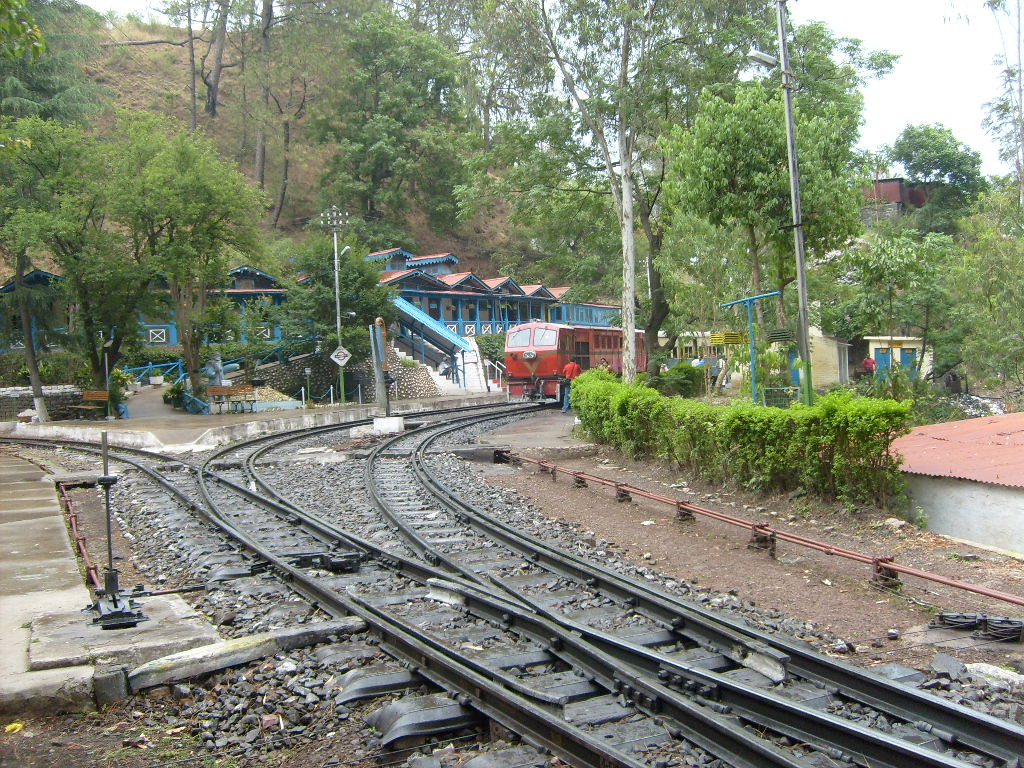
13. Dharampur and the Kalka–Shimla Railway
Dharampur is the nearest commonly used narrow-gauge station, roughly 10–12 kilometres away by road. The toy train does not enter Kasauli. Travel by rail to Dharampur and continue by road, or make the station part of a heritage outing. Kalka is the more practical major railhead because it has wider connections.
The operational Kalka–Shimla line is about 96 kilometres long and forms part of UNESCO’s Mountain Railways of India property. Check the official railway enquiry for current trains; slow running, sold-out seats, weather and operations can affect plans. Stay behind marked limits and never step onto tracks for photographs. Treat the train as an experience, not the fastest transfer, especially with heavy luggage.
14. Barog and Tunnel 33: a longer railway outing
Barog rewards travellers with a second day and a real interest in railway history. Its forested station and Tunnel 33 are the focus. View them only from lawful public areas: never enter an active tunnel or walk along tracks, where a train can appear with little warning.
Allow three to four hours from Kasauli including the drive and waiting. Check train movements but expect delays. Barog combines well with Dharampur, not with a Manki Point climb and evening trail on the same day.
15. Gurkha Fort, Subathu: an access caveat
The old fort area at Subathu appears on many lists of places to visit near Kasauli, but it sits in an active military context. Public access may be limited or refused and photography controls may apply. Treat it as an optional, verify-first excursion, not a guaranteed attraction.
Confirm access before driving, carry original ID and accept a refusal without trying an unmarked route. The outing can consume two to three hours. For a dependable heritage plan, choose Dagshai and Dharampur; reserve Subathu for repeat visitors with confirmed access.
Kasauli places to visit in one day and a 2-day itinerary
A workable itinerary follows clusters instead of bouncing between the bus stand, Garkhal, Manki Point and Barog.
Kasauli places to visit in one day
If this is a day trip, reach Kasauli by about 8:30–9:00 a.m. and keep the route central.
- 9:00 a.m. — Christ Church: Spend 20–30 quiet minutes here before the lanes become busy.
- 9:30 a.m. — Heritage Market and Mall Road: Walk at an easy pace for 60–90 minutes. This also creates a buffer if road traffic delayed your arrival.
- 11:15 a.m. — Choose one effort-heavy sight: Pick Manki Point if you have valid ID, good mobility and confirmed access. Pick Gilbert Trail if you prefer nature and the ground is dry. Do not try to complete both quickly.
- 2:00–4:00 p.m. — Rest and an easy local walk: Keep this block flexible. Hill travel feels better when every minute is not assigned.
- About one hour before sunset — Sunset Point: Arrive early, leave before full darkness and account for the walk back.
For a family with young children or seniors, replace Manki Point and the full Gilbert Trail with Sunrise Point/Hawa Ghar, the Baptist church and a shorter Mall Road walk. For couples, use Lover’s Lane plus a short Gilbert section, then finish at Sunset Point.
Can you cover Kasauli in one day? Yes, you can see the essential central sights in one day. You cannot meaningfully cover Kasauli plus Manki Point, several religious sites, Dagshai and Barog without spending most of the day in transit or queues.
Kasauli itinerary for 2 days
Two days are ideal for a first visit because they separate the steep/restricted attraction from the heritage walk.
Day 1: old Kasauli and the western view
- Start at Christ Church, then explore the heritage market, Lower Mall and the Baptist church.
- Take a long midday break instead of adding a distant attraction.
- Walk a comfortable section of Gilbert Trail in the afternoon if it is dry. Turn back before the path becomes unsuitable for your group.
- Continue through Lover’s Lane and reach Sunset Point 45–60 minutes before sunset.
Day 2: choose one of two routes
- Route A — active and local: Sunrise Point after first light, followed by Manki Point once the entry area opens. Keep the afternoon easy. If energy remains, visit one Garkhal-area religious site rather than all three.
- Route B — family history and rail: Drive to Dagshai after confirming museum access, continue to Dharampur station, and extend to Barog only if train schedules and daylight make sense. Return before hill-road visibility declines.
If you are travelling with toddlers, a wheelchair user or a senior with limited mobility, Route B still requires care but can be adapted with closer vehicle access. Manki Point and the narrow part of Gilbert Trail cannot be made step-free. Build the plan around what the least mobile person can enjoy—not around the maximum number of map pins.
What to skip when time is short
Skip Subathu unless access has been confirmed. Skip Barog on a one-day trip. Skip multiple temples if your group is mainly interested in nature. Do not add a working distillery simply because older travel pages call it a tourist attraction; public tours are not something to assume. Likewise, cantonment institutions, schools, clubs and research premises should not be treated as open sightseeing sites unless the responsible authority explicitly allows visitors.
This filtering is not about seeing less. It is what leaves time for Kasauli’s best quality: quiet.
Best time to visit Kasauli
The best time to visit Kasauli is generally March to June or September to November. Spring and early summer suit walks and family trips; the post-monsoon period often brings cleaner views and comfortable days. December to February can be attractive for cold-weather travel, but snowfall in Kasauli is occasional, not reliable. Do not book a trip on the assumption that you will see snow.
| Season | What it feels like | Good for | What to plan around |
|---|---|---|---|
| March to April | Mild days, cooler mornings, spring colour | Walks, couples, family sightseeing | Carry a layer; weekends become busy |
| May to June | Warmer days and peak holiday demand | Families, longer daylight | Heat can be stronger than expected; start trails early |
| July to early September | Green, misty and wet | Slow stays, moody landscapes | Slippery trails, fog, road disruption and landslide risk |
| Late September to November | Often clearer, crisp and less humid | Views, photography, walking | Evenings cool quickly |
| December to February | Cold, quieter outside holiday dates | Winter atmosphere, short walks | Frost, fog, short daylight; snow is not guaranteed |
Climate patterns are becoming less predictable. A historical monthly average cannot tell you whether a particular weekend will bring a heatwave, thunderstorm or intense rain. Check the India Meteorological Department forecast and warnings 24–48 hours before departure. During the monsoon, also ask your driver or local authorities about the road you will actually use.
Weekdays are calmer than Saturdays, Sundays and long weekends. If you must travel at a peak time, arrive early, park once and walk the central circuit. October holiday periods and late-December dates can be crowded even when the weather is cold.
For photography, early morning usually offers quieter streets and softer air. For Gilbert Trail, daylight and dry ground matter more than a particular clock time. For Sunset Point, reach early enough to enjoy the changing light rather than arriving during the last ten minutes.
How to reach Kasauli and get around
Kasauli has no airport or broad-gauge railway station. Most travellers arrive by road from Chandigarh, Kalka or Dharampur. The official Solan district page lists Chandigarh for air access and Dharampur/Solan for rail approaches; the national tourism portal highlights Chandigarh airport and Kalka railhead. Both descriptions are useful because “closest” and “most practical” are not always the same.
By air
Shaheed Bhagat Singh International Airport serving Chandigarh is the practical airport, roughly 60–65 kilometres from Kasauli depending on route. A road transfer commonly takes around two hours, but Chandigarh traffic, Pinjore/Kalka congestion, rain and weekend queues can add time. Pre-book a licensed taxi and reconfirm the pickup; do not assume an app-based intercity car will always be available.
By train
Kalka is the practical major railhead, about 25–30 kilometres away by road, with broader rail connections. Dharampur is the closest useful narrow-gauge stop, about 10–12 kilometres from Kasauli. If you arrive at Dharampur, confirm a road transfer before boarding because local vehicle supply can be limited at quieter hours.
For a toy-train experience, search the live timetable and reserve the correct sector. Do not publish or rely on a copied timetable: services change. Use Indian Railways passenger enquiry or the National Train Enquiry System before travel.
By road from Chandigarh or Delhi
Chandigarh to Kasauli is roughly 55–65 kilometres by road and generally takes 1.5–2.5 hours. A one-way sedan quote often falls around ₹1,500–₹3,500, but date, vehicle type, waiting, tolls and pickup point can move it outside that range. Confirm whether parking, state tax and driver allowance are included.
Delhi to Kasauli is roughly 290–305 kilometres. Allow six to eight hours rather than believing the fastest map estimate. The usual approach follows NH44 toward Ambala and the Chandigarh region, then turns toward Pinjore, Kalka, Dharampur and Kasauli. Holiday departures can lose substantial time around urban bottlenecks and the hill ascent. Leave early and avoid driving the final bends while fatigued or in heavy fog.
By bus
Bus availability changes by season and timetable. Check the official Himachal Road Transport Corporation booking portal for current services. Depending on the day, the most workable plan may be a bus to Dharampur or a nearby interchange followed by a local bus or taxi, rather than waiting for a direct Kasauli service. Ask where the bus actually drops you; “Kasauli road” and central Kasauli are not interchangeable.
Local transport, walking and parking
Central Kasauli is compact, and walking is usually the best way to experience it. Use a vehicle for Manki Point’s approach, Garkhal, Dagshai, Dharampur, Barog or Subathu. A local cab kept for a full sightseeing day may cost roughly ₹2,500–₹4,000, depending on route, waiting and vehicle; agree on the exact stops before departure.
Use designated parking near the bus-stand/central area and follow Cantonment Board signs. Do not park on blind bends or assume an empty roadside shoulder is legal. Roads can be narrow enough that one badly placed car blocks buses and emergency vehicles. Once parked, keep the central circuit on foot rather than repeatedly moving the vehicle for sub-kilometre stops.
Mobile signal is generally usable in town but can weaken on wooded paths. Download an offline map, yet prioritise physical signs around cantonment and military areas. A map line is not permission to enter a restricted road.
Kasauli trip cost, free attractions and family planning
A Kasauli trip can be inexpensive at the sightseeing level because most viewpoints, churches and public walks do not have a standard entry ticket. Transport and accommodation create most of the budget. The estimates below are planning ranges, not quoted prices.
Sample Kasauli trip cost for two adults
| Expense | Day trip from Chandigarh | 2 days/1 night from Chandigarh | Notes |
|---|---|---|---|
| Return road transport | ₹3,000–₹7,000 | ₹3,500–₹8,000 | Shared bus/self-drive can cost less; taxi size and waiting change the total |
| Local movement/parking | ₹200–₹3,500 | ₹400–₹5,000 | Lowest when you park once and walk; highest with a retained cab |
| Meals and water | ₹1,200–₹2,400 | ₹2,400–₹4,800 | Broad allowance for two adults; no venue recommendations included |
| Sightseeing and donations | ₹0–₹600 | ₹0–₹1,000 | Most core sights are free; voluntary offerings and small local charges vary |
| Accommodation | — | ₹2,000–₹9,000+ | Generic room allowance only; weekends and holidays increase rates |
| Planning total | ₹4,400–₹13,500 | ₹8,300–₹27,800+ | Excludes shopping and travel to Chandigarh |
To estimate a family budget, price transport and the room first, then add a per-person food allowance. Children do not always halve the cost because vehicle and room prices remain fixed. Ask for a written taxi inclusion list and check cancellation terms before paying.
Free places to visit in Kasauli
Christ Church, the Mall roads, heritage market, Sunrise Point, Sunset Point, Lover’s Lane and Gilbert Trail are generally free to access. Religious sites usually do not charge admission, although donations are voluntary. Manki Point ordinarily has no conventional attraction ticket, but security rules control access. Parking fees, camera rules, special events or local maintenance arrangements may change, so “free” does not mean “unregulated”.
The best no-cost plan is simple: an early heritage walk, a dry-weather forest trail and an evening viewpoint. Carry a refillable bottle and take all rubbish back. Free public places remain enjoyable only when visitors do not treat them as disposable.
Places to visit in Kasauli with family
For families with young children, prioritise Christ Church, the market/Mall circuit, Sunrise Point and a short Sunset Point visit. Add Dharampur if the child enjoys trains. Gilbert Trail suits steady school-age walkers under close supervision, but not a stroller. Manki Point can be tiring because of the climb, steps, queues and electronic-device restrictions.
For older relatives, ask three questions before adding any stop: How close can the vehicle drop us? Are there steps? Is there a toilet and seated waiting area nearby? Public information is inconsistent, so a same-day local check is more useful than an old blog’s accessibility label. Kasauli’s slopes mean even the “easy” circuit is not fully wheelchair-friendly.
Carry prescribed medicines, water, sun protection and a light rain layer. Do not test a person’s stamina at the far end of a trail; turn around while everyone still feels comfortable. Keep one flexible block in the itinerary for rest or bad weather.
Safety and responsible travel
- Monkeys: Keep food hidden, do not feed or stare at them, and supervise children. Avoid plastic bags that smell of snacks.
- Trails: Wear shoes with grip. Do not use Gilbert Trail after intense rain if the surface or edge feels unsafe.
- Roads: Use seat belts, avoid night driving in fog or heavy rain and never stop a vehicle on a blind bend for photographs.
- Military areas: Carry original ID, obey device restrictions and accept that access can be cancelled. Never photograph checkpoints or enter a road because an app suggests it.
- Religious places: Dress modestly and follow footwear, head-covering and photography instructions.
- Waste and noise: Bring rubbish back to a bin, avoid loud speakers and do not pick plants. Quiet is part of what other people have travelled to experience.
Frequently asked questions about places to visit in Kasauli
Which are the top five places to visit in Kasauli?
The top five for a first visit are Christ Church, the Mall Road and heritage market area, Gilbert Trail, Sunset Point and Manki Point. If steep steps or security restrictions make Manki Point unsuitable, replace it with Sunrise Point and Hawa Ghar.
Is one day enough for Kasauli?
One day is enough for Christ Church, the market/Mall area, one major walk or Manki Point, and Sunset Point. Two days are better if you want both Manki Point and Gilbert Trail, or if you plan to visit Dagshai, Dharampur or Barog.
What are the best hidden places in Kasauli?
Kasauli’s worthwhile quieter places are not secret: the Baptist church, Lover’s Lane, early-morning Lower Mall and the less-crowded opening section of Gilbert Trail. Be cautious with online “hidden place” claims that lead onto railway tracks, private land or military roads. Legal access and safety matter more than exclusivity.
Is Kasauli good for couples and families?
Yes. Couples usually enjoy Gilbert Trail, Lover’s Lane, the old lanes and Sunset Point. Families often prefer Christ Church, Mall Road, Sunrise Point and Dharampur. The right choice depends on walking ability; Kasauli is compact but hilly, and several paths are not stroller- or wheelchair-friendly.
Does it snow in Kasauli, and when should I go?
Kasauli can receive occasional winter snowfall, but snow is not dependable. Visit from March to June for mild-weather sightseeing or from late September to November for crisp walks and clearer views. Check the live forecast instead of planning around old snowfall photos.
Plan a better Kasauli weekend
The best Kasauli weekend trip is not the one with the most stops. Start with the walkable heritage core, choose either Gilbert Trail or Manki Point according to your group’s mobility, and reserve a second day for the attraction you skipped or a Dagshai–Dharampur rail-and-history circuit. Check weather, transport and restricted-site access shortly before you leave.
If you are planning the next step, use a detailed Chandigarh-to-Kasauli or Delhi-to-Kasauli route guide to fix your departure time, transfer and parking plan. Then keep at least one hour unplanned. In Kasauli, that unscheduled hour may be the part you remember.


