Best Places to Visit in October in India: 14 Family, Hill and Beach Escapes
October seems an easy month for a holiday: summer heat is easing in some regions, the hills are green, and festival breaks can create extra travel days. Then the questions start. Will it rain? Can the children manage another mountain drive? And does a “budget friendly” destination still make sense once you add transport?
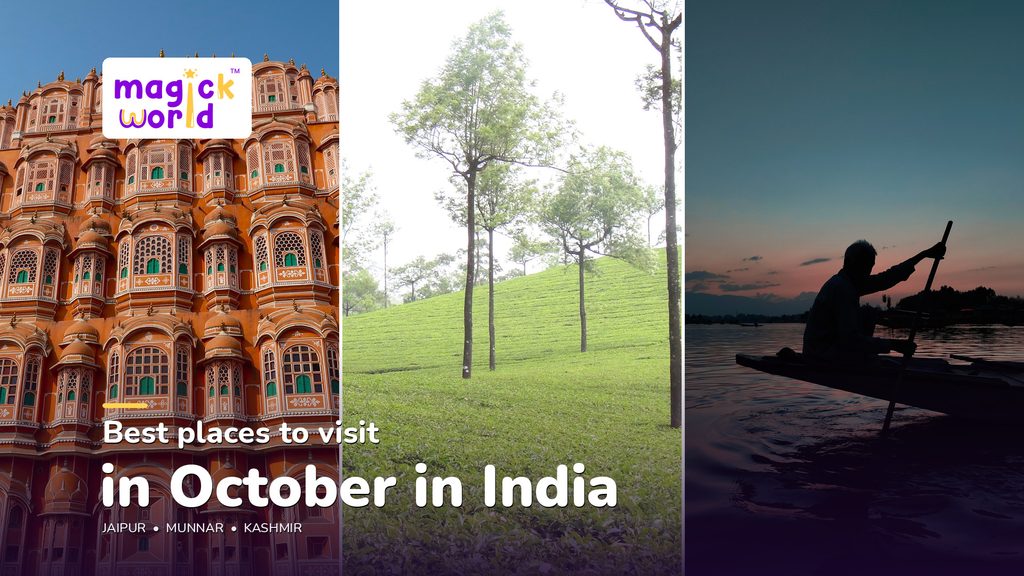
The best places to visit in October in India depend on the holiday you want and the time you actually have. Jaipur suits a short heritage break. Darjeeling offers a hill holiday with several reasons to stay even when the mountains disappear behind clouds. Goa and the Andaman Islands work for beach trips, provided you leave room for changing sea conditions.
This guide compares 14 destinations, explains what makes each worth considering, and helps you choose a sensible route. You will also find family planning advice, an illustrative budget, and official resources for checking the details that can change.
1. Choose your October destination by weather, time and travel style
For a short October holiday, consider Jaipur, Udaipur, Mysuru or Rishikesh. For a longer hill trip, look at Darjeeling, Gangtok, Coorg or Munnar. For beaches, shortlist Goa or the Andaman Islands. Your departure city, available days and tolerance for rain should decide the final choice.
A quick comparison of 14 October holiday destinations
The durations below are suggested total trip lengths, including arrival and departure days. Add time if reaching the destination involves an overnight journey or a lengthy connection.
| Destination | A good fit for | Suggested trip | Main planning consideration |
|---|---|---|---|
| Jaipur | Forts, museums, a first family heritage trip | 3–4 days | Warm afternoons and walking on uneven surfaces |
| Udaipur | Lakes, architecture, a slower couple or family break | 3–4 days | Boat availability and steps inside historic buildings |
| Jaisalmer | Living heritage and desert landscapes | 3–4 days | Long onward journeys and daytime heat |
| Srinagar | Gardens, lake scenery and a possible autumn experience | 4–5 days | Variable foliage, cold evenings and local travel notices |
| Rishikesh | Riverside walks, culture and optional adventure | 3–4 days | River conditions and activity eligibility |
| Mysuru | Palace history, museums and seasonal celebrations | 3 days | Festival traffic and event-specific access |
| Hampi | Architecture, archaeology and photography | 3–4 days | Exposed sites, walking and transport between clusters |
| Coorg | Coffee country and an unhurried nature break | 3–4 days | Dispersed sights and winding road transfers |
| Munnar | Tea landscapes and cool hill surroundings | 4 days | Rain, mist and road travel from the plains |
| Darjeeling | Himalayan views, rail heritage and family sightseeing | 4–5 days | Early starts, steep streets and road access |
| Gangtok | Monasteries, local culture and mountain excursions | 4–5 days | Permits and altitude for selected outings |
| Shillong and Sohra | Waterfalls, scenery and village experiences | 5–6 days | Road time and the difficulty of individual walks |
| Goa | Beach time with heritage sightseeing | 4–5 days | Sea conditions and choosing one coastal base |
| Andaman Islands | Beaches and a slower island holiday | 6–7 days | Ferry schedules and a return-flight buffer |
What is the weather in India like in October?
October is a transition month, not a single weather season across the country. Much of northern and western India moves away from the southwest monsoon, but cities and desert areas can still have hot afternoons. Hill evenings may require warmer clothing than the daytime weather suggests.
Southern India needs a different approach. The northeast monsoon occurs during October–December and affects parts of the southern peninsula. Rain remains a real planning factor in Kerala, Tamil Nadu and southern Karnataka; “post-monsoon” does not automatically mean dry. The IMD-published research on northeast monsoon rainfall explains this regional difference.
Use seasonal patterns to shortlist a region, then use the India Meteorological Department for forecasts and warnings close to departure. A monthly climate description cannot tell you whether a particular boat trip or mountain road will operate on your dates.
Early October, late October and the 2026 festival calendar
Travel dates within the month matter. Conditions may change as rains retreat, while higher elevations can become colder later in October. There is no nationwide date after which every destination becomes reliably dry.
Festival dates also move between years. The India Post holiday calendar for 2026 lists Dussehra on 20 October and Diwali on 8 November. Check local programmes separately: a national holiday date does not confirm procession timings, monument access or school holidays.
If festivals are your reason to travel, book around verified events. If quiet sightseeing matters more, check whether your dates overlap with major celebrations before assuming October means lighter crowds.
2. Best places to visit in North and West India in October
Northern and western routes offer a useful mix of heritage cities, mountain scenery and riverside experiences. For a short holiday, choose one destination. A map can make several cities look close together while hiding a day of travel between them.
Jaipur: a rewarding first heritage trip with children
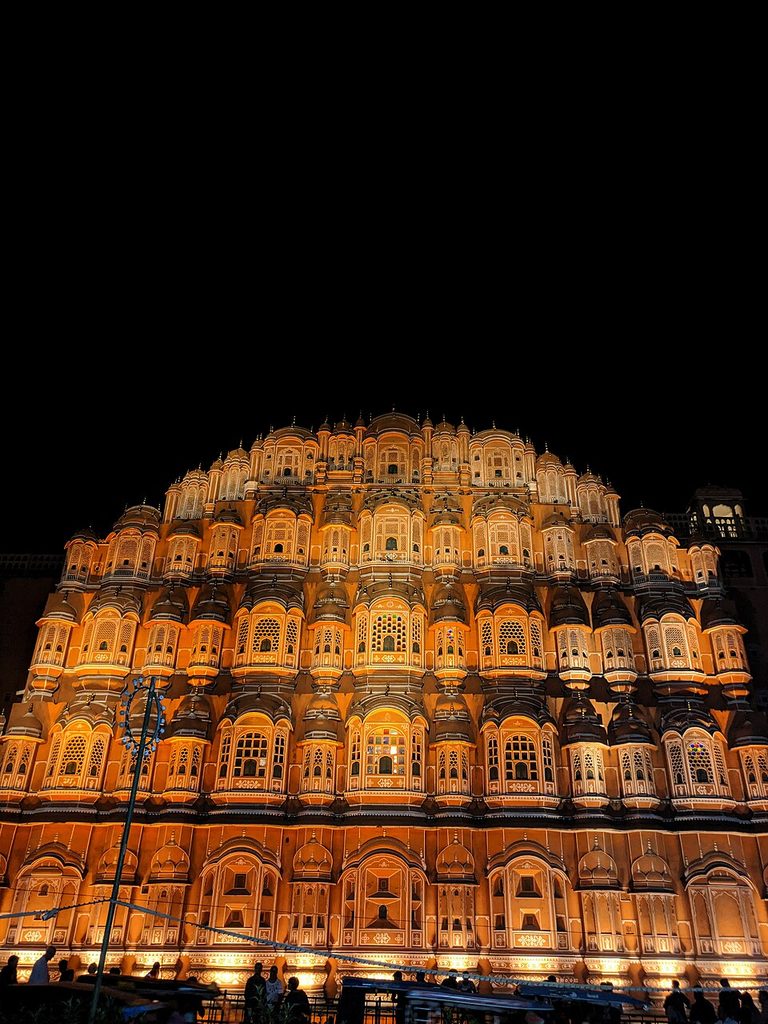
Jaipur works well when you want a holiday with a clear sightseeing plan. Amer Fort, Jantar Mantar, Hawa Mahal and the City Palace offer different experiences, so the trip need not become a succession of similar monuments. Rajasthan Tourism’s official Jaipur guide provides a starting point for choosing attractions.
With children, organise sightseeing around one main visit each morning. Amer involves slopes, steps and substantial outdoor time. Jantar Mantar becomes more engaging if you explain what the instruments measure rather than simply walking past them. Save a shorter museum visit or a relaxed neighbourhood walk for later.
Jaipur is a practical choice among the best places to visit in October in India with family because you can adjust the day without abandoning the holiday. If an afternoon feels too warm, shorten the outdoor plan and resume when conditions are more comfortable.
Allow 3–4 days. Jaipur has air and rail access; compare the complete journey from your home rather than just the headline ticket price. Do not squeeze Udaipur or Jaisalmer into the same long weekend. Each deserves its own time, and the transfer will use a substantial part of a short break.
Udaipur: lakes and architecture at an easier pace
Udaipur suits travellers who would rather spend time in a place than tick off a long list. Build the holiday around the City Palace, a lake outing and a few unhurried walks. Fateh Sagar and the wider lakeside setting give the trip a different rhythm from a fort-focused itinerary.
The Rajasthan Tourism Udaipur guide is useful for comparing attractions. Read the practical information for the exact place you want to visit: “palace sightseeing” can involve separate areas, different tickets and more walking than the name suggests.
For families, schedule the longest historic-building visit first and leave the lake outing flexible. Check boat operating conditions, the departure point and available life jackets before committing.
Allow 3–4 days. Udaipur is accessible by air and rail, but reaching your chosen neighbourhood adds time. Ask about vehicle access and the walking distance from the drop-off point if anyone in your group has limited mobility.
Daytime warmth still matters. Carry water and take an afternoon break so you can enjoy the evening.
Jaisalmer: living heritage and a carefully planned desert outing
Jaisalmer offers two distinct experiences: the streets and architecture of the old city, and the open landscapes beyond it. Give both some time. Going straight to the dunes and leaving the next morning misses much of what makes the destination interesting.
Start with Jaisalmer Fort, heritage streets, havelis and Gadisar Lake. The official Rajasthan Tourism guide notes that the fort remains a living settlement. Keep that in mind when photographing doorways or walking through residential lanes.
A desert excursion needs more questions than “Is sunset included?” Ask how far you will travel, how much time is spent outdoors, what walking is involved and what happens if conditions change. Travellers who dislike noisy evening programmes should clarify the format before paying.
For children, a short visit to the dunes may work better than an overnight outing. Sand, heat, late finishes and limited facilities can be tiring even when the photographs look inviting.
Allow 3–4 days after accounting for your arrival journey. Rail can be useful, but check actual schedules for your route. Do not assume a quick connection from another Rajasthan city. October usually makes desert travel more appealing than peak summer, yet exposed afternoons still deserve a lighter plan.
Srinagar: lake scenery with a flexible autumn plan
Srinagar is worth considering if your idea of a holiday includes gardens, reflective lake views and time outdoors without a constant stream of activities. Dal Lake and the Mughal gardens offer a strong starting point; you do not have to add a different valley every day.
Autumn foliage is a possibility rather than a dated appointment. The colour of chinar leaves depends on seasonal conditions and the location you visit. If photographs are your main goal, allow several opportunities instead of building the trip around one promised “peak” day.
Use the Srinagar district’s Dal Lake information to understand the setting. Before a boat outing, agree on the route, duration and complete charge. Families should also check suitable life jackets rather than treating them as an optional extra.
Allow 4–5 days, with Srinagar as the main base and one optional day excursion. That leaves room to change plans if the weather or local travel arrangements require it. Confirm access and official notices before heading farther afield.
Pack layers for evenings and check conditions separately before visiting higher ground. Clothing that suits the city may not be warm enough for a mountain excursion.
Rishikesh: riverside culture with adventure as an option
Rishikesh can work for a mixed group because the holiday does not have to depend on rafting. Riverside walks, an evening aarti and time exploring cultural sites can form a complete short break. Travellers seeking adventure can add an activity once its conditions and eligibility are clear.
For families, choose an aarti viewing spot with an easy exit and arrive before the busiest period. Keep the return journey simple. A scenic walk stops being relaxing when tired children are facing a long, crowded route back.
Do not book rafting from a general claim that October is “the rafting season.” Ask about the current permitted route, minimum age, river conditions, equipment, supervision and cancellation arrangements. A gentle-sounding description does not establish that an activity is suitable for every child.
The Uttarakhand Tourism Rishikesh page is an official starting point, but confirm operational details with the relevant authority and provider. Likewise, check current pedestrian routes instead of following an old itinerary that assumes every bridge is accessible.
Allow 3–4 days. Compare rail connections through the region and flights into Dehradun, including the onward transfer. Keep one half-day unscheduled. It gives the group room to choose between another outing and simply enjoying the riverside setting.
3. Best places to visit in South India in October
South India offers heritage cities and green hill country, but the weather varies across these routes. Mysuru and Hampi suit culture-focused trips. Coorg and Munnar suit travellers who are comfortable with a slower pace and some rain flexibility.
Mysuru: a manageable cultural holiday
Mysuru is a strong choice when you want a city break with a few substantial attractions rather than a complicated road circuit. Mysuru Palace gives the trip a clear centre, while museums, gardens and Chamundi Hill can round out the itinerary according to your interests.
If Dasara celebrations are the reason for travelling, use the official event programme for the year. The national Dussehra holiday helps you identify the period, but it does not tell you where to stand, which road will close or how to reach a particular event.
For children, separate palace sightseeing from an evening celebration. A long daytime visit followed by hours in a crowd can turn a promising cultural experience into a tiring day. Decide where you will meet if the group becomes separated, and plan the journey back before arriving.
The Karnataka Tourism Mysuru guide provides attraction information. Check the current timings directly, particularly around special events.
Allow 3 days, extending the trip if you want both regular sightseeing and festival activities. Rail or road travel from Bengaluru can make the city a practical regional break. If you add Coorg, allow extra days for the transfer and hill sightseeing rather than compressing two different holidays into one weekend.
Hampi: explore a landscape, not just one famous monument
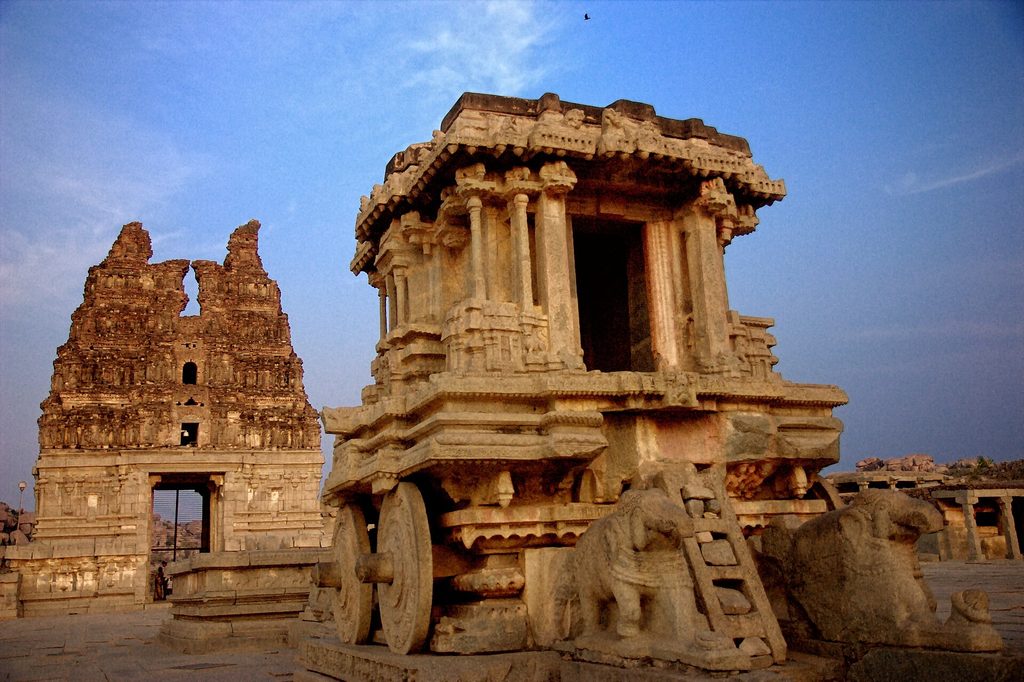
Hampi rewards travellers who enjoy looking closely. The Stone Chariot is a memorable sight, but the wider appeal lies in the temples, royal remains and granite landscape. Rushing between photo stops can leave you with pictures and very little sense of the place.
Divide sightseeing into geographical clusters. Visit the Vijaya Vittala Temple area during one part of the trip, then make time for the royal enclosure and the Virupaksha Temple area separately. The Karnataka Tourism Hampi guide helps identify the main sites.
Children may enjoy searching for carved animals or spotting architectural details. Give them a small question to investigate instead of expecting silent attention through a long explanation. A local guide can also help adults understand why neighbouring ruins look different.
Allow 3–4 days, using Hosapete as the rail gateway where the available service suits your journey. Arrange transport between dispersed sites; distances and exposure can make an all-walking plan uncomfortable.
October does not remove the need to plan around the sun. Start exposed visits early, carry drinking water and wear footwear with grip. Historic steps and rocky ground deserve attention, particularly after rain. Finish one worthwhile area properly rather than adding another because it appears nearby on the map.
Coorg: choose a small area of coffee country
Coorg, or Kodagu, is a region rather than one compact sightseeing town. That distinction matters when planning a short trip. Attractions that appear together on a destination list may involve a considerable drive between them.
Choose your base area first, then group nearby outings. Around Madikeri, Raja’s Seat and Abbey Falls offer familiar starting points. A plantation visit can provide a different experience, but access should be arranged with permission; a picturesque estate is still private working land.
The Karnataka Tourism Coorg guide describes the region’s landscapes and access points. Use it to narrow your options, then check the actual route from your arrival point.
For families, one outdoor outing and a short second stop often make a satisfying day. Waterfalls can involve steps and wet surfaces, so ask about the approach before deciding that everyone should join. Scenic drives are more enjoyable when they leave time to get out, stretch and look around.
Allow 3–4 days. Travellers arriving through Mysuru, Bengaluru or other gateways should include the road transfer in their schedule. If rain interrupts a nature outing, change the order of the day rather than chasing another distant waterfall. Coorg works best when the journey has enough space to feel like a break.
Munnar: tea landscapes with a rain-friendly plan
Munnar suits travellers who want the hills to be the experience. Tea-covered slopes, changing mist and winding roads create plenty to look at without requiring a packed activity schedule. Kerala Tourism’s official Munnar guide explains the destination’s setting and main attractions.
Build your days around nearby groups of sights. A tea-related visit, a viewpoint and an accessible lakeside stop may be plenty. Ask what is open and how much road time each outing involves before adding more.
October showers are a planning factor here. Keep an indoor or sheltered activity available and avoid making every day depend on a distant viewpoint. A misty morning can be enjoyable, but it may not deliver the panoramic photograph you had in mind.
For families, the road journey deserves as much attention as the sightseeing. Plan breaks and avoid arriving late after an already demanding travel day. Anyone prone to motion sickness may prefer shorter outings once in the hills.
Allow about 4 days, including transfers from the plains. Kochi and rail connections through the surrounding region are common starting points, followed by road travel. If visiting Eravikulam National Park, check its current visitor arrangements independently. Do not assume all protected areas follow the same seasonal opening calendar.
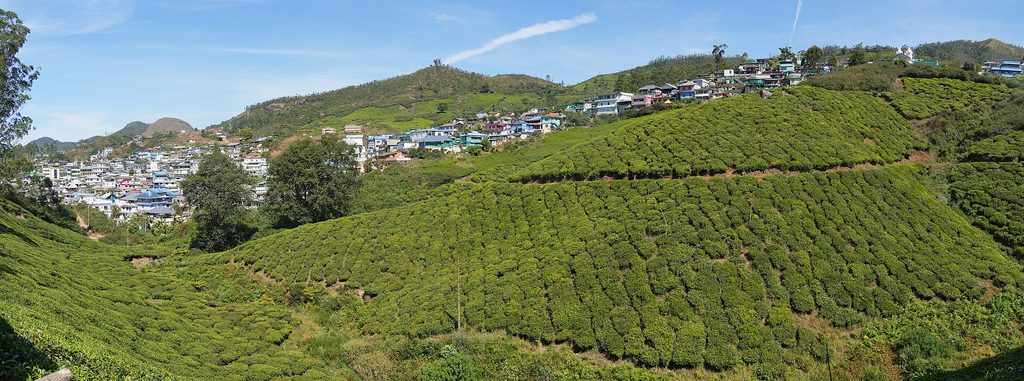
4. Eastern and Northeast India: hill holidays worth giving more time
Darjeeling, Gangtok and Shillong are tempting October options, but their travel requirements differ. Choose a compact route with enough time for arrival journeys. Combining several hill destinations works only when the holiday is long enough to absorb the transfers.
Darjeeling: mountain views with plenty beyond the sunrise
Darjeeling belongs on an October shortlist for its Himalayan setting, tea heritage and varied sightseeing. Tiger Hill is the obvious early-morning outing, yet it should be one part of the holiday rather than the test of whether the whole trip succeeded.
The Darjeeling district’s Tiger Hill guide describes the sunrise views. Visibility depends on the weather. Keep the outing flexible, dress warmly and consider whether a very early start suits every member of the family.
Other places to visit in Darjeeling include Batasia Loop, the Ghum area and accessible tea-related attractions. A short railway experience may also interest children, but verify the current service, booking arrangements and departure point before designing the day around it.
Allow 4–5 days, including road transfers through the Bagdogra or New Jalpaiguri gateway. Do not treat an airport arrival as the beginning of a full sightseeing day: the hill journey takes time and can feel tiring after a flight or train trip.
Darjeeling’s steep streets also matter. Ask about steps and walking routes if travelling with a stroller or someone who has difficulty on slopes. Keeping the afternoon after an early sunrise outing light gives the family a better chance of enjoying both the views and the town.
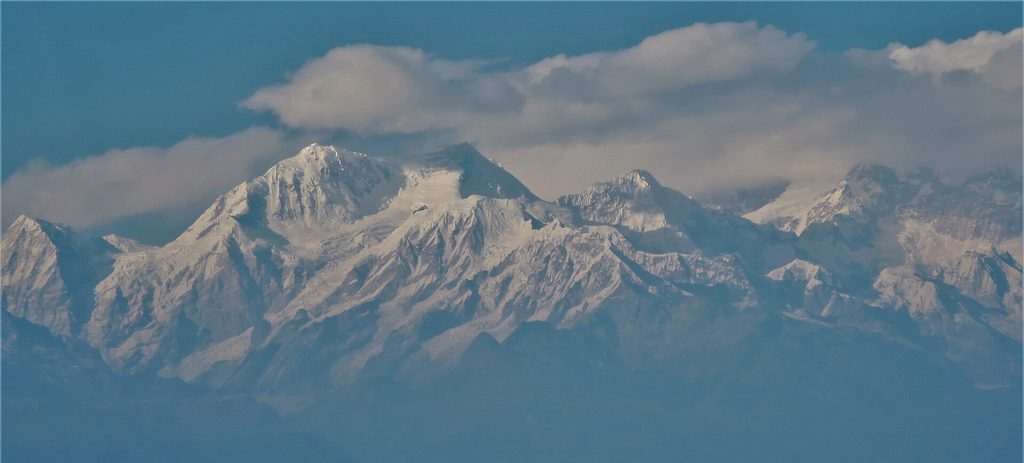
Gangtok: a city holiday with optional mountain excursions
Gangtok gives you a useful combination of local culture, monasteries and a walkable central area. A satisfying trip can include MG Marg, cultural visits and nearby viewpoints without depending on a high-altitude day excursion.
Tsomgo Lake and Nathula require separate planning. Permit requirements and eligibility vary by destination and nationality. Use Sikkim Tourism’s Protected Area Permit information and its Restricted Area Permit guidance rather than assuming one document covers every visitor and route.
Permits do not guarantee that weather or road conditions will allow an outing. Keep a city-based alternative available and clarify cancellation terms when booking transport. Families should also consider the long vehicle journey and the effect of visiting much higher ground, instead of choosing solely from the photographs.
Allow 4–5 days, including the arrival and departure transfers. For a Darjeeling–Gangtok combination, a longer holiday is more comfortable than treating the two towns as nearby stops on a brief break.
Ask for a written route with travel time between stops. Choosing fewer places leaves more time for walks and cultural experiences.
Shillong and Sohra: select outings by walking difficulty
Meghalaya appeals to travellers who enjoy waterfalls, hill scenery and time in smaller communities. Shillong is a useful starting point, while Sohra offers a different landscape and access to well-known natural attractions. The Meghalaya Tourism Shillong guide helps with an initial shortlist.
For families, distinguish between a roadside viewpoint, a short walk and a demanding trek. A living root bridge outing may involve many steps and a substantial return climb. Ask about the specific route, not just whether the attraction is described as “family friendly.”
Dawki is another possible excursion, but do not plan around a guaranteed glass-clear river photograph. Recent rainfall and river conditions affect visibility. Use Meghalaya Tourism’s Dawki information as a destination reference and confirm conditions locally.
Allow 5–6 days for a measured Shillong–Sohra trip with travel days. Guwahati is a common gateway, followed by road travel. Adding distant excursions every day leaves little room to enjoy the places you have come to see.
Keep a weather-dependent outing movable and arrange walks with suitable local guidance. Respect village access rules and avoid photographing people without permission. A slower itinerary also creates time to understand the communities behind the scenery.
5. Best beach destinations in India in October
October beach holidays can be rewarding, but the sea needs its own check. Sunshine on land does not establish safe swimming conditions, and an attractive itinerary does not confirm that boats will run on a particular day.
Goa: beach time without constant coastal transfers
Goa is a useful choice if you want a beach holiday that also has alternatives when swimming or boat activities are unsuitable. Heritage sightseeing around Old Goa and Panaji can complement time by the coast, so the trip does not depend on one activity.
Choose one main coastal area. Travelling repeatedly between far-apart beaches takes time and can be frustrating with children. A familiar beach, an easy return journey and a few varied outings may offer more enjoyment than visiting a new stretch of sand each day.
October sits near the transition into the busier tourist season, but availability varies. Confirm whether the particular water activity you want is operating, and ask about its permissions, age requirements and cancellation terms. Avoid assuming that every seasonal service restarts on the same date.
The Goa Tourism Development Corporation’s travel safety guidance advises visitors to consult beach lifeguards about swimming conditions. Follow their instructions, including restrictions, even when other people are entering the water.
Allow 4–5 days, with one heritage outing and several flexible beach periods. Compare the arrival airport or railway station with your chosen area before booking: the final transfer can change the convenience of an otherwise attractive fare.
Couples and solo travellers can use the same approach: choose the atmosphere you want and leave time to enjoy it.
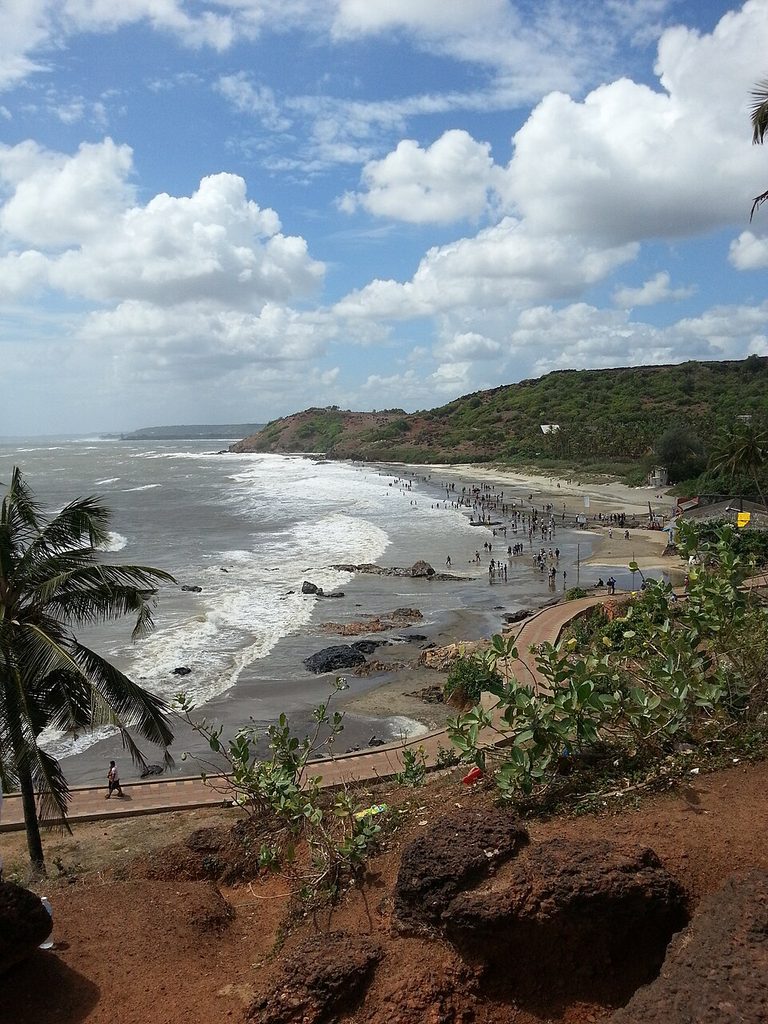
Andaman Islands: fewer islands make a better first trip
The Andaman Islands suit travellers who can give a beach holiday more time and accept that transfers are part of the experience. Sri Vijaya Puram, formerly Port Blair, is the main arrival gateway. Swaraj Dweep and Shaheed Dweep are familiar options for onward island visits.
For a first trip, choose one principal island beyond the gateway rather than moving every day. Packing, check-out, port formalities and ferry travel can use much of a day that looked available for the beach.
The Directorate of Shipping Services provides official shipping information. Check the actual service for your date and route, ticket conditions and current notices. A general destination guide cannot confirm ferry availability or predict a weather-related disruption.
Allow 6–7 days, including a night back at the gateway before the flight home. That buffer reduces dependence on an island-to-mainland ferry operating exactly as expected on your departure day.
For families, ask whether life jackets fit the children and whether the approach to a planned activity involves wading, steps or a smaller boat. Clarify swimming requirements before paying for snorkelling or another water activity.
This is often a more expensive trip to organise than a nearby city break because flights and island transfers add separate costs. If the budget only works by cutting the return buffer or adding risky connections, shorten the island plan instead.
6. Plan a realistic October itinerary, budget and family pace
A destination shortlist becomes useful when it turns into a workable holiday. Decide how much travelling your group can manage, then choose activities and accommodation around that decision. Attractive fares and sightseeing lists should support the route you want, not dictate it.
Three itineraries you can adapt
| Trip length | Suggested route | A practical rhythm |
|---|---|---|
| 3–4 days | Jaipur, Udaipur or Mysuru as one base | Arrival and a short walk; two main sightseeing days; an easy departure |
| 5–6 days | Shillong and Sohra | Arrival through Guwahati; local sightseeing; transfer to Sohra; one main nature outing; return with room for delays |
| 6–7 days | Sri Vijaya Puram and one main Andaman island | Arrival night; ferry transfer; several island days; return to the gateway; final night before the flight |
Adapt these route frameworks to your group and verify transport before fixing the order.
For a hill holiday, count the transfer day properly. A late arrival in Bagdogra followed by a road journey is not an extra Darjeeling sightseeing day. For Rajasthan, a longer multi-city journey can work, but Jaipur, Udaipur and Jaisalmer should not be treated as neighbouring attractions.
How to find budget places to visit in India in October
Start with the destinations you can reach economically from home. Mysuru may be an affordable break from Bengaluru; Jaipur may work well for travellers with a useful rail connection. The same destinations can cost much more when flights and long transfers are necessary.
Compare complete costs: return transport, local travel, rooms, meals, admissions and the activity your family most wants. Check taxes and cancellation terms before deciding that a package or room rate is cheaper.
The table below is an illustrative allocation, not a survey of current prices or a quotation for a specific destination. It shows how two adults and one child might divide a four-day, three-night city-break budget after receiving suitable local quotes.
| Budget item | Example allocation |
|---|---|
| Return transport for the group | ₹6,000 |
| Three nights at ₹3,000 per room-night | ₹9,000 |
| Meals at ₹1,500 per group-day for four days | ₹6,000 |
| Local transport, admissions and selected activities | ₹3,000 |
| Subtotal | ₹24,000 |
| Contingency at 10% | ₹2,400 |
| Illustrative total | ₹26,400 |
Replace every amount with your actual quote. If flights alone use the transport allocation, the example no longer describes your trip. The room assumption also needs checking against occupancy rules, child charges and taxes.
To reduce spending, keep one base, use suitable rail or bus connections and choose a few paid experiences deliberately. Festival weeks can increase demand, so do not assume October is always cheaper than peak winter.
Which destinations work best with children?
For preschool children, favour shorter transfers and outings you can end early. Jaipur, Mysuru or a single-base Goa holiday may work if the journey from home is straightforward. In the hills, factor in winding roads, steep streets and nap schedules.
For school-age children, Hampi’s carvings, Jaipur’s astronomical instruments and Darjeeling’s rail heritage can provide something concrete to explore. Let them help choose one activity each day. Teenagers may enjoy longer walks or adventure, provided the actual eligibility and supervision requirements are met.
For every destination, check walking distances, steps, washrooms, shelter and return arrangements. If travelling with grandparents, ask for specific access details.
Booking and packing decisions that prevent common problems
Confirm the experiences that motivated the holiday before paying for the full itinerary. That may mean a permit-dependent excursion, a particular rail service, a festival event or an island connection. Keep evidence of the confirmed route and cancellation terms.
Pack for the places you will actually visit: layers for hill evenings, rain protection for wet routes, and sun protection for exposed monuments and beaches. Comfortable footwear is useful across all three. Carry essential documents in a form accepted for your bookings and permits.
If you add a wildlife safari, check the relevant forest department’s current notice and the exact tourism zone. An October reopening claim for one park does not establish access at another. Likewise, a venue being open does not guarantee sightings or every activity being available.
For last checks, use the IMD weather portal, the destination’s official tourism or district website, and the IRCTC booking portal for relevant train services. Confirm attraction-specific tickets and schedules separately.
7. FAQs about visiting India in October
Which are the best places to visit in October in India with family?
Jaipur, Udaipur, Mysuru, Darjeeling and Goa are useful starting points. Choose according to your departure city, children’s ages and available days. For a longer nature holiday, consider Coorg or Meghalaya with a manageable route and room to change outdoor plans.
Is October a good time to visit India?
Yes, October offers many worthwhile travel options, but conditions vary by region. Parts of northern and western India become more comfortable for sightseeing, while southern destinations can still receive significant rain. Check the forecast and transport arrangements for your dates rather than relying only on seasonal descriptions.
Which hill stations are good to visit in October in India?
Darjeeling, Gangtok, Munnar and Coorg offer different kinds of hill holidays. Darjeeling combines mountain scenery and rail heritage; Gangtok offers cultural visits and optional excursions; Munnar and Coorg suit plantation landscapes and slower trips. Compare road travel, rainfall and walking requirements before choosing.
Where can I plan an affordable October holiday in India?
A nearby destination with a convenient train or bus connection is often a good starting point. Compare Jaipur, Mysuru, Rishikesh or Hampi according to your location. Calculate the full cost, including transfers and activities, because a cheap room does not necessarily create a cheap holiday.
Is October suitable for Goa or the Andaman Islands?
Both can suit an October beach holiday when conditions allow. Goa offers land-based sightseeing alongside beach time. An Andaman itinerary needs more attention to ferries and a buffer before the return flight. Confirm swimming conditions and activity availability locally before making plans around the water.
Choose the trip your group can comfortably enjoy. For a short break, one well-chosen city usually gives you more holiday time than a long circuit. For hills or islands, allow proper transfer days and keep weather-dependent outings flexible. Shortlist two destinations, compare the complete journey and costs, then check the official resources for your travel dates. Read the related destination guide before booking so you can build the holiday around the experiences that matter most to your family.