
Havelock Island Travel Guide 2026: Best Beaches, Ferry Tips, Costs and a 2-Day Plan
Havelock Island looks easy to plan: book a ferry, choose a beach and pack a swimsuit. But boats leave from different jetties, sea conditions can rearrange a day, the sun sets early, and several attractions commonly placed in “Havelock” lists are actually on other islands.
This guide explains the places to visit in Havelock Island, how the Port Blair to Havelock Island ferry works, which water activities need advance planning and what a realistic trip costs. It also includes a workable two-day itinerary, a family version and a wet-weather Plan B.
Havelock Island’s official name is Swaraj Dweep. The name changed in December 2018, but travellers and ferry portals still use “Havelock” because it remains familiar. This guide uses both names so you can recognise the destination on tickets, signs and booking pages.
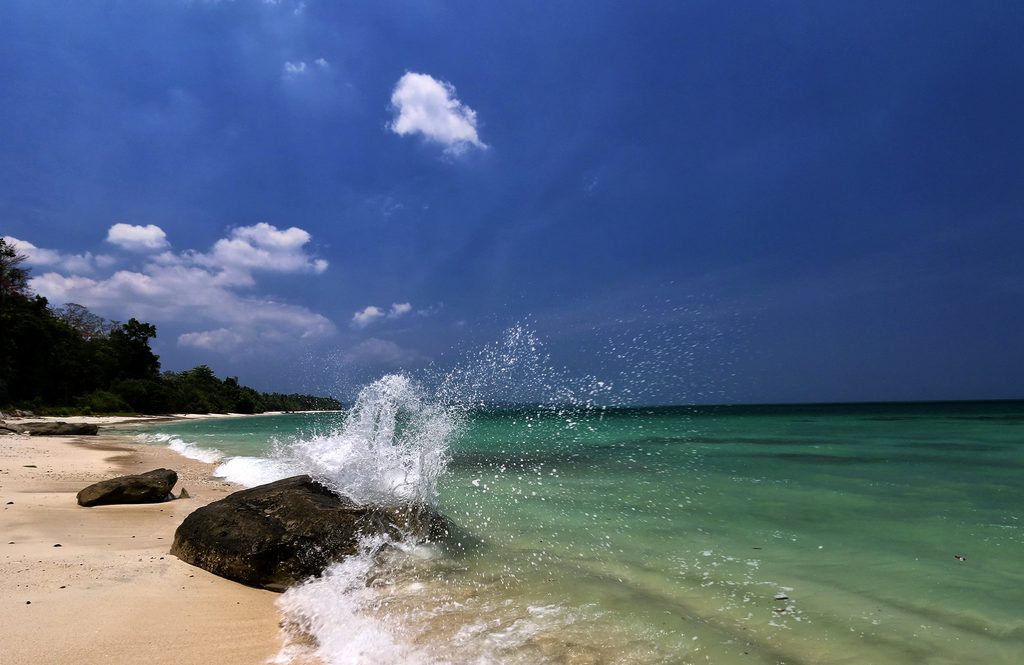
Short answer: Visit Swaraj Dweep for at least two nights. Use Radhanagar Beach for a sunset, choose either Elephant Beach or scuba diving for your main water-activity morning, and keep ferry connections away from a same-day flight whenever possible.
| Havelock Island quick fact | Practical answer |
|---|---|
| Official name | Swaraj Dweep |
| Best known for | Radhanagar Beach, coral reefs, scuba diving and forest-backed coastline |
| Best overall season | November to April; October and May can work with more weather flexibility |
| Sensible first visit | 2–4 nights |
| Main access | Passenger ferry from Sri Vijaya Puram, still widely called Port Blair |
| Typical fast-ferry journey | About 90 minutes to 2 hours; some services take longer |
| Best sunset beach | Radhanagar Beach |
| Best organised water-activity stop | Elephant Beach, when boats and activities are operating |
| Best quiet morning | Kalapathar or Vijaynagar Beach |
| Important planning rule | Ferry schedules, activity access and sea conditions can change |
1. Havelock Island at a glance: what Swaraj Dweep is really like
Swaraj Dweep is part of South Andaman district. The district describes it as a 113-square-kilometre island about 39 kilometres northeast of Sri Vijaya Puram, with white-sand beaches, tropical forest and coral reefs. Organised ferries, road transport and dive centres make it accessible, yet daily plans still depend on daylight, tides and the sea.
Havelock, Swaraj Dweep and Port Blair: names you will see
Three place-name pairs matter when booking:
- Havelock Island = Swaraj Dweep. The official name is Swaraj Dweep, while Havelock remains common in search, conversation and older maps.
- Port Blair = Sri Vijaya Puram. India officially changed the capital’s name in September 2024. Airline and travel interfaces may show either or both names.
- Neil Island = Shaheed Dweep. This is a separate island, not a beach or neighbourhood on Havelock.
Use the passenger’s name exactly as it appears on the photo ID when buying a ferry ticket. A destination shown as “Swaraj Dweep,” “Havelock” or “Havelock (Swaraj Dweep)” refers to the same arrival island.
What is—and is not—on Havelock Island
The principal Havelock Island tourist places are Radhanagar, Elephant, Kalapathar, Vijaynagar and Govind Nagar beaches, plus Neil’s Cove. Dive sites and mangrove routes are accessed with an operator.
Cellular Jail, Netaji Subhas Chandra Bose Island, North Bay and Chidiya Tapu are in or near Sri Vijaya Puram. Bharatpur, Laxmanpur and Sitapur beaches are on Shaheed Dweep. Barren Island is a remote offshore volcanic island reached on a separate, long and costly excursion; it is not a stop you casually add to an afternoon on Swaraj Dweep.
This distinction sounds basic, but it prevents one of the most common planning mistakes: building a “Havelock day” from places separated by a ferry journey.
How long should you stay?
Two nights are the practical minimum. Three allow a water-activity day, Radhanagar sunset, an east-coast morning and some weather protection. Four suit certified divers or slower family trips. A one-night visit is fragile: one delayed ferry or cancelled boat can consume most of it.
2. Best places to visit in Havelock Island, beach by beach
The best beaches in Havelock Island are not interchangeable. Radhanagar faces west and is the obvious sunset choice. Kalapathar and much of Vijaynagar face east, making them better early in the day. Elephant Beach is primarily an organised boat-and-activity outing. Pick beaches by purpose, not by how many names fit on a checklist.
| Place | Best for | Good time to go | Usual access | Watch for |
|---|---|---|---|---|
| Radhanagar Beach | Sand, swimming in marked areas, sunset | Mid-afternoon to sunset | Road | Strong surf, lifeguard instructions, early sunset |
| Elephant Beach | Snorkelling and organised water sports | Morning | Boat or authorised guided trail when open | Weather closures, activity queues, short operating window |
| Kalapathar Beach | Quiet walk and morning light | Early morning | Road | Rocks, changing tide and uneven swimming conditions |
| Vijaynagar Beach | Sunrise, long shoreline and a slow start | Dawn to morning | Road or on foot from nearby areas | Very shallow water and exposed seabed at low tide |
| Govind Nagar Beach | Convenient shore access and dive activity | Morning | Near the jetty side | Working-beach feel in parts; tides change the view |
| Neil’s Cove | Scenic forest-backed inlet | Daylight, only when access is open | Walk from the Radhanagar end | Crocodile advisories and unguarded water |
Radhanagar Beach Havelock: save it for sunset
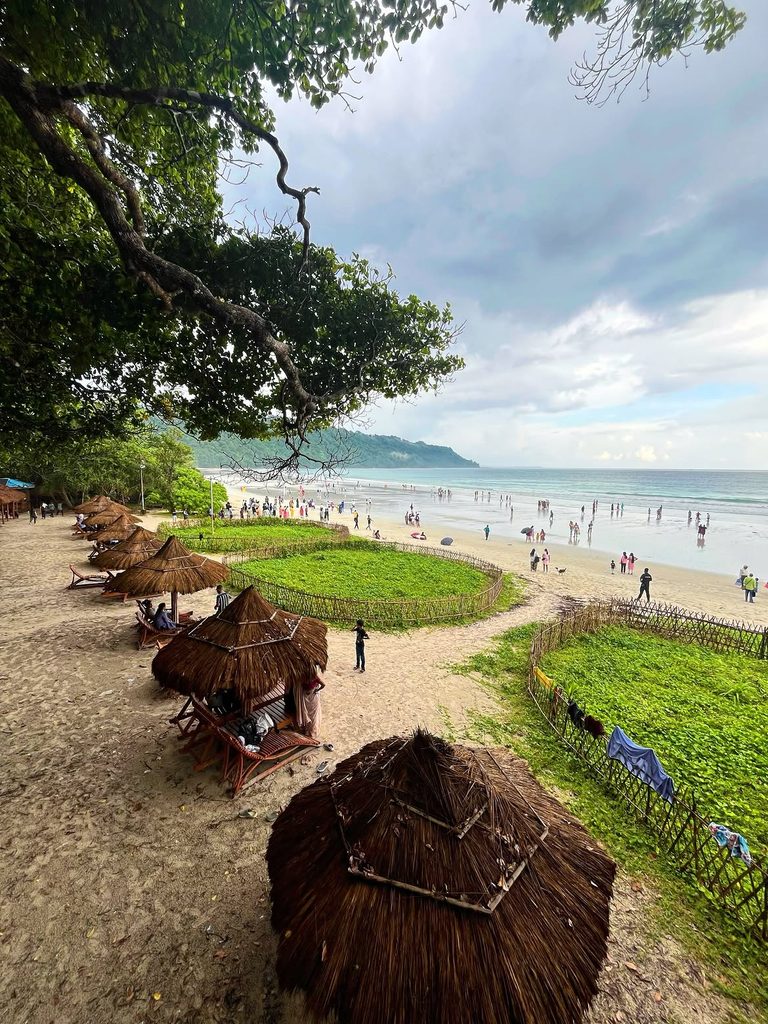
Radhanagar Beach, or Beach No. 7, is a broad western sweep of pale sand backed by forest. Walk away from the main entrance and the shoreline usually feels more spacious.
Arrive 60–90 minutes before sunset for a supervised swim and a walk as the heat softens. The sun can set around 5 p.m. because the Andamans are far east within India’s time zone, so check the time for your date. Swim only where lifeguards permit, keep children within arm’s reach and arrange your ride back before dark.
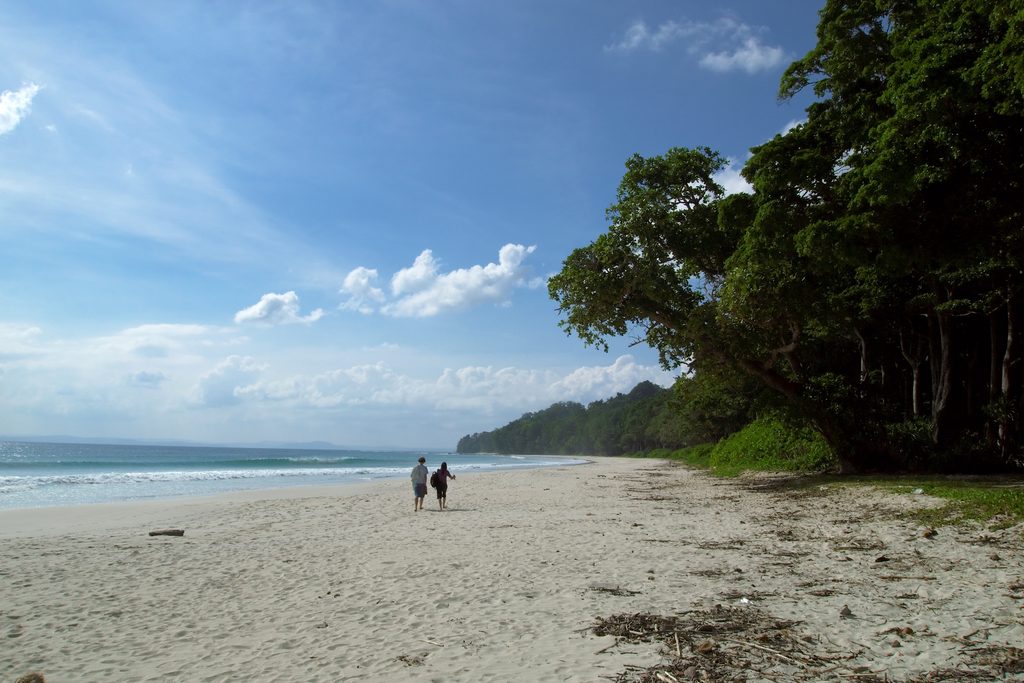
Radhanagar Beach on Swaraj Dweep. Photo: Vyacheslav Argenberg, Wikimedia Commons, CC BY 4.0. For publication, download and self-host the optimised image rather than hotlinking it.
Elephant Beach Havelock: plan around the boat, not the clock
Elephant Beach is the island’s organised water-sports hub. Most visitors reach it by a shared boat from the local embarkation point. A forest trail may be available with an authorised guide, but access can close because of rain, trail conditions or local controls. Confirm the live situation instead of assuming the trek is open.
The outing generally occupies a morning once reporting, briefing, queues and the return are included. Basic snorkelling is sometimes bundled with the boat ticket; longer sessions, sea walking and motorised rides cost extra. Ask what “included” means, including equipment, taxes and actual in-water time. It works for mixed groups because one person can join an activity while another stays ashore, but it is not a secluded beach.
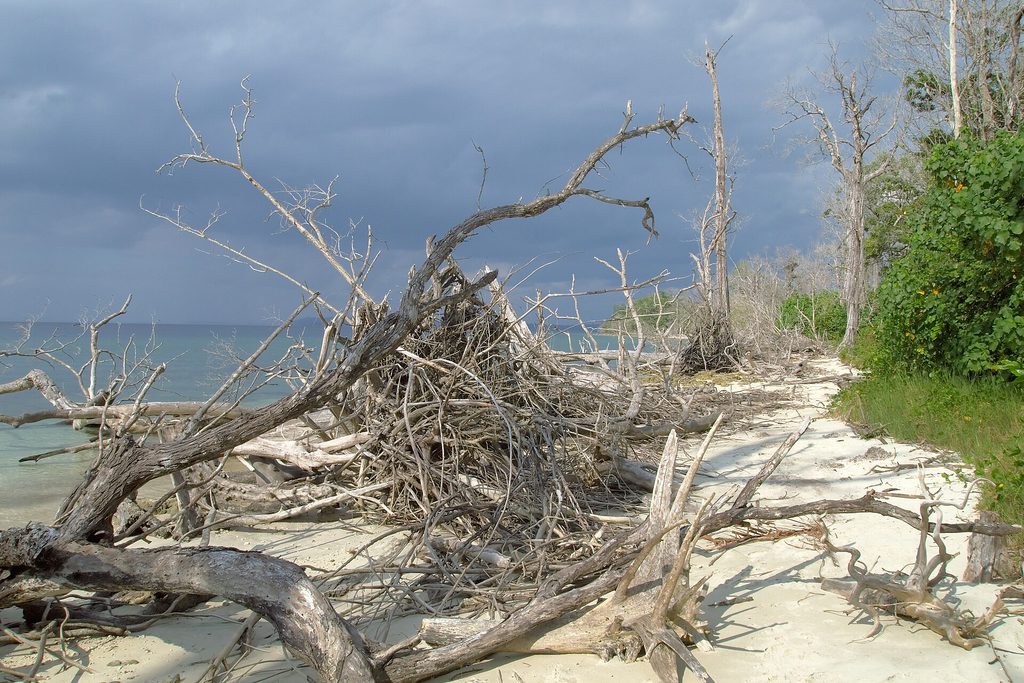
Elephant Beach on Swaraj Dweep. Photo: Vyacheslav Argenberg, Wikimedia Commons, CC BY 4.0.
Kalapathar Beach Havelock: an east-coast morning
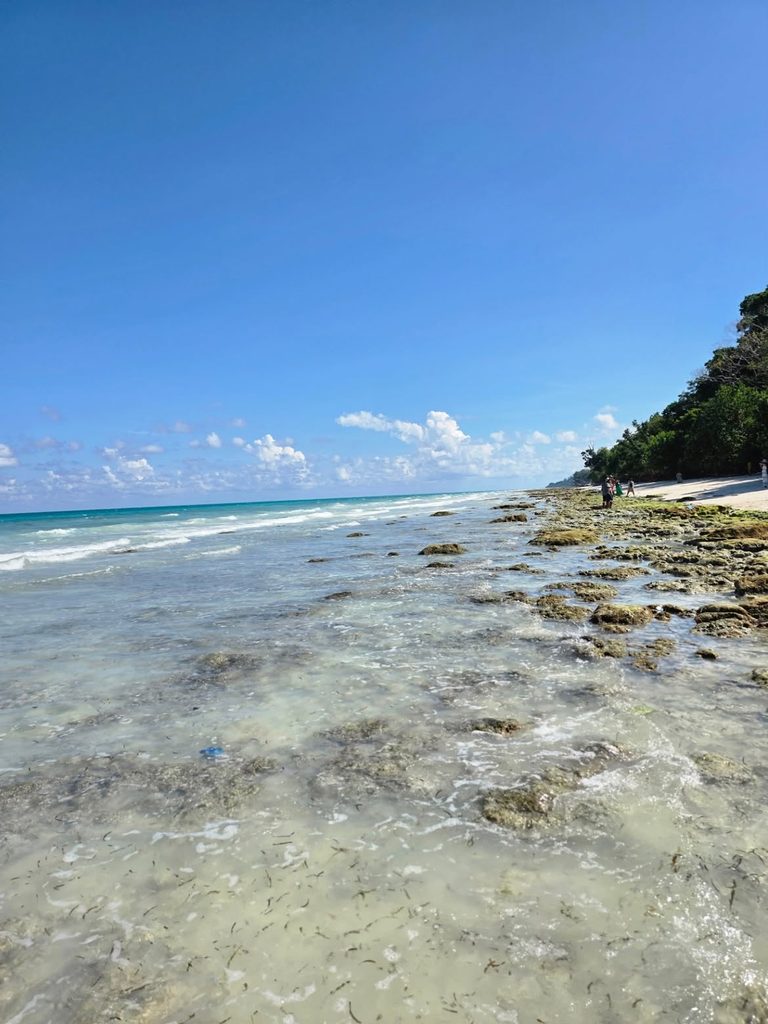
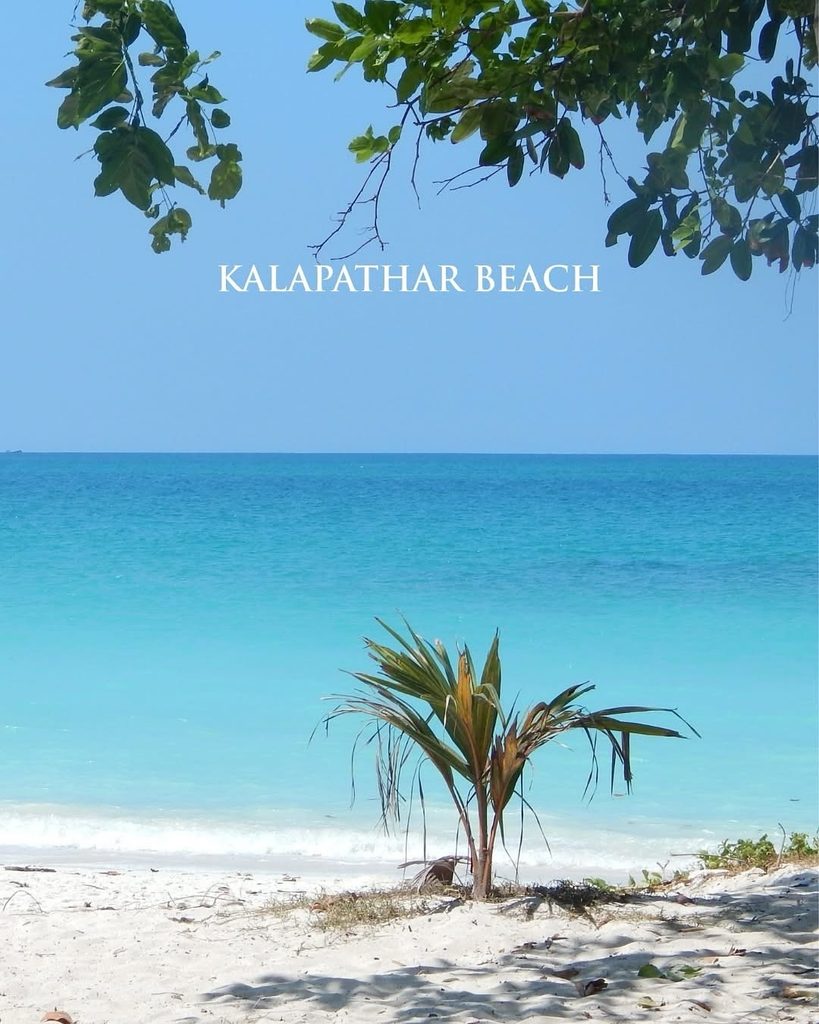
Kalapathar Beach takes its name from the dark rocks set against pale sand and blue-green water. Its eastern position makes early morning more rewarding than sunset. Come for the light, a beach walk and a quieter hour—not for a guaranteed swimming session.
The usable strip of sand changes with the tide, and submerged rocks can be hard to see. Check locally before entering the water. Bring drinking water and carry the packaging back; facilities thin out toward this end of the island.
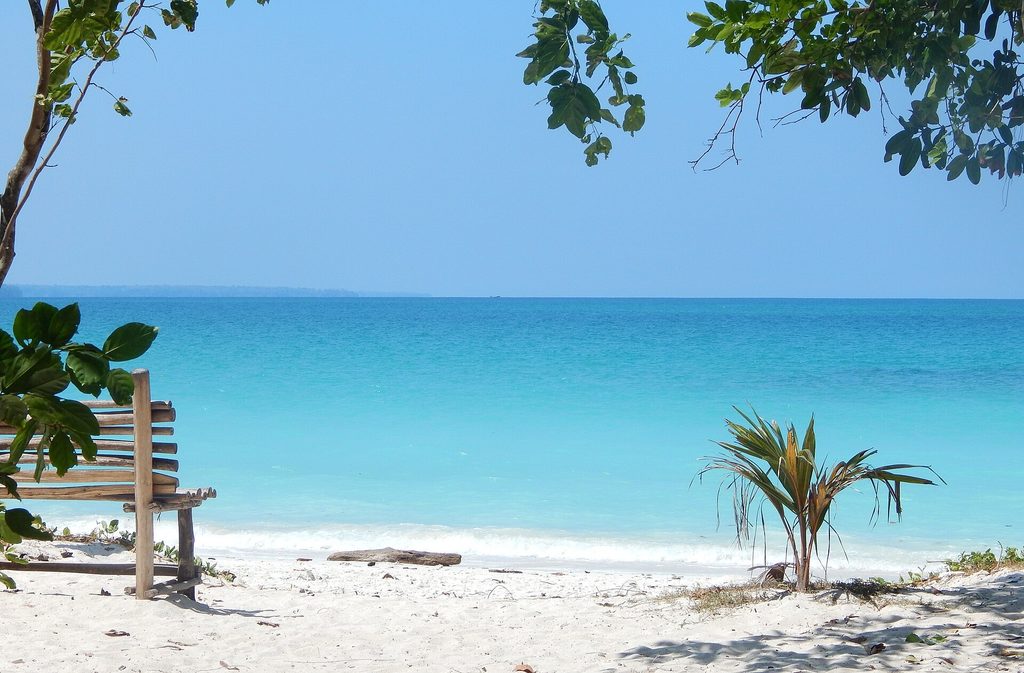
Kalapathar Beach. Photo: Mvbellad, Wikimedia Commons, CC BY-SA 4.0.
Vijaynagar and Govind Nagar beaches: useful, tidal and easy to reach
Vijaynagar Beach, often called Beach No. 5, runs along a settled part of the east coast. It works well for a sunrise walk or an easy hour close to where many visitors stay. At low tide, the sea may retreat a long way and expose seagrass, reef flat or soft seabed. That can be fascinating to look at, but disappointing if you arrived expecting a deep, postcard-blue swim.
Govind Nagar, near the jetty, is practical rather than uniformly secluded. Parts support dive departures and everyday island activity. At both beaches, footwear helps on rough sections; do not step on coral, remove shells or chase animals in tidal pools.
Neil’s Cove: beautiful, but not a swimming shortcut
Neil’s Cove is a small inlet beyond the northern end of Radhanagar. Access and conditions should be checked locally. Crocodile warnings have been issued around forest-fringed and unguarded waters in the Andamans, including advisories associated with this area. Obey every closure, sign and lifeguard instruction. Do not enter the water at an isolated cove simply because another page calls it a snorkelling spot.
If access is open, visit in daylight, stay on the permitted route and avoid dawn, dusk, mangrove edges and creek mouths. Treat it as a scenery stop, not an improvised swim.
3. Things to do in Havelock Island: choose one anchor activity each day
The most satisfying Havelock plans revolve around one main activity, with a beach or meal around it. Water sports in Havelock Island operate early, depend on the weather and involve waiting, briefings and transfers. Trying to stack scuba, Elephant Beach, kayaking and a cross-island sunset into one day creates more transport than holiday.
Scuba diving in Havelock Island for beginners
A first-time “discover scuba” session is a supervised introduction, not a licence. It should include medical screening, equipment instruction, shallow-water skills and a controlled dive with a trained professional. PADI’s Discover Scuba Diving framework sets a minimum age of 10, but local operators can set a higher limit.
Ask these questions before paying:
- Which training-agency and centre credentials apply?
- What is the underwater instructor-to-participant ratio?
- Is it a shore or boat dive, and what is the planned maximum depth?
- Are equipment, taxes, transfers and photos included?
- What safety equipment, emergency plan and cancellation policy apply?
Some closely supervised introductions accept non-swimmers, but participants must stay calm, breathe continuously, equalise pressure and follow instructions. Stop if you feel rushed through the briefing.
Complete the medical questionnaire honestly. Heart, lung, ear, neurological and other conditions may need a physician’s evaluation; the diver medical form says someone who is pregnant or attempting pregnancy should not dive.
Keep flying-after-diving time in the itinerary. Divers Alert Network advises at least 12 hours before flying after one no-decompression dive and at least 18 hours after repetitive or multi-day diving. A conservative holiday plan leaves 18–24 hours between the last dive and a flight, especially when ferry reliability must also be considered.
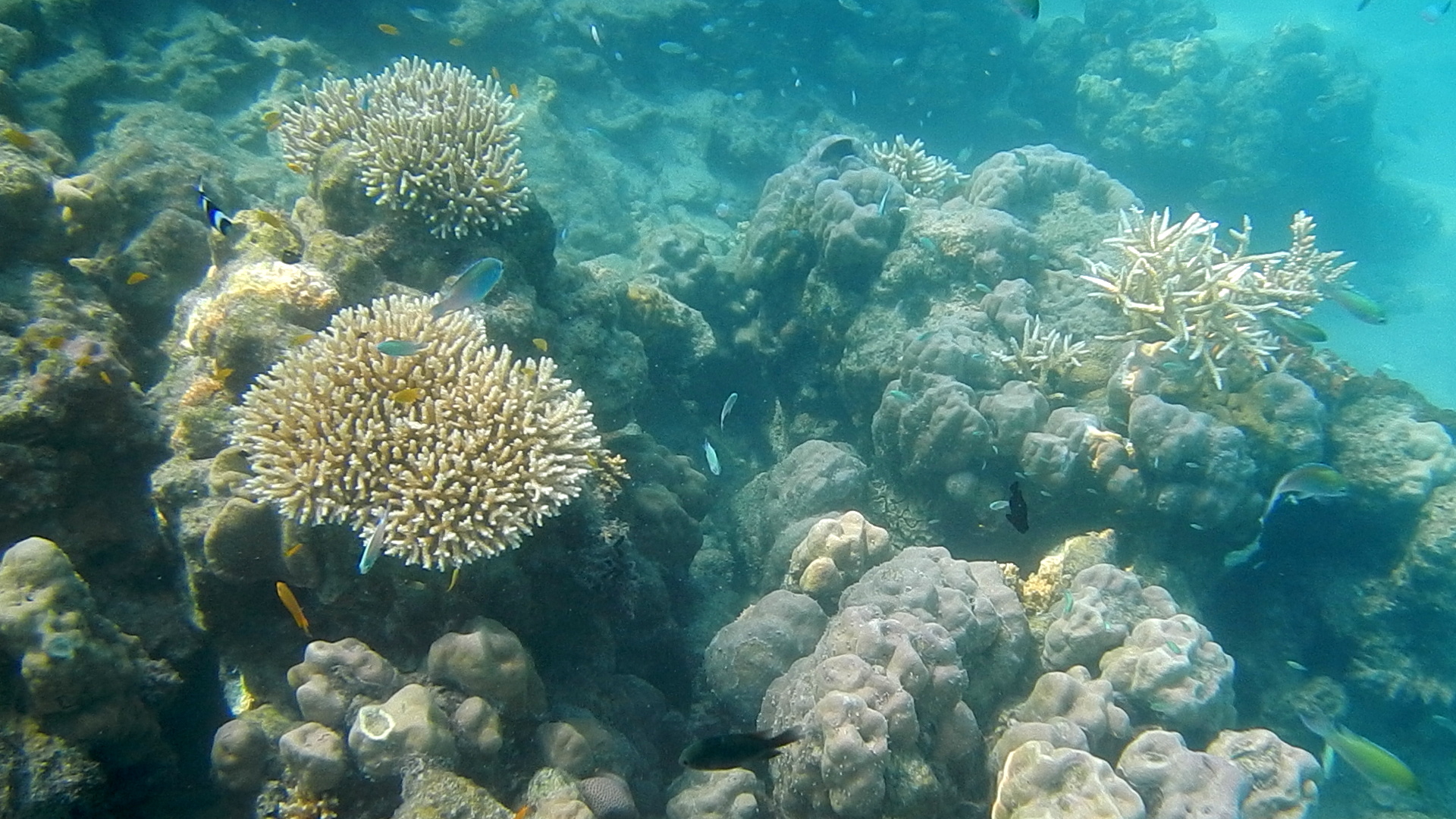
Snorkelling, sea walking and glass-viewing options
Snorkelling still needs a safety check. Wear a fitted life jacket if you are not a confident open-water swimmer, use a guide around boats and never stand on coral. Visibility varies with tide, rain and wind; it cannot be guaranteed weeks ahead.
Sea walking offers an underwater view without scuba equipment, subject to age and medical rules. Glass-bottom or semi-submersible rides may suit people who prefer to stay dry. Confirm availability rather than assuming either is included at Elephant Beach.
Kayaking through mangroves
Guided kayaking gives a quieter view of the island than a motorised activity. Routes may run by day, at sunset or after dark. Marketing often leads with “bioluminescence,” but natural light displays vary with the moon, water and season; they cannot be guaranteed.
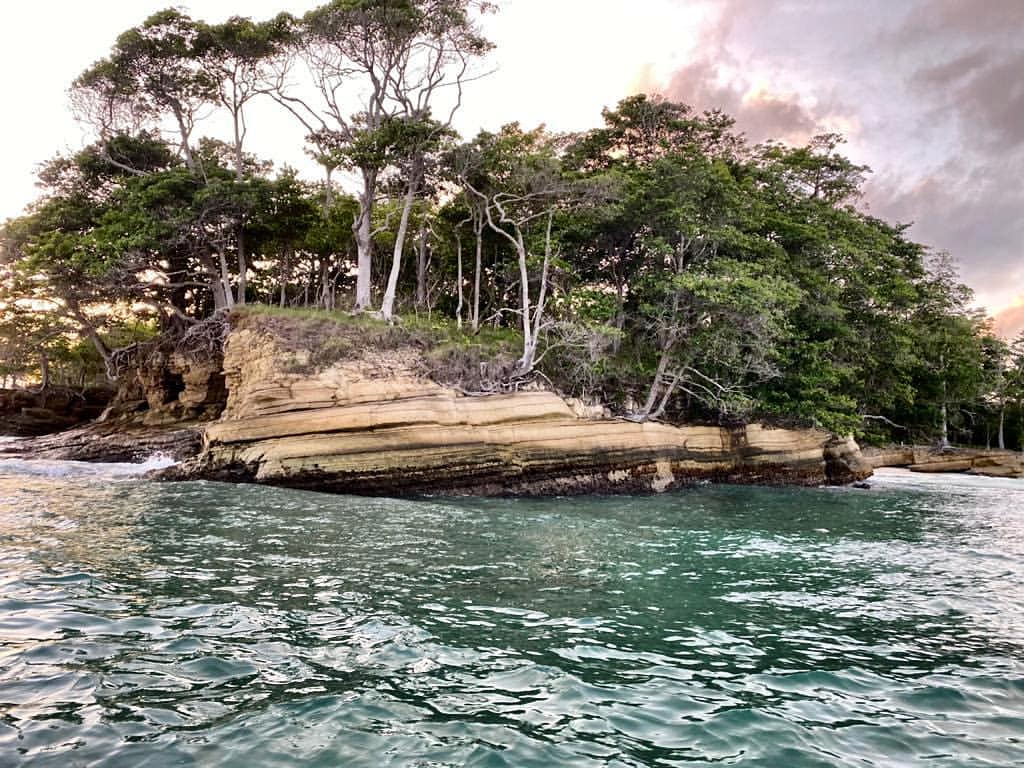
Confirm the route, duration, tide, guide ratio, life jackets, dry storage, child rules and cancellation policy. Natural light displays marketed as bioluminescence vary with the moon and water; they are never guaranteed.
Motorised water sports
Jet skis, banana boats and similar rides are short, high-energy additions rather than a reason to design the whole trip around a beach. Confirm who controls the craft, the passenger age and weight limits, helmet or life-jacket provision, actual ride duration and refund rules when operations stop.
Avoid stacking intense activities because they come as a bundle. Fatigue, sun and seasickness accumulate, and alcohol does not mix with water sports.
Low-effort things to do on Swaraj Dweep
A sunrise walk at Vijaynagar, a slow breakfast and a shaded Radhanagar afternoon need no activity ticket. If you hire a bicycle or scooter, ride only when licensed and confident, use a helmet and stay on familiar roads in daylight. Families and nervous riders can use an auto-rickshaw or car.
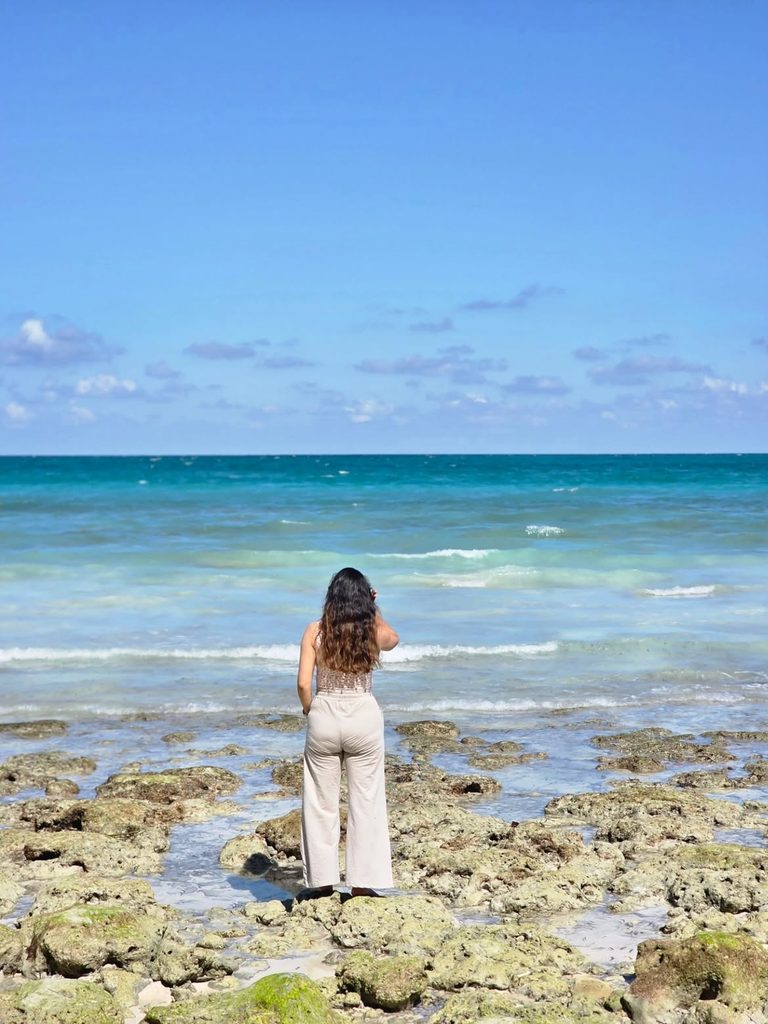
4. How to reach Havelock Island and understand ferry timings
There is no commercial airport on Havelock Island. Most visitors fly into Veer Savarkar International Airport in Sri Vijaya Puram, then continue by passenger ferry. The route is still searched as the Port Blair to Havelock Island ferry, so booking sites commonly retain both old names.
Government ferry or private fast ferry?
Both systems can get you to Swaraj Dweep, but the buying process and onboard experience differ.
| Ferry type | Typical strengths | Practical limitations |
|---|---|---|
| Government/DSS | Usually lower fare; part of the public island network | Inventory and schedule release can be less convenient; journey may be longer |
| Private fast ferry | Faster booking flow, assigned seating on many vessels, commonly around 90 minutes to 2 hours | Higher fare; luggage and change rules vary by operator |
The Directorate of Shipping Services operates the government network and STARS e-ticketing. Its guidance requires original ID, advises reporting two hours before departure, says gates close 30 minutes before sailing and warns of weather or technical changes. Follow the issued ticket because rules vary.
Private operators serving the route include Makruzz, Nautika, ITT Majestic and Green Ocean. This is a transport-source list, not a ranking. Check each operator’s own site for the date, terminal, luggage allowance, check-in cut-off and change policy.
Havelock Island ferry timings: why a static table can mislead
Early services from Sri Vijaya Puram commonly leave between roughly 6:00 and 8:30 a.m., with additional departures appearing later on some dates. Return sailings from Swaraj Dweep may run from morning into the afternoon. That pattern helps with planning, but it is not a timetable.
Vessels, demand, maintenance and weather affect the schedule. A blog promising a permanent departure can be wrong by your travel date. Instead:
- Search the exact travel date on the DSS portal and the official private-operator sites.
- Match the direction carefully: Sri Vijaya Puram to Swaraj Dweep, or the reverse.
- Check the departure terminal. Haddo and Phoenix Bay are not interchangeable.
- Enter every passenger name and ID detail exactly.
- Read reporting time, luggage and cancellation terms before payment.
- Save an offline copy of the ticket and carry the original matching ID.
- Recheck messages and service status the evening before departure.
Allow 90 minutes to 2.5 hours on the water, plus road transfer, check-in and waiting. A fast crossing is not a 90-minute end-to-end transfer.
Can you travel from the airport to Havelock on the same day?
Sometimes, but only when the flight arrives early and there is a generous gap before a confirmed ferry. Baggage delivery, traffic, terminal changes and check-in cut-offs all consume time. A late flight can cause a missed sailing, and separate tickets rarely protect the next segment.
For a same-day connection, leave several hours, verify the terminal and use changeable bookings where possible. Before a high-stakes return flight, spend the final night in Sri Vijaya Puram to protect against ferry disruption.
Ferry comfort for families and motion-sensitive travellers
Eat lightly, keep water accessible and choose a central seat if available. Ask a clinician about motion-sickness medicine in advance; some options cause drowsiness.
Keep ID, tickets, medicines, a light layer, snacks and essential child supplies in one accessible ferry bag; larger luggage may be stored away from your seat.
5. Best time to visit Havelock Island
November to April is the most dependable period for a first Havelock Island trip. Seas are often calmer and more water activities operate, although rain and cancellations remain possible. October and May are shoulder months: they may bring good value and quieter beaches, but the weather margin is thinner. June to September is the wetter monsoon period, with a higher chance of rough crossings and interrupted activities.
| Period | What it is usually like | Who it suits | Planning response |
|---|---|---|---|
| November–February | Drier-feeling peak period; popular dates fill early | First visits, families, mixed activities | Secure flights and ferries early; expect higher demand |
| March–April | Warm, often favourable for water plans | Divers and beach-focused travellers | Start early, build shade and hydration into the day |
| October and May | Transitional, less predictable | Flexible travellers | Keep one spare activity window and flexible terms |
| June–September | Monsoon influence, rain and rougher sea more likely | Slow trips where water activities are optional | Add buffers and expect schedule changes |
“Best time” does not mean guaranteed weather. The useful difference is probability and how much flexibility the trip has.
Daylight, tides and heat matter as much as the month
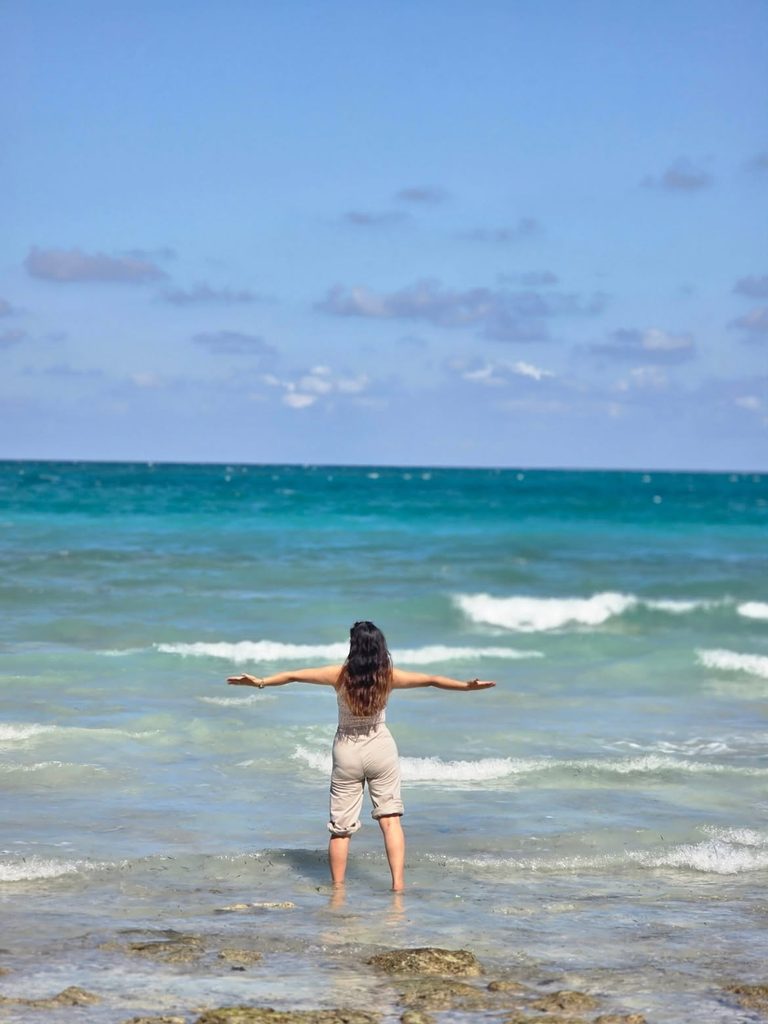
Island days begin early. Walk before breakfast, schedule exposed activities in the morning and reach Radhanagar well before sunset. Use shade, water and broad-spectrum sunscreen through the hottest hours.
Tides can transform an east-coast beach. A place that looks like a deep lagoon in one photograph may be a wide shallow reef flat when you arrive. Ask locally about the tide for swimming, paddling or shore entry rather than judging the destination from a single image.
6. A realistic Havelock Island itinerary for 2 days
This Havelock Island itinerary for 2 days assumes two nights on Swaraj Dweep: an early or mid-morning arrival on Day 1, a full Day 2 and departure on Day 3. It protects the sunset and asks you to choose between Elephant Beach and scuba rather than pretending both are effortless in one morning.
Day 1: ferry arrival, a slow reset and Radhanagar sunset
Morning: Travel from Sri Vijaya Puram to Swaraj Dweep. Do not schedule a paid water activity immediately after the ferry; a delay would put it at risk.
Late morning: Leave bags, eat and rest. Confirm tomorrow’s pickup, reporting point, medical form and cancellation contact. Take a short local walk if time and tide allow.
Mid-afternoon: Leave for Radhanagar Beach. Arrive with at least an hour before sunset, longer if you want to swim. Follow the marked bathing zone and lifeguards.
Evening: Return before dark, eat early and prepare water, dry bag and ID for the morning.
Day 2, Option A: Elephant Beach and an easy east-coast finish
Early morning: Eat lightly and report for the Elephant Beach boat at the printed time. Carry only what you need.
Morning to early afternoon: Take the shared boat and complete any pre-booked activity. Add nothing without understanding its duration, safety equipment and total cost.
Late afternoon: Rest, then choose Kalapathar for a scenic drive or Vijaynagar for minimal transport.
Day 2, Option B: scuba diving and Kalapathar
Early morning: Complete the dive-centre health screening and briefing. Training, equipment and transfers can use most of the morning.
Afternoon: Eat, hydrate and rest. Diving can be tiring even when the underwater portion feels short. Do not add freediving, alcohol or strenuous water sports.
Late afternoon: Visit Kalapathar if energy and weather allow. If flying next day, confirm the no-fly interval; otherwise schedule the dive earlier in the trip.
Day 3 departure: do not gamble with the airport
Take the confirmed ferry back to Sri Vijaya Puram. If an onward flight matters, the robust plan is to travel back a day before flying. When that is impossible, choose a large connection buffer and understand the financial risk of a weather disruption.
Family version: reduce transitions, not enjoyment
For a Havelock Island family trip, keep Day 1 unchanged. On Day 2, choose Elephant Beach only if every child is comfortable with the boat, fitted life jackets are available and the activity age rules work for your group. Otherwise, use a relaxed morning at an accessible beach followed by rest and one afternoon outing.
With babies or toddlers, midday heat and unfamiliar food matter more than one extra attraction. Carry familiar snacks, prescribed medicines, sun protection and enough specialist supplies; selection can be limited.
Rain or cancellation Plan B
If Elephant Beach closes, do not use an unofficial boat. Ask about refund or rescheduling, then move a road-access beach into the safe weather window. A cancelled dive should move only to another safe time or follow the agreed refund policy. Never pressure a crew to launch.
7. Havelock Island trip cost, stay areas and practical planning
A useful budget separates unavoidable costs from optional activities. Package totals hide which choice is driving the price. The ranges below are planning estimates checked in September 2026, not quotes; holiday dates, taxes, vessel class and availability can move them sharply.
A transparent two-night budget
| Item | Working 2026 range | How to budget accurately |
|---|---|---|
| Private ferry, one way | ₹1,300–₹2,000 per person | Price the exact date and class on the operator’s site |
| Two nights’ accommodation | ₹2,500–₹12,000+ per room per night | Compare total after taxes and cancellation terms |
| Meals | ₹800–₹1,800 per adult per day | Allow more for seafood, drinks or special diets |
| Local road transport | ₹800–₹3,000 per day/group | Depends on distance, waiting and shared versus private vehicle |
| Scooter | About ₹400–₹700 per day, fuel extra | Licence, helmet and confidence are essential |
| Elephant Beach boat | Around ₹1,250 per person | Confirm what snorkelling, if any, is included |
| Introductory scuba | Roughly ₹3,000–₹6,500 per person | Shore/boat format, photos, transfers and taxes alter price |
| Guided kayaking | Roughly ₹2,000–₹4,000 per person | Route, timing and group size matter |
For two adults sharing a room, a two-night stay may land around ₹18,000–₹38,000 before flights. Add about ₹6,000–₹13,000 if both take one major paid activity. A family of four may spend ₹30,000–₹65,000 before flights and optional water sports; room and child pricing create the biggest variation.
Price the trip in this order: return ferries, room total, transfers, meals, then optional activities. Keep a contingency for weather changes or an extra night in Sri Vijaya Puram.
Where to stay: choose the area before the property
People searching for Havelock Island resorts often get ranked property lists when the first decision should be location. No individual property is promoted here; use the area trade-offs to narrow your own search.
| Area | Practical advantage | Trade-off |
|---|---|---|
| Govind Nagar/jetty side | Convenient for arrival, dive operations and short transfers | Busier and not uniformly picturesque |
| Vijaynagar/Beach No. 5 | East-coast walks, food access and a central feel | Tide can make the beach very shallow |
| Radhanagar Road/Beach No. 7 side | Easy access to the island’s main sunset beach | Longer ride to jetty and many water-activity meeting points |
| Kalapathar end | Quieter setting and early light | Fewer nearby services and longer transfers |
Verify the map pin: “beachfront” does not identify the coast. Check taxes, backup power, air-conditioning hours, potable water, breakfast timing, signal, child bedding, accessibility, transport and ferry-disruption terms. For families, an early breakfast and vehicle access may matter more than isolation.
Getting around Swaraj Dweep
Auto-rickshaws and cars are simple point-to-point choices. Agree on fare, waiting time and return pickup. Buses serve parts of the island, but do not test an unfamiliar timetable before a fixed activity.
On a scooter, wear a fastened helmet, carry the required licence, avoid alcohol and slow down for sand, rain, potholes, animals and darkness. Photograph existing damage and check fuel and return terms.
Cash, connectivity and everyday supplies
Mobile data, QR payments and ATMs can fail. Carry some Indian currency in small denominations and download tickets, maps and important numbers. Pack prescription medicines, reef-conscious sun protection, a reusable bottle, insect repellent, quick-dry clothes, grippy sandals and a torch.
Health, permits and safety
Swaraj Dweep has a government Primary Health Centre at Govind Nagar; the official listing provides its location and contact details. More complex treatment may require transfer to Sri Vijaya Puram, so travel insurance should cover island transport, water activities you actually plan to do and medical evacuation where applicable.
Indian citizens normally use valid government photo ID on the main tourist route. International visitors should verify current visa, entry and restricted-area rules with Indian immigration and Andaman authorities. Carry physical ID.
Useful numbers include India’s emergency number 112, ambulance 102 or 108, and the South Andaman control room 1070. Save them offline, but ask your accommodation and activity provider for the most relevant local contact too.
Travel lightly on a fragile island
Coral is habitat, not a foothold or souvenir. Keep fins away, never feed fish, leave shells in place and carry waste back. Use authorised boats, follow forest controls and respect every beach, trail or activity closure.
Frequently asked questions about Havelock Island
Is Havelock Island the same as Swaraj Dweep?
Yes. Swaraj Dweep is the official name of Havelock Island. It was renamed in December 2018, but “Havelock” is still widely used by travellers, locals and booking platforms. A ferry ticket showing either name is referring to the same island.
How many days are enough for Havelock Island?
Two nights are enough for a first look at Radhanagar Beach plus either Elephant Beach or a scuba session. Three nights are better if you want both major water activities, a slower family pace or protection against one bad-weather morning. Certified divers may want four nights or more.
How long is the ferry from Port Blair to Havelock Island?
Private fast ferries commonly take around 90 minutes to 2 hours. Some vessels and government services take longer, so allow up to about 2.5 hours on the water for planning, plus check-in and transfers. Always use the duration printed for your exact sailing.
Is Havelock Island suitable for a family trip with children?
Yes. Keep the schedule simple, use supervised swimming areas, confirm child-size life jackets and age rules, avoid midday heat and carry familiar food and medicine.
Can I visit Elephant Beach and Radhanagar Beach on the same day?
Usually, yes. Take an authorised Elephant Beach boat in the morning, rest after returning, then go to Radhanagar in mid-afternoon for sunset. Keep the plan flexible because boats can be delayed or cancelled, and arrange the Radhanagar return ride before dark.
Plan Havelock Island around the sea, not a checklist
Havelock Island—officially Swaraj Dweep—rewards a simple plan. Stay at least two nights, secure the ferry first and choose one major water activity per day. Radhanagar is the sunset anchor; Elephant Beach is the organised activity morning; Kalapathar and Vijaynagar are calmer east-coast starts.
Protect the trip with exact passenger IDs, live ferry checks, a flight buffer, honest dive screening, child-safe equipment and a weather Plan B. Then leave some empty time.
Next, build the ferry legs into your wider Andaman route and check the official schedule for your dates. Then choose the one Havelock experience your group cares about most and let the rest of the day stay light.


