

Places to Visit in Jaipur in 2 Days: A Realistic 2026 Itinerary with Prices & Timings
Two days in Jaipur is enough to see the landmarks that define the Pink City—but only if you resist the temptation to visit everything. Amer Fort alone deserves at least two hours, while queues and traffic can quickly turn a neat list into a rushed day.
This Jaipur itinerary for 2 days solves that problem by grouping nearby sights. Day 1 stays in and around the UNESCO-listed walled city. Day 2 follows the northern fort route through Amer and the Aravalli hills. You will find current 2026 adult ticket prices, practical visit durations, conservative timing advice, transport guidance and easier alternatives for families, older travellers and anyone who prefers not to race between monuments.
The plan covers Jaipur’s essential first-time sights and leaves Chokhi Dhani, Patrika Gate, Galtaji and Birla Mandir as optional swaps. Adding all four would make this a checklist, not a holiday.
Price note for 2026: Rajasthan revised fees at state-run monuments from 1 January 2026. Some official and commercial pages still display older rates. The amounts below use the revised schedule reported for 2026 and were cross-checked against the Rajasthan online booking portal, the City Palace visitor page and current attraction notices. Always check the live portal before paying or travelling.
Jaipur 2-Day Itinerary at a Glance
The best way to explore Jaipur in 2 days is to spend one day in the walkable historic centre and one day on the fort circuit north of the city. Use the metro, an e-rickshaw or short cab rides on Day 1. Keep one cab with you on Day 2 because Amer, Jaigarh and Nahargarh are spread across hilly roads.
| Day | Suggested time | Route | Best for |
| Day 1 | 7:45 am–5:30 pm | Hawa Mahal → Jantar Mantar → City Palace → Johari/Bapu Bazaar → Albert Hall Museum | Architecture, astronomy, museums, street life and shopping |
| Day 2 | 7:00 am–5:30 pm | Amer Fort → Panna Meena ka Kund → Jaigarh Fort → Nahargarh Fort → Jal Mahal viewpoint | Forts, hill views, photography and Jaipur’s royal history |
If one of your two days is a Monday, confirm museum closures or restoration notices the evening before. During long weekends, festivals and the October-to-March peak season, leave an extra 20–30 minutes for the Amer Road and walled-city approaches.
Day 1: Jaipur Local Sightseeing in the Walled City
Jaipur’s historic centre was founded in 1727 and laid out on a grid, as its UNESCO World Heritage listing explains. Hawa Mahal, Jantar Mantar and City Palace are close to Badi Chaupar, where walking is usually faster than repeatedly calling a cab.
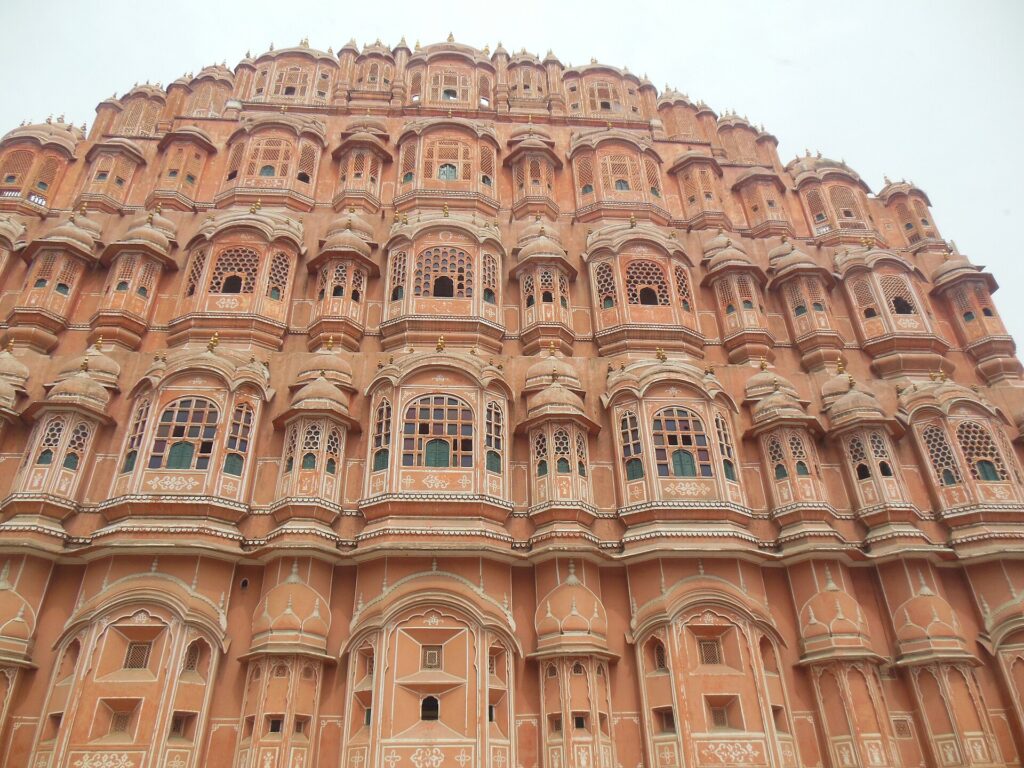
7:45 am–8:50 am: See the Hawa Mahal façade before the road gets busy
Begin on Hawa Mahal Road. Morning light falls on the famous five-storey façade, and the footpath is calmer before shops and traffic gather pace. The roadside view is free. Allow 20–30 minutes for photographs, then have breakfast nearby while waiting for the interior to open.
Return at about 9:00 am to go inside. The entrance is around the rear, not through the road-facing façade. Upper areas involve narrow passages and steps; the top overlooks Jantar Mantar, City Palace and the bazaar.
Allow: 45–60 minutes inside
Revised 2026 adult fee: ₹100 for Indian visitors; ₹600 for international visitors
Planning advice: Rajasthan’s booking portal has displayed a later closing time than some national tourism pages. Enter before 4:00 pm if Hawa Mahal is moved to the afternoon, and verify the same-day window online.
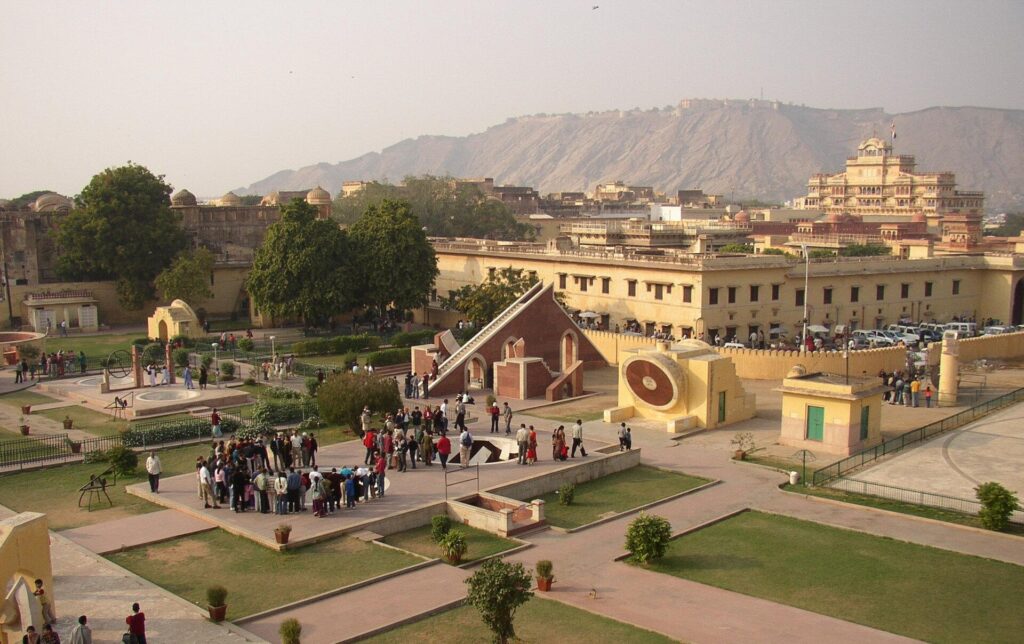
10:00 am–10:50 am: Understand the instruments at Jantar Mantar
Walk roughly five to ten minutes to Jantar Mantar. This is not simply a collection of unusual stone shapes. It is an early-18th-century astronomical observation site, and UNESCO describes it as the best-preserved major set of fixed monumental instruments built in India during that period.
A guide or audio explanation helps turn the instruments’ shadows, scales and geometry into a meaningful visit. Late morning often gives clear shadows, although the exposed site becomes hot in summer.
Allow: 45–60 minutes
Published hours: 9:00 am–7:00 pm; last ticket listed at 6:30 pm
Revised 2026 adult fee: ₹100 for Indian visitors; ₹600 for international visitors
Official background: UNESCO Jantar Mantar listing and Rajasthan Tourism visitor information
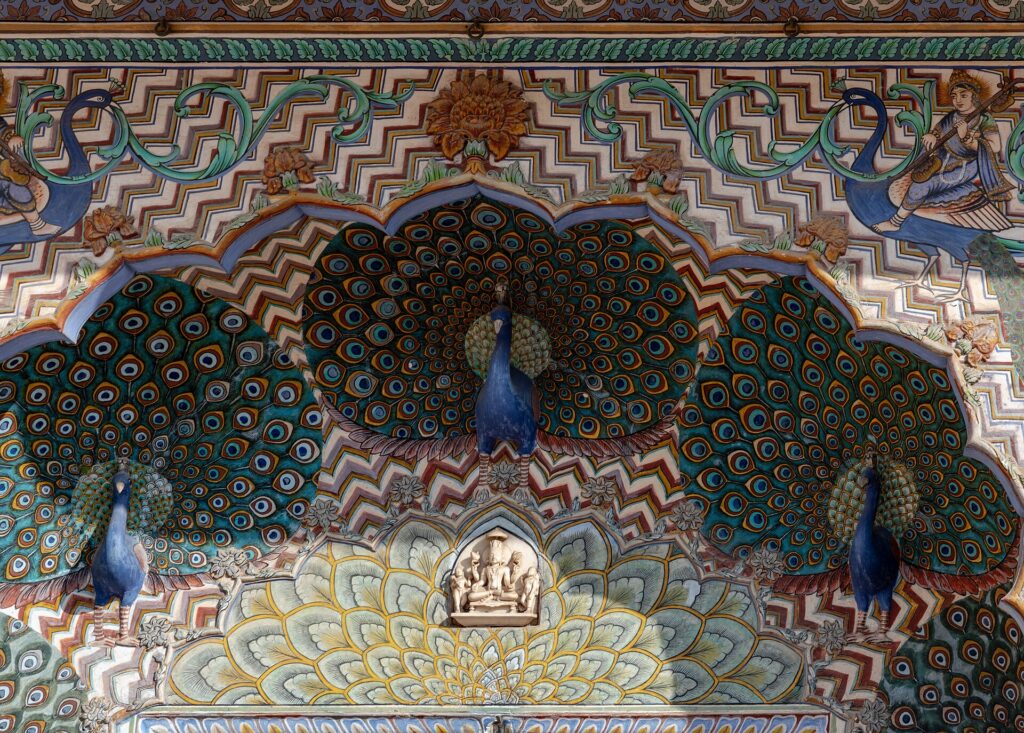
11:00 am–12:45 pm: Explore City Palace without buying more ticket than you need
City Palace is next to Jantar Mantar. The standard ticket covers public courtyards and galleries, including the seasonal gates of Pritam Niwas Chowk. The costly Royal Tour adds selected areas of Chandra Mahal; it is not essential for a first two-day visit.
The useful option is the City Palace composite ticket. It includes the City Palace courtyards and galleries, Jaigarh Fort and the Royal Cenotaphs at Gaitore. For Indian adults, it costs only ₹100 more than the standard ticket, so it makes sense if Jaigarh is on your Day 2 plan.
Allow: 90–105 minutes for the standard museum
Official hours: 9:30 am–6:30 pm; last tickets at 6:00 pm
Indian adult: ₹400 standard; ₹500 City Palace composite
International adult: ₹1,000 standard; ₹1,250 composite at the time of research—confirm using the international-resident tab
Current notice: The Textile Gallery in Mubarak Mahal has been closed for restoration since 27 March 2026. “Museum at Night” is also temporarily closed. Check the official City Palace visitor page for reopening updates.
City Palace lists wheelchair access at major entrances, accessible restrooms, wheelchairs and a paid shared golf-cart service. Parking is available at Gate 2 near Jaleb Chowk.
12:45 pm–3:25 pm: Take a real lunch break, then walk the bazaars
Do not compress lunch into a ten-minute snack. By this point, you have been on your feet for several hours. Choose a proper meal, refill water and continue only when the midday heat begins to ease.
After lunch, walk through Johari Bazaar for jewellery, gemstones and traditional craftsmanship, or Bapu Bazaar for textiles, juttis and everyday souvenirs. The Jaipur Municipal Corporation market guide provides a useful overview of the city’s main shopping areas.
For valuable gemstones, ask for an independent laboratory certificate and a bill. Check textile composition instead of relying on words such as “silk” or “handmade.” The colonnades and working shops still make the walk worthwhile if you buy nothing.
Allow: About one hour for lunch and 60–90 minutes for the markets
Cost: Free to explore; shopping and food extra
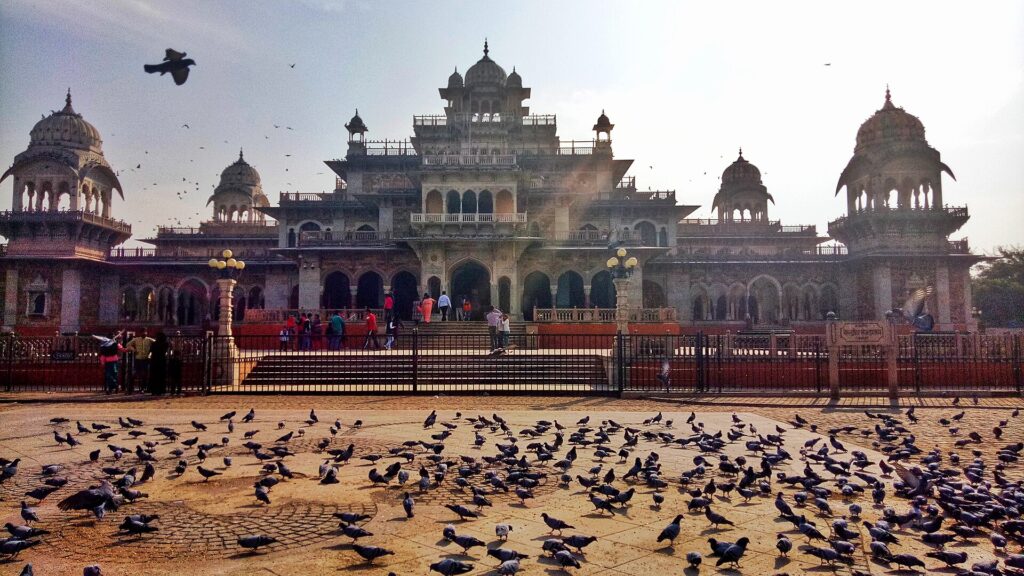
3:45 pm–5:15 pm: Finish at Albert Hall Museum
Take an e-rickshaw or short cab ride to Albert Hall Museum in Ram Niwas Garden. Its Indo-Saracenic exterior is striking, but the museum is more than a photo stop. Collections span arms, decorative art, carpets, paintings, metalwork and an Egyptian mummy. It is also a sensible late-afternoon choice because much of the visit is indoors.
Allow: 60–90 minutes
Published hours on Rajasthan’s booking portal: 9:00 am–9:00 pm; confirm night access before relying on it
Revised 2026 adult fee: ₹100 for Indian visitors; ₹600 for international visitors
If everyone still has energy, stay for the illuminated exterior after dusk. Otherwise, finish here. A good Jaipur sightseeing itinerary for 2 days needs enough recovery time for the fort circuit tomorrow.
Day 2: Amer, Jaigarh, Nahargarh and Jal Mahal
Day 2 involves longer drives, inclines and exposed courtyards. Keep the same car and driver for the day, agree on parking and waiting charges in advance, and carry water. Phone reception and cab availability can be inconsistent near hill exits, so a one-way drop is less convenient than it appears.
7:00 am–10:15 am: Reach Amer early and give the fort enough time
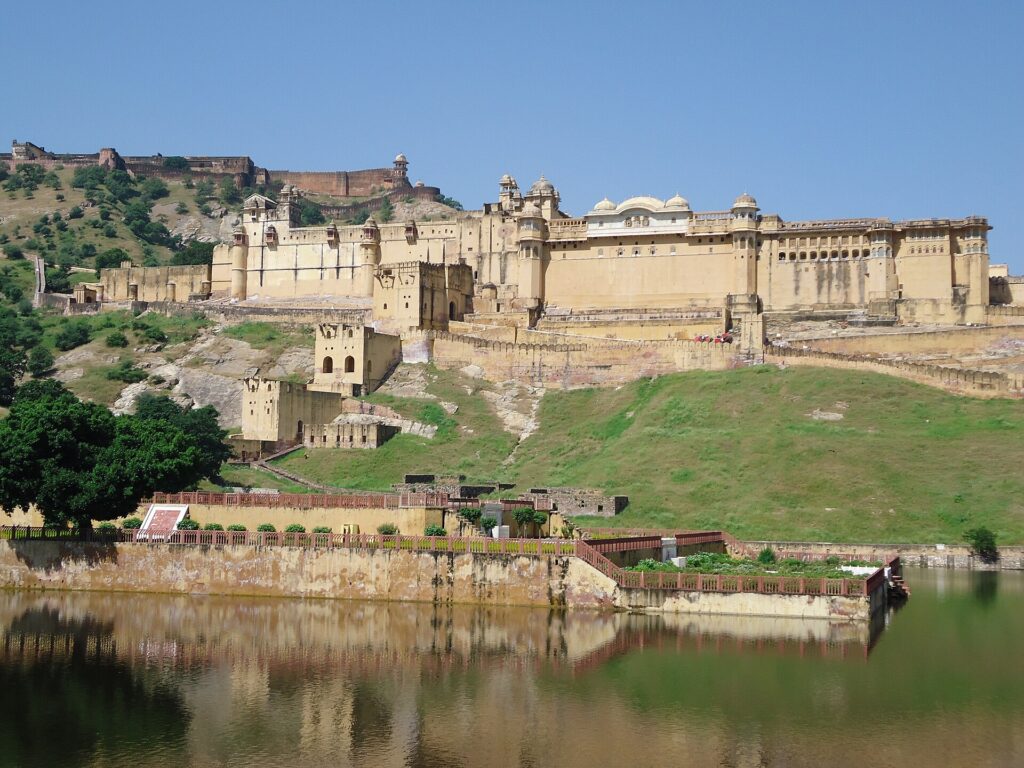
Leave central Jaipur at about 7:00 am and aim to enter Amer Fort by 7:30–7:45 am. The cooler first hour is valuable. Amer is part of UNESCO’s Hill Forts of Rajasthan and contains several linked courtyards rather than one viewpoint. Prioritise Suraj Pol, Jaleb Chowk, Ganesh Pol, Diwan-i-Aam, Jai Mandir and the mirror work of Sheesh Mahal.
A guide can help connect Amer’s military setting with its residential and ceremonial spaces. “Amer Fort” and “Amber Palace” are often used interchangeably in visitor information.
Allow: 2–2.5 hours inside, plus ascent and ticket time
Published hours: 7:00 am–8:00 pm on the state booking portal; daytime galleries and evening programmes may operate differently
Revised 2026 adult fee: ₹200 for Indian visitors; ₹1,000 for international visitors
Walk up if your group is comfortable, or ask about a vehicle transfer available on the day. Do not make an elephant ride part of the plan. Apart from the animal-welfare concerns now changing tour itineraries, walking or using a vehicle gives you more control over timing.
10:25 am–10:50 am: Make a short, respectful stop at Panna Meena ka Kund
Panna Meena ka Kund is a geometric stepwell near the fort. Access to its steps is often restricted, so remain behind barriers and follow the guard even if older photos show visitors sitting below.
Cost: No standard sightseeing fee is normally charged
Allow: 20–25 minutes
Skip it if: Your group is already tired or traffic at Amer has consumed the buffer
11:00 am–12:20 pm: Visit Jaigarh for ramparts and military history
Jaigarh sits above Amer and offers a different experience: long defensive walls, armoury displays, water-harvesting systems and the Jaivana cannon. If you bought the City Palace composite ticket on Day 1, present it here. Confirm its validity at purchase rather than assuming every Jaipur “composite” pass includes Jaigarh.
Allow: 60–80 minutes
Published hours: 9:30 am–5:00 pm
Ticket: Included in the City Palace composite ticket described above; check the live counter price if buying Jaigarh separately
Have lunch after Jaigarh, ideally before beginning the drive to Nahargarh. If you are travelling with young children, an older adult or anyone who finds slopes tiring, choose either Jaigarh or Nahargarh rather than forcing both into the afternoon.
2:00 pm–4:15 pm: Choose Nahargarh for palace rooms and a broad city view
Nahargarh combines Madhavendra Bhawan’s connected suites with a broad city view. Its winding road slows on weekends, so arrive around 2:00 pm rather than depending on a sunset closing extension.
Allow: 90–120 minutes
Published hours on the state portal: 10:00 am–5:00 pm
Revised 2026 adult fee: ₹100 for Indian visitors; ₹600 for international visitors
Many articles promise sunset at Nahargarh, but the official daytime closing window may end before sunset in parts of the year. Do not assume the fort will remain open. Check the live notice for your date, avoid isolated ramparts after closing and use Jal Mahal or an authorised evening venue as the safer fallback.

4:45 pm–5:15 pm: End with the Jal Mahal viewpoint
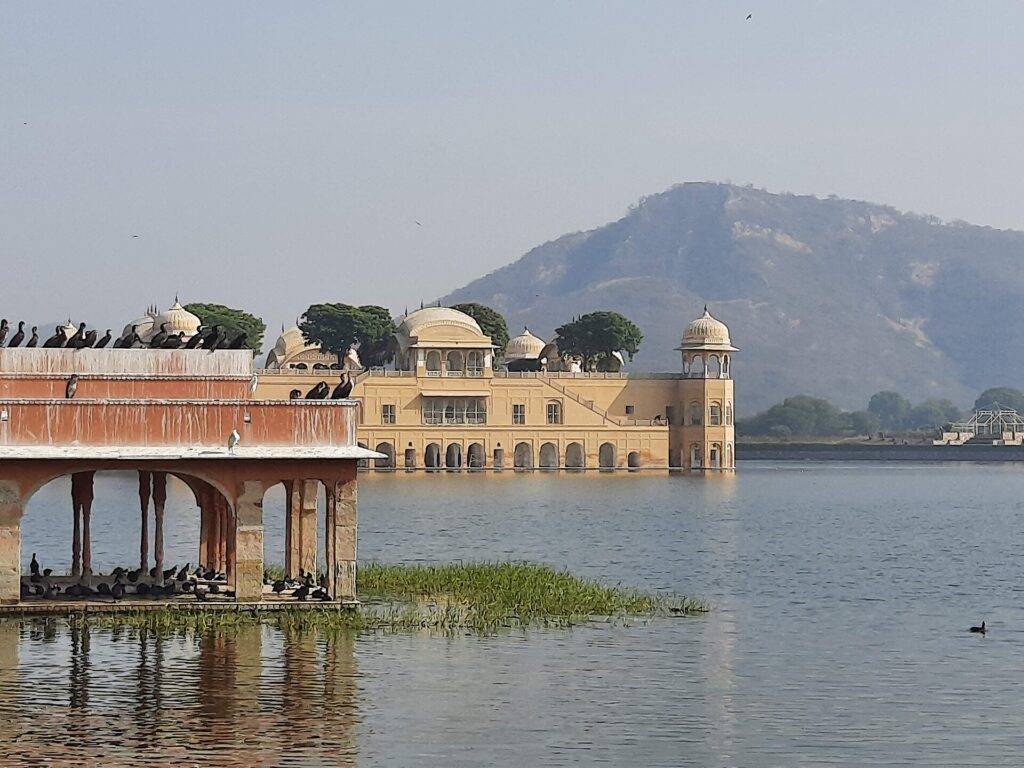
Stop beside Man Sagar Lake on the way back towards the city. Jal Mahal is best treated as a 20–30 minute exterior viewpoint. Public entry to the palace is restricted; ordinary sightseeing tickets do not take visitors inside. This matters because several travel pages still describe a palace visit or boat approach as though it were routinely available.
The shore is lively in the evening, and the palace is attractive as the light softens. Keep food waste out of the lake edge and use designated crossing points on the busy Amer Road.
Cost: Free from the public viewpoint
Allow: 20–30 minutes
Jaipur Entry Fees, Timings and Two-Day Budget for 2026
The table uses adult rates current at the research date. Student, child, senior, defence and disability concessions vary by attraction and normally require valid identification.
| Attraction | Practical planning window | Indian adult | International adult | Typical visit |
| Hawa Mahal | 9:00 am; plan entry before 4:00 pm because published closing times conflict | ₹100 | ₹600 | 45–60 min |
| Jantar Mantar | 9:00 am–7:00 pm; last ticket listed 6:30 pm | ₹100 | ₹600 | 45–60 min |
| City Palace Museum | 9:30 am–6:30 pm; last ticket 6:00 pm | ₹400 | ₹1,000 | 90–105 min |
| City Palace composite | Same as City Palace; includes Jaigarh and Royal Cenotaphs | ₹500 | ₹1,250* | Used across itinerary |
| Albert Hall Museum | Portal lists 9:00 am–9:00 pm; verify night access | ₹100 | ₹600 | 60–90 min |
| Amer Fort | Portal lists 7:00 am–8:00 pm; programme access varies | ₹200 | ₹1,000 | 2–2.5 hr |
| Jaigarh Fort | 9:30 am–5:00 pm | Included in City Palace composite | Included in City Palace composite | 60–80 min |
| Nahargarh Fort | 10:00 am–5:00 pm | ₹100 | ₹600 | 90–120 min |
| Panna Meena ka Kund | Daylight visit; obey access barriers | Free | Free | 20–25 min |
| Jal Mahal viewpoint | Daylight/evening exterior stop | Free | Free | 20–30 min |
Use the international-resident tab on the official City Palace page to reconfirm the current category and price.
Is the government composite pass worth buying for this itinerary?
Usually, no. The revised statewide composite pass was reported at ₹1,300 for Indian adults and ₹5,500 for international adults, with access to government-protected monuments, museums and art galleries for up to ten days. The five state-ticketed sights in this two-day plan—Hawa Mahal, Jantar Mantar, Albert Hall, Amer and Nahargarh—total approximately ₹600 for an Indian adult or ₹3,400 for an international adult when bought separately.
The similarly named City Palace composite ticket is a different product. For this itinerary, that is the useful one because it combines City Palace, Jaigarh and the Royal Cenotaphs. With the City Palace composite, the approximate admission total for every paid stop in this route is ₹1,100 per Indian adult or ₹4,650 per international adult, before guides, special tours or transport.
Food, accommodation and local travel vary too much for one honest “total trip cost.” For budgeting, add two lunches, two dinners, water/snacks and one full-day car for the fort circuit. Ask drivers for a written 8–10 hour quote that states the distance allowance, parking, hill charges, waiting time and overtime.
Practical Jaipur Travel Tips for a Smoother Two-Day Trip
Use Jaipur Metro for the old city, not for the fort circuit
Badi Chaupar is on Jaipur Metro’s east–west corridor and is close to Hawa Mahal. The official station list also includes the railway station, Sindhi Camp, Chandpole and Chhoti Chaupar. Use metro plus walking on Day 1, not for the Day 2 forts.
Stay near the Pink City, Bani Park or C-Scheme
Staying near the Pink City reduces Day 1 travel. Bani Park and C-Scheme offer broader hotel and restaurant choices while remaining central. Confirm luggage storage if checkout falls before your sightseeing ends.
Adjust the plan for weather and energy, not pride
October to March generally offers the most comfortable walking weather, but it is also the busiest period. In April, May and June, start Amer as early as possible, use Albert Hall during the hottest part of the day and schedule a hotel break if needed. During the monsoon, stone ramps and fort paths can become slippery.
For a slower family itinerary, keep Day 1 unchanged but shorten the bazaar visit. On Day 2, do Amer, Panna Meena and Jal Mahal, then choose Jaigarh or Nahargarh. Children usually absorb more from one fort with time to ask questions than from three hurried fort entrances.
Carry the small things that prevent big delays
Carry photo ID, a charged phone, power bank, sun protection, water and shoes with good grip. Save tickets offline and keep some cash despite widespread UPI. Ask before using tripods, professional cameras or drones.
Use a licensed guide where interpretation adds real value
Jantar Mantar and Amer benefit most from explanation. Confirm the guide’s fee, duration, language and scope before starting. Decline forced shopping stops if they are not part of your plan. A useful guide should make the site easier to understand, not turn your limited sightseeing time into a commission trail.
Sensible swaps if your interests are different
- For photography: Replace Jaigarh with Patrika Gate at first light, but remember it is south of the main route.
- For temples: Replace Albert Hall with Birla Mandir, or add the temple after a hotel break rather than squeezing it between museums.
- For a cultural dinner: Visit Chokhi Dhani only if you are comfortable with a late evening and the drive towards Tonk Road.
- For crafts: Check the opening day and hours of the Anokhi Museum of Hand Printing in Amer before replacing Jaigarh.
- For three days: Move Albert Hall and the markets to Day 3, then add Galtaji or a guided heritage walk.
Frequently Asked Questions About Spending 2 Days in Jaipur
Are two days enough to visit Jaipur?
Yes. Two full days are enough for Jaipur’s main first-time attractions if you group the walled-city sights on one day and the northern forts on the other. Three days are better if you also want Galtaji, Patrika Gate, craft museums, a food walk or an unhurried shopping session.
What are the must-visit places in Jaipur in 2 days?
Prioritise Amer Fort, Hawa Mahal, City Palace, Jantar Mantar and one elevated fort viewpoint such as Nahargarh. Add Jal Mahal as a short exterior stop. These places provide the clearest introduction to Jaipur’s architecture, science, royal history and landscape without requiring an unrealistic schedule.
How much do monument tickets cost for a two-day Jaipur itinerary?
For the exact route in this guide, allow about ₹1,100 per Indian adult when using the City Palace composite ticket, or about ₹4,650 per international adult based on prices checked in August 2026. Transport, meals, guides and special palace tours are extra. Recheck the official portals because fees can change.
Can I explore Jaipur in two days without hiring a car?
You can explore Day 1 without a private car by using Jaipur Metro, walking and short e-rickshaw rides. A full-day cab is the most practical option for Day 2 because Amer, Jaigarh and Nahargarh are separated by hill roads and app-cab pickups may be unreliable.
Which is better, Amer Fort or Nahargarh Fort?
Choose Amer Fort if you can visit only one. Its courtyards, gates, palaces and Sheesh Mahal offer a fuller heritage experience. Choose Nahargarh for a shorter palace visit and a wide view over Jaipur. They complement each other, but Amer is the essential first-time stop.
Make Two Days in Jaipur Feel Full, Not Rushed
The best Jaipur trip plan for 2 days is not the one with the longest attraction list. It is the one that lets you understand what you are seeing. Keep Hawa Mahal, Jantar Mantar, City Palace and the old bazaars together. Give Amer a fresh morning. Use the City Palace composite only if Jaigarh suits your plan, and do not buy the much costlier statewide pass without calculating your actual entries.
Before leaving, reopen the official ticket pages, confirm temporary closures and save your bookings offline. If you have a third day, continue with a slower guide to Jaipur’s museums, crafts, family activities or nearby day outings rather than adding more stops to these two already rewarding days.