

Places to Visit in Chikkaballapur: Hills, Temples & One-Day Itinerary
A sunrise at Nandi Hills, a temple visit and an evening at Adiyogi sound like a simple day out. Add a trek, a waterfall and a fort, however, and your Chikkaballapur trip can quickly become a race between stops. The places are spread out, hill access takes time, and the journey back into Bengaluru deserves room in your schedule.
The best places to visit in Chikkaballapur include Nandi Hills, Bhoga Nandeeshwara Temple, Skandagiri, Adiyogi at Sadhguru Sannidhi, Muddenahalli and Rangasthala. Across the wider district, Avalabetta, Gudibande Fort and Kaivara offer good reasons to plan another outing.
This guide compares the main attractions, suggests routes for different travellers, and explains transport, costs and the difference between sightseeing and trekking. It also identifies the timings to check before you leave.
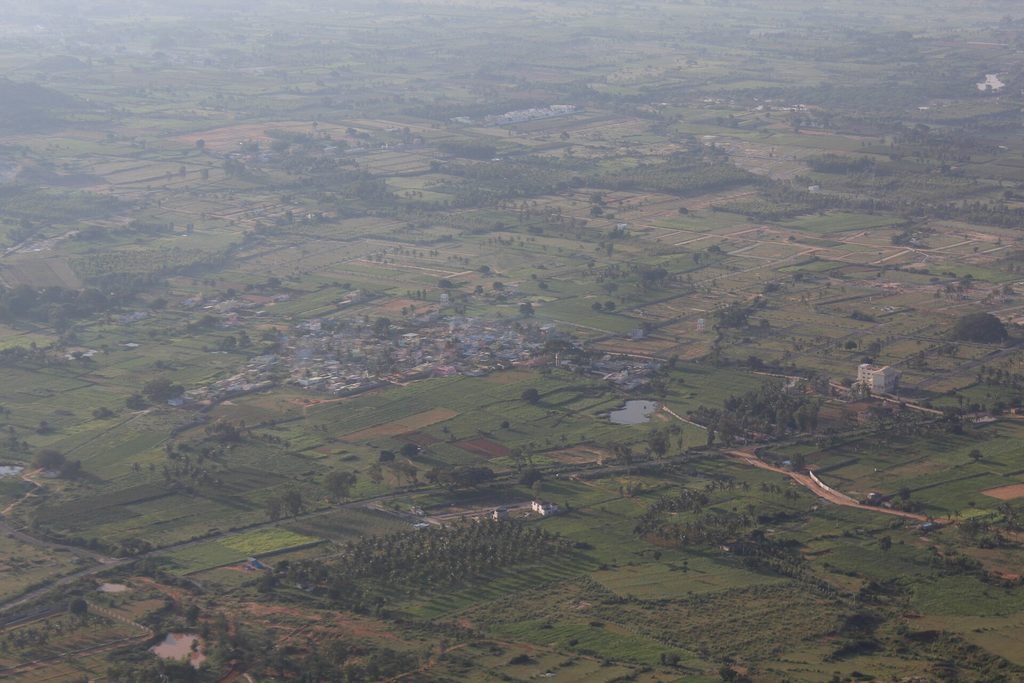
1. Planning your Chikkaballapur trip: choose an area first
Chikkaballapur town and district are different travel areas
Chikkaballapur, also written as Chikkaballapura or Chikballapur, is both the name of a town and its surrounding district in Karnataka. A list of “Chikkaballapur tourist places” may therefore include attractions well beyond the town itself. Karnataka Tourism introduces the district as a hill getaway close to Bengaluru.
For planning, divide your options into three broad groups. The Nandi foothills and town-side circuit covers Nandi Hills, Bhoga Nandeeshwara Temple, Muddenahalli, Skandagiri and Adiyogi. Rangasthala sits on the Gauribidanur side of town. Avalabetta and Gudibande belong to a wider northern outing, while Kaivara is better treated as a separate eastern district trip.
Use the actual approach roads when checking a map; two hills that look close on screen may require a longer drive around their bases.
Which places should you choose for your first visit?
For a first sightseeing trip, choose Nandi Hills, Bhoga Nandeeshwara Temple and Adiyogi. Add Muddenahalli only if you have time and have confirmed museum access. For a trek, make Skandagiri the main activity and keep the rest of the day light.
The following visit lengths are suggested planning allowances, not official opening hours. They include time to look around but exclude driving between attractions.
| Place | Area / route group | Main reason to visit | Suggested time | Walking effort |
|---|---|---|---|---|
| Nandi Hills | Nandi circuit | Hill views, heritage and hilltop walks | 2–3 hours | Varies by path and parking arrangement |
| Bhoga Nandeeshwara Temple | Nandi village | Temple architecture and worship | 45–75 minutes | Courtyard walking and thresholds |
| Skandagiri | Kalavara, near town | A dedicated hill trek | 5–6 hours | Sustained climbing on uneven terrain |
| Adiyogi / Sadhguru Sannidhi | Chikkaballapur countryside | Spiritual visit and evening projection show | 1–2 hours; longer for the show | Walking across the grounds |
| Muddenahalli | Near Chikkaballapur town | Visvesvaraya’s birthplace and memorial | 45–60 minutes | Depends on which areas are open |
| Rangasthala | Gauribidanur road side | Ranganatha temple | 30–45 minutes | Shorter temple visit |
| Avalabetta | Wider northern district | Hill scenery and temple | 1.5–2.5 hours | Uphill walking; access can affect effort |
| Gudibande Fort | Gudibande | Fort remains and countryside views | 2–3 hours | Steps, rock and an exposed climb |
| Kaivara | Eastern district | Temples and pilgrimage heritage | 2–3 hours | Depends on the stops you choose |
A simple rule for a better day trip
Choose one main outdoor attraction, one heritage stop and one optional stop. Leave space for breakfast, lunch and an unhurried return. With young children or older relatives, two well-chosen places can be a better outing than four rushed ones.
2. Best places to visit in Chikkaballapur and the wider district
Nandi Hills: the strongest choice for a first sightseeing trip
Nandi Hills combines open views with a hill-fort setting, walking paths and the Yoga Nandeeshwara Temple. The district tourism website describes it as a former summer retreat of Tipu Sultan. It is a good main stop when you want scenery without committing to a full trekking day.
Allow time beyond the main viewpoint. Choose a manageable walking loop, visit the temple when accessible, and stop where the landscape opens out. Keep Bhoga Nandeeshwara Temple as a separate foothill stop; it is not the same temple as the one on the hill.
Sunrise is the popular draw, but visibility depends on cloud, mist and weather. Check the sunrise time for your date against the gate opening time. Arriving before dawn does not mean you can enter before the gate opens, and a queue can use up the best light.
Timings and fees: the Karnataka Tourism attraction page lists 6 am–6 pm and approximately ₹10–₹20 per person, with parking separate. Another official tourism page lists 6 am–8 pm. Confirm current access and charges locally; plan to finish sightseeing before 6 pm unless later access is confirmed.
For families, check how far everyone must walk from the permitted parking point. Carry a light layer and keep snacks packed away from monkeys. Use established viewpoints and stay behind railings, especially around Tipu’s Drop.
Skandagiri: plan a trekking day around it
Skandagiri, also called Kalavara Durga, suits travellers who want the climb itself to be the main experience. Its approach is near Kalavara village and Papagni Mutt. It needs a different plan from a drive-and-walk visit to Nandi Hills.
The Karnataka Tourism trekking guide describes an approximately eight-kilometre return trek and suggests five to six hours overall. It lists a ₹250 government permit fee, but the amount, available dates and reporting slot should be checked on the live booking system. Distances recorded by trekkers can vary with the start point and route.
For Skandagiri trek booking, use the Karnataka Forest Department’s Aranya Vihaara portal. Follow the current participant and identification requirements, save your confirmation, and arrive for the reporting time printed on the permit. A package booking should clearly state whether the forest permit is included.
Expect sustained uphill walking, uneven rock and a tiring descent. An early slot may also mean walking in darkness. Wear shoes with grip, carry water and a suitable light, and follow the permitted trail and guide instructions. A cloud-filled summit view cannot be promised.
With children, judge the actual route, current age rules and their ability to walk for several hours. A trek described as “moderate” does not automatically suit a toddler or an older relative with limited mobility. After descending, have breakfast and rest. Add one short temple stop only if the group feels comfortable, and give the driver time to recover before returning to Bengaluru.
Bhoga Nandeeshwara Temple: architecture at the foothills
Bhoga Nandeeshwara Temple is in Nandi village, below the hills. It is one of the most worthwhile heritage stops on this circuit, especially if you prefer a slower visit to another climb. The district’s religious places guide records its early origins and architectural contributions associated with several dynasties.
Look at the stone columns, gateways, shrine arrangement and carved details as you move through the complex. Give yourself time to notice how the spaces connect. You do not need to rush through the courtyard simply because the temple is often treated as a quick stop after Nandi Hills.
Remember that this is a place of worship. Remove footwear where instructed, dress appropriately, and follow local guidance on photography. Avoid blocking a shrine entrance while taking pictures. Steps and raised thresholds can affect visitors using walking aids, so check the route through the complex before assuming all areas are equally accessible.
Bhoga Nandeeshwara Temple timings: published travel guides differ, and the official district page reviewed does not provide a detailed current daily schedule. Holidify’s temple page lists 6 am–7 pm and no entry fee. Treat those as published guide information and confirm with the temple if your visit depends on a specific hour or ritual.
A sensible combination is Nandi Hills followed by breakfast and the temple. Families who want a later start can make the temple their first stop and visit the hill afterwards, provided the day’s access arrangements allow it.
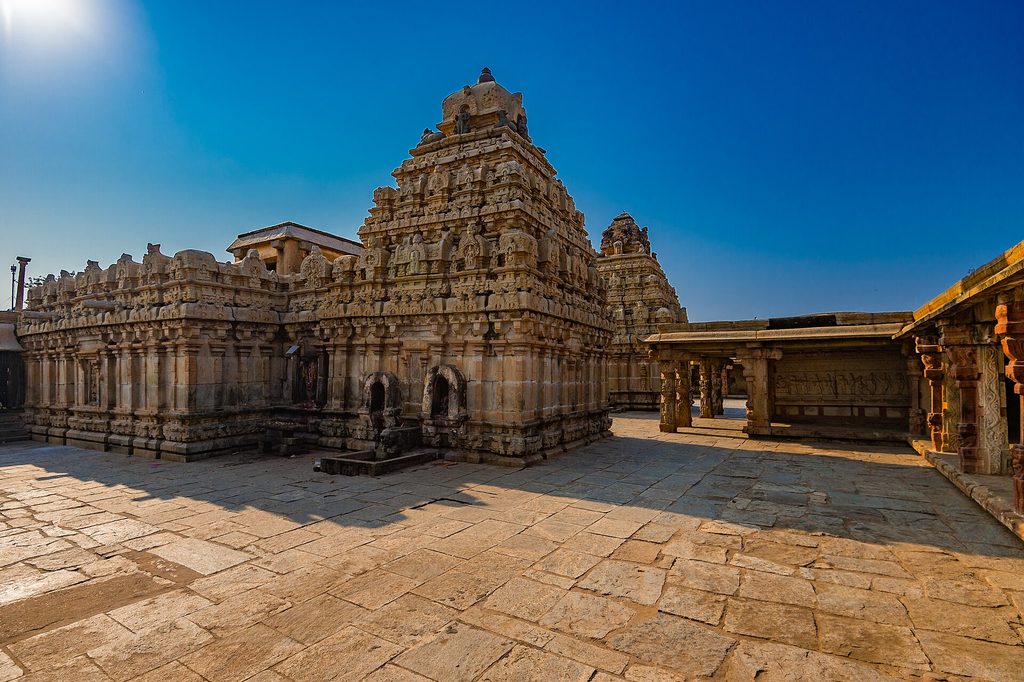
Adiyogi at Sadhguru Sannidhi: a daytime visit or evening finish
The 112-foot Adiyogi statue stands at Sadhguru Sannidhi in Chikkaballapur district. This is the Karnataka location; the similar statue at the Isha Yoga Center in Coimbatore is a different destination. Use the centre’s full name when searching for directions or photographs.
You can visit during the day to see the grounds and spend time around Adiyogi, or organise your outing around the evening Adiyogi Divya Darshanam projection. The official Adiyogi visitor page lists visiting hours of 6 am–8 pm.
Check the show time directly: that page lists 7 pm, while the Sadhguru Sannidhi Bengaluru page lists 7:20 pm. Confirm the day’s schedule with the centre before setting your return time. Arriving around 5:30–6 pm is a useful planning allowance for an evening visit, subject to traffic and event arrangements. The published contact number is 080-47103311.
Traveller guides, including Melange of Tales, report free general access. Check current parking charges and distinguish an ordinary visit from optional offerings or paid programmes; “free entry” does not mean every activity is free.
Keep a meal and toilet break in the plan, particularly with children. The outdoor grounds can involve more walking than expected, and an evening visit includes the drive home after dark. Follow instructions about footwear, photographs and individual consecrated spaces. Ask the centre about suitable drop-off points and accessible routes if anyone in your group needs assistance.
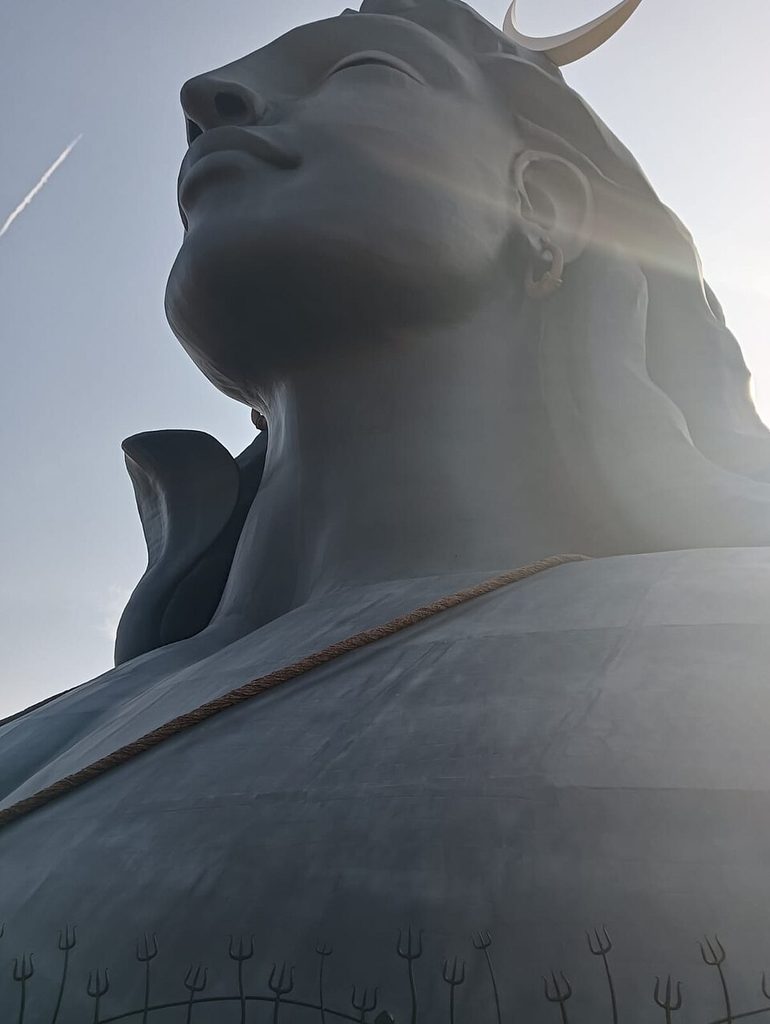
Muddenahalli: an introduction to Visvesvaraya’s life
Muddenahalli is the birthplace of Sir M. Visvesvaraya, the engineer and statesman closely associated with Karnataka’s development. The district tourism website lists his house and memorial among the area’s heritage attractions. This stop adds a different subject to a day otherwise centred on hills and temples.
The official Muddenahalli page places the village approximately seven kilometres from Chikkaballapur, although its own transport text also mentions five kilometres. Use the actual memorial entrance as your destination instead of relying on a single village-distance figure.
Check which museum and memorial areas are open before adding the visit to a tight itinerary. The official page does not provide a complete current schedule or admission tariff. A map pin can identify the village while giving you no information about access to the house itself.
With school-age children, make the visit about one question: how does an engineer change people’s everyday lives? Discuss bridges, water supply or public buildings, then connect that idea with any information displayed at the memorial. This gives the stop a purpose without turning it into a long history lesson.
Allow roughly an hour if the relevant areas are accessible. If your group has already spent a busy morning on the hill, keep Muddenahalli optional. A confirmed opening time helps you decide whether to make the detour.
Rangasthala: a shorter temple stop near town
Rangasthala, also written as Rangastala, is known for its Ranganatha temple on the road from Chikkaballapur towards Gauribidanur. The district administration describes the temple as dedicated to Vishnu and built in the Vijayanagara style.
It is worth considering if your interest is temple architecture and worship rather than a second hill. The visit can fit a town-side outing with Muddenahalli, or become the main heritage stop when you want a shorter day. Check the driving route before adding it to a Nandi circuit; a modest-looking detour still requires travel and parking time.
Allow time to see the temple respectfully and follow the priest’s or caretaker’s instructions. Ask before photographing the deity or restricted interiors. Regular worship, festivals and temporary closures can affect what visitors can see at a particular hour.
Published distance figures and spellings vary, so use “Sri Ranganatha Swamy Temple, Rangasthala, Chikkaballapur” in your map search. Do not rely on a generic “Ranganatha Temple” result, which may point to another town. Confirm access locally if the temple is the main reason for your trip.
Avalabetta: hill scenery with an uphill approach
Avalabetta is a separate hill outing in the wider district, known for its rocky landscape and Narasimha temple. It suits travellers who want hill views and some walking while avoiding a full Skandagiri-style trekking day. It still needs its own time allowance.
Karnataka Explore, an independent destination guide, places it around 34 kilometres from Chikkaballapur town. Check the current road route and permitted parking point before leaving; the walking required depends on where vehicles are allowed to stop.
The projecting rock ledge seen in social media photographs should not be the purpose of your trip. Visitor reports have described restricted access there. Follow barriers and local instructions, and enjoy the views from permitted areas. Do not cross a closure because an older photograph shows someone standing beyond it.
Bring water and shoes with grip. On hot days, start early enough to avoid doing most of the ascent in the afternoon. With children, choose a route you can comfortably reverse and turn back if the surface or weather makes the climb unsuitable.
Avalabetta is better planned as the main hill stop of a northern district outing. Pairing it with Gudibande may work after checking the route and each traveller’s stamina. Adding both to Nandi Hills and an evening Adiyogi visit usually leaves too little room for meals, walking and the return journey.
Gudibande Fort: history, steps and broad countryside views
Gudibande Fort offers a climb through surviving gateways, walls and rocky sections. Karnataka Tourism’s Gudibande guide identifies it as a seventeenth-century fort built by Byre Gowda and notes its rainwater-harvesting ponds.
The changing views as you climb are part of the visit. Stop to look at the fort layout and the landscape below rather than treating the summit as the only worthwhile point. The water-storage features also provide a useful way to understand how a hill fort supported people during periods of limited supply.
Allow two to three hours for a relaxed visit, including pauses and the descent. This is a planning estimate, not a guaranteed completion time. The combination of steps, rock and exposure can feel more demanding in heat or after rain.
Carry water and food before starting. The official tourism page cautions that facilities near the attraction are limited. Use established approaches, stay away from open edges and keep children beside you near ponds or broken structures. Visitors with limited mobility should assess the climb before committing to it; a fort described as suitable for families can still involve difficult steps.
Gudibande belongs in a dedicated northern route or a second day.
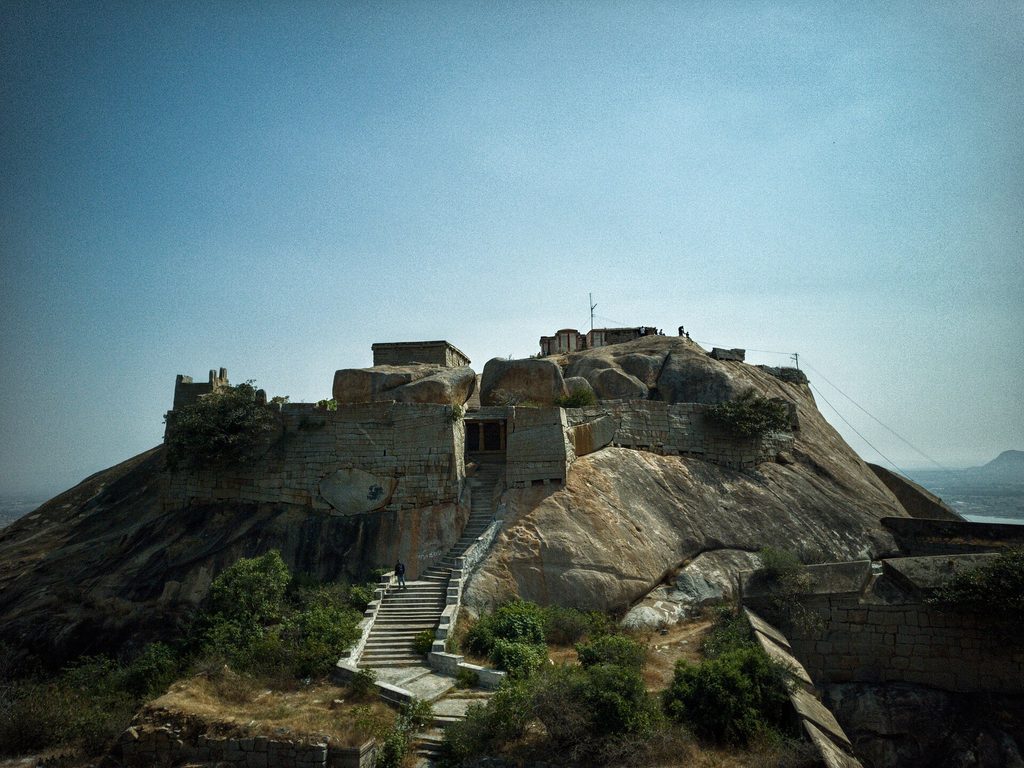
Kaivara: a separate temple and pilgrimage outing
Kaivara, also written as Kaiwara, is an eastern district destination with temples and associations with Yogi Narayana. The official district guide lists Amaranarayana and Bhimeshwara temples and the Yogi Narayana ashram among its religious places.
Local traditions connect Kaivara with episodes from the Mahabharata. Treat those accounts as religious tradition rather than established archaeological history. They help explain the significance of the places visitors see today.
Plan Kaivara as its own outing when your main interest is pilgrimage or temple heritage. Choose two or three specific stops and check their worship schedules. Avoid assuming that all temples, gardens and other facilities described in older guides will be operating to the same timetable.
For a family visit, include lunch and keep the walking appropriate to the group. If you want to add a nearby hill, check its current access rules separately. A temple outing and a trek may involve different permissions, parking arrangements and levels of effort.
Kaivara can be worthwhile without being part of every first-time Chikkaballapur itinerary. Its location means that combining it with a full Nandi Hills morning and the evening Adiyogi show creates unnecessary driving. Give the eastern district a separate day so you can spend time at the places that brought you there.
3. A practical one-day itinerary from Bangalore
Option A: Nandi Hills, temple and a daytime Adiyogi visit
This is the most straightforward first sightseeing circuit for travellers with a car or prearranged taxi. The following blocks are suggested allowances. Departure and return times depend on your Bengaluru neighbourhood, traffic, gate access and the pace of your group.
| Part of the day | Suggested plan | Allowance / decision |
|---|---|---|
| Early morning | Travel to Nandi Hills | Aim for permitted opening; check the day’s sunrise separately |
| Morning | Hill views, a manageable walk and hilltop temple | About 2–3 hours, including parking-to-path time |
| Late morning | Breakfast and Bhoga Nandeeshwara Temple | About 1.5–2 hours together |
| Midday | Muddenahalli, if open and everyone wants the stop | About an hour; optional |
| Early afternoon | Lunch and a proper rest | Protect this break instead of adding another attraction |
| Afternoon | Adiyogi grounds | About 1–2 hours, excluding the drive there |
| Afterwards | Return to Bengaluru | Follow live traffic and the driver’s comfort |
Suggested route: Bengaluru → Nandi Hills → Bhoga Nandeeshwara Temple → optional Muddenahalli → Adiyogi at Sadhguru Sannidhi → Bengaluru.
Open a Google Maps route query for this circuit. Confirm each destination and entry point before starting; remove Muddenahalli if you are skipping it. This is a place-name directions query, not a guaranteed route or travel-time estimate.
Option B: a later start and an evening at Adiyogi
For families who do not want a predawn departure, choose Bhoga Nandeeshwara Temple, lunch and Adiyogi. You can add a daytime Nandi Hills visit if access is confirmed and the group has enough time and energy, but three main stops are not essential.
Aim to arrive at the Sannidhi with time to walk around before the confirmed show. An evening visit can be a pleasant finish, but it also means a later meal and a drive home after dark. Pack what children need for that return, and agree with the driver that the booking covers the full evening.
If you include Nandi Hills, visit it well before the more conservative published 6 pm closing time. Do not use an uncertain closing time as a reason to squeeze in a late ascent. When the day starts running behind, drop the optional stop and keep the evening plan comfortable.
Option C: Skandagiri with one short heritage stop
Book the trek first, then plan transport around the authorised reporting slot. Carry breakfast or arrange it after the descent. Allow recovery time before deciding whether to visit Bhoga Nandeeshwara Temple or Muddenahalli.
Leave Nandi Hills, Gudibande and Avalabetta for another day. There is little benefit in making a second climb compulsory after several hours on Skandagiri. Anyone who has been awake since the middle of the night should also consider whether the driver needs rest before the journey home.
What if you have two days?
Use the first day for the Nandi circuit and the second for either Avalabetta and Gudibande, or Kaivara. Pick between a northern hill-and-fort outing and eastern temple visits. A second day gives each route enough time.
Leave an optional stop genuinely optional. Traffic, delayed meals or a child needing a break should be enough reason to skip it. The most useful itinerary is one that still works when the morning takes longer than expected.
4. Best time to visit Chikkaballapur and how to get there
Weather: match the season to your main activity
October to February is a practical starting choice for sightseeing and hill walks, with generally more comfortable conditions than hot afternoons. The official Nandi Hills guides recommend the cooler part of the year. Check the local forecast close to departure, especially if a trek or sunrise view is your main purpose.
| Season | How to plan |
|---|---|
| October–February | Carry a light layer for early hill visits; allow for mist and busy holiday dates |
| March–May | Put climbs and exposed walks early in the day; take a proper midday break |
| June–September | Check rain, visibility and trail access; keep a temple-focused alternative |
Monsoon greenery can be appealing, but wet rock changes the effort and risk of a walk. A clear forecast for Bengaluru does not necessarily describe conditions at a hilltop. Check the attraction area and follow any local closures.
Low cloud may obscure the sunrise completely. Choose a suitable forecast if sunrise is essential; landscape and temple visits allow more flexibility.
Bangalore to Chikkaballapur distance and road route
The town is commonly described as roughly 60 kilometres from Bengaluru, but the distance from your home and the distance to a particular attraction can differ considerably. Nandi Hills, Adiyogi and Gudibande are not interchangeable destinations.
For many Bengaluru starting points, the main approach is towards Hebbal and Devanahalli on the airport / Hyderabad highway corridor, with local turn-offs for the chosen attraction. Confirm the exact route from your neighbourhood. Cross-city traffic can take longer than the final rural stretch.
For budgeting, a multi-stop return circuit may cover around 160–220 kilometres. This is an illustrative planning range, not a measured route for every traveller. Build your selected circuit in a map before agreeing to a taxi’s kilometre allowance.
By car or taxi
A car or prearranged taxi makes a multi-stop outing easier because you can control departure, meal breaks and the return. Confirm the permitted hill parking and vehicle approach rather than assuming the car can reach every entrance.
Before booking a taxi, ask about included kilometres, total hours, tolls, parking, waiting and late-return charges. An eight-hour package may not cover an early hill visit followed by an evening show. Share the whole proposed route with the operator so the quote reflects the day you intend to take.
By bus
Government buses connect Bengaluru and Chikkaballapur. The official KSRTC division timetable lists the corridor, while the district transport directory provides local contacts. Verify current departures and your boarding point before leaving.
The difficult part can be the onward journey between attractions. A bus to town does not automatically solve transport to a hill entrance or the late return from Adiyogi. For a bus-based day, choose fewer stops and arrange the final connection in advance. The official Isha page also describes bus links between the town and Sadhguru Sannidhi; check the day’s service locally.
By train or from Bengaluru airport
Chikkaballapur has a railway station. Use Indian Railways’ National Train Enquiry System to check services for your date, including the return. Do not assume that a train arrival will match a predawn trekking slot. Arrange the ride from the station to the attraction separately.
Kempegowda International Airport is the nearest major airport, but onward distances vary by stop. If you are arriving by flight, allow for baggage collection, road travel and luggage storage. Add a nearby attraction only when those timings make sense; a hill visit should not put your next flight at risk.
5. Trip costs, food, stays and family travel tips
How much should you budget for a day trip?
Transport usually makes the biggest difference to the total. Sharing a car, using buses or hiring a taxi produces very different costs. Use the table as a planning worksheet rather than a current tariff list.
| Expense | Illustrative allowance | What to confirm |
|---|---|---|
| Fuel for your own car | Approximately ₹1,100–₹1,600 for a 160–220 km circuit under the assumptions below | Actual route, mileage and pump price |
| Food | ₹350–₹700 per person for a simple breakfast, lunch and snacks | Restaurant choice and meals already included |
| Tolls and parking | Keep ₹300–₹700 as a provisional vehicle allowance | Actual route and attraction charges |
| Entry fees | Add each selected attraction separately | Current counter or operator information |
| Skandagiri permit | Tourism page lists ₹250 per person | Live booking amount and package inclusions |
| Taxi | Obtain a written quote for the whole circuit | Hours, kilometres, tolls, parking and extra charges |
The fuel example assumes approximately 15 km per litre and ₹105 per litre purely for calculation; it is not a quoted petrol price. For a 180-kilometre circuit, 180 ÷ 15 × 105 gives ₹1,260. Substitute your own mileage and current fuel price to make the estimate useful.
For two adults in their own car, those allowances suggest roughly ₹2,100–₹3,700 for fuel, simple meals, tolls and parking, before entry fees or trekking permits. Four people can share the vehicle costs, while food and permits increase with the group. These are planning estimates, not package prices.
Meals, water and breaks
Eat before a long climb or carry suitable food for afterwards. Keep water with you instead of relying on a shop at a trail or fort entrance. In hot weather, protect a midday break rather than spending it on another exposed walk.
For a family outing, breakfast and lunch are part of the itinerary. Pick a convenient place with toilets and manageable parking. Carry familiar snacks for children, and keep a small reserve in case the next meal takes longer than planned. Pack food away around monkeys and take your rubbish back with you.
Travelling with children or older relatives
A relaxed temple-and-Adiyogi plan is easier to adapt than two hill climbs. Nandi Hills can also work if the current parking-to-viewpoint walk suits your group. Ask about the actual route, steps and drop-off point instead of relying on a general “family-friendly” description.
Keep children beside you near viewpoints, ponds, fort walls and vehicle approaches. Choose one activity they can engage with: noticing temple carvings, identifying shapes in the landscape, or discussing engineering at Muddenahalli. Let a break or an early return remain a reasonable choice.
Accessible toilets, ramps and short walking routes should be confirmed with each venue when needed. A drive-up attraction can still involve steps after parking. Give the organiser or operator the specific requirement so they can advise on an entrance or drop-off that works.
Should you stay overnight?
An overnight stay is useful when an evening show and a next-day trek would otherwise mean too little rest. Choose your stay according to the following morning’s starting point, not simply a “near Nandi Hills” label.
Check the driving distance to the correct gate, early checkout arrangements and meal availability. Families should also confirm room capacity and bed arrangements. If a resort advertises children’s activities or a pool, verify access and timings before treating those facilities as part of the trip.
Waterfalls and lakes: optional, condition-dependent detours
Some Chikkaballapur travel lists include seasonal waterfalls and reservoirs. They need more checking than a familiar temple stop. Confirm the exact place, recent water conditions and lawful public access before going. Do not assume similarly named falls in different guides refer to the same approach.
The district website lists Jakkalamadagu as a drinking-water source for town and also identifies Srinivasa Sagara lake. Their appearance on a tourism page does not mean swimming, walking on a spillway or entering restricted infrastructure is permitted. Use authorised public areas and follow local notices.
Keep a water stop optional. If there is no confirmed public approach or the weather is unsuitable, continue with the main route.
6. Frequently asked questions
What are the best places to visit in Chikkaballapur in one day?
Nandi Hills, Bhoga Nandeeshwara Temple and Adiyogi make a practical first sightseeing circuit. Add Muddenahalli if access is confirmed and the day allows it. For a trek, choose Skandagiri as your main activity and limit additional stops. Gudibande, Avalabetta and Kaivara are better planned as separate outings.
Can Nandi Hills and Adiyogi be visited on the same day?
Yes, with private or prearranged transport and enough time for meals and the drive between them. Visit Nandi Hills earlier and Adiyogi later. If you want the evening projection show, confirm its time directly with the centre and allow for a late return to Bengaluru.
Which temples should you visit in Chikkaballapur?
Start with Bhoga Nandeeshwara Temple in Nandi village and Yoga Nandeeshwara Temple on Nandi Hills. Rangasthala’s Ranganatha temple is another town-side option. For a separate eastern district outing, consider Kaivara’s religious sites. Check worship hours, photography rules and access at each place.
What is the best time to visit Chikkaballapur?
October to February is a useful choice for sightseeing and hill walks. Start exposed climbs early during hotter months. In the monsoon, check the forecast and current trail access before leaving. Sunrise visibility depends on that morning’s conditions, so clear views should never be assumed.
How do you plan a Chikkaballapur day trip from Bangalore?
Choose one route group and two or three main stops, confirm any trek permit, and check opening hours and transport before departure. Include breakfast, lunch, rest and a realistic return. With public transport, arrange onward connections and choose fewer attractions. Keep one optional stop that you can easily drop.
7. Plan a Chikkaballapur day you can enjoy
Chikkaballapur offers hill views, temple architecture, trekking and heritage within reach of Bengaluru. The best visit starts with a clear choice: a sightseeing circuit, a relaxed spiritual outing or a dedicated trek. Keep the wider district’s forts and eastern temples for a route that gives them enough time.
Choose your two or three main stops, open the route, and confirm access before leaving. If Nandi Hills is your priority, read the detailed Nandi Hills travel guide next so you can plan the gate, parking and sunrise arrangements around your actual travel date.


