
Jungle Safari in India: How to Choose, Book and Enjoy Your First Family Trip
You have found a park, a hotel and a photo of a tiger. Then the questions begin. Is the safari suitable for a seven-year-old? Does the ticket include a jeep? If the resort says it is “near the park”, near which gate? And will a three-hour drive feel like three hours to a child who got up before sunrise?
A good jungle safari starts with those questions, not with a promise of a tiger sighting. India’s protected areas offer very different experiences: dry forest in Rajasthan, meadows in Madhya Pradesh, river country in Uttarakhand, rhino habitat in Assam and lion country in Gujarat. Some work well as a short break; others deserve a longer journey. The right choice depends on your family, the season and the permit you can actually get.
This guide explains how to choose a park, read a safari booking, work out the full price and prepare children for a real wildlife drive. It also gives you a practical plan for what to do if the forest stays quiet. That happens, and the trip can still be wonderful.
What is a jungle safari, and what should you expect?
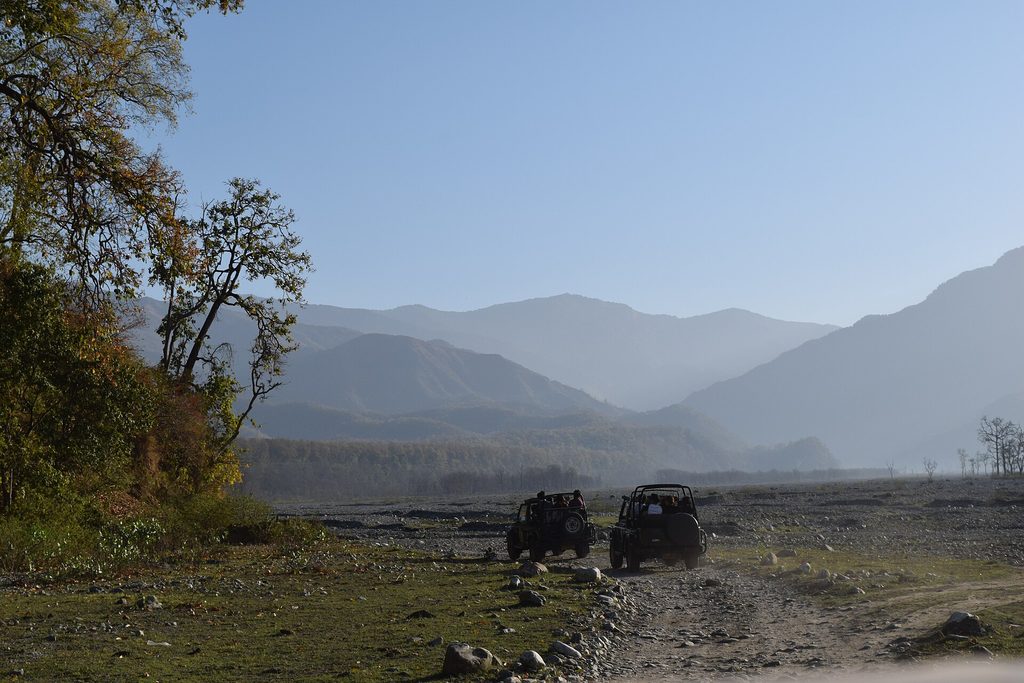
A jungle safari is a permitted, guided visit to a protected wildlife area on a designated route. In many Indian tiger reserves, that means travelling in an authorised open jeep, often called a gypsy, or in a larger shared vehicle. Other places offer different approved formats, such as a boat ride or a designated nature trail. Access is controlled by the park, and a permit normally fixes your date, entry gate, zone and morning or afternoon slot.
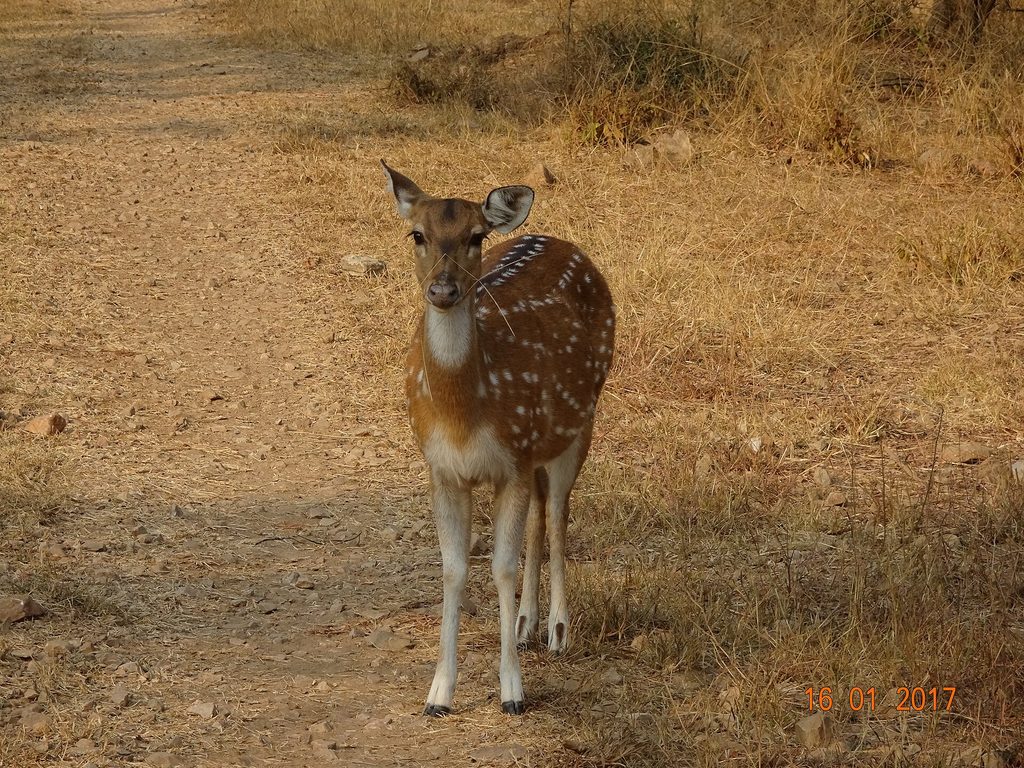
The guide and driver do much more than take you to a viewpoint. They watch for movement, identify birds and animal calls, keep the vehicle within the allowed route and follow the reserve’s rules. You might spend ten minutes watching a sambar deer listen to the forest, drive past fresh tracks, or stop because langurs have sounded an alarm. You might see a tiger. You might not.
That uncertainty is the point of wild habitat. No responsible operator can guarantee a free-ranging animal will appear. A park’s tiger population is not the same thing as your chance of seeing one on one route at one time. Weather, vegetation, animal movement and the route assigned to your vehicle all matter. If a booking page promises a tiger, ask exactly what it is selling.
Jeep, canter or another safari format?
A private jeep safari usually gives your group the vehicle, subject to park capacity rules. It is often a comfortable choice for a family that needs space for children, warm layers and binoculars. Private does not mean that you can change the park’s route, extend the drive or ask the driver to chase an animal. The guide and driver remain part of the vehicle’s authorised crew.
A shared jeep or canter can reduce the per-person cost. The trade-off is less control over other passengers’ conversation, where your child sits and how easily you can respond if someone feels cold or restless. Ask whether every child needs a booked seat and whether the quoted price is for a person, a seat or the entire vehicle. Corbett, for example, publishes separate conditions for gypsy and canter bookings on its official pricing page.
A national park safari is also different from a wildlife show, an enclosure drive or a zoo visit. All can have value, particularly for very young children, but they set different expectations. If your family wants a gentle introduction to nature, an interpretation centre, a guided birding activity outside a core reserve or a regulated shorter drive may be a better first outing than a long, bumpy tiger safari.
What a typical drive feels like
Plan for an early start or a late-afternoon outing, plus travel to the gate, identity checks, vehicle assignment and waiting time. The drive itself can occupy much of a morning or afternoon; exact jungle safari timings change with the park, zone and season. Open vehicles feel cold at dawn in winter and hot in late spring. Forest roads can be dusty and uneven. Facilities may be limited once you enter.
Think of the visit as several small parts: a pre-dawn transfer, the gate formalities, the forest drive and the journey back. For a child, the whole outing matters more than the advertised duration inside the park. A lodge that is 45 minutes from your assigned gate can turn an otherwise manageable safari into an exhausting morning.
Which jungle safari in India fits your family?
There is no single best jungle safari in India for everyone. Start with three questions: What would your family love to see even if there is no tiger? How long can everyone comfortably travel? Can you secure a suitable permit in the season you want? The table is a starting point, not a sighting forecast.
| Park or landscape | A reason to choose it | Practical family question to ask |
|---|---|---|
| Sariska, Rajasthan | A Rajasthan forest break that can fit a Jaipur-based family trip | Is your stay near the Sariska or Tehla gate named on your permit? |
| Ranthambore, Rajasthan | Dry forest, lakes, wildlife and fort scenery | Can your child manage the park transfer and a full morning or afternoon drive? |
| Corbett, Uttarakhand | Varied river and forest habitat, with a route often planned through Ramnagar | Which tourism zone and entry gate did you actually book? |
| Pench or Kanha, Madhya Pradesh | A longer Central Indian forest holiday; Kanha is especially rewarding for barasingha and meadows | Have you allowed a rest day around the travel and safari slots? |
| Tadoba, Maharashtra | Multiple core and buffer gates and a strong choice for a dedicated forest trip | Which gate, child policy and full vehicle cost apply? |
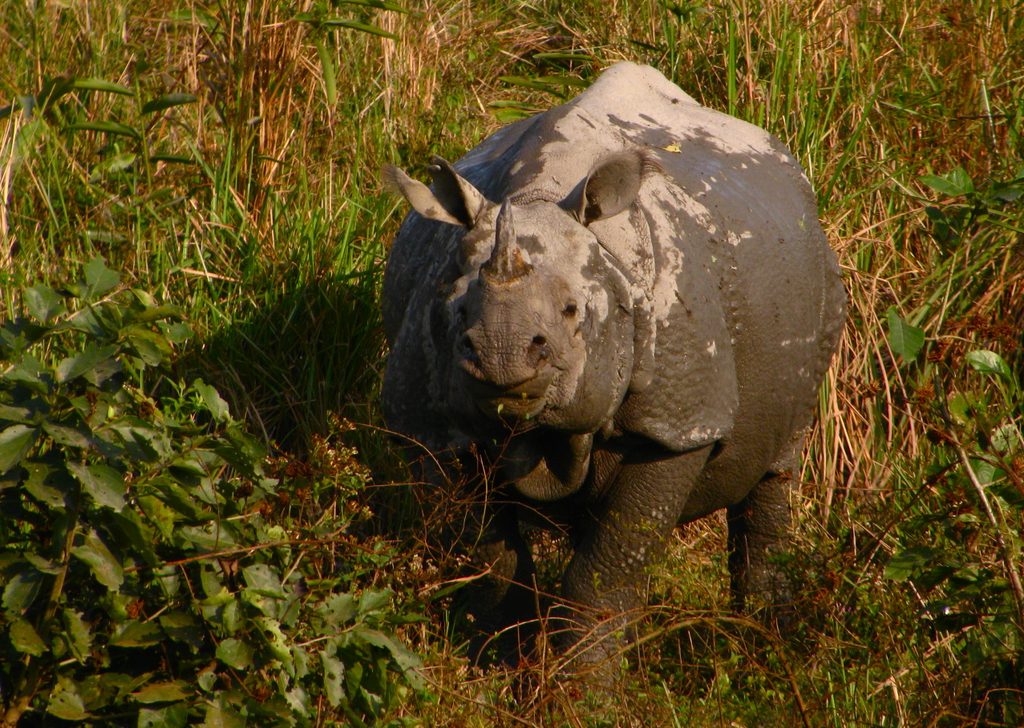
| Kaziranga, Assam | One-horned rhinos, grasslands and a wider range of wildlife to look for | Is the chosen range open on your travel dates? |
| Gir, Gujarat | Asiatic lion habitat and a distinct dry-forest experience | Is the Gir Jungle Trail open, and does your price include vehicle and guide? |
Rajasthan: Sariska for proximity, Ranthambore for a longer break
For families in Jaipur, Sariska makes sense when travel time is the deciding factor. Rajasthan Tourism describes it as roughly 107 km from Jaipur and says safari vehicles can be hired at the Sariska and Tehla entry gates. The distance is a guide to planning, not a promise about road time. Add your home-to-gate drive, any breaks and the safari itself before calling it an easy day trip. With younger children, an overnight stay can make the morning more enjoyable.
Ranthambore, approached through Sawai Madhopur, suits families who want wildlife together with Rajasthan’s lakes, fort landscape and a longer getaway. Rajasthan Tourism says the park is generally open from October to June. The exact available zone and dates still need a current permit check. A Jaipur family choosing between Sariska and Ranthambore might ask: do we want one straightforward forest outing close to home, or two nights away with time for more than one drive?
Jaipur itself offers a different introduction. Rajasthan Tourism lists Jhalana Safari Park as a local leopard safari. It can be useful for a first wildlife outing when an out-of-town trip is not possible. Treat it as its own experience rather than assuming the same rules, landscape or animal encounters as a tiger reserve.
Corbett: choose the zone, not just the park name
Corbett works well for families planning a trip from the Delhi region, but “Corbett safari” is not one interchangeable ticket. The reserve has different tourism zones, entry points and seasonal operating periods. Its official booking process and pricing and zone page are the right places to check what your selected visit includes. A hotel in the wider Corbett area is not automatically close to the gate on your permit.
Before paying for a room, send the hotel your safari zone and gate and ask for an honest gate-transfer estimate at the time you must report. If you plan a stay inside the reserve or a Dhikala visit, check the appropriate product: the official site says Dhikala day visits use a canter or require an overnight stay arrangement, rather than an ordinary day gypsy permit. That one detail can change an entire itinerary.
<!– Internal link opportunity: Delhi to Jim Corbett distance by road guide and an up-to-date Corbett family tour page. –>
Central India: Pench, Kanha, Tadoba and Bandhavgarh
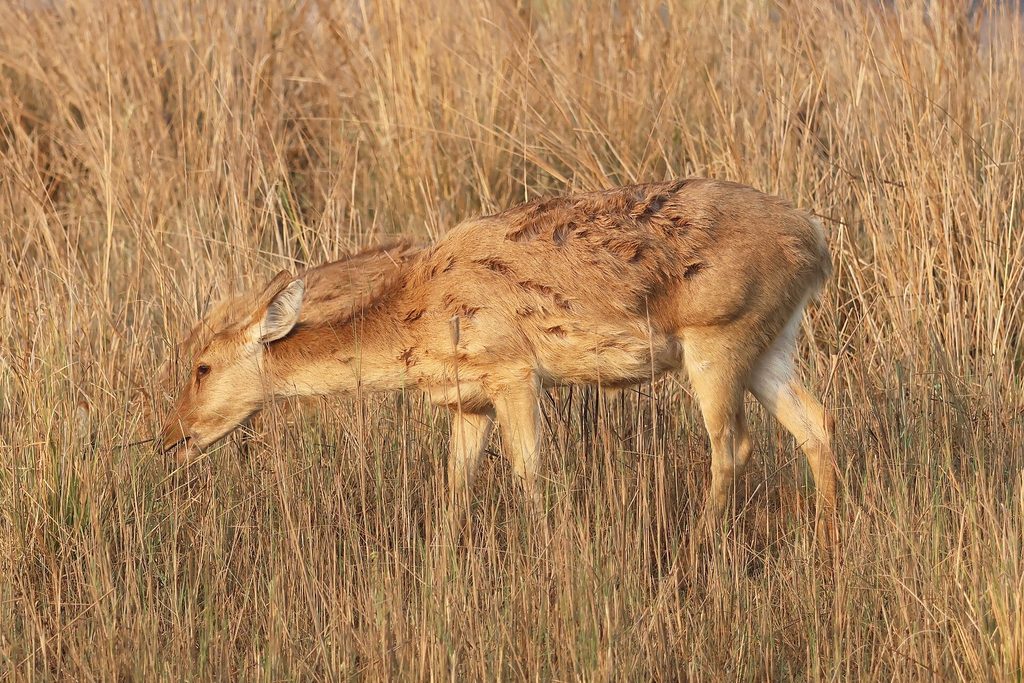
Pench can make a practical wildlife break for families travelling via Nagpur. Kanha is worth considering when children would enjoy open meadows and the story of the hard-ground barasingha alongside the possibility of tigers. Madhya Pradesh Tourism also describes Kanha as a family holiday destination. Bandhavgarh attracts visitors interested in a tiger-focused Central Indian trip, while Tadoba offers a choice of core and buffer gates. None of these descriptions means that a particular animal will appear on your drive.
The most important booking detail here is often the gate. Large reserves do not operate like one entrance to a city park. Pench spans a state boundary, and a permit for a particular state’s gate needs matching accommodation and transfers. For Madhya Pradesh parks, the forest department’s booking portal shows permits, park closures and entry-time notices. It explicitly says the online permit does not include the mandatory guide and vehicle charges, which are collected separately. For Tadoba, check the reserve’s own booking and visitor rules, including current child and vehicle conditions.
If your family has travelled a long way to reach Central India, build in time to recover. Two unhurried mornings may be better than arriving after a long road trip, squeezing in an afternoon safari and leaving before breakfast the next day. You are paying for access to a living forest; give yourselves enough energy to notice it.
Kaziranga and Gir: a different answer to “what will we see?”
Kaziranga is an excellent choice when your child is fascinated by rhinos, elephants, birds and wide grassland. Assam’s district tourism information describes its one-horned rhinoceros habitat and a general November to April visitor season. Conditions can shift with rain and flooding, so verify the operating range and date close to booking. This is a wildlife safari in India that does not need to be judged by tiger sightings.
Gir offers the chance to experience Asiatic lion habitat in Gujarat. Gujarat Tourism lists the Gir National Park closure from 16 June to 15 October; confirm the specific safari product and date on the official Gir permit portal. The portal warns visitors about sites claiming to sell confirmed permits at premium prices. A fenced safari park and a permit for the wild Gir Jungle Trail are different products, so read the name on the booking before deciding what suits your family.
Best time for a jungle safari: choose comfort as well as sightings
For many first-time families, November to February offers a comfortable starting point: cooler days, time outdoors after the drive and a less punishing afternoon than peak summer. A winter morning in an open jeep can still be surprisingly cold. Pack a removable layer for each person, especially children who will sit still for long stretches.
March to early June can bring thinner vegetation and wildlife visiting water sources. That may improve visibility in some dry forests, but it also means stronger sun and uncomfortable heat. Madhya Pradesh Tourism’s safari planning guide makes this trade-off clear. If your child struggles in heat, a theoretically productive tiger month may be the wrong month for your family. Choose a cooler morning slot, carry enough water as permitted and build a quiet afternoon into the plan.
Monsoon planning requires a park-specific check. Many core safari routes close in the rainy season, while some buffer areas or other experiences may operate under different rules. Avoid the blanket claim that every forest in India opens on the same October date. Maharashtra, Rajasthan, Madhya Pradesh, Uttarakhand, Assam and Gujarat publish their own notices, sometimes with zone-specific dates. The latest permit calendar is more reliable than a travel article written months earlier.
School holidays add another layer: popular dates can fill early and rooms near a convenient gate may cost more. If you have flexibility, compare two neighbouring weekends and a weekday before choosing a park. Do not buy non-refundable travel on the assumption that a permit will appear later.
Morning or afternoon: what works with children?
Morning drives often mean cool air and a very early wake-up; afternoons can fit a toddler’s sleep better but may be hot in summer. There is no universal “morning guarantees animals” rule. Decide with the child’s routine and the park’s actual entry schedule in front of you. A well-rested child who enjoys looking for birds will often get more from a suitable afternoon slot than from a dawn slot after a sleepless night.
If you hope to do two drives in one day, ask how long the turnaround really is. By the time you return to the lodge, eat, wash off dust and travel back to the gate, the midday break can disappear. For many families, one safari per day leaves room for a swim, a nap, a book or a relaxed meal. Older children who love wildlife may happily choose more.
Jungle safari booking, timings and price: read the whole reservation
The safest way to plan jungle safari booking is to confirm the permit first, then match the stay and transport to its gate. If an operator or lodge books for you, ask for the same details in writing. A package confirmation is useful, but the actual permit terms govern access to the park.
- Pick a park and check its current season. Find the reserve or forest department’s official site through a government tourism page or the National Tiger Conservation Authority’s reserve directory. For Sariska and Ranthambore, start at the Rajasthan Forest Department’s safari booking page. Similar-sounding private websites may be travel businesses rather than permit authorities.
- Choose a date, slot, zone and gate. Check the weekly closure, vehicle type and how the chosen gate connects to your lodging. Some parks have separate core and buffer options. A buffer safari is still a genuine forest visit where permitted; do not assume its route or wildlife chances are identical to a core drive.
- Enter traveller details exactly as required. Have valid identity documents ready for adults and check the park’s current policy for children. Names and document numbers should match the permit. Ask the operator before paying if a family member’s details may change.
- Check what your payment covers. Permit, vehicle, driver, guide, taxes, portal charges and gate transfer may be separate line items. Ask for the final payable amount, not just the permit price.
- Save the confirmation and arrival instructions. Note the reporting point, reporting time, ID requirements, cancellation terms and contact for a weather-related change. Keep an offline copy in case mobile signal is weak near the gate.
The Madhya Pradesh official booking portal is a useful example of why these steps matter. Its 2026–27 notices display a 120-day general booking window, particular release times and a Wednesday half-day closure at Madhya Pradesh tiger reserves. It also says vehicle and guide charges are extra. These are Madhya Pradesh portal rules, not rules for every national park in India; check the live portal again before arranging travel.
What does a jungle safari cost?
There is no single jungle safari price in India. A posted permit charge may be only one part of the bill. Use this simple comparison when looking at a quote:
| Cost | What to check |
|---|---|
| Park entry or safari permit | Per person, per seat or per vehicle? Does nationality or a child’s age change it? |
| Authorised vehicle and driver | Included in the permit, paid at the gate or arranged by the lodge? |
| Guide or naturalist | Mandatory local guide included? Is an additional naturalist optional? |
| Taxes and portal fees | Shown in the first price or added at payment? |
| Gate transfers | Does “pickup included” mean from your hotel to the correct gate? |
| Stay and meals | Included in a jungle safari package or charged separately? |
| Cancellation | How much is refundable if a traveller changes plans or access is suspended? |
An example makes the distinction concrete. On the official Gir Jungle Trail tariff page, the listed weekday Indian permit for up to six people is ₹800, while a six-seat Category A safari vehicle is listed at ₹3,500 and a G1 guide at ₹500. That makes those three listed components ₹4,800 in total, before checking any applicable taxes, extras or changes at checkout. Calling it an “₹800 safari” would give a family the wrong budget. These figures are an illustration from the displayed tariff, not a standing quote for every date or a price for every park.
For two adults and two children, a private vehicle may look costly compared with four shared seats. Divide the all-in cost by the number actually travelling, then consider whether having your own group is worth it. If you will use a package, request an itemised quote and the name of the permit product. Do not pay extra because a seller implies it can guarantee a particular tiger, route or photograph.
The five booking questions worth sending to any operator
Copy these into a message before you pay: Which park, zone and gate are confirmed? What are the exact date and reporting time? Is the vehicle private or shared, and how many seats are booked for children? What is included in the total price? When will I receive the permit or verifiable booking reference?
If the answer is only “we will arrange a safari”, keep asking. A good travel organiser can simplify transfers, accommodation and permits. They cannot replace the park’s rules. When someone quotes a “jungle safari package”, check whether meals, road travel, park drives and cancellation protection are included. A low starting price can still be a fair offer, but only if you know what remains to pay.
Jungle safari with kids: make the day comfortable and safe
A family jungle safari does not need to become a test of how long a child can stay silent. Choose the trip around the youngest traveller’s needs, and then give them something to do besides waiting for a tiger.
Is your child ready for a long open-vehicle drive?
Age alone is a poor test. Ask whether the child can sit safely in a moving open vehicle, manage dust or temperature changes, follow a simple instruction from the guide and enjoy a few quiet stretches without leaving their seat. A curious eight-year-old may love every minute; another may find the road, the early alarm and the lack of a toilet break too much. Toddlers can sometimes travel on safaris where permitted, but an age-based ticket rule is not the same as a recommendation for comfort.
Call the park or operator about any minimum age, child seat policy and vehicle capacity. For example, Tadoba’s official visitor information gives specific conditions for children under eight; Corbett’s official site distinguishes gypsy capacity from canter seat rules for under-12s. These are examples of local conditions. Check the current rule for your actual park instead of assuming all Indian safaris treat children the same way.
For a first safari with a small child, consider one drive and a lodge near the confirmed gate. Ask whether the vehicle can return early if needed; do not assume that a private booking gives that freedom. Some park routes have fixed exit procedures. If a child becomes unwell or distressed, follow the guide’s instructions rather than trying to solve it by stepping out.
Pack for the jeep, not just the holiday
Take the booked IDs, a warm layer or sun hat for the season, closed shoes, reusable water bottles where allowed and a small bag that stays secure on bumpy roads. Carry prescribed medicines and any essentials you might need before returning to the gate. Check the park’s rules about food, plastic, cameras and mobile phones; rules differ and can change. Loose snacks may not be appropriate inside a reserve, and feeding wildlife is never part of the experience.
Binoculars can change the whole trip for a child. One pair shared between two people is enough to start. A small notebook works too: draw three bird shapes, record a deer’s alarm call or tick off different habitats. Leave room for a guide to correct a guess. A child who says “I spotted the first kingfisher” has taken part in the safari even if nobody sees a big cat.
Tell children in advance what the drive will be like: the jeep may bounce, adults may whisper when watching an animal and nobody can promise a tiger. Give each child a simple mission, such as finding three kinds of leaves, two birds and one animal track. The mission turns waiting into attention without turning the forest into a competition.
Keep wildlife, people and the forest safe
Stay seated unless your guide explicitly says you may get out in an authorised place. Keep hands inside the vehicle near animals. Do not ask the driver to block an animal’s path, follow it too closely or join a vehicle crowd for a photograph. Turn off music, avoid flash where prohibited and take litter back to the gate. The National Tiger Conservation Authority’s tourism guidance places wildlife protection and low-impact tourism at the centre of reserve management.
These rules can make a child’s day more interesting rather than less. Explain why the jeep waits quietly when a deer calls, why a leopard deserves room to move and why a good guide will sometimes leave a crowded spot. Respect is something a child can notice in action.
If a family member has limited mobility, motion sensitivity or a medical need, ask the park or organiser specific questions before buying a permit: vehicle entry height, road condition, time between authorised stops and whether accessible alternatives exist. Do not rely on a generic “family friendly” label. The exact gate and safari format will determine whether the outing is workable.
A simple two-night jungle safari plan that leaves breathing room
Here is a flexible plan for a family travelling from Jaipur to Sariska, from Delhi toward Corbett, or through Nagpur to a Central Indian park. The place changes; the rhythm remains useful. It assumes you have checked the park’s opening days and booked a suitable permit.
Day 1: arrive and settle in. Travel while the children are fresh. Check the next day’s reporting time and route to the gate with your host, charge devices where permitted and put permits and IDs in one bag. If you arrive early, do an easy activity outside the restricted forest: a short local walk with a legitimate guide, a visitor centre, or time at the property. Eat early. A late-night arrival before a dawn safari rarely feels like a holiday.
Day 2: one safari, then a real break. Leave enough time to reach the correct gate without hurrying. During the drive, take the guide’s lead and let the child pick something small to follow: bird calls, tracks or changes in the trees. After the safari, have breakfast or lunch and rest. If everyone still has energy, add a gentle, permitted activity near your stay. Do not book a second drive simply because two slots exist; book it because the family wants another forest session.
Day 3: choose the next step, then travel. If the first outing went well, a second safari in a different permitted slot can show the same landscape in another light. If the family is tired, sleep in and enjoy the stay. Leave a buffer before a train or flight. Park exit times, road conditions and family breaks make tight connections stressful.
For an older child who is genuinely keen on wildlife, a three-night trip gives room for two or three drives without filling every hour. For a first outing with a toddler, even one safari can be plenty. Neither choice is a lesser holiday. The best plan is the one the family can enjoy all the way home.
What if you do not see a tiger?
Ask everyone to name a moment rather than a species: the sound of the first bird at the gate, a herd of deer crossing ahead, a guide pointing out fresh tracks, or the quiet after the engine stops. Look at photos together later and ask the child what they noticed first. If you want better chances of varied encounters on a future trip, consider another drive, another season or a park chosen for several animals. Do not describe an unseen tiger as a failed safari. Wild animals have not missed an appointment.
Jungle safari FAQs
Which jungle safari is best for families in India?
The best choice depends on where you live, your child’s comfort with long drives, the season and the wildlife they want to see. Jaipur families can compare Sariska and Ranthambore; families travelling via Delhi may look at Corbett; Kanha suits a longer forest break; Kaziranga suits children excited by rhinos. Confirm the gate and permit before choosing a hotel.
How much does a jungle safari cost in India?
Prices vary by park, date, nationality and whether you book a shared seat or an entire vehicle. Ask for a total that includes the permit, authorised vehicle, guide, taxes and transfer to the gate. Some official portals list those items separately, so the displayed entry price may not be the final cost.
Can I take a toddler on a jungle safari?
Possibly, if the chosen park permits it and your child can manage the vehicle, weather and length of the outing. Check child entry and seat rules with the reserve. For many toddlers, one suitable drive, a gate-side stay and a relaxed day work better than two long drives or a distant resort.
When should I book a jeep safari in India?
As soon as your travel dates are firm and the park’s official booking window opens, especially for school holidays and popular gates. Windows vary by reserve. Madhya Pradesh’s portal currently displays a 120-day general release rule, but you should not apply that number to Corbett, Gir or Rajasthan without checking their own systems.
What is the best time for a jungle safari in India?
For family comfort, the cooler months from roughly November to February are often a good starting point. Late spring can improve visibility in some dry forests but can be very hot. Monsoon closures, zone access and exact daily timings differ by park. Check the live permit calendar for your destination.
The best jungle safari is one you can book honestly and enjoy at your family’s pace. Choose the forest for more than its headline animal, confirm the exact gate and full cost, and prepare for both the excitement and the quiet stretches. If you are planning a first trip, compare one nearby park with one longer getaway, then read the destination-specific guide or ask a travel planner to check the current permits before you commit.


