

Family Tour in India: Best Places, Costs & Easy Itineraries for 2026
A holiday can look perfect until you notice the details: three hotel changes in five nights, a ferry before your flight home, and a package price that covers two adults but says little about the children. Suddenly, choosing where to go feels easier than working out whether the trip will actually suit your family.
A well-planned family tour in India starts with those details. The right destination should fit your available days, your children’s routines, the season and the amount of travelling everyone can comfortably manage.
This guide compares six useful destination choices, explains how to calculate the whole-family cost, and includes four-day and six-day itineraries you can adapt. You will also find practical ways to compare family tour packages, check hotel arrangements and avoid paying for a schedule that leaves everyone tired.
For a first family holiday, start with one main destination and three to five nights. Choose your dates and acceptable journey length before comparing hotels. Then request a total price for every traveller, with ages, beds, meals and transfers clearly stated.
1. Choose a family holiday around the people travelling
The best family tour packages are the ones that fit your household. A beach resort may work beautifully for a toddler who needs an afternoon nap. A teenager might prefer a city with food, photography and an activity they helped choose. Grandparents may value an easy room-to-restaurant route more than another sightseeing stop.
Before collecting quotes, agree on four things: your total budget, usable days at the destination, the longest comfortable transfer, and one experience each person wants.
Match the pace to your youngest traveller
Use this as a starting framework, then adjust for your family’s habits. These are planning suggestions, not minimum-age rules.
| Who is travelling? | What to prioritise | What to question in a proposed itinerary |
|---|---|---|
| Baby or toddler | One base, reliable meal arrangements, daytime transfers and space for naps | Repeated check-outs, late dinners and long excursions without an easy return |
| Children aged roughly 5–10 | One main activity followed by play or rest; a mix of outdoor and hands-on experiences | Back-to-back monuments, shopping stops and optional activities added to every day |
| Older children and teenagers | Some choice, a shared interest and time to explore it | An itinerary chosen entirely by adults or activities with unverified age restrictions |
| Grandparents or someone with limited mobility | Exact access information, convenient drop-off, suitable bathrooms and flexible pacing | Stairs hidden behind “centrally located,” distant parking and long standing queues |
A useful daily pattern is one main morning outing, an unhurried lunch and an optional later activity. Keep the optional part genuinely optional. Paying for five stops does not make visiting all five necessary.
Count the whole journey from home to hotel
A short flight can still involve an early airport departure, baggage collection and a long drive afterwards. Compare that complete journey with a direct train or a nearby road trip.
For a family leaving Jaipur, a local resort break and a holiday in the Andamans are different commitments even if both advertise four days. A Mumbai family considering Goa should compare flight times and hotel transfers with the actual road or rail alternative. For a Bengaluru family, check the final hill-road journey before treating a destination as a quick escape.
If reaching the hotel consumes most of day one, treat it as an arrival day. You will make a better decision with three usable holiday days written honestly than with four sightseeing days that never existed.
2. Where to go on a family tour in India
These six options cover heritage, beaches, backwaters and hills. The suggested stays are editorial starting points; seasonal windows come from the official tourism resources linked below. Your dates still need a current forecast and transport check.
| Destination | A good fit when your family wants… | Suggested stay | General planning window | Main trade-off |
|---|---|---|---|---|
| Jaipur | Forts, crafts and a manageable city break | 3 nights | October–March | Heat and walking at heritage sites |
| Kerala: Kochi and backwaters | Waterside stays, food and a slower two-base holiday | 5–6 nights | October–February for backwaters | Extra destinations add substantial transfer time |
| Goa | Beach time and a holiday built around the hotel | 4–5 nights | October–March | Sea conditions and travel between distant areas |
| Andaman: Sri Vijaya Puram and Swaraj Dweep | Island scenery and unhurried beach days | 5–6 nights | October–May | Ferries create additional booking dependencies |
| Shimla | A summer hill break with short local outings | 4–5 nights | April–June for milder-weather travel | Road access, walking and hotel drop-off arrangements |
| Ooty | Gardens, hill scenery and a possible railway experience | 4–5 nights | March–June | Winding approach roads and train availability |
Jaipur: a practical first heritage holiday
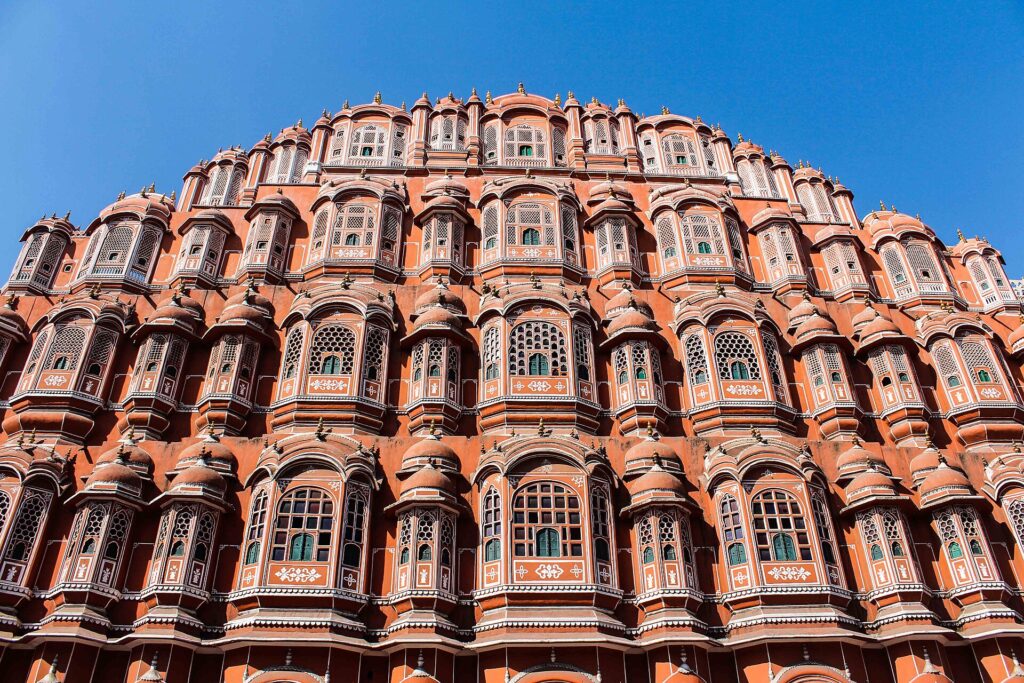
Jaipur suits a family that wants variety without changing hotels. Build the trip around Amber Fort, the old city and one activity where children can participate, such as a pre-booked craft session. Choose according to their interests rather than trying to visit every major monument.
For Rajasthan generally, RTDC recommends October to March and highlights the difficulty of sightseeing during the hotter April–June period. In warm weather, give the morning to your main outdoor visit and protect the middle of the day for lunch and rest. RTDC’s seasonal guidance.
Ask how much climbing a guided visit involves and where your vehicle can drop you. For grandparents, a shorter visit with somewhere comfortable to sit can be more enjoyable than a full fort circuit.
Kerala: choose two bases before adding a third
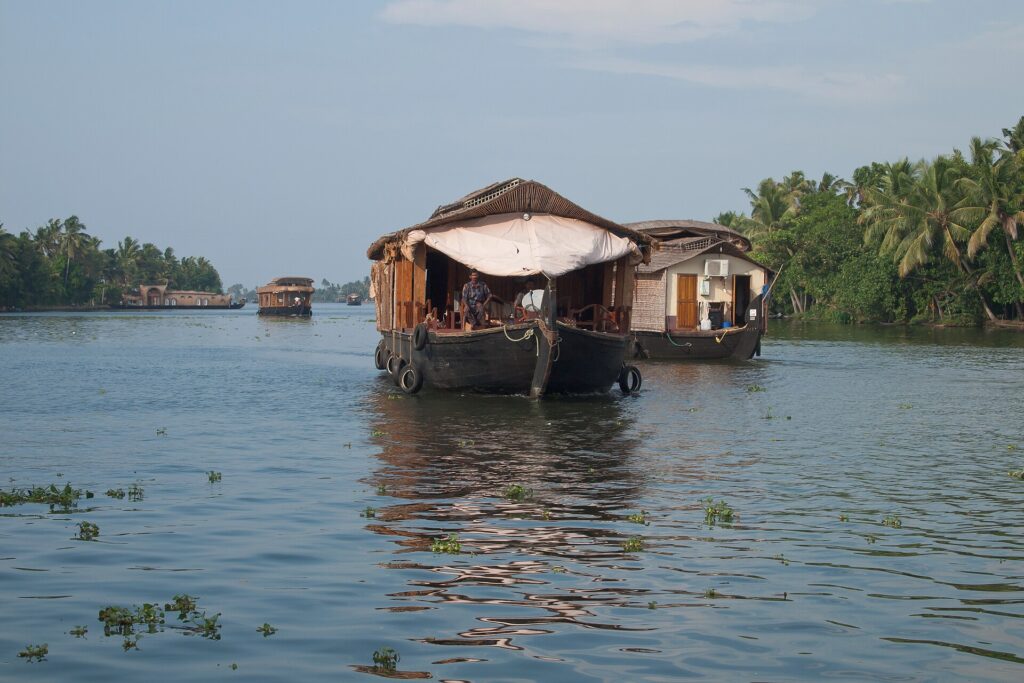
Kochi combined with Alappuzha or Kumarakom offers a useful structure for a slower family holiday. You can mix short outings with time at a waterside property. If Munnar is the main reason for travelling, give it enough nights and simplify the remaining route.
Kerala Tourism identifies October–February as a favourable backwater-cruise window. Its guidance also distinguishes the state’s tropical heat and monsoon rainfall from the experience of its hill stations. “Kerala weather” is therefore too broad a description for choosing a specific route. Kerala Tourism’s planning FAQ.
An overnight houseboat is a choice, not a requirement. A day cruise followed by a hotel stay may fit children who sleep better in a regular room. Before booking either, ask about boarding, railings, correctly fitting life jackets, meal timing, cruising hours and air-conditioning availability.
Goa: choose the hotel area before the sightseeing list
For families who mainly want beach walks, pool time and relaxed meals, the property’s location can matter more than the length of a sightseeing circuit. Pick one area and check the route between your hotel, restaurants and the beach you expect to use.
GTDC describes October–March as pleasant, April–May as hot and increasingly humid, and June–September as the main monsoon period. Goa can still be a holiday choice outside winter, but summer family tour packages should not be sold to you as a cool-weather escape. GTDC’s Goa weather guide.
Do not assume a popular beach is suitable for swimming on your visit. Follow the flags and lifeguards on the day. If the sea is unsuitable, your alternative should be a holiday everyone still wants: a comfortable stay, indoor activities, food and short outings.
Andaman: give the islands enough time
The Andamans reward families who are happy to spend time in fewer places. For five nights, Sri Vijaya Puram, formerly Port Blair, and Swaraj Dweep are a useful pairing. Adding another island means another transfer and another check-in. Official city-renaming announcement.
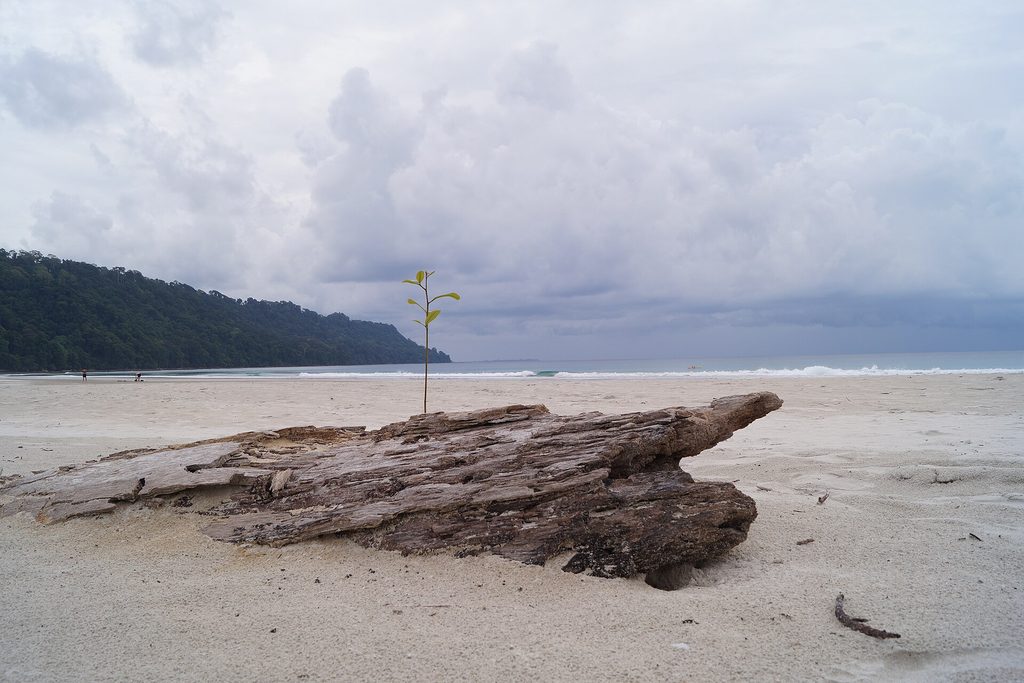
The official Radhanagar Beach guide identifies Swaraj Dweep as the former Havelock Island and suggests October–May, while noting rougher-water and travel-disruption concerns during the June–September monsoon. Treat that as broad planning guidance, not a promise that every sailing or water activity will operate. Andaman Tourism’s Radhanagar Beach guide.
For the sample itinerary below, the final night is back in Sri Vijaya Puram before the flight home. This is a planning preference that reduces reliance on a same-day ferry connection; it is not a mandatory entry or airline rule.
Shimla: a summer candidate with an access check
Incredible India recommends April–June for visitors seeking milder weather in Shimla. That makes it a sensible candidate for the summer school break, provided your family is comfortable with the journey and walking involved. Incredible India’s Shimla guide.
Check the exact route from vehicle drop-off to reception. The district administration describes a passenger lift between Cart Road and the Mall, but that does not establish step-free access to every hotel. Ask about remaining slopes, stairs and luggage assistance. Shimla District’s visitor information.
For a short holiday, consider staying around Shimla instead of automatically adding Manali. If rain could affect your dates, review current road and weather information through IMD Shimla before departure.
Ooty: protect the arrival day
Tamil Nadu Tourism recommends March–June for Ooty and describes its winding approach roads. It lists Coimbatore airport about 88 kilometres away and the railway route from Mettupalayam via Coonoor. The final journey needs its own place in your plan. Tamil Nadu Tourism’s Ooty guide.
Allow time for that transfer rather than scheduling an ambitious afternoon immediately after arrival. Across the following days, choose a garden visit, a short outing and hotel downtime according to the children’s interests.
If the mountain railway is a priority, confirm the actual service, tickets and onward transport before building a day around it. “Toy train included” should identify what has been reserved, not simply appear in the brochure.
3. Work out the family trip cost before comparing deals
A useful family trip cost is the total for your actual travellers, room arrangement, dates and route. Add accommodation, transport, food, activities and a contingency. Keep flights or trains from home visible as a separate line unless the quote explicitly includes them.
A per-person starting price is only a starting point. It may assume two paying adults sharing a room. Two children might need paid breakfasts, an extra bed, separate attraction tickets or a larger room. Another family’s total can therefore be a poor guide to yours.
A worked five-night budget for two adults and two children
The example below assumes children aged six and ten, five hotel nights and six calendar days. It is an illustrative planning calculation, not a live quote or an India-wide average. Every rate is a replaceable input.
It assumes one room is explicitly approved for all four guests with adequate bedding, breakfast is included, and the entered service prices include applicable charges. Flights or trains to the destination are excluded. This is a simple city-and-local-outings model; an island itinerary needs ferry costs added separately.
| Cost item | Assumed calculation | Family total |
|---|---|---|
| Approved family room with breakfast | ₹5,000 × 5 nights | ₹25,000 |
| Vehicle for three sightseeing days | ₹3,500 × 3 days | ₹10,500 |
| Arrival and departure transfers | Combined allowance | ₹3,000 |
| Other meals, snacks and drinks | ₹1,800 × 6 days | ₹10,800 |
| Admissions and activities | Combined allowance | ₹5,000 |
| Subtotal | Sum of the five items | ₹54,300 |
| Contingency | 10% of subtotal | ₹5,430 |
| Illustrative ground budget | Before travel from home | ₹59,730 |
The meal allowance is a deliberately simple family-level input, not a claim that every restaurant or resort will fit it. Replace it with the menus and meal plans of the properties you shortlist.
See which decision changes the total
Using the same model, a qualifying ₹3,000 room reduces the total, including the same 10% contingency method, to ₹48,730. A ₹9,000 room increases it to ₹81,730. Everything else stays fixed for this comparison.
If the hotel requires two rooms, rebuild the accommodation line. Do not add an arbitrary child surcharge to a room that cannot accommodate your group.
Likewise, if your actual combined return-flight quote is ₹32,000, adding it to the original ground example gives ₹91,730 before any extra flight-related expenses. The ₹32,000 is a hypothetical input, not an airfare offer.
Make affordable family tour packages work harder
For budget family tour packages, first reduce hotel changes, unnecessary vehicle days and paid activities nobody particularly wants. Compare the same dates and room setup across providers. A central property with suitable meals may be better value than a cheaper room that adds repeated taxi journeys.
For luxury family tour packages, decide what the upgrade buys your family: more space, confirmed connecting rooms, a private vehicle or flexibility. A higher star category alone does not answer those questions.
4. Compare family tour packages by what they actually include
Family holiday packages, family vacation packages and family travel packages are overlapping marketing terms. The useful distinction is how the trip operates and what your payment secures.
Fixed group, private or independently booked?
| Format | When it can work well | What to confirm |
|---|---|---|
| Fixed group tour | You want organised logistics, a tour leader and a shared schedule | Departure times, walking demands, free time, child eligibility and room allocation |
| Private or customized family tour packages | Your family needs control over stops, meal timing or rest | Which changes are included, vehicle hours and charges for changing the route |
| Independently booked trip | You are comfortable managing hotels, transport and separate reservations | Who handles disruptions when one delayed service affects another |
There is also a useful middle option: book your hotel and journey yourself, then arrange a local guide or vehicle for selected days. For a single-city break, this can preserve flexibility without making you organise every outing from scratch.
Read “all-inclusive” line by line
For all-inclusive family tour packages, request a written list of included and excluded components. Check every meal, transfer, admission, guide service, extra bed, activity, parking charge and vehicle allowance that matters to your route.
“Sightseeing included” may refer to transport while admission costs remain separate. “Meals included” needs meal counts and the children’s arrangements. “Hotel or similar” needs an agreed standard for the room and location, plus a clear process for substitutions.
For a family tour package with flights, compare departure airport, timings, baggage, seating arrangements and change conditions. A lower price may mean an arrival that removes most of your first holiday day. Ask for the full family tour package price after selecting the actual flights.
Check the operator’s age rules
Labels are not enough. During this research, TourRadar’s listing for Intrepid’s India Golden Triangle Family Holiday Comfort displayed “All Ages Welcome,” while Intrepid’s own product page stated a minimum age of five. Confirm eligibility with the operating company before paying. TourRadar’s listing, Intrepid’s trip requirements.
Apply the same approach to kid-friendly tour packages involving boats, adventure activities or guided excursions. Send the children’s ages and ask which activities they can actually join.
Keep international family tour packages from India as a separate comparison. Use the same household budget method, then check the relevant entry requirements, documents and international journey costs. Domestic family tour packages are the focus here; an overseas starting price is not a like-for-like substitute.
5. Two family itineraries with room to breathe
These are suggested plans, not bookable departures. Adjust them around confirmed transport, attraction opening days, weather and your family’s interests. Arrival and departure days are deliberately lighter.
A 3 nights 4 days family tour package in Jaipur
Use one hotel for all three nights. This gives children a familiar base and makes it easier to return for lunch or rest.
| Day | Main plan | Flexible part |
|---|---|---|
| Day 1 | Arrive, check in and settle in | A nearby meal or short evening walk if everyone feels ready |
| Day 2 | Visit Amber Fort in the morning with a route suited to the family | Return for lunch and rest; add one short activity later if wanted |
| Day 3 | Choose City Palace or Jantar Mantar as the main visit | Add a Hawa Mahal photo stop and a pre-booked craft session only if timing works |
| Day 4 | Breakfast, packing and departure | A small nearby stop only with sufficient time before the journey home |
Resist adding Sariska as a quick extra simply because it appears near Jaipur on a map. It introduces another substantial outing and a separate set of timings. If wildlife is a priority, design a longer trip around it instead of squeezing it into the final day.
For a younger child, a craft activity may be the highlight. For a child interested in science, Jantar Mantar might deserve more time. Let that interest decide which stop you shorten.
A 5 nights 6 days family tour package in Andaman
This plan uses two destinations: one first night in Sri Vijaya Puram, three nights on Swaraj Dweep, and a final night back in Sri Vijaya Puram.
| Day | Main plan | Overnight |
|---|---|---|
| Day 1 | Arrive and settle in; keep any local sightseeing optional | Sri Vijaya Puram |
| Day 2 | Take a pre-booked ferry and transfer to the hotel | Swaraj Dweep |
| Day 3 | Spend an unhurried part of the day at Radhanagar Beach, following local advice | Swaraj Dweep |
| Day 4 | Choose one suitable activity or keep a full rest day | Swaraj Dweep |
| Day 5 | Return by ferry; leave the remaining day flexible | Sri Vijaya Puram |
| Day 6 | Transfer to the airport and fly home | Departure |
Ferry days involve hotel transfers, reporting time, boarding and another check-in. Makruzz’s posted terms ask passengers to report at the jetty an hour before departure and allow sailing changes for weather or technical reasons. Reconfirm current documentation and reporting instructions with your booked operator. Makruzz’s ferry terms.
The final city night reduces one connection risk; it cannot remove all disruption risk. Keep enough flexibility to respond if a sailing changes earlier in the holiday.
When you only have a weekend
For weekend family tour packages, choose one base within a journey your household already considers manageable. A family stay near Jaipur, a Lonavala break from Mumbai or Pune, or a short resort stay near Bengaluru can be worth investigating against your own route and dates.
Plan one main experience and leave the rest open. A two-night holiday does not need a different attraction every few hours to feel worthwhile.
6. Confirm the details that make a trip work with kids
Good family-friendly tour packages make practical arrangements clear before arrival. This is where a few precise questions are more useful than a long list of facilities.
Ask the hotel about your actual sleeping arrangement
Give the hotel the number of adults and each child’s age. Ask for the exact room category, permitted occupancy, bed sizes and additional bedding. An extra mattress and a full bed are different arrangements.
If you need connecting rooms, ask whether they are confirmed or requested subject to availability. Clarify which rooms have the connecting door. For a baby, confirm cot availability and where it can fit.
Ask about breakfast charges for children, early meal options, refrigeration if needed, laundry, and the route from reception to the room. For a pool property, ask about barriers, access from the room, depth information and supervision arrangements. A shallow section alone does not settle suitability.
Make food and daily routines part of the booking
Send important dietary requirements in writing, including vegetarian or Jain food needs and any allergies. Ask the kitchen what it can actually provide and whether special meals need advance notice. A photograph of a buffet will not answer this.
For a child who eats early, find out when the kitchen opens. For a hotel outside town, check whether another meal option is realistically reachable. Pack familiar journey snacks and a change of clothes where you can reach them without opening every suitcase.
Verify boats and beach conditions
For Kerala, use the official houseboat directory to begin checking the vessel. Request its name, current classification and operating licence. Kerala Tourism explicitly states that its classification does not replace the required operating licences or sanctions. A category label therefore cannot answer every safety question. Kerala’s houseboat classification scheme.
On Goa’s beaches, the published guidance says to use swimming zones marked by dual red-and-yellow flags, stay out of red-flag areas and follow the lifeguard’s advice. Keep children close and do not swim after sunset. Never treat an attractive beach photograph as evidence of safe conditions. Beach guidance hosted by GTDC.
Check documents and disruption arrangements
For family tour packages with kids, check identification and age-proof requirements with each carrier and hotel. Air India’s infant guidance, for example, lists specific documents and makes bassinets subject to availability; it should not be assumed to describe every airline. Air India’s family travel FAQ.
Keep your tickets, hotel confirmations, contact numbers and relevant documents available offline. Carry regular medicines and prescriptions. Where a health condition could affect the proposed journey, discuss that route with the traveller’s clinician before making non-refundable bookings.
Ask what happens if a flight, ferry or road disruption removes a night from the itinerary. Get cancellation deadlines, deductions, the refund process and emergency support contact in writing. Check whether cancelling one component leaves the others payable.
Request comparable quotes
Send the same brief to every provider: departure city, dates, adults, children’s ages, room arrangement, meal needs, mobility requirements, preferred pace and total budget. Ask them to itemise exclusions and identify anything still awaiting confirmation.
That makes tour packages for family easier to assess. You can compare a complete trip instead of trying to interpret three attractive prices based on different assumptions.
Frequently asked questions about family tours in India
Which destination is best for a family tour in India?
Choose according to your dates, children’s ages and journey tolerance. Jaipur is a useful heritage-break option, Goa can suit a hotel-and-beach holiday, and Kerala works well for a slower route. Shimla and Ooty are summer candidates; the Andamans need more attention to ferry logistics.
How much does a family trip in India cost for four people?
There is no reliable single price without dates and room details. The five-night example in this guide totals ₹59,730 for two adults and two children before travel from home. It is a planning illustration, not a market average. Replace every input with your actual quotes.
Is a package better than booking a family holiday yourself?
A package can help when you want someone to coordinate several transfers or a structured route. Independent booking can work well for one destination. Compare the actual inclusions, flexibility and support, then choose the arrangement you are comfortable managing.
Are children free in family trip packages?
Do not assume so. The answer depends on age, transport, hotel occupancy, bedding, meals and activities. A child may stay without an extra room charge but still incur other costs. Request each child’s complete charge and confirm what is included.
How many days are enough for a family holiday in India?
Three to four days can work for a nearby destination with one base. Five to six days give you more room for a flight-based holiday or a carefully chosen second destination. Count travel days honestly and reduce stops if they leave little time to enjoy the stay.
Plan a holiday your family can enjoy
A successful family tour in India begins with a suitable route, comfortable accommodation and a budget that includes everyone. Choose fewer bases, check the season, and make the details of beds, meals, transfers and activities clear before paying.
Start by shortlisting two destinations that fit your dates. Then read the relevant MagickWorld destination guide and request an itemised quote using your family’s actual ages and requirements. You will have a much stronger basis for choosing a holiday everyone can look forward to.