

Best Things to Do in Jaipur in 2026: Forts, Food, Kids’ Activities and Local Gems
Jaipur looks compact on a map, which is why first-time visitors often plan too much. A fort in Amer, three Old City monuments, a market and a sunset viewpoint may sound possible in one day. Add traffic, queues and heat, however, and the itinerary becomes a race.
Choose a few places that match your group and energy level, then visit them in geographical clusters. Jaipur rewards people who slow down: look closely at Amer’s mirrored walls, learn how Jantar Mantar measures time or watch a printer align a hand-carved block.
This guide covers the best things to do in Jaipur for first-time visitors, families, children, couples and groups of friends. It also includes free ideas, indoor and outdoor activities, realistic one- and two-day routes, night plans, shopping safeguards and day trips that are genuinely practical.
Short answer: The essential Jaipur experiences are Amer Fort, Hawa Mahal, City Palace, Jantar Mantar, the Old City bazaars and one local food or craft experience. With a second day, add Jaigarh or Nahargarh, Anokhi Museum, Jhalana Leopard Safari, Albert Hall Museum or a hands-on workshop.
Planning note: Opening hours, prices, show schedules and temporary closures can change. Recheck the linked official source on the day before your visit. Current information in this guide was reviewed on 1 September 2026.
Plan Your Jaipur Visit: Quick Chooser, Areas, Weather and Pace
The table below compares top activities in Jaipur by group fit, time, cost type and the most comfortable visit window.
| Experience | Best for | Allow | Cost type | Best window |
|---|---|---|---|---|
| Amer Fort | First visits, history, families with school-age children | 2–3 hours | Paid | Opening time to late morning |
| Hawa Mahal | Architecture, photography, a short Old City stop | 45–60 minutes | Exterior free; interior paid | Early morning for the facade |
| City Palace | Royal history, art, courtyards | 1.5–2 hours | Paid | Morning or late afternoon |
| Jantar Mantar | Science, history, children aged about 7+ | 45–75 minutes | Paid | Morning; take a guide |
| Jaigarh Fort | Military history, wide views | 1.5–2 hours | Paid | Morning or late afternoon |
| Nahargarh Fort | City views, friends, couples | 1.5–2 hours | Paid | Late afternoon; leave safely after sunset |
| Anokhi Museum | Textiles, crafts, indoor break | 60–90 minutes | Paid | Combine with Amer |
| Jhalana safari | Wildlife, teens, photographers | About 2.5 hours plus transfers | Paid; pre-book | Morning or afternoon safari |
| Albert Hall Museum | Rainy or hot days, art and history | 1–1.5 hours | Paid | Midday or evening exterior view |
| Old City bazaars | Shopping, street atmosphere, food | 1.5–3 hours | Free to browse | Late morning or early evening |
| Craft workshop | Unique local experience, families, couples | 2–3 hours | Paid; book ahead | Hot afternoon |
| Jal Mahal viewpoint | Short scenic pause, birdwatching | 20–40 minutes | Free from the lakeside | Morning or around sunset |
Plan by area, weather and pace
Jaipur’s major sights fall into four useful clusters. Planning by cluster saves more time than arranging attractions by online popularity.
- Old City cluster: Hawa Mahal, City Palace, Jantar Mantar, Govind Dev Ji Temple, Johari Bazaar, Bapu Bazaar and Isarlat. Several stops are walkable, but crossings are busy and pavements can be uneven.
- Amer and north Jaipur cluster: Amer Fort, Panna Meena ka Kund, Anokhi Museum, Jaigarh Fort, Jal Mahal and Gaitore Ki Chhatriyan. Use a cab for the full circuit unless you are on an organised tour.
- Central and south Jaipur cluster: Albert Hall Museum, Central Park, Birla Mandir, Jawahar Kala Kendra, Patrika Gate and Jawahar Circle.
- Outskirts and book-ahead cluster: Jhalana safari, Nahargarh Biological Park, Chokhi Dhani, Bagru or Sanganer craft visits, adventure parks and hot-air balloon flights.
October to March generally offers the easiest sightseeing weather. Rajasthan Tourism describes winter as the most comfortable season, while April to June can be extremely hot. In summer, visit outdoor monuments early, take a long indoor break around midday, and resume after 4 p.m. Monsoon showers can cool the city but also slow traffic and make stone surfaces slippery. See the official seasonal guidance from Rajasthan Tourism before packing.
For indoor activities in Jaipur, prioritise City Palace, Albert Hall, Anokhi Museum, Raj Mandir or a hands-on workshop.
With a young child, an older adult or anyone with limited mobility, schedule no more than one large fort a day. Amer, Jaigarh and Nahargarh involve slopes, steps and uneven surfaces. Ask venues about current accessibility before buying tickets.
Famous Places to Visit in Jaipur and Tourist Attractions Worth Your Time
These Jaipur tourist attractions earn their place by offering a distinct story, not simply a familiar photograph.
1. Explore Amer Fort before the day becomes hot
Amer Fort, also written as Amber Fort, is the one major Jaipur attraction that deserves a generous time slot. Its appeal is not a single viewpoint; it is the sequence of gates, courtyards, audience halls, private rooms and reflective decoration. Ganesh Pol and the Sheesh Mahal are highlights, but the cooling design of Sukh Niwas and the views over Maota Lake are equally interesting when explained well.
Arrive near opening time and allow at least two hours. Walking and jeeps are common ways up; travellers concerned about animal welfare can skip elephant transport. A licensed guide is useful because many details are easy to miss.
The official Rajasthan Tourism page for Amer Palace is the safest place to reconfirm visitor information. The evening sound-and-light show has seasonal timings, so do not rely on an old blog or screenshot.
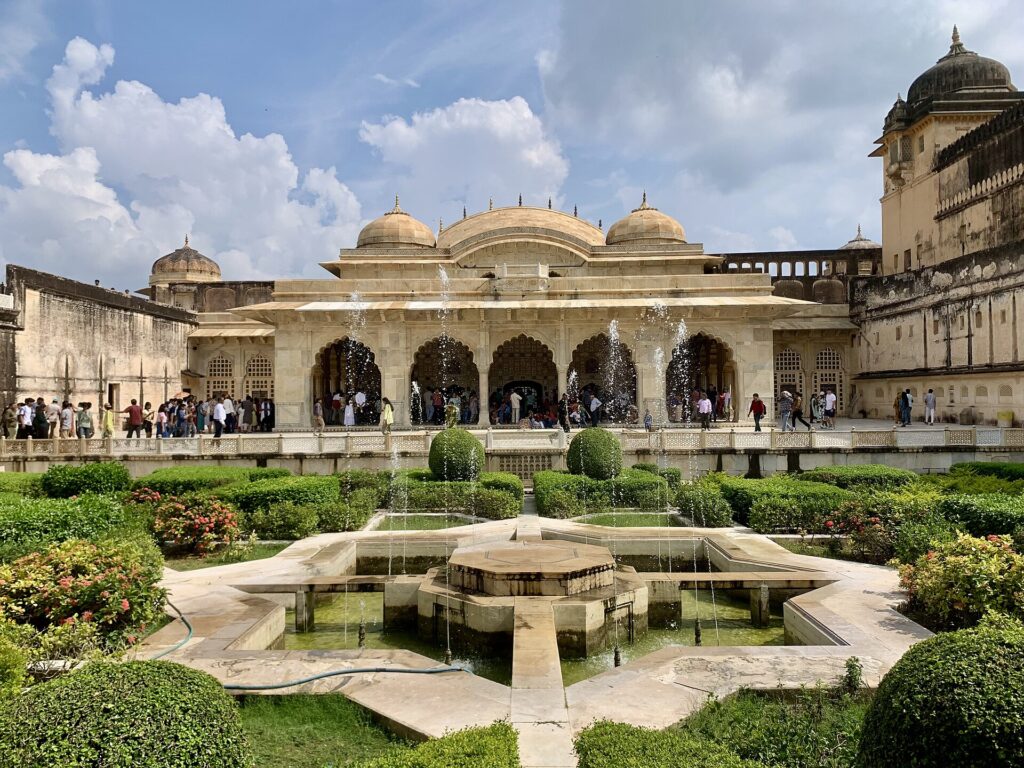
Good to know: Strollers are awkward on the steps; a baby carrier is usually more practical. Young children can search for mirrors, flowers, gates and water channels.
2. See Hawa Mahal from both sides
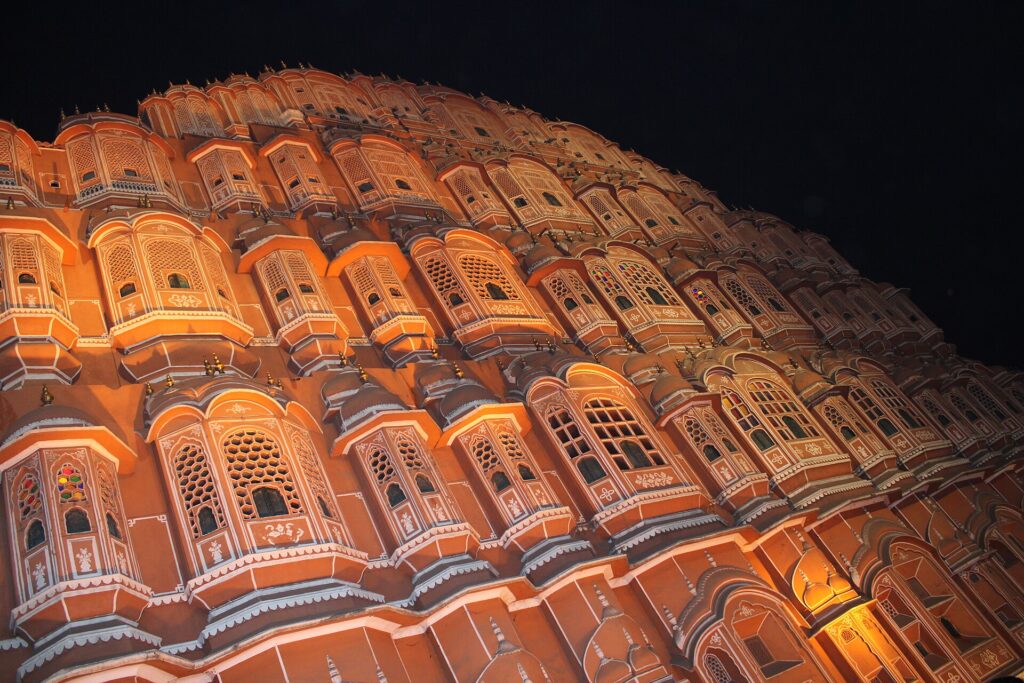
The famous facade is most attractive in soft morning light, but the interior explains the many latticed openings. Upper levels look over the Old City and show how screened windows allowed the royal household to watch street life.
Allow about an hour inside. If time is tight, the exterior view is one of the best free things to do in Jaipur. Use a safe viewing area and never step into traffic for a photograph. Combine the palace with nearby City Palace and Jantar Mantar. See the official Hawa Mahal overview.
3. Choose the City Palace for courtyards, art and royal history
City Palace feels different from the defensive hill forts. Highlights include the painted gateways of Pritam Niwas Chowk, textiles, arms, paintings and ceremonial spaces. The standard museum route is enough for most visitors; choose the premium Chandra Mahal experience only if its added access matters to you.
The City Palace’s official visitor page lists current tickets, concessions and hours. As checked in September 2026, the Textile Gallery in Mubarak Mahal is temporarily closed for restoration and the Museum at Night is temporarily closed. Confirm both before planning around them.
Allow 90 minutes to two hours. Families can shorten gallery time and stay longer in the courtyards. An auto or cab drop-off is often easier than driving into the Old City.
4. Make Jantar Mantar understandable, not just photographable
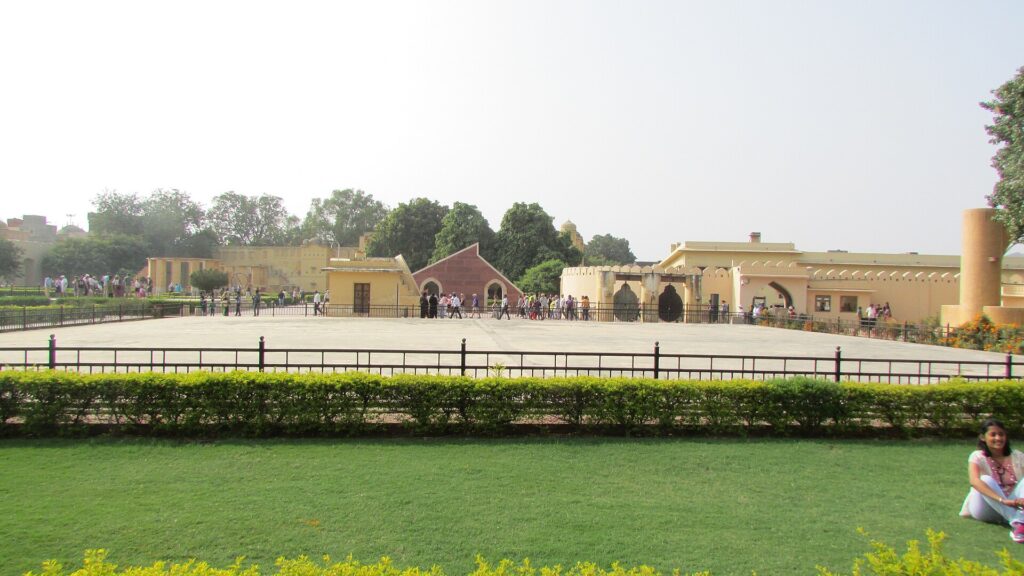
Jantar Mantar can look like a collection of unusual stone shapes until somebody explains what they do. The UNESCO-listed observatory contains large instruments designed to observe celestial positions and calculate time. Its scale makes astronomy tangible in a way a glass-case museum cannot.
Take a licensed guide or reliable audio guide and focus on two or three instruments. It is especially engaging for children aged roughly seven and above who enjoy space, shadows or measurement.
The official Jantar Mantar guide explains its history, and UNESCO provides deeper context on the World Heritage site.
5. Pick Jaigarh or Nahargarh for a second fort
Do not rush through Amer, Jaigarh and Nahargarh together. Choose according to your interest.
Jaigarh Fort suits visitors interested in ramparts, water systems, military history and Jaivana cannon. It pairs naturally with Amer; check the official Jaigarh visitor page.
Nahargarh Fort is better for broad city views. Arrange a return cab, stay in active public areas and avoid isolated slopes after dark.
If your group includes small children or older adults, choose one fort and spend the saved time over lunch, a museum or a craft activity.
6. Use Albert Hall Museum as a meaningful indoor break
Albert Hall’s Indo-Saracenic building and collections introduce regional art, textiles, metalwork, arms and decorative traditions. Children may be curious about the Egyptian mummy; adults often appreciate the miniature paintings.
Allow 60–90 minutes. The illuminated exterior is attractive after dark, but viewing the building from outside is not the same as visiting the galleries. Check the latest hours on the Government of India’s Albert Hall page.
7. Pair Panna Meena ka Kund with Anokhi Museum
Panna Meena ka Kund is a short architectural stop near Amer. Access rules may prohibit walking on the steps, so follow on-site signs rather than old social-media photographs.
Nearby, the Anokhi Museum of Hand Printing explains block carving, natural and synthetic dyes, fabric preparation and the labour behind Jaipur’s printed textiles. Demonstrations make it far more engaging than a shop visit. The museum is normally closed on Mondays and has an annual maintenance closure; use its official opening-times page before travelling to Amer specifically for it.
8. Find quieter architecture at Gaitore Ki Chhatriyan
Gaitore’s royal cenotaphs and carved stonework make it one of the calmer offbeat things to do in Jaipur. Visit in the morning or late afternoon and check Incredible India’s Gaitore guide.
9. Visit temples respectfully
Govind Dev Ji Temple, Birla Mandir and Galtaji offer three different religious experiences. Govind Dev Ji is closely tied to the life of the Old City; Birla Mandir is a polished marble landmark; Galtaji sits among hills, water tanks and active shrines.
Dress modestly, remove footwear where instructed and avoid photographing worshippers without permission. At Galtaji, keep food packed away, give monkeys space and do not encourage them with snacks. Temple schedules follow prayer times and festivals rather than tourist convenience, so check locally before making a special trip.
Fun Things to Do in Jaipur: Unique and Local Experiences
The most unique things to do in Jaipur connect visitors with a living craft, neighbourhood, flavour or landscape rather than another photo stop.
10. Join a blue-pottery, block-printing or cooking workshop
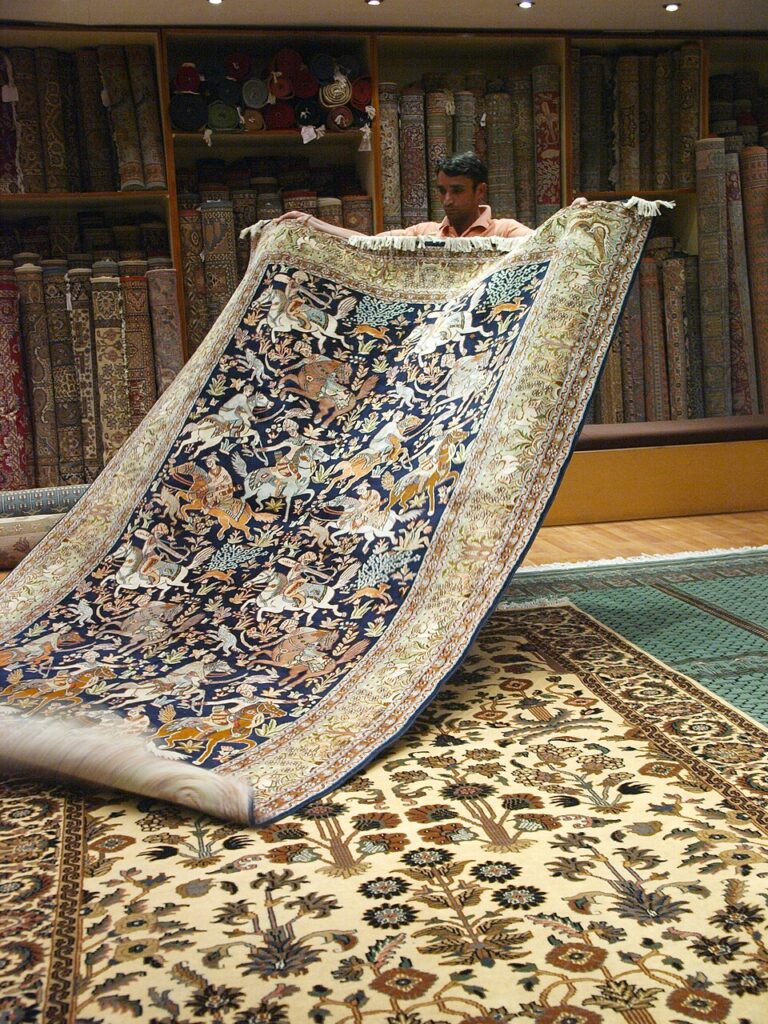
A workshop can be more memorable than another monument. Blue-pottery sessions may include tracing and painting; block printing shows how motifs align across fabric; cooking sessions may cover spice balance, breads or a home-style meal.
Ask whether the session is hands-on, how long practical work lasts, whether materials are included and whether children can participate safely. For pottery, ask how the fired piece will be collected. Check recent reviews for the workshop, not just the shop.
11. Shop with a plan at the best shopping places in Jaipur
Shopping is one of the most enjoyable local experiences in Jaipur, but every market is not best for every product.
| Market or area | Look for | Practical tip |
|---|---|---|
| Johari Bazaar | Jewellery, gemstones, traditional ornaments | For expensive purchases, insist on a detailed invoice and independent certification |
| Bapu Bazaar | Textiles, mojari, souvenirs | Compare quality at several shops before bargaining |
| Tripolia Bazaar | Lac bangles and household goods | Watch for narrow, busy lanes and market closing days |
| Chandpole/Kishanpole area | Handicrafts, carved items, textiles | Ask what is handmade locally and what is factory-made |
| MI Road and C-Scheme | Fixed-price stores and contemporary design | Useful when you prefer transparent pricing and air-conditioned shops |
Be cautious when a driver insists that one showroom is “government approved.” For gold, look for BIS hallmarking; for gemstones, get treatment details, weight and return terms in writing. Bargain politely, while recognising the value of careful handmade work.
12. Build a food experience instead of a food checklist
Jaipur’s familiar flavours include pyaaz kachori, mirchi vada, lassi, ghevar, dal baati churma, ker sangri and laal maas. Plan one savoury breakfast, one sweet or lassi stop and one unhurried regional meal.
The most useful food experiences in Jaipur favour context and quality over the number of stops.
Choose busy outlets, eat fried food freshly cooked and ask about spice for children. Dairy, nuts, ghee and gram flour are common, so ask directly about allergies. Carry filtered water and avoid distant restaurant detours.
A good food walk should explain ingredients, hygiene and neighbourhood history. Independently, combine one Old City snack with a bazaar and eat dinner closer to your hotel.
13. Choose the right wildlife experience
Among outdoor activities in Jaipur, wildlife requires the most patience and realistic expectations.
Jhalana Leopard Safari is Jaipur’s most distinctive wildlife activity. Sightings are never guaranteed; the value is the guided drive, landscape and birdlife. Use the current government-authorised booking route and carry the same original photo ID used to book.
Nahargarh Biological Park is easier for families who want a predictable wildlife outing. Rajasthan Tourism states that the park is part of the Nahargarh sanctuary and closes on Tuesdays, with seasonal operating hours. Recheck the official biological park page before leaving.
The first is a natural-habitat safari; the second is a zoological and conservation facility. The park is simpler with young children, while patient older children may prefer Jhalana.
14. Fly over the countryside in a hot-air balloon
Among adventure activities in Jaipur, a hot-air balloon flight is the most weather-sensitive. Launch points and routes change with the wind. SkyWaltz currently lists a September-to-April season and notes that flights may cross the countryside rather than Amer Fort. Confirm details on the operator’s Jaipur page.
Use a licensed operator, disclose medical or mobility concerns and keep a backup morning. This premium activity suits a special occasion more than a tight budget.
15. Look for current culture at Jawahar Kala Kendra
For current cultural experiences in Jaipur, Jawahar Kala Kendra hosts exhibitions, theatre, music, workshops and children’s programmes. Some are free; others require tickets. Check the official JKK events calendar before going.
Chokhi Dhani packages folk performance, crafts and food for first-time families. It is a busy commercial attraction, not an untouched village. Check its official booking page for inclusions, child-height rules and cancellation terms.
Raj Mandir Cinema offers an ornate setting and lively audience. Check the film’s language, runtime and age rating before taking children.
16. Find safe things to do in Jaipur at night
At night, consider the Amer sound-and-light show, JKK, Raj Mandir, Chokhi Dhani, a rooftop dinner or Albert Hall’s illuminated exterior. Jal Mahal is viewed from the public lakeside; the palace is not generally open. See the official Jal Mahal page.
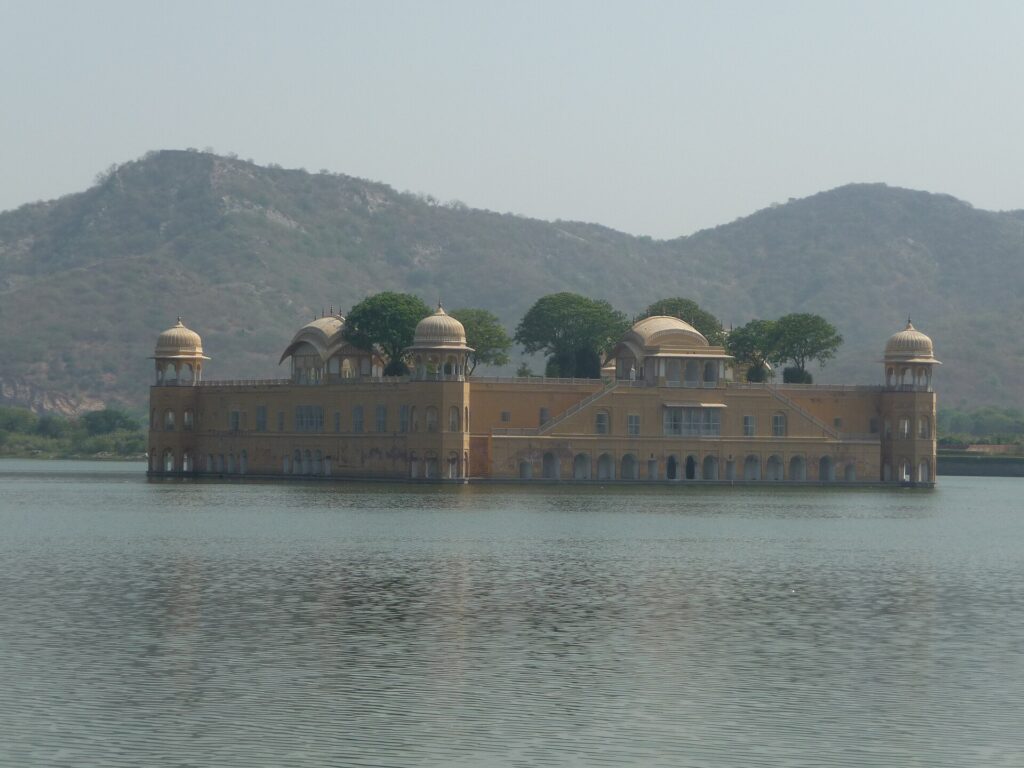
Use recognised transport and agree on the return pickup before a late show. Avoid isolated viewpoints and check that an event ends at a child-friendly time.
17. Enjoy genuinely free or low-cost Jaipur experiences
Free options include Hawa Mahal’s exterior, Jal Mahal’s lakeside, Central Park, Patrika Gate, Old City markets, temples outside peak prayer times and selected JKK exhibitions.
Transport, parking and photography permissions may still cost money. Patrika Gate and Jal Mahal become crowded, so go early for quieter views.
Things to Do in Jaipur for Families, Kids, Couples and Friends
Things to do in Jaipur with family: babies and children under five
Favour short stops such as Hawa Mahal’s exterior, City Palace courtyards, Jal Mahal, Jawahar Circle, Patrika Gate or Central Park. A carrier is easier than a stroller at forts. Build in a hotel rest and choose one evening programme.
Things to do in Jaipur with kids aged six to ten
Amer Fort, guided Jantar Mantar, Anokhi Museum, a craft workshop, Albert Hall and Nahargarh Biological Park mix movement with learning. Let the child choose one theme—astronomy, animals, royalty, food or crafts.
Jaipur with tweens and teenagers
Older children may prefer Jhalana, karting, supervised cycling, block printing, a food walk or Nahargarh. For adventure activities, verify age and height limits, equipment, supervision and recent safety reviews.
Things to do in Jaipur for couples
A couples’ day might combine early Hawa Mahal, one palace, a craft session and dinner. Gaitore, Anokhi Museum and ballooning are good alternatives. For Nahargarh sunset, pre-arrange the return.
Things to do in Jaipur with friends
Friends can combine cycling or a walking tour, Amer or Jhalana, a market, food and a live event. Agree on budget before booking bundles, because starting prices may exclude transport, equipment or taxes.
Quick chooser by mood
| If your group wants… | Choose… |
|---|---|
| One unforgettable monument | Amer Fort |
| An easy Old City half-day | Hawa Mahal + Jantar Mantar + City Palace |
| A learning activity for children | Jantar Mantar or a craft workshop |
| A rainy-day plan | City Palace + Albert Hall + Raj Mandir |
| A quiet alternative | Gaitore + Anokhi Museum |
| Wildlife | Jhalana for a safari; Nahargarh Biological Park for predictability |
| An active day | Cycling, karting or a licensed guided hike |
| A low-cost evening | Central Park, a bazaar walk or a free JKK event |
Things to Do in Jaipur in One Day, Two Days or This Weekend
A realistic one-day Jaipur itinerary
8:00–10:30 a.m.: Amer Fort. Start early and explore one fort properly.
10:45–11:15 a.m.: Jal Mahal viewpoint. Treat it as a scenic pause, not an interior visit.
12:00–1:00 p.m.: Lunch near the Old City. Keep it close to the next sights.
1:15–2:45 p.m.: City Palace. If royal history is not your priority, replace it with Albert Hall Museum.
3:00–4:00 p.m.: Jantar Mantar. Take a guide so the instruments make sense.
4:10 p.m. onward: Hawa Mahal exterior and a short bazaar walk. Check closing time if you want to enter Hawa Mahal; otherwise enjoy the facade and market atmosphere.
Evening: Choose Raj Mandir, a JKK event or dinner. Do not add Nahargarh—or drive back to Amer for a show—merely because it appears on a checklist.
This route covers the essential historical places in Jaipur without pretending that every transfer takes ten minutes. If your group moves slowly, remove either City Palace or Jantar Mantar.
Things to do in Jaipur in 2 days: a balanced itinerary
Day one: Old City and central Jaipur
- Hawa Mahal early morning
- City Palace
- Jantar Mantar
- Lunch and Johari or Bapu Bazaar
- Albert Hall Museum or an indoor rest
- Raj Mandir, JKK or a regional dinner
Day two: Amer and one personal-interest experience
- Amer Fort at opening time
- Panna Meena ka Kund
- Anokhi Museum, if open
- Lunch
- Choose one: Jaigarh Fort, Jhalana safari, Nahargarh view, craft workshop or Nahargarh Biological Park
- Jal Mahal pause on the return route if it fits naturally
The second day becomes more memorable when the final choice reflects the group. Children may prefer animals or a workshop; history enthusiasts may choose Jaigarh; couples may prefer crafts and dinner; friends may choose safari or karting.
How to find things to do in Jaipur this weekend
Weekend event lists become stale quickly, so use live sources instead of a permanent “upcoming” list. Check the Jawahar Kala Kendra calendar, BookMyShow’s Jaipur events page, museum exhibition pages and the official social account of the venue. Then verify the date, age rule, language, seating, parking and refund policy on the final booking screen.
For a no-booking weekend, use this formula: one outdoor stop before 10 a.m., lunch and rest, one indoor activity after 3 p.m., then a market or performance. Jaipur residents can rotate neighbourhood discoveries—workshops, parks, plays, museums and seasonal food—instead of repeating the fort circuit.
Practical Jaipur Travel Tips and Places to Visit Nearby
Getting around without losing half the day
Autos, app cabs and hired cars are most useful. The metro serves parts of the Old City but not Amer, the forts or most outskirts activities. Agree on an auto fare before starting if the meter is not used.
Save names and addresses offline, add traffic buffers and confirm waiting and parking charges. Carry some cash in case UPI or network access fails.
Budget by category, not an unreliable total
A Jaipur day can be inexpensive with public spaces, markets and one government monument. Premium palace access, safaris, workshops, ballooning and a cab raise the total. Budget these five lines:
- Monument and activity tickets
- Local transport and parking
- Guide or workshop fees
- Food and water
- A 10–15% buffer for changes
Concessions and ID rules differ by venue. Confirm them on the official ticket page and carry the accepted original ID.
Heat, hydration and accessibility
Wear breathable clothing, sun protection and shoes with grip. Carry water. In severe heat, move indoors if you feel unwell; in rain, take care on polished stone and fort ramps.
Call ahead about ramps, wheelchairs, toilets and vehicle drop-off. A car with a driver can give multigenerational families a reliable place to rest.
Shopping and booking safeguards
Use official ticket counters or booking pages. Verify claims that a monument is closed, and never hand original ID to an informal agent. For ID-linked tickets, use the authorised system and carry the same ID to the gate.
Places to visit near Jaipur
| Place | Approximate distance from central Jaipur | Best as | Why go | Reality check |
|---|---|---|---|---|
| Samode | 40–45 km | Half or full day | Village setting and heritage architecture | Access to private properties may depend on dining or stay arrangements |
| Sambhar Lake | 70–80 km | Full day | Salt-lake landscape and birdlife in season | Use a local guide; never drive onto unsafe salt crust |
| Abhaneri/Chand Baori | About 90 km | Full day | Dramatic historic stepwell | Combine with another route stop; midday is exposed |
| Ajmer and Pushkar | About 130–150 km | Long full day or overnight | Pilgrimage, lake, markets and distinct atmosphere | A same-day return is tiring; start early |
| Ranthambore/Sawai Madhopur | About 165–180 km | Overnight | Tiger-reserve safari and Ranthambore Fort | Not a sensible casual day trip if your safari is early morning |
Distances vary by start point and route. Rajasthan Tourism currently lists Pushkar at about 145 km and Ajmer at about 133 km from Jaipur. If wildlife is the main goal, sleep near Ranthambore rather than spending most of the day on the road. For a government-operated excursion, check current routes and availability through the Rajasthan Tourism Development Corporation.
Frequently Asked Questions
What are the best things to do in Jaipur for a first-time visitor?
Start with Amer Fort, Hawa Mahal, City Palace and Jantar Mantar. Add an Old City bazaar and one food or craft experience. These choices cover Jaipur’s fort architecture, royal history, urban design and living culture without turning the trip into a monument race.
How many days are enough for Jaipur?
Two full days are enough for Jaipur’s major attractions at a comfortable pace. One day can cover Amer Fort and the Old City highlights, while a second day gives you time for a museum, second fort, safari, workshop or market. Stay three days if you want slow travel or a nearby excursion.
What can I do in Jaipur at night?
Watch the Amer sound-and-light show, attend a JKK performance, see a film at Raj Mandir, visit Chokhi Dhani, view Albert Hall’s illuminated exterior or book a well-reviewed dinner. Confirm current timings and arrange safe return transport before leaving for an isolated or outlying venue.
What are the best free things to do in Jaipur?
View Hawa Mahal from outside, stop at the Jal Mahal lakeside, walk in Central Park, browse the Old City bazaars, visit Patrika Gate and check JKK for free exhibitions. Temples may also be free to enter, though donations are optional and worship schedules should be respected.
Is Jaipur good for a family trip with children?
Yes. Amer Fort, Jantar Mantar, Anokhi Museum, craft workshops, Albert Hall Museum and Nahargarh Biological Park can keep different age groups engaged. The key is to plan by age, avoid outdoor sightseeing at the hottest time and limit the day to two or three substantial activities.
Make your Jaipur plan personal
Jaipur is most rewarding when you stop trying to “finish” it. Give the first day to one fort and the Old City. Use the second for the experience your group will actually remember: making a print, watching the forest wake up, understanding a giant sundial, finding the right pair of mojari or sharing a long family meal.
Before you set out, recheck official timings, group nearby stops and remove one activity from an overfull schedule. Then use a detailed Jaipur itinerary or an age-filtered local discovery guide to choose the final workshop, event, restaurant or family-friendly stay.