
Jaipur Itinerary for 1, 2, 3 or 4 Days: Routes, Costs & Family Tips (2026)
Jaipur looks easy to plan on a map. Save Amer Fort, Hawa Mahal, City Palace, Jantar Mantar and Nahargarh, add a market, and the trip appears sorted. The trouble begins on the ground: the forts sit away from the Old City, traffic eats into short days, winter evenings arrive quickly, and a “quick” palace visit can take two hours with children or older parents.
This Jaipur itinerary solves that problem by grouping places that genuinely belong together. The core plan covers three days—the best balance for most first-time visitors—but you will also find realistic routes for one day, a weekend, two nights and three days, and a slower four-day holiday. It includes family-friendly swaps, travel notes from Delhi, Mumbai and Pune, approximate trip costs, food and shopping ideas, and an optional Ranthambore extension.
Quick answer: Three days are ideal for a first Jaipur trip. Use one day for the Old City, one for Amer and the northern fort circuit, and one for crafts, museums or child-friendly experiences. If you only have two days, keep the first two. If you have four, add a hands-on craft day or a relaxed excursion.
Jaipur itinerary at a glance: how many days do you need?
For most travellers, two days cover the icons and three days make the trip enjoyable. Four days suit families who need downtime, repeat visitors, craft lovers and anyone who dislikes racing from one ticket counter to another.
| Trip length | Best for | What you can cover without rushing |
|---|---|---|
| 1 day | Stopovers and business travellers | Amer Fort, Jal Mahal photo stop, Hawa Mahal, City Palace or Jantar Mantar, one market |
| 2 days | A Jaipur weekend itinerary | Amer circuit on Day 1; Old City, museum and bazaar on Day 2 |
| 3 days | First-timers, couples and families | The two core days plus crafts, Albert Hall, Patrika Gate, a cultural evening or rest time |
| 4 days | Families with young children, seniors and slow travellers | The three-day plan plus Bagru/Sanganer, a nature stop, resort time or a day trip |
The essential Jaipur sightseeing route has two geographic clusters:
- Old City cluster: Hawa Mahal, City Palace, Jantar Mantar, Govind Dev Ji Temple and Johari/Bapu Bazaar.
- Amer and northern hills cluster: Amer Fort, Panna Meena ka Kund, Anokhi Museum, Jal Mahal, Jaigarh and Nahargarh.
Do not split these clusters across several days unless your hotel location or a fixed booking demands it. Jaipur distances can look small, but junctions, parking, ticket queues and walking through fort entrances add time.
What should first-time visitors not miss? Prioritise Amer Fort, the Hawa Mahal façade, City Palace, Jantar Mantar and a short walk through the walled-city bazaars. Jal Mahal is a roadside photo stop rather than an interior visit. Nahargarh is worthwhile for the view, but it is the first major stop to remove if your group is tired or traffic has put the day behind schedule.
Plan the trip before you arrive: weather, travel, stay and transport
Best time to visit Jaipur
October to March is the most comfortable period for outdoor sightseeing. That is also peak season, so hotel rates rise around festivals, Christmas, New Year and long weekends.
| Period | What it feels like | Planning advice |
|---|---|---|
| October–November | Warm days, more comfortable mornings | Start forts early; reserve popular stays on weekends |
| December–January | Pleasant days, cold mornings and evenings | Carry a light jacket; haze can affect sunrise views |
| February–March | Mild to warm, generally good for walking | Keep water and sun protection handy by midday |
| April–June | Very hot, especially on stone forts | Begin at opening time, rest indoors after lunch, avoid overpacked family days |
| July–September | Humid with monsoon showers and greener hills | Build in rain flexibility; check outdoor access before leaving |
Whatever the season, put forts and exposed monuments in the morning. Use early afternoon for lunch, a hotel break, City Palace galleries, Albert Hall Museum or a workshop. This one decision makes a Jaipur itinerary with kids far more manageable.
Reaching Jaipur from Delhi, Mumbai and Pune
From Delhi: Jaipur works well by train, flight or road. A train often avoids airport procedures, while a road trip gives flexibility but can take roughly five to six hours with a break and city traffic. If driving with children, leave early and avoid beginning a full fort day immediately after arrival.
From Mumbai: A direct flight is normally the most time-efficient option. Long-distance trains can suit travellers who prefer overnight rail travel, but check the current schedule and arrival time before assigning sightseeing to Day 1.
From Pune: A direct flight, when it operates on your date, is the easiest choice for a short Jaipur family vacation. Flight schedules change, so compare a direct service with Pune–Mumbai connections before booking. Rail travel is better treated as part of a longer holiday, not a two-night weekend.
For live schedules, use official airline channels and IRCTC rather than itinerary blogs. Keep arrival day light if you land after lunch: check in, visit Albert Hall’s illuminated exterior or take a calm market-and-dinner outing.
Where to stay in Jaipur
Choose the area before choosing the property. A beautiful hotel in the wrong part of town can add unnecessary driving every day.
- C-Scheme: Good restaurants, modern hotels and a convenient central base. A dependable choice for couples and families who want comfort outside the busiest old lanes.
- Bani Park: Heritage-style hotels, guesthouses and access to the railway-station side of town. Often useful for family rooms and moderate budgets.
- Old City: Best for atmosphere and early access to Hawa Mahal and bazaars. Expect noise, tighter roads and less convenient vehicle access.
- Amer/Kukas: Resort-style stays and space for children, but farther from the Old City. Best when the property is part of the holiday rather than merely a place to sleep.
- Jawahar Circle/airport side: Practical for late arrivals, early departures and a four-day plan with Sanganer or Chokhi Dhani.
Families should check for a lift, connected rooms, breakfast timing, hot water, parking and the actual distance from the lobby to the room. “Family-friendly” should mean more than an extra mattress.
Getting around Jaipur
App cabs and autos work well for individual city rides. For the Amer–Jaigarh–Nahargarh circuit, a car with a driver is usually more practical because the stops are spread across hills and return rides can be inconvenient. Confirm whether parking, waiting time, tolls and the evening hill drive are included in the quote.
The metro is useful around parts of the city, including access near the walled-city side, but it does not replace a car for the fort circuit. In the Old City, walking is often faster for short hops between Hawa Mahal, Jantar Mantar and City Palace.
With a toddler, take a compact baby carrier rather than relying only on a stroller. Fort slopes, cobbles, steps and crowded market lanes are not consistently stroller-friendly. Travellers with knee or mobility concerns should allow a vehicle-assisted ascent at Amer where available, reduce the number of hill forts, and ask each attraction about current accessible routes.
The best 3-day Jaipur tour itinerary
This is the core Jaipur trip plan. It gives the city’s major sights enough time and leaves space for meals, traffic and one spontaneous stop.
Day 1: Hawa Mahal, City Palace, Jantar Mantar and the Old City
Ideal start: 7:30–8:00 am
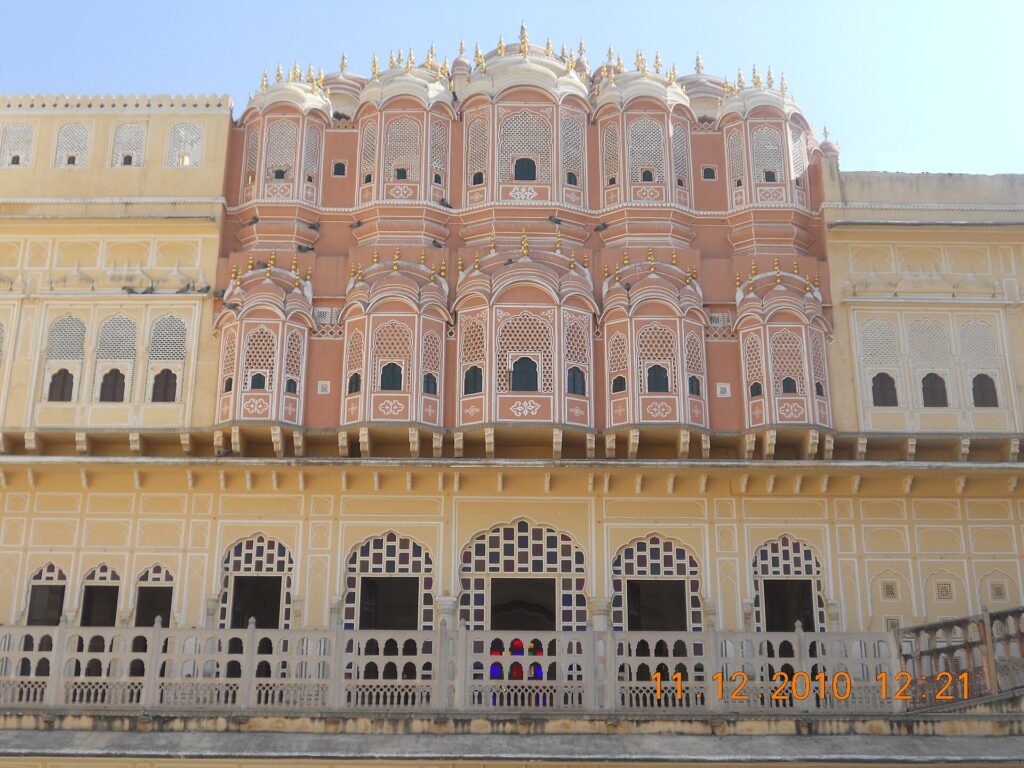
Begin outside Hawa Mahal while the façade catches gentler morning light and the road is relatively manageable. Twenty to thirty minutes is enough if you only want the classic view. Go inside if architecture is a priority; otherwise save your walking energy for the palace complex.
Have breakfast nearby, then enter City Palace around opening time. Allow 90 minutes to two hours for the regular museum route. The current official visitor page lists museum hours and ticket options, including separate premium experiences, so check City Palace Jaipur’s official visit page before budgeting.
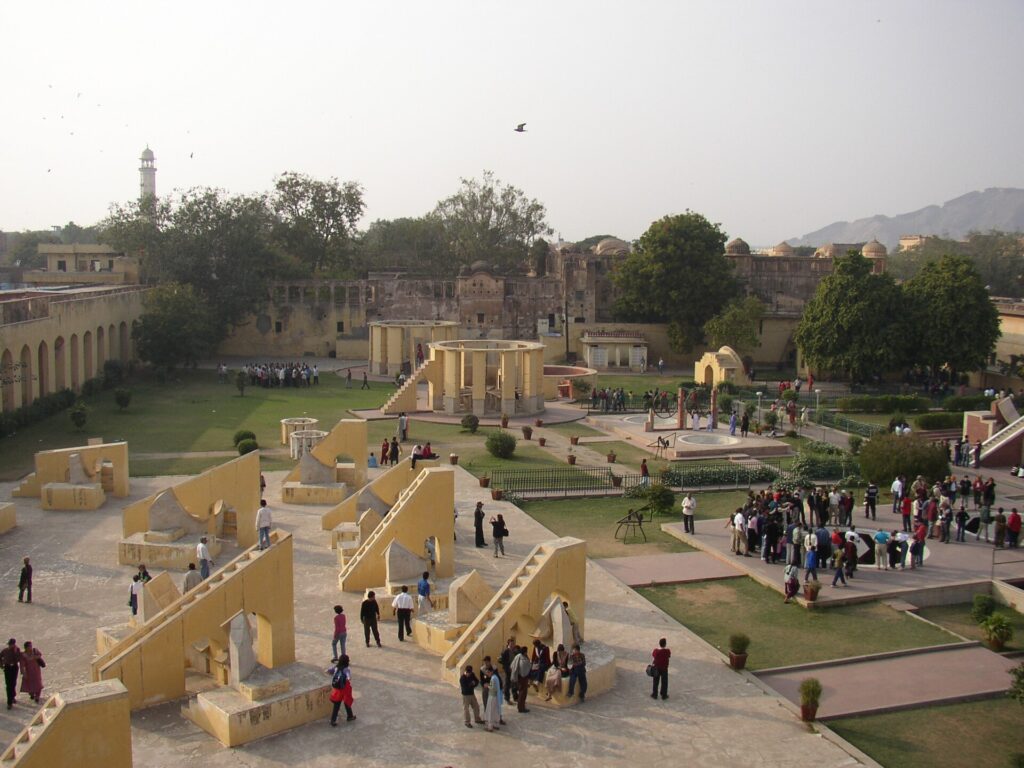
Walk next door to Jantar Mantar and allow 45–60 minutes. It is not just a collection of oversized shapes: this UNESCO-listed observatory contains monumental instruments designed for naked-eye astronomical observation. A guide or a focused audio explanation is worth paying for here, especially with school-age children; otherwise the science can be easy to miss. Read the UNESCO description of Jantar Mantar for useful background.
Lunch and rest: 1:00–3:00 pm. Jaipur rewards people who pause. Eat nearby, return to the hotel if children need a nap, or sit somewhere cool rather than adding another monument in peak heat.
In the late afternoon, walk through Johari Bazaar for jewellery and lac work or Bapu Bazaar for textiles, mojari and everyday souvenirs. Keep young children close, use a zipped bag and decide your shopping limit before entering. If shopping is not your interest, substitute Albert Hall Museum and stay to see its exterior lights after dusk.
Good family version: Turn the morning into a “find the detail” game—count arches at Hawa Mahal, look for royal objects at City Palace and ask children to choose the most surprising instrument at Jantar Mantar.
Skip or swap: If someone has limited walking stamina, choose City Palace or the market, not both. If you arrive after lunch, do Hawa Mahal outside, Jantar Mantar and the bazaar; move City Palace to Day 3.
Day 2: Amer Fort, Panna Meena, Jal Mahal and a hilltop sunset
Ideal start: 7:30 am; earlier in hot months
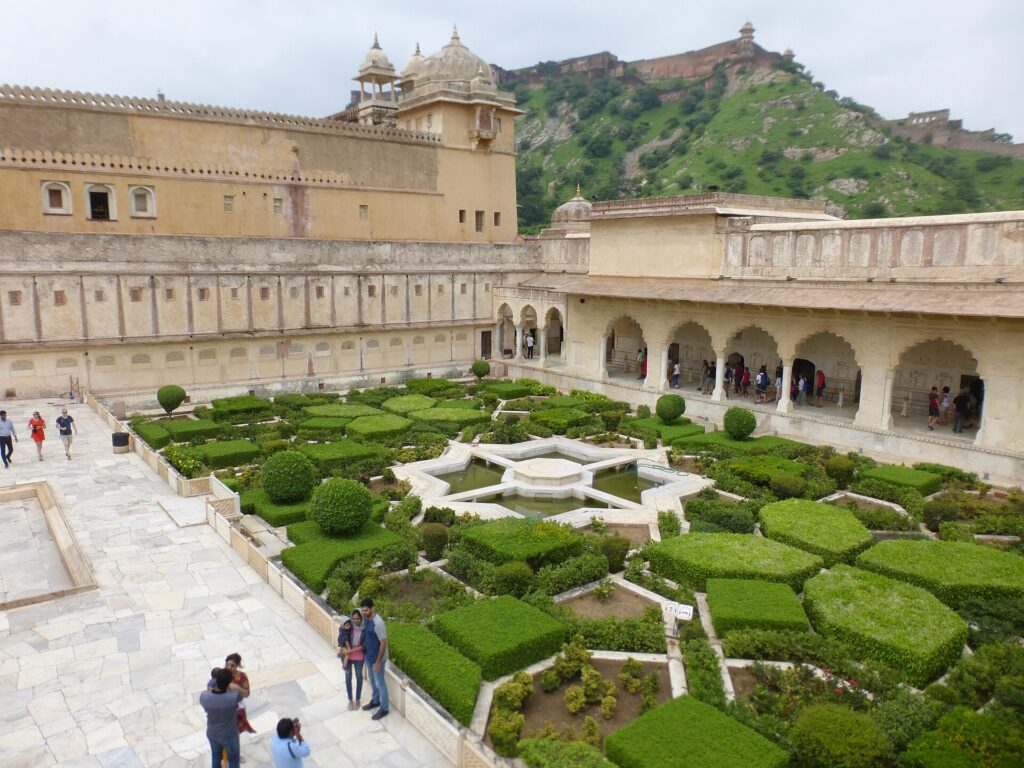
Drive to Amer (Amber) Fort, around 11 km from central Jaipur. The official Rajasthan Tourism page describes four principal sections with their own courtyards, plus the Sheesh Mahal and restored sections of the tunnel system. Give the palace complex at least two hours; three is better if you enjoy history or photography. Check the official Amber Palace guide before visiting.
Walk up if your group is comfortable, or ask about the current jeep/vehicle arrangement. Skip elephant rides; walking or a vehicle is easier to plan and avoids making an animal activity the centre of the visit. Wear shoes with grip, as polished stone and steps can be tiring.
Next, make a short stop at Panna Meena ka Kund if access is open and your driver can park conveniently. Treat it as a 20–30 minute architecture stop, not a place to climb into restricted areas.
If your group enjoys textiles, replace a second large fort with the Anokhi Museum of Hand Printing, about a ten-minute walk through Amber according to the museum. It is a strong family choice because tools, fabrics and demonstrations make craft history tangible. Opening days can be limited, so verify the Anokhi Museum visitor information before fixing Day 2.
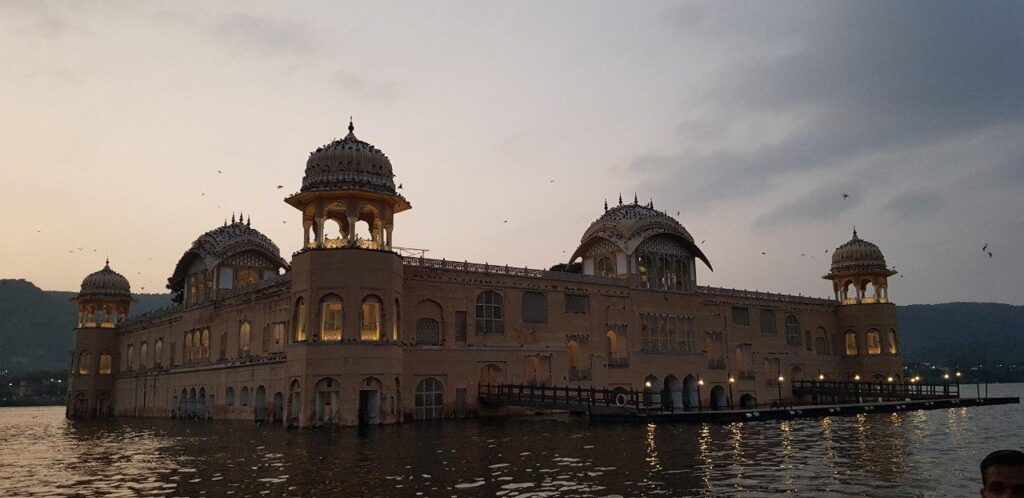
Stop at Jal Mahal on the return. You view the palace from the lakeside; this is normally a brief photo and snack stop, not a palace tour.
After lunch, choose one hill-fort finish:
- Jaigarh Fort for fortifications, military history and views over Amer.
- Nahargarh Fort for a broad city view near sunset.
- No second fort for families with toddlers, older parents or anyone already satisfied after Amer. Return to the hotel, swim or rest, and enjoy dinner without exhausted children.
Trying to do Amer, Jaigarh and Nahargarh thoroughly in one day is possible on paper but tiring in practice. If sunset at Nahargarh matters, leave a wide traffic buffer and arrange your return ride in advance. Hill roads, weekend crowds and parking can change the plan.
Day 3: Choose crafts, museums or a child-friendly Jaipur day
The best third day depends on who is travelling. Do not automatically add more forts.
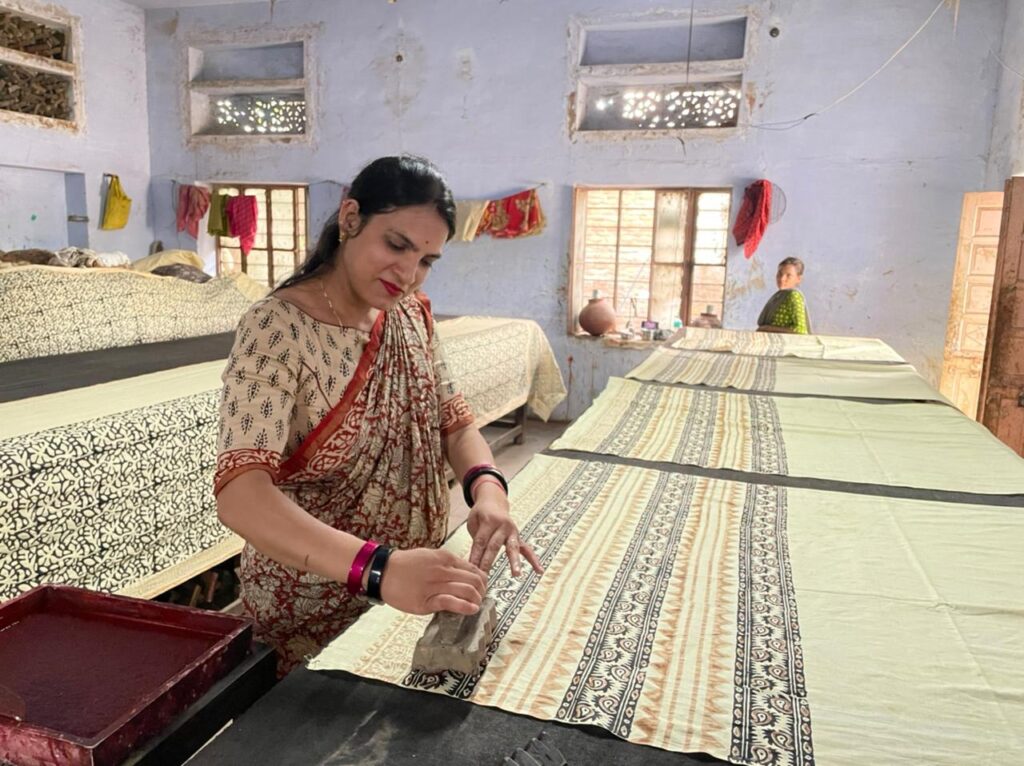
Option A—craft and culture: Book a half-day block-printing experience in Sanganer or Bagru. A good workshop explains the blocks, dye, repeat pattern and fabric preparation, then lets visitors print something themselves. Ask in advance about the participant age, washable dyes, duration, transport, toilet access and whether the quoted price includes the finished item.
Pair the workshop with a relaxed meal and Jawahar Circle/Patrika Gate on the airport side. Patrika Gate is visually striking but does not require a long stop. This option is particularly good for children aged six and above because they make a souvenir rather than only looking at one.
Option B—museum and city: Visit Albert Hall Museum, then Central Park or a calm lunch in C-Scheme. Add Birla Mandir near evening if your group is comfortable with a religious stop and observes the site’s dress and photography rules.
Option C—family downtime and cultural evening: Keep the morning free at the hotel, choose one short attraction after lunch, and spend the evening at a Rajasthani cultural venue such as Chokhi Dhani. It is commercial and can be crowded, but many children enjoy the folk performances, puppetry and meal format. Confirm current entry packages, food inclusions and travel time before booking.
Option D—heritage for curious adults and teens: Take a guided walled-city walk focused on architecture, food or crafts, then visit Gaitore ki Chhatriyan or a design-led shop. A good guide adds context and reduces random shopping detours.
Jaipur itinerary for 1, 2 and 4 days
Jaipur one-day itinerary: the realistic first-timer route
With only one day, aim for five meaningful stops rather than ten rushed photographs.
7:30 am: Hawa Mahal exterior
8:00 am: Drive to Amer Fort
8:45–11:15 am: Amer Fort
11:45 am: Jal Mahal photo stop
12:30 pm: Lunch
2:00–3:30 pm: City Palace
3:40–4:30 pm: Jantar Mantar
4:45–6:00 pm: Short Old City market walk and departure/dinner
If sunset is your priority, remove City Palace and go to Nahargarh after Jantar Mantar. Do not simply add Nahargarh to the same schedule; hill traffic makes that version unreliable.
Jaipur itinerary for 2 days or a weekend
For a two-day Jaipur sightseeing itinerary, use the first two days of the core plan:
- Day 1: Hawa Mahal, City Palace, Jantar Mantar, bazaar and optional Albert Hall exterior.
- Day 2: Amer Fort, Panna Meena, Jal Mahal, then Jaigarh or Nahargarh.
This is also the cleanest Jaipur weekend itinerary. If you arrive Saturday morning and leave Sunday evening, store luggage at the hotel and keep Sunday’s late-afternoon stop flexible. A delayed hill-road return should not put your train or flight at risk.
2 nights 3 days Jaipur itinerary
A two-night, three-day trip usually contains only two full sightseeing days. Plan it like this:
- Day 1, arrival: Check in, Hawa Mahal exterior or Albert Hall after dusk, early dinner.
- Day 2: Full Amer circuit.
- Day 3: City Palace, Jantar Mantar and the bazaar before departure.
If arrival is before 9:00 am and departure after 8:00 pm, you can use the complete three-day route. Otherwise, do not market half-days to yourself as full days.
Jaipur itinerary for 4 days
Use the core three-day plan and make Day 4 one of the following:
- a Bagru village or Sanganer craft experience;
- a slow resort day with one evening attraction;
- a deeper Old City food and heritage walk;
- Samode as a day outing, after checking travel time and access;
- Abhaneri/Chand Baori as a longer excursion for travellers who enjoy stepwell architecture.
A four-day Jaipur itinerary is especially useful for a multi-generational family. Alternate a heavy walking day with a lighter experience day, and keep one afternoon unbooked.
Jaipur itinerary with family, kids or as a couple
Jaipur itinerary with kids: plan by age, not just by attraction
The best Jaipur itinerary with family is not the one with the most monuments. It is the one in which children understand, touch, make, climb safely or hear a story.
| Age group | What usually works | What to limit |
|---|---|---|
| 0–4 years | Hotel pool/play space, short Hawa Mahal stop, City Palace courtyards, garden break | Multiple forts, long market walks, late cultural nights |
| 5–8 years | Amer Fort stories, puppetry, block printing, Albert Hall highlights | Long guided lectures and three-hour shopping sessions |
| 9–12 years | Jantar Mantar with a guide, Amer’s defence stories, Anokhi Museum, a food or craft activity | Repetitive palace galleries without context |
| Teenagers | Photography, heritage walks, cafés, design shops, forts with viewpoints | Over-managed schedules with no choice or downtime |
For toddlers, return to the hotel after lunch. For school-age children, give them one job each day: navigate to the next courtyard, photograph a pattern, choose a sweet to share or explain one Jantar Mantar instrument at dinner. Teens engage more when they can choose between a craft session, a food walk and a sunset viewpoint.
Carry water, oral rehydration sachets, hats, wipes and familiar snacks. Check washrooms before starting long fort sections. At Galtaji or any place with monkeys, do not carry visible food or encourage children to feed animals. At crowded venues, write a parent’s phone number on a card in a young child’s pocket.
Older family members may prefer City Palace, Jal Mahal and a comfortable cultural meal over several hill forts. Amer is the priority fort; Jaigarh and Nahargarh are optional. Build the family trip around the least mobile traveller, not the fastest walker.
Jaipur itinerary for couples
Couples can use the same three-day route with a slower evening rhythm: Hawa Mahal at first light, a long lunch after City Palace, Nahargarh near sunset, and one dinner at a restored haveli or contemporary Rajasthani restaurant. Use Day 3 for a private craft session, spa time or a guided food walk instead of adding another monument.
A practical Jaipur heritage tour itinerary
For travellers primarily interested in heritage, focus on three layers:
- Planned city: Hawa Mahal, bazaars, chaupars and the walled-city street grid. UNESCO describes Jaipur as a deliberately planned trade city whose principal avenues were designed as markets.
- Science and court: City Palace and Jantar Mantar.
- Defence and landscape: Amer and one of Jaigarh or Nahargarh.
Read the UNESCO Jaipur City overview and the UNESCO Hill Forts of Rajasthan page before hiring a guide. A little background helps you ask better questions and distinguish history from entertaining legend.
Jaipur trip cost, food, shopping and practical checks
How much does a Jaipur trip cost?
For a two-night, three-day Jaipur itinerary, excluding transport to Jaipur, a realistic starting range is:
| Travel style | Couple | Family of four | What it assumes |
|---|---|---|---|
| Budget-conscious | ₹10,000–₹18,000 | ₹18,000–₹30,000 | Simple stay, local meals, selective paid entries, autos/app cabs |
| Comfortable mid-range | ₹22,000–₹40,000 | ₹35,000–₹60,000 | Good hotel, hired car for forts, paid attractions and sit-down meals |
| Premium | ₹55,000+ | ₹80,000+ | High-end heritage/resort stay, private transport and premium dining/experiences |
These figures are planning ranges, not package quotes. They exclude flights or trains and can rise sharply on festival weekends. City Palace premium areas, private guides, workshops and cultural venues may have separate fees.
Ask for a transport quote that states hours, kilometres, parking, driver allowance and night charges. For monuments, avoid copying old ticket prices from blogs: verify current opening hours and fees shortly before the trip. Rajasthan Tourism’s Jaipur destination page is a useful starting point, and RTDC’s official city-tour page provides a benchmark for government-run tour options.
Jaipur food guide: what to try without upsetting the itinerary
Try pyaaz kachori, mirchi vada, dal baati churma, gatte ki sabzi, ker sangri, lassi, ghevar and kulfi, but do not schedule every famous shop in one afternoon. Jaipur’s food stops are spread across busy areas and queues can undo a carefully planned route.
With children, share rich dishes, ask about chilli, and keep one familiar meal in the day. Choose busy, clean establishments, drink sealed or filtered water, and avoid raw garnishes if hygiene looks uncertain. Travellers with nut, dairy or gluten allergies should explain the allergy clearly; Rajasthani sweets and gravies may contain ghee, milk, nuts or gram flour.
Jaipur shopping guide: buy less, verify more
Jaipur is known for gemstones and jewellery, block-printed textiles, blue pottery, lac bangles, quilts, mojari and miniature art. Johari Bazaar suits jewellery browsing; Bapu Bazaar and surrounding lanes offer textiles and footwear; specialist studios are better for higher-value craft purchases.
For gemstones, request a proper invoice and independent certification for expensive pieces. “Government approved” is often used loosely in tourist areas. Compare workmanship, not just the first quoted discount. Check textile colourfastness and seams, confirm whether quoted prices include tax and shipping, and never let a driver’s insistence decide where you shop.
Final checks 48 hours before sightseeing
- Recheck official opening days and last-entry times.
- Confirm the City Palace ticket category you actually want.
- Call the workshop or cultural venue and reconfirm age rules and inclusions.
- Fix the fort-day car and Nahargarh return arrangement.
- Download maps and keep small cash without carrying excessive valuables.
- Check the weather, sunset time and any festival traffic restrictions.
- Leave a minimum airport or railway-station buffer suitable for peak traffic.
Jaipur itinerary with Ranthambore
Jaipur and Ranthambore work well together, but only if you give the wildlife portion enough time. Ranthambore is roughly 180 km from Jaipur; allow about four hours by road depending on traffic and your hotel’s location. Sawai Madhopur is the nearest rail base for the tiger reserve.
Recommended five-day shape:
- Day 1: Arrive in Jaipur; keep the evening light.
- Day 2: Hawa Mahal, City Palace, Jantar Mantar and markets.
- Day 3: Start early at Amer Fort, stop at Jal Mahal, have lunch and drive to Ranthambore. Stay near the reserve; do not depend on reaching an afternoon safari.
- Day 4: Take a confirmed morning and/or afternoon safari, with rest between drives. Stay a second night.
- Day 5: Have breakfast and continue to your next destination, or take another confirmed drive if the departure plan allows it.
For families, two nights near Ranthambore are better than one. Safari drives begin early or finish late, children get tired, and wildlife sightings are never guaranteed. One drive gives you a safari experience; two drives improve variety but still do not promise a tiger.
Book through the Rajasthan Forest Department’s official safari and zoo ticket page or a clearly verified channel. Use passenger names and identity details exactly as required, and check current age, vehicle, cancellation and reporting rules. Park zones and seasonal access can change; do not rely on an old screenshot or a reseller’s verbal assurance.
Frequently asked questions about a Jaipur itinerary
Is two days enough for Jaipur?
Yes. Two days are enough for Amer Fort, Jal Mahal, Hawa Mahal, City Palace, Jantar Mantar and a short bazaar visit. Keep the Amer circuit on one day and the Old City on the other. Add a third day if you want crafts, museums or a relaxed family pace.
What is the best order for Jaipur sightseeing?
Visit the Old City as one cluster and the Amer/hill-fort area as another. In the Old City, walk between Hawa Mahal, City Palace and Jantar Mantar. On the fort day, start at Amer, add Panna Meena or Anokhi Museum, stop at Jal Mahal, and choose only one later hill fort.
Which Jaipur places are best for children?
Amer Fort, Jantar Mantar with a guide, Albert Hall Museum, Anokhi Museum and a block-printing workshop are strong choices. Young children also need a pool, garden or hotel-rest window; an attraction-heavy schedule is rarely the best family schedule.
What should I skip if I have only one day in Jaipur?
Skip the second and third hill forts. Prioritise Amer Fort, Hawa Mahal, City Palace or Jantar Mantar, and one short market walk. Jal Mahal can remain a quick roadside stop. Choose Nahargarh only if sunset matters more to you than a palace interior.
How much should a family budget for three days in Jaipur?
A family of four can use roughly ₹18,000–₹30,000 as a budget-conscious planning range or ₹35,000–₹60,000 for a comfortable mid-range trip, excluding travel to Jaipur. Dates, room type, private transport and premium tickets can change the total considerably.
Conclusion
The best Jaipur itinerary is built around geography and energy, not the length of a sightseeing list. Give the Old City one day, Amer and the northern hills another, and use a third day for craft, culture or family downtime. Two days cover the essentials; four days let Jaipur breathe.
Before booking, choose your base, check live monument hours and reserve any workshop or Ranthambore safari that matters to the trip. Then use this route as a framework—not a race. For the next step, compare family-friendly Jaipur stays and age-appropriate experiences so the plan fits the people travelling, not just the destination.