Kanak Ghati Jaipur: Entry Fee, Timings & Family Visit Guide
You want somewhere in Jaipur where the children can walk, look around and enjoy a little breathing space. Kanak Ghati seems promising. Then you start planning: one website says entry is free, another lists a ticket, and the opening hours change from page to page. Even the photographs seem to show different gardens.
The confusion is understandable. Kanak Ghati sits in the Amer Road sightseeing area near Jal Mahal, and travel listings frequently mix information about the park, the surrounding valley and nearby Kanak Vrindavan gardens. That matters when you are choosing a drop-off point or promising a child a particular activity.
This guide explains what to expect, which visitor details are supported by published sources, and what to check at the entrance. You will also find directions, family activities, age-wise suggestions and realistic ways to combine the visit with Amer. The aim is a pleasant outing that fits your family’s time and energy.
What is Kanak Ghati, and is it worth visiting?
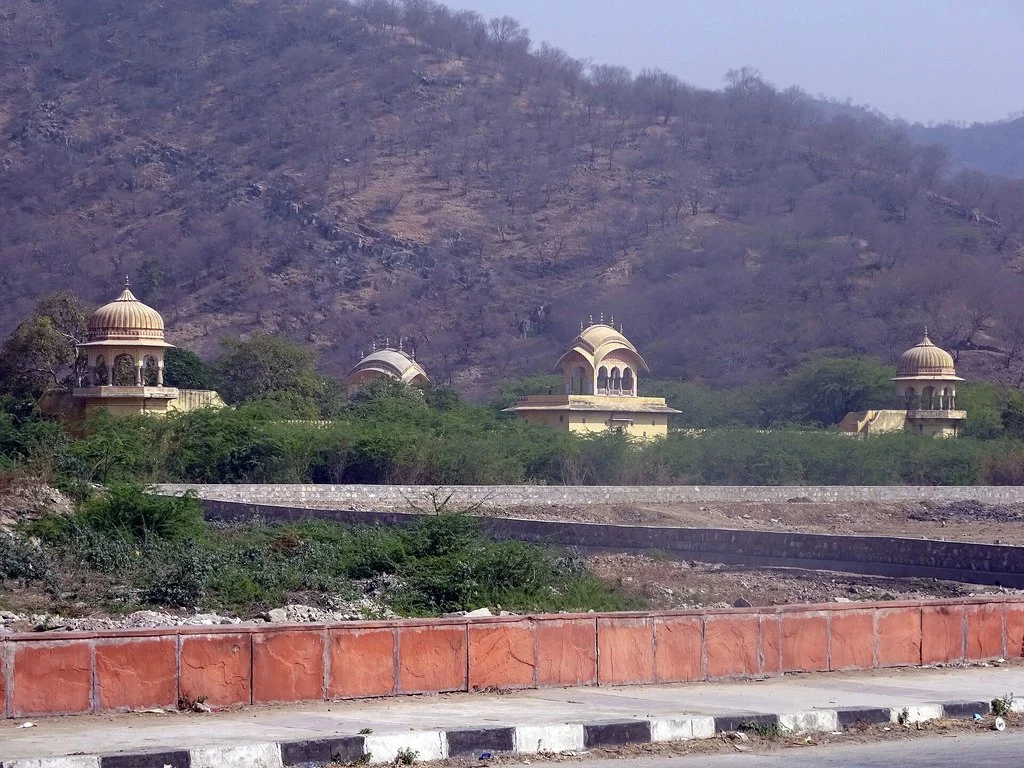
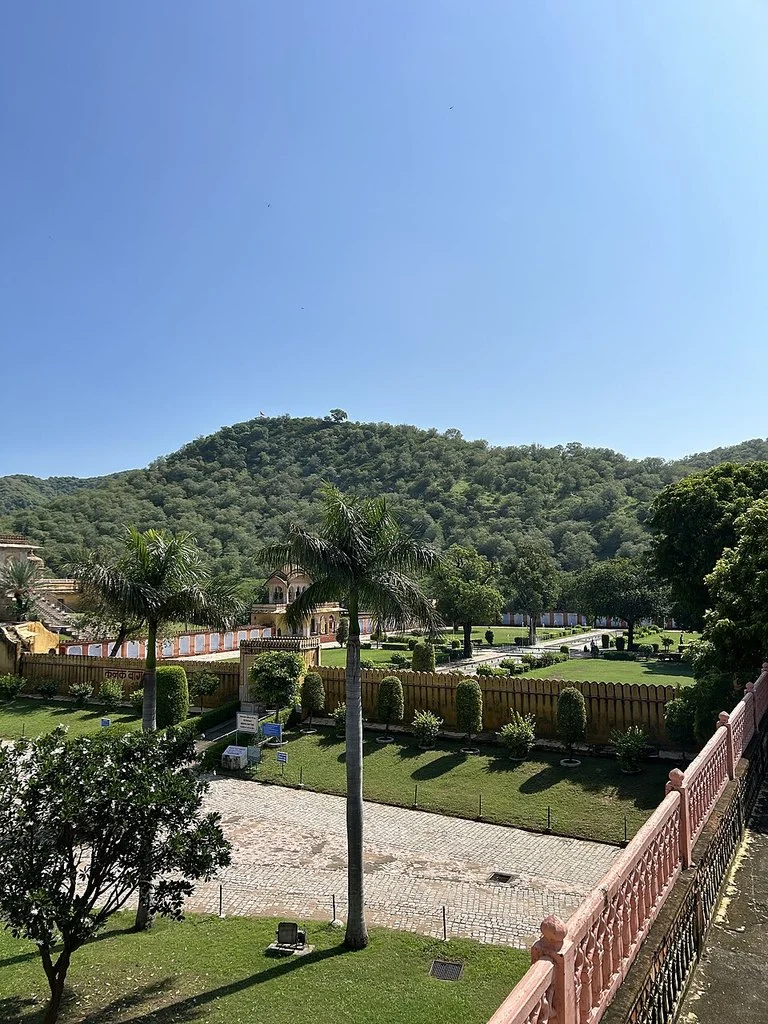
Kanak Ghati is a garden-and-park destination on Amer Road in Jaipur, near Jal Mahal. It is known for its green valley setting and Krishna-themed sculptures. Nearby Kanak Vrindavan adds a heritage garden and temple experience, although online listings often blur the names. Holidify’s Kanak Ghati overview describes the sculptures and landscaped park.
The appeal is easy to understand: a walk outdoors, something interesting for children to notice, and a break from moving between Jaipur’s monuments. It works particularly well if you already plan to travel along Amer Road.
Kanak Ghati and Kanak Vrindavan: check the place, not just the name
Some travel guides call Kanak Vrindavan and Kanak Ghati the same attraction. Other local listings show them separately. For example, New in Jaipur has distinct pages for Kanak Ghati and Kanak Vrindavan Garden, with different visitor information.
The useful conclusion is practical: do not assume every photograph, timing or ticket you find applies to the same entrance. Before travelling, compare the map pin with photographs of the gate and the feature you want to see. At arrival, ask which areas your ticket includes.
If Krishna sculptures are your priority, say that to the driver. If you want formal gardens and temple architecture, mention Kanak Vrindavan and the Radha Madhav temple area. Showing a saved photograph can communicate your destination more clearly than repeating a place name.
Quick information for planning
| What you need | Useful starting point |
|---|---|
| Location | Amer Road, near Jal Mahal, Jaipur |
| Main appeal | Garden walks, Krishna-themed scenes and the surrounding heritage landscape |
| Kanak Ghati hours | Holidify publishes 9 am–5 pm; confirm for your chosen entrance |
| Related Kanak Vrindavan hours | Incredible India publishes 9 am–7 pm; this is a separate listing reference |
| Entry fee | No current operator tariff verified; published figures conflict |
| Suggested visit length | Allow 45–90 minutes for one relaxed stop |
| Comfortable season | Cooler months, generally October–March |
| Family planning priority | Check toilets, access, permitted food and the return pickup |
Visit lengths and seasonal advice here are planning recommendations. They are not operating guarantees.
Who will enjoy this stop?
Families who enjoy a slow walk, storytelling, plants and photographs are likely to find enough to do. Children interested in Krishna stories may connect with the sculptural scenes more readily than with another large palace courtyard.
It can also suit grandparents who prefer a short visit, provided the entrance route and surfaces meet their needs. A garden visit can be flexible: one person rests while another takes a small loop with the children.
If your child mainly wants energetic play, choose the outing on that basis. A heritage garden may not provide the equipment, organised activities or facilities you would expect from a dedicated play venue. Likewise, a visitor with only a few hours in Jaipur may prefer to prioritise one major monument.
Kanak Ghati history: understand the wider valley
The heritage story is closely connected with Kanak Vrindavan. The Government of India’s Incredible India guide associates that garden with Maharaja Sawai Jai Singh and describes a retreat inspired by Krishna’s Vrindavan.
That context helps explain the devotional themes in the area. However, a historical garden, restored structures and modern sculptural installations can belong to different phases. A broad statement about the valley’s age does not establish the construction date of everything you see today.
For children, a short explanation is enough: Jaipur’s rulers created gardens as places of recreation and devotion, and this landscape draws on stories associated with Krishna. Let their questions lead the conversation from there.
Kanak Ghati ticket price, timings and the best time to visit
The two questions most visitors want answered are also the least consistent online. You can still plan sensibly, as long as reported prices and hours remain clearly labelled.
What is the Kanak Ghati entry fee?
A current official Kanak Ghati ticket price could not be verified from the public sources checked. Holidify lists ₹35 admission, while listings for nearby or similarly named gardens give different prices, including free entry. Check the displayed tariff at your exact entrance.
Holidify also publishes camera and parking charges. These are third-party figures without a verified current counter notice, so they should not be treated as a confirmed tariff. Other pages quote ₹20, ₹25 or ₹30 for Kanak Vrindavan, demonstrating why a single price copied across websites can mislead.
For a family, the more useful questions are whether children have a separate rate, whether any height or age condition applies, and whether access to another garden costs extra. Ask about these before buying tickets, especially if you are travelling with several children.
Keep some cash available. Ask which digital payments are accepted rather than depending on one payment method. Retain the ticket until departure in case staff need to check entry or clarify what you have paid for.
Keep admission, parking and photography separate
There may be several different expenses during a visit. Ask the counter or authorised attendant about each item that applies:
- Entry for every adult and child.
- Parking for your vehicle type.
- Camera or equipment charges.
- Permission for an organised photography session.
- Any optional activity operating on the day.
A cab package that includes a stop does not automatically include admission. Similarly, a sightseeing tour price is not the garden’s individual ticket price. Confirm inclusions with your driver or tour provider before setting off.
For your own budget, write four headings: transport, admission, food and extras. This makes it easier to compare a direct cab with metro-plus-auto travel without allowing a small difference in ticket prices to dominate the decision.
What are the Kanak Ghati timings?
Holidify’s Kanak Ghati page lists 9 am–5 pm. By comparison, the official Incredible India page lists 9 am–7 pm for Kanak Vrindavan. These should remain separate references; the second listing does not confirm that every nearby park gate stays open until 7 pm.
Other reviewed websites publish different opening and closing times. Temple access may also follow its own arrangements. Ask about both the final admission time and the time visitors must leave, since they are not necessarily identical.
For an easier first visit, aim for a comfortable daytime window after confirming that the entrance is open. An arrival around 9.30–10 am can leave room for an unhurried walk. A late-afternoon visit can work too, provided the current last-entry time allows enough time inside.
Which season is best?
For families, cooler weather usually makes an outdoor Jaipur visit more comfortable. October to March is a sensible general planning window, but the daily forecast matters more than the month printed on an itinerary.
Winter mornings may call for a light layer, particularly if you leave your hotel early. On a warmer afternoon, carry water and choose a shorter route. Shade can improve comfort without making a hot day suitable for a long outing.
Monsoon and post-monsoon visits can offer a greener setting. Rain also changes the experience: paths may be wet, shoes can become slippery, and a pleasant walk can quickly turn into a hurried exit. Keep the plan flexible rather than travelling solely for a promised waterfall or fountain display.
Morning or afternoon?
Choose morning if your children are alert after breakfast and you want to visit before the day becomes warmer. Choose afternoon if it fits naturally after a meal or another nearby stop. In either case, protect your child’s usual rest window.
For example, a Jaipur family with a toddler may enjoy one garden visit followed by lunch at home. A visiting family staying near Amer Road may prefer a short walk before returning to the hotel. Both can be more enjoyable than completing a crowded sightseeing checklist.
Kanak Ghati location and how to reach it in Jaipur
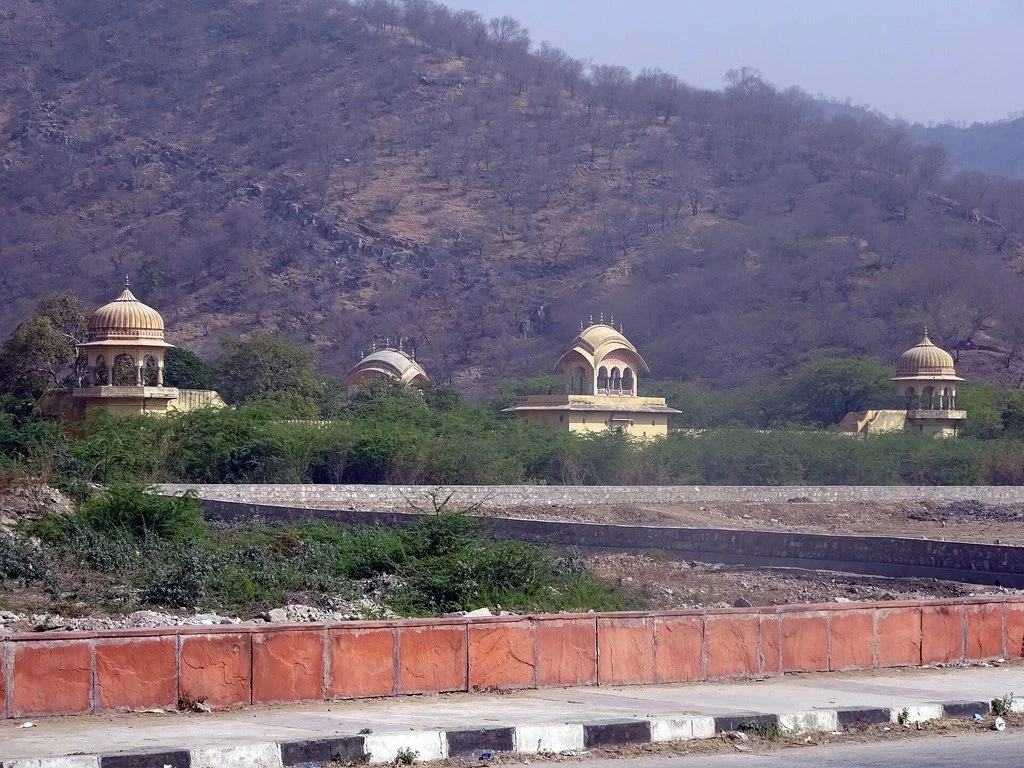
Kanak Ghati is on the Amer Road side of Jaipur, near Jal Mahal and on the broader route towards Amer. A cab or auto-rickshaw offers a direct approach. Metro travel requires an onward road journey because there is no station at the park.
Start by checking your destination in a Kanak Ghati map search. Inspect the entrance photographs and compare any similarly named pins before requesting directions. Save the correct pin to share with everyone travelling separately.
Reaching Kanak Ghati by cab or auto-rickshaw
A direct road journey is often the simplest arrangement with young children, a stroller or older relatives. Tell the driver which entrance you want and whether Kanak Vrindavan is also part of the plan.
Agree on the scope of the journey. A one-way drop, a waiting vehicle and a multi-stop sightseeing booking have different costs and expectations. If you want the driver to wait, establish how long is included and where you will meet afterwards.
For an auto-rickshaw, settle the fare before departure. For any vehicle, check that your group and bags fit comfortably. Avoid planning around a vehicle that leaves an adult balancing luggage while also trying to supervise a small child.
When arranging a return pickup, choose a clear meeting point. Save the driver’s contact details if you have booked a waiting vehicle, and keep the destination pin available on your phone. A photograph of the entrance can help when explaining your position.
How to reach Kanak Ghati by metro
The official Jaipur Metro Rail Corporation website confirms the operating connection through the old city to Badi Chaupar. Badi Chaupar can serve as a transfer point for an auto or cab towards Amer Road; another station may suit your starting location better.
The important point is the final road leg. A route description that says “take the metro” is incomplete without explaining how you get from the station to the entrance.
Before choosing this option, compare the total fare for your whole family, the transfer effort and your return journey. For one adult, public transport may be convenient. With two children, a folded stroller and grandparents, a direct vehicle may be worth the difference.
Do not assume a map’s walking route from a station will make a pleasant family walk. Check pavement continuity, crossings, heat and distance. Use an onward vehicle if that leg does not suit your group.
What about city buses?
If you prefer a bus, check a current Jaipur city-bus route source for the Amer Road corridor and confirm the relevant stop with staff before boarding. Route numbers copied from older blog posts may no longer describe the service you need.
Ask where you will get off, how far the entrance is from that stop, and which side of the road serves the return journey. For families, the road crossing and final walk can matter as much as the bus journey itself.
Avoid promising children an exact arrival time when travelling through an unfamiliar route. Leave room for a missed bus, traffic or a short refreshment stop. If transfers will use up everyone’s patience, simplify the transport plan.
Kanak Ghati Jaipur distance: use a starting point
There is no single useful “distance from Jaipur.” A family leaving Bani Park has a different journey from one staying near Jal Mahal or arriving at the airport. Published distances also differ because some measure straight lines while others describe road routes.
As broad orientation, reviewed travel guides place the Kanak Vrindavan area roughly 1–2 km from Jal Mahal and around 3 km from Amer Fort. These are approximate references for the area, not verified gate-to-gate measurements. Check your exact destination and live road route before departure.
| Starting point | Sensible approach |
|---|---|
| Jal Mahal area | Check the chosen entrance and take a short onward road trip if needed |
| Amer Fort | Consider the garden as a stop on the return towards Jaipur |
| Badi Chaupar or the old city | Continue towards Amer Road by auto or cab |
| Jaipur Junction | Compare a direct vehicle with the effort of changing transport |
| Jaipur airport | Plan around the actual arrival time, luggage and hotel check-in |
Parking and the final approach
Online claims about parking range from free to paid. Check the arrangement at your chosen entrance and confirm any charge before leaving the vehicle. A photograph of where you parked can be useful if several vehicles look similar.
Before unloading bags and children, identify a suitable stopping place. Keep children with an adult while another person handles tickets or parking. When leaving, gather everyone and their belongings before moving towards the road.
Things to do in Kanak Ghati and the nearby gardens
The best visit begins with modest expectations and a little curiosity. Choose a few things that interest your family, then leave time for the pauses that make an outing enjoyable.
Explore the Krishna-themed scenes
Krishna and Radha sculptures are a defining feature in published descriptions of Kanak Ghati park. Jaipur Beat’s photographic account also documents recreated Krishna scenes, although that article is from 2019 and does not establish today’s maintenance or activity arrangements.
With young children, stop at one scene and ask what they notice. Is someone playing an instrument? Which figure seems to be listening? A short exchange gives them a way into the story without needing a long explanation of every sculpture.
Use your family’s own level of familiarity with the stories. Some children will recognise the figures immediately; others may simply enjoy identifying shapes and expressions. Keep hands off sculptures and respect any barriers around the displays.
Walk slowly and notice the landscape
Give the walk a small purpose: find three leaf shapes, listen for two different sounds, or notice how sunlight changes between an open path and a shaded spot. These activities need no equipment and can end whenever interest fades.
For an older child, ask how a garden changes the experience of a city. Does it feel different from the market you passed earlier? What makes one spot inviting to sit in? Questions like these connect the visit with things they have already observed.
Let children look at plants and wildlife without picking leaves, chasing animals or leaving food behind. Photograph an interesting detail instead of taking it home.
Add Kanak Vrindavan’s heritage garden if it interests you
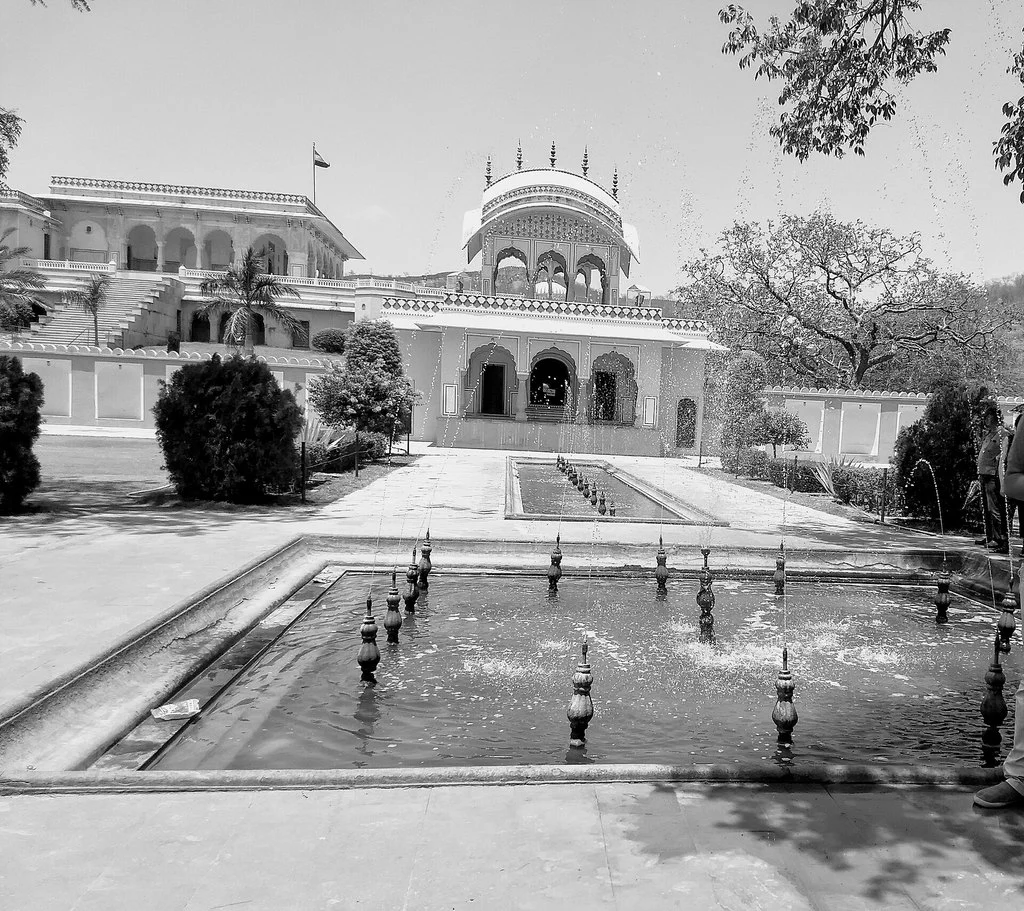
Rajasthan Tourism describes Kanak Vrindavan as a landscaped garden below the Nahargarh hills, with a carved temple, terraces, marble columns and latticework. These details make it a useful companion stop for families interested in architecture.
Rather than trying to name every architectural feature, pick one. A jali, or carved screen, becomes more memorable when a child notices its repeating pattern. A chhatri becomes easier to recognise after you point out its pavilion-like shape.
Keep access and admission separate in your planning. Ask locally whether moving between the areas involves another entrance, steps or an additional ticket. The proximity of two map pins does not answer those questions.
The C. P. R. Environmental Education Centre’s garden account describes an eight-part layout and the Parikrama fountain, carved from one marble slab. Look for the relationship between paths, planted spaces and water channels where accessible. A child who enjoys building things might imagine designing a small garden around the same idea: where would people walk, pause and find shade?
These are features of the heritage garden description. They do not establish that every fountain is running or every section is accessible on your visit. Enjoy the stonework and layout even if the water features are inactive.
Visit the temple respectfully
The Govind Dev Ji temple website identifies a Radha Madhav temple in Kanak Ghati on Amer Road. This location should not be confused with Jaipur’s main Govind Dev Ji temple near City Palace.
Check the current darshan arrangement if temple access is central to your visit. Garden opening hours do not establish temple opening hours. Follow the instructions about footwear, dress and photography displayed at the shrine.
Prepare children with one simple expectation before entering: walk calmly, keep voices low and allow worshippers space. If a child needs a break, one adult can step outside with them while the rest of the family finishes.
Take useful Kanak Ghati photos
Morning and later-afternoon light can be more forgiving than bright midday sun. Start with a wide view, then photograph a detail and one family moment. This produces a more varied set of memories than repeating the same posed picture.
Check what each photograph actually depicts. Images labelled “Kanak Ghati garden photos” may show the sculpture park, nearby Kanak Vrindavan, a temple courtyard or the wider valley. If you share a location recommendation, use an accurate caption so another family can find it.
Ask about equipment and permissions before using a tripod, arranging a professional shoot or photographing inside a temple. Keep paths clear and avoid putting children on walls, fountain edges or sculptures for a picture.
Visiting Kanak Ghati with kids: a practical family plan
A Kanak Ghati family visit works best as a flexible outdoor outing. Choose a route around your youngest child’s stamina, check facilities when you arrive, and treat any rides, water features or extra activities as a bonus until you see what is operating.
Ages 0–2: prioritise comfort
For babies and toddlers, begin with a short visit rather than committing to a complete circuit. Feed or change your child before leaving if that fits their routine, and keep the items you need first within easy reach.
If using a stroller, ask about steps and uneven surfaces before taking it far from the entrance. A carrier may suit some families, but choose what you can use comfortably in the day’s weather. Do not assume the whole site has a continuous accessible route.
One adult can scout the first stretch while the other stays with the child. That quick check can prevent a frustrating return over steps or a path that does not suit the stroller.
Ages 3–5: choose one small mission
A preschooler’s visit can revolve around finding something curved, something green and a figure they recognise. Keep the mission short enough that it feels like play rather than a worksheet.
Use clear boundaries before a child starts exploring. Explain which path you will follow and where they need to stay beside you. Offer a choice between two nearby things to see instead of asking them to decide the whole route.
Build in a seated pause before tiredness turns into resistance. A successful outing may be a walk, one story and a snack afterwards. It does not need to include every nearby attraction.
Ages 6–8: make it a discovery walk
Children in this age group may enjoy a five-item search: a repeating pattern, a carved detail, a bird sound, a shaded place and a scene they can describe. They can draw a quick memory map afterwards.
Encourage observation over collecting facts. “How would you explain this place to a friend?” often produces a better conversation than asking for the name and date of each feature.
If you also visit a formal garden, ask how its layout differs from the park. Notice paths, planted areas and where people stop. Keep the comparison simple and based on what the child can actually see.
Ages 9–12 and teens: give them a role
Older children can help choose a route, photograph architectural patterns or estimate how long the group needs before lunch. Let them suggest one question to investigate during the visit.
A teenager interested in photography may prefer choosing three compositions to joining a sculpture hunt. Another may enjoy comparing the garden with Amer’s courtyards. Offer responsibility and a little freedom within clear meeting arrangements.
Respect a child’s response if the place does not interest them. Give the visit a reasonable endpoint and move on. A family itinerary works better when everyone occasionally gets to choose the next stop.
Toilets, drinking water and food
The reviewed sources make inconsistent facility claims, and no current site inspection was available for this guide. At arrival, locate the nearest usable toilet and ask about drinking water. Carry your own water so the visit does not depend on a facility being available.
Food needs a similar approach. A café mentioned in an old article may not be operating today, and a listing that says “picnic spot” does not establish permission to bring a full meal. Ask before unpacking food or planning a group picnic.
For children with dietary requirements, bring a suitable permitted backup or arrange a meal before or after the visit. Check ingredients directly wherever you buy food. Do not rely on a general cuisine label to answer an allergy question.
Strollers, wheelchairs and older relatives
An accessible entrance does not necessarily mean every garden section, terrace or toilet is accessible. Ask about the route you actually intend to take: its surface, steps, width and distance to seating.
For a relative who tires easily, agree on a turning point before the walk begins. Avoid an arrangement where the whole group feels obliged to continue because they have already paid for admission.
If access is essential to your visit, seek current confirmation before travelling. A recent entrance photograph and a specific answer about steps are more useful than a broad “family-friendly” label.
What to carry and what to leave flexible
Keep the bag light: water, sun protection suited to the weather, tissues, a small waste bag, and the child-care items your family normally needs. Wear shoes suitable for walking and check the forecast before leaving.
Supervise children around water edges, steps and vehicle areas. If animals are present, give them space and keep food packed away. Do not assume that a quiet-looking path is suitable for a child to run far ahead.
Finally, decide what you can drop. If the walk takes longer than expected, omit an extra garden or viewpoint. Flexibility is part of the plan, especially when travelling with different ages.
Plan a relaxed outing with Jal Mahal and Amer
Kanak Ghati’s location makes it easy to consider alongside other north-Jaipur sights. The challenge is deciding how much your family will enjoy in one stretch.
A short outing for Jaipur families
If you live in Jaipur, keep the first visit simple. Leave after breakfast, visit your chosen garden or park, and finish before everyone is hungry. This lets you judge the place on its own rather than making it the final stop of a tiring day.
Allow 45–90 minutes on site as a flexible starting point, plus transport. Stay longer only if the family is comfortable and interested. If your children particularly enjoy one part, spend time there instead of moving them on for the sake of completing a loop.
A half-day garden-and-lake plan
For a gentle half-day, combine one garden visit with a Jal Mahal viewpoint stop and a planned meal. Check current access arrangements for each place rather than assuming all public areas offer the same facilities.
| Part of the outing | Suggested allowance | Purpose |
|---|---|---|
| Arrival and entrance checks | 10–15 minutes | Confirm access, charges and facilities |
| Kanak Ghati visit | 45–75 minutes | Walk, observe and take a short break |
| Travel and buffer | Use the live route | Allow for traffic and loading the vehicle |
| Jal Mahal viewpoint | 15–30 minutes | Keep this a brief additional stop |
| Meal or return | According to your routine | Finish before the youngest child is exhausted |
These timings are suggested allowances, not scheduled tours. Add time for feeding, changing, slow walking or a relative who needs frequent rests.
Combining Kanak Ghati with Amer Fort
If Amer Fort is the day’s main attraction, visit it while your family has the most energy. Afterwards, decide whether a shorter garden stop still sounds enjoyable. You can also reverse the order if your departure time and confirmed opening arrangements make that easier.
Keep one principal attraction and one optional stop. Adding Jaigarh, Nahargarh, multiple temples, a garden and a lake viewpoint can turn a manageable route into a long day of getting in and out of the car.
Hill-fort access also needs its own road route. A landmark that looks close on a map may involve a winding drive, parking and another walk. Check travel time instead of judging by the apparent distance across the hills.
If the park is closed or unsuitable on arrival
First establish whether the closure applies to your chosen park, a garden section or temple access. Ask for current information before changing the day’s entire plan.
If your family is comfortable, choose one nearby stop whose access you can confirm. If the problem is heat, tiredness or a child needing rest, return for a meal or hotel break. Another outdoor attraction may not solve the underlying issue.
For visitors planning a wider holiday, leave some room in the Jaipur itinerary for these choices. A well-paced trip gives children time to enjoy a discovery instead of carrying them through the final hour of a fixed schedule.
Frequently asked questions about Kanak Ghati
What is the ticket price of Kanak Ghati Jaipur?
Holidify publishes ₹35 admission for Kanak Ghati, but a current official counter tariff could not be verified. Nearby garden listings quote different amounts. Check adult and child rates, parking and camera charges at the exact entrance before paying.
What are the opening and closing times of Kanak Ghati?
Holidify lists 9 am–5 pm for Kanak Ghati. Incredible India lists 9 am–7 pm for Kanak Vrindavan, which should not be assumed to apply to every nearby entrance. Confirm your chosen park’s current opening and last-entry times before travelling.
Is Kanak Ghati the same as Kanak Vrindavan?
Many travel guides use the names interchangeably, while some local directories list a Kanak Ghati park and Kanak Vrindavan Garden separately. Compare the entrance pin and photographs, especially if you want Krishna sculptures or formal heritage gardens. Ask locally which areas your ticket covers.
Is Kanak Ghati a good place to visit with kids?
It can suit children who enjoy garden walks, visual stories and simple discovery activities. Plan around the youngest child’s stamina, confirm usable facilities, and check stroller access where needed. Rides or water features mentioned online should remain optional until you see what is operating.
How much time is needed for Kanak Ghati?
Allow about 45–90 minutes for a relaxed visit to one park or garden. Add travel time and extend the plan if you also want temple access or another garden. Families with toddlers may prefer a shorter visit, while interested older children may enjoy more time exploring.
Make the visit fit your family
Kanak Ghati can be an enjoyable pause in a Jaipur day when you choose the right entrance, allow enough time and keep expectations realistic. Check the current tariff and hours, plan the journey home, and give children a few interesting things to notice.
Before setting off, save your chosen map pin and decide whether this will be a short garden outing or part of an Amer Road day. For the next step, explore MagickWorld’s Jaipur-with-kids guide and choose one nearby activity that suits your children’s ages and energy.