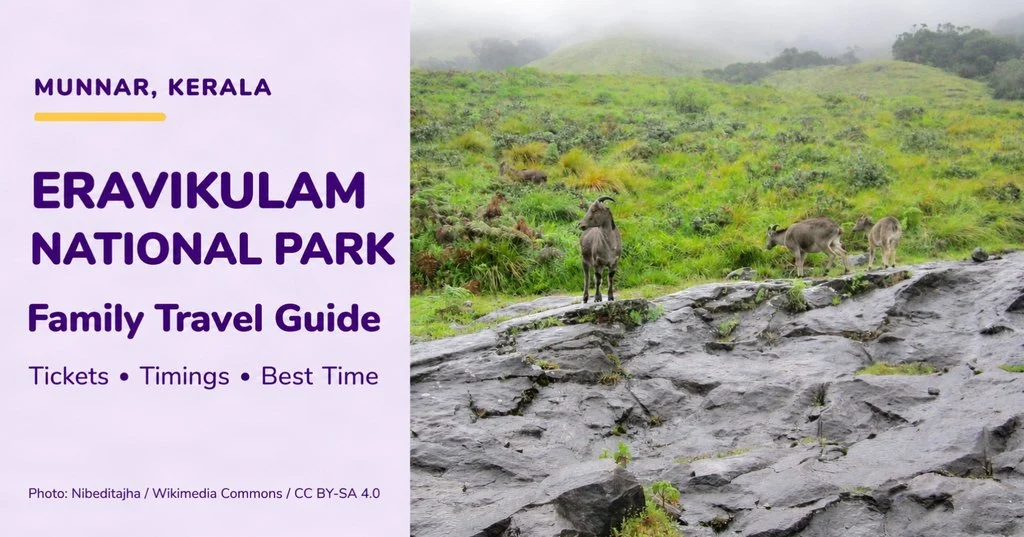
Eravikulam National Park: Tickets, Timings, Best Time to Visit and Family Travel Guide
A visit to Eravikulam National Park can be a lovely part of a Munnar holiday: a mountain bus ride, open grassland and the possibility of watching Nilgiri tahr feed on a hillside. Getting the day right, however, starts before you reach the gate. You need a valid entry slot, time for transport and a plan that works with your children’s walking and meal routines.
The usual visit combines authorised park transport with a walk in the Rajamala tourism zone. Allow a generous half day from your Munnar hotel, choose a morning slot if it suits your family, and check seasonal closure dates before building the rest of your itinerary around it.
This guide brings together tickets, entry times, travel arrangements and practical family decisions. It also explains what the standard visit includes, what needs separate permission and how to enjoy the park without depending on a particular animal sighting.
Eravikulam National Park at a glance
| Planning detail | What to know |
|---|---|
| Location | Near Munnar in Idukki district, Kerala |
| Tourist area | Rajamala, also written Rajamalai |
| Main experience | Park transport followed by a designated walking route |
| Main wildlife interest | Nilgiri tahr; sightings are not guaranteed |
| Entry window | Official booking page lists 8 am to 2 pm; follow your issued slot |
| Seasonal closure | Usually February and March for tahr calving; dates require annual confirmation |
| Suggested time | Keep half a day free, including hotel transfers and waiting |
Operating information was checked on 17 November 2026. Use the park booking portal for your travel date, because a general destination listing may show different hours or older tariffs.
Where is Eravikulam National Park located
Eravikulam National Park is in the high ranges of Kerala’s Western Ghats, close to Munnar. The visitor area is reached along the Munnar–Udumalpet road towards Rajamala. When searching maps or speaking to a driver, mention the tourist entrance and booking point rather than asking for a route to the centre of the protected park.
The park’s booking website places Munnar about 13 kilometres away. Other tourism pages use slightly different distances because their starting points and destination pins vary. Your hotel may also be well outside Munnar town, so use its actual location when deciding a pickup time.
Are Rajamala and Eravikulam the same place
Rajamala, often written Rajamalai, is the tourism zone associated with a normal Eravikulam visit. The national park extends beyond this visitor area. A ticket does not open every trail, forest patch or mountain within its boundary to tourists.
This distinction matters when comparing sightseeing packages. A description might mention grasslands, waterfalls, trekking and Anamudi together, although those places do not form one unrestricted walking circuit. Ask the operator exactly where the vehicle stops, what walking is included and whether any separate programme has been booked.
The Kerala Tourism overview identifies Rajamalai as the tourist area and distinguishes it from restricted parts of the park.
What makes Eravikulam National Park worth visiting
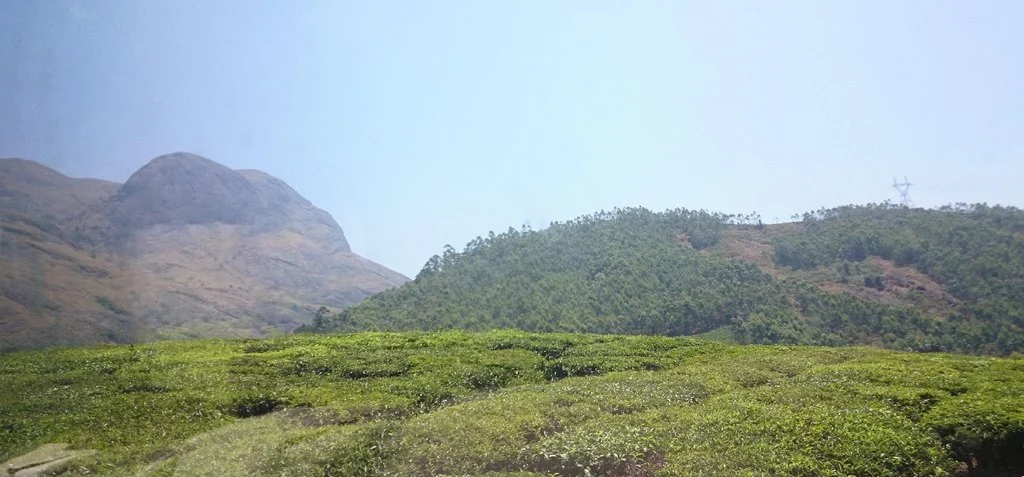
The park protects a mountain habitat of grassland and shola forest. Sholas are patches of montane forest between the open slopes. From the visitor route, children can notice how the dark wooded areas differ from the lighter grass-covered hills without needing a long lesson in ecology.
Eravikulam became a national park in 1978. Its conservation story is closely linked to the Nilgiri tahr, the endangered mountain ungulate that draws many visitors here. Incredible India provides background on its protected status and location.
Seeing Nilgiri tahr with realistic expectations
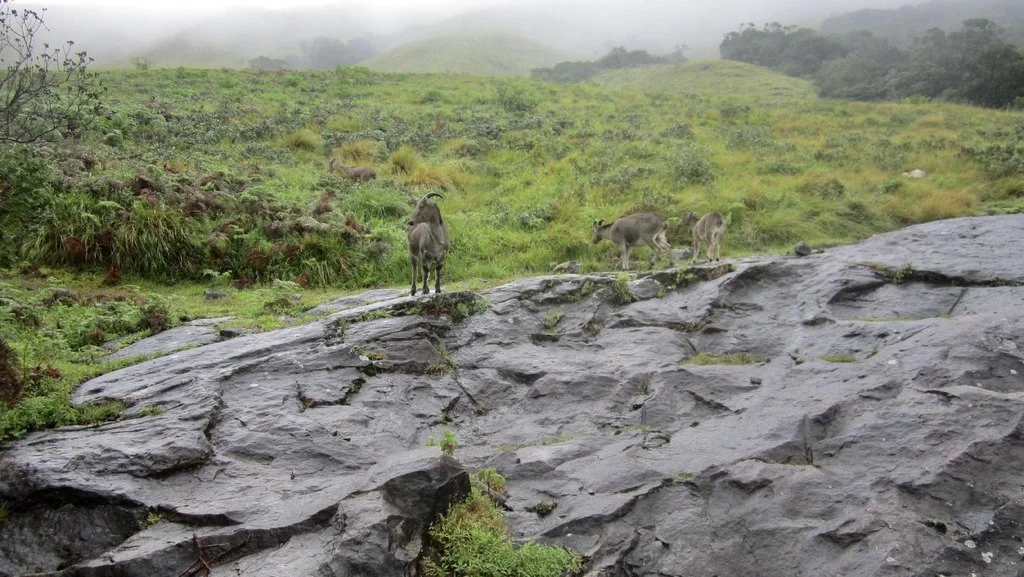
Tahr may appear on the grassy or rocky slopes around the tourist route. Sometimes an animal is easy to spot; sometimes mist, distance or its movement makes viewing difficult. Let children know before arrival that nobody can arrange for a wild animal to appear beside the path.
Give the outing more than one purpose. You could watch clouds moving across a ridge, look for different leaf shapes from the permitted route, or listen for birds. A child who enjoys the bus ride and notices a changing mountain view has still had a worthwhile morning if the tahr stay out of sight.
Anamudi and the mountain views
Anamudi, at 2,695 metres, is South India’s highest peak and lies within the park. Its presence in a destination guide should not be read as permission to climb it. Follow the visitor route and ask park authorities about any separately authorised activities. A standard sightseeing ticket is not a summit permit.
Will you see Neelakurinji flowers
The famous Neelakurinji mass flowering is associated with an approximately twelve-year cycle. Kerala Tourism records the previous major bloom in 2018 and the next expected opportunity around 2030. These are biological expectations, rather than a guaranteed flowering calendar. In November 2026, visitors should plan for grassland and wildlife viewing rather than expect hills covered in blue flowers.
Eravikulam National Park tickets and entry fees
The official park website currently lists the following adult and camera charges. Child pricing needs an additional check because the public guidelines do not display a complete child tariff and age policy.
| Ticket or charge | Published amount | Booking note |
|---|---|---|
| Indian adult | ₹200 | Recheck the final amount for your date |
| Foreign national | ₹500 | Use the appropriate visitor category |
| Child | ₹150 reported in May 2025 | Confirm current price and eligible ages at checkout |
| Ordinary camera | ₹50 | Check whether your equipment needs this ticket |
| Video camera | ₹350 | Confirm the applicable category |
| Information Centre reservation | ₹50 listed | Check whether this applies to your booking route |
Adult and camera figures come from the official booking guidelines. The child figure was reported by The New Indian Express on 28 May 2025; treat it as a budgeting reference until confirmed in the current booking flow.
Check the full amount before payment
Read the price breakdown rather than assuming that every displayed amount is an additional charge. Entrance, amenities, transport-related services and optional purchases may be described separately. Ask what the total covers before adding another bus allowance or paying an intermediary for the same service.
If you are travelling with a preschooler, confirm the rule for that child’s exact age. Do not assume admission is free because a website has no visible preschool category. School or student concessions, if offered, may also require documents and may differ from ordinary family tickets.
For a simple budgeting example, two Indian adults at the published adult rate come to ₹400. Adding one child at the reported ₹150 reference gives ₹550 before any other applicable charges. This is an estimate for planning, not a confirmed family package or checkout total. Your taxi, parking, meals and optional purchases belong in the wider day budget.
How to book Eravikulam National Park tickets online
- Open the park’s official website and follow its ticket-booking instructions.
- Check that your date is available and outside any announced closure.
- Select the offered entry slot and the correct visitor categories.
- Confirm children’s ages, any required identification and optional camera tickets.
- Review the total and cancellation terms before paying.
- Save the issued ticket and follow its reporting instructions.
Keep an offline copy of the ticket on your phone, and share it with another adult travelling with you. Check that the date and visitor count are correct while you still have time to resolve a mistake. If payment is debited without a ticket being issued, use the portal’s support process before making repeated payments.
Advance booking is sensible during holidays, but it does not automatically remove transport queues. Leave room for security checks, boarding and the return journey. If a tour operator is arranging admission, ask for the actual park ticket and its slot rather than relying only on a sightseeing voucher.
Comparing a park ticket with a sightseeing package
A package price can cover your hotel pickup, driver waiting time and other stops as well as admission. Compare those inclusions separately. A higher package total does not necessarily mean the park itself charges more, and a low advertised vehicle price may exclude every entrance ticket.
Before accepting a quote, establish how many people it covers, who arranges admission and what happens if the park closes or the available slot changes. If travelling with grandparents, include any assistance arrangements in the discussion. Keep the written inclusions available during the trip so the family and driver share the same plan.
Eravikulam National Park timings and time required
The official booking page lists entry from 8 am to 2 pm. Broader tourism listings show other opening and closing times, so the most useful time for your visit is the reporting slot on your issued ticket. Do not arrive late in the afternoon assuming an older closing-time listing guarantees admission.
A morning booking usually makes the rest of a family day easier to organise. You can have breakfast first, visit the park, then keep lunch and rest flexible. This is a planning preference, not a promise of clear weather, short queues or better wildlife sightings.
How much time should you keep free
Reserve half a day from your Munnar accommodation. Some families finish sooner, while a busy boarding area or a slow walk can extend the outing. A tight lunch reservation or an onward transfer immediately afterwards adds pressure without improving the visit.
Think of the time in separate parts: travel from the hotel, arrival formalities, waiting for park transport, the ride, walking and the return. The walking portion alone does not describe the effort or duration of the whole trip.
Ask staff about the return arrangement before walking away from the drop-off point. Families moving at different speeds should agree where to regroup. If someone wants extra photography time, make that decision around the needs of the youngest or least mobile member of the group.
Best time to visit Eravikulam National Park
Choose your month by balancing access, weather and your family’s routine. A general Munnar travel season does not always match the national park’s opening calendar. A February holiday can suit other parts of Kerala while missing this particular attraction.
| Travel period | Planning considerations |
|---|---|
| October to January | A practical period to consider for cooler outdoor sightseeing; allow for rain, mist and holiday demand |
| February and March | Usually the calving closure period; confirm exact dates before booking |
| April and May | Consider after reopening is confirmed; school holidays can make advance planning useful |
| June to September | Expect monsoon disruption to outdoor plans; check weather and operational notices |
These are planning considerations rather than a weather forecast or confirmation that the park will operate on every date. Morning mist can clear, remain or return. An early start gives you more time to adjust the day, but cannot ensure a mountain view.
Why does the park close for calving
The seasonal closure protects Nilgiri tahr during the birth of their young. A Kerala Forest Department order dated 23 January 2026 closed the park to visitors from 1 February to 31 March 2026. The order explains that newborn calves are vulnerable to disturbance and human presence.
For a future trip, check the Forest Department’s closure order and subsequent notices rather than carrying those dates forward automatically. The 2026 order confirms that year’s closure; it does not establish the precise 2027 reopening date.
Planning around rain and mist
If the forecast suggests persistent rain, keep a second possible park morning in your Munnar stay where practical. Check ticket amendment or cancellation terms before assuming you can switch dates. A flexible itinerary only helps if your reservation allows the change.
With toddlers, decide in advance what would make you postpone: heavy rain, an unusually long wait or a child who has not slept. There is no need to turn one missed attraction into a difficult day. Keep a local indoor alternative and a relaxed meal plan ready.
For a larger Kerala itinerary, compare the hill visit with your coast and backwater dates. Conditions that suit a houseboat holiday may not tell you whether the mountain route will be clear. Use each destination’s access information alongside the overall season.
How to reach Eravikulam National Park from Munnar
Most families arrange a taxi or their existing sightseeing vehicle to the visitor entrance. Confirm the hotel pickup time using the booked slot, the actual road route and a buffer for arrival. Ask the driver which entrance they use for Rajamala visitors, particularly if a map result points deep into the park.
For travel planning, allow roughly 30 to 45 minutes from Munnar town in ordinary conditions, with additional time from outlying resorts. This is a suggested allowance rather than a fixed journey time. Traffic, weather and your starting point can change it considerably.
Arriving from Kochi or an airport
It is generally easier to reach Munnar, settle in and visit the park on another morning than to attach admission to a flight-arrival day. Flight delays, luggage collection and the hill drive create several ways to miss a timed entry.
The park website identifies Kochi and Coimbatore as airport access options and Aluva, also called Alwaye, as a rail connection. Choose between them using your wider route and transfer arrangements rather than a single distance figure. A railway station or airport is not the start of the park’s internal transport service.
Can you drive your own car inside
Private vehicles do not take visitors through the regular tourist route. Plan to leave your vehicle in the designated area and use authorised park transport. Incredible India’s park guide notes the restriction on private vehicles. Confirm parking and any charge with your driver or park staff.
What happens during the bus ride and walk
For the usual Rajamala visit, arrive at the entry area, complete the ticket checks, use authorised transport and then follow the permitted walking route. This sequence helps explain why a booked ticket and a private taxi do not eliminate every wait.
Arriving and boarding
Use the arrival period for practical jobs: locate the right queue, check return instructions and ask about toilet access before heading higher. Keep tickets and identification accessible, especially if one adult is handling bags while another stays with the children.
Do not promise a child an exact boarding time. Bring a quiet game that works without food, noise or loose pieces. Looking for cloud shapes or counting different shades of green can keep a short wait manageable without leaving litter behind.
The walking route
The tourist experience includes walking after the vehicle transfer. Outlook Traveller’s route description refers to about a kilometre of onward walking, but the available route and turnaround point are controlled by staff. Ask what is open that day and whether the quoted distance is one way or the total return walk.
Treat it as an outdoor hill outing. An apparently smooth surface can still have a gradient, wet patches and exposure to wind or sun. Comfortable footwear and permission to turn back early matter more than completing a distance someone else recommended.
Is the regular visit a guided trek
The normal visitor walk and a named ecotourism trek should be treated as different arrangements. Kerala Tourism describes a three-hour Kurinji Trail and a separate Cascade Walk, but those programme descriptions do not establish that either is operating on your date or included in general admission.
If a guided programme interests you, obtain its meeting point, minimum age, duration and permission requirements before booking. Ask how much continuous walking it involves and whether there is a practical early return option. Choose it because the group wants that longer experience, rather than adding it to a morning that is already full.
Wildlife viewing and photography
Pause where there is room for other visitors to pass. Use your camera’s zoom instead of moving towards an animal, and keep children beside you when a tahr approaches the route. A wild animal’s tolerance of people can change quickly.
For family photographs, choose a permitted place away from wildlife and the flow of visitors. There is no need to step over a barrier or onto grass for a clearer background. Ask staff before using equipment that could obstruct the path or disturb animals.
Visiting Eravikulam National Park with kids
The outing can suit families who enjoy a bus ride and an unhurried outdoor walk. The deciding question is how your child manages waiting, weather and walking between meals. Age helps with planning, but it cannot predict every child’s comfort.
Before booking, explain the experience to children who know wildlife mainly from zoos or safari videos. Here, an animal may be distant, the route may feel quiet and there may be periods with little to see. A pair of binoculars, if you already have one, can make looking across a slope interesting without encouraging anyone to approach wildlife.
Let siblings choose different ways to engage. One may want to photograph clouds while another watches for movement in the grass. They do not need to enjoy the same part of the outing for the morning to work.
Babies and children aged 0 to 2
Build the morning around feeding and sleep before choosing the slot. Contact the park about essential infant feeding supplies and where they may be used, because the published rules restrict food and beverages. Do not depend on finding a suitable feeding or changing space at the exact moment you need it.
A carrier may be useful if it is one you already use comfortably. Check how you will manage boarding, bags and rain protection together. If taking a stroller, ask specifically about its use on transport and the walking route before relying on it for the whole outing.
Children aged 3 to 5
Explain the visit in a simple sequence: first the bus, then a walk, then the journey back. Make room for a shorter walk if the child tires. A preschooler may enjoy spotting one animal or watching mist move more than reaching the furthest permitted viewpoint.
Give them a small observation task that keeps them on the path. They could notice whether a hillside looks grassy or wooded, or listen quietly for a bird. Avoid games that involve collecting leaves, touching animals or racing towards a sighting.
Children aged 6 to 8
This is a useful age for introducing the idea of a protected habitat. Ask why visitors use a set route and why animals need space even when they appear calm. Let the child suggest a rule that would help wildlife, then compare it with the instructions at the park.
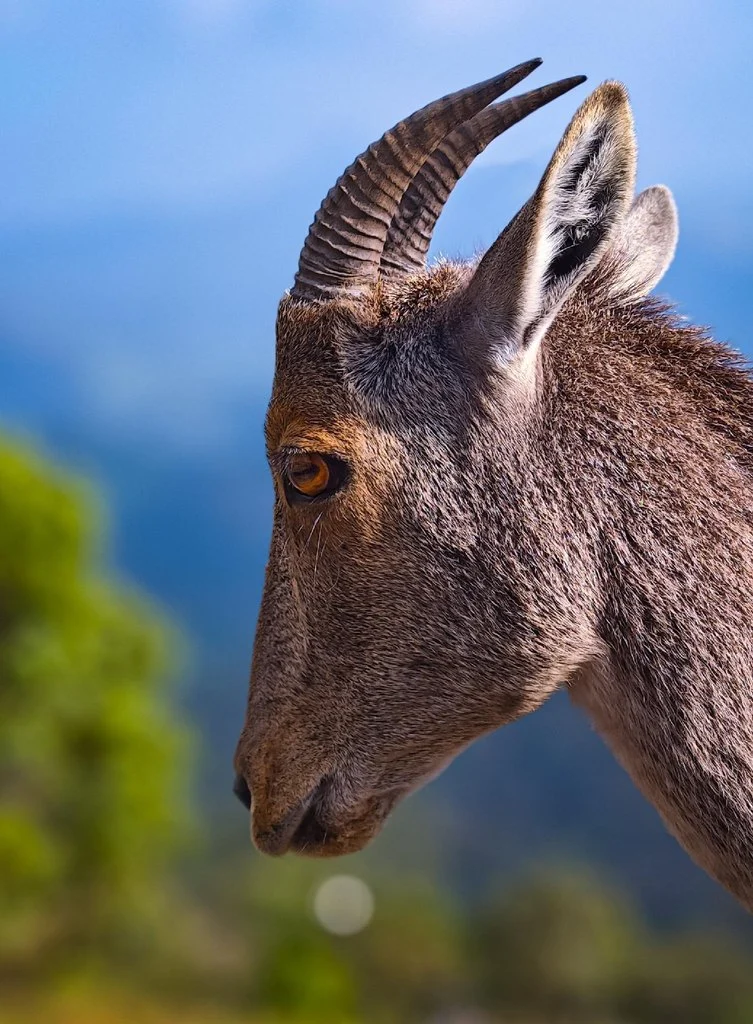
Afterwards, a quick drawing can capture something they noticed: the shape of a tahr’s horns, a rocky slope or a cloud hiding a hill. The activity needs no collecting and can happen back at the hotel.
Children aged 9 to 12
Older children can explore how tourism and conservation work together. Why might a park close during calving? What changes when many visitors walk through the same habitat? Discuss these questions without turning the morning into a worksheet.
Invite them to take one photograph and explain what it shows about the place. A picture of forest beside grassland can be as interesting as a close animal portrait. Encourage accurate captions rather than guessing a species name.
Meals and the return journey
Have breakfast before arrival and keep lunch flexible after the visit. Hunger becomes harder to manage when the group is committed to a queue or transport ride. A booking chosen around your usual meal routine may be more useful than the earliest slot available.
Agree on a comfortable turnaround point as a family. One adult should not need to persuade a tired child to keep walking simply because the rest of the group wants another view. Leaving with enough energy for the return ride is a sensible end to the outing.
Accessibility and travelling with elderly parents
Ask about the complete journey before describing Eravikulam as accessible for a particular person. Vehicle steps, waiting areas, gradients, toilets and the return transfer all affect whether a visit works. A short distance on a map does not establish an easy walking surface.
Reports have mentioned buggy facilities, but current availability, booking conditions and charges need direct confirmation. Do not book on the assumption that a buggy or wheelchair will be waiting without an arrangement.
Useful questions include whether step-free boarding is possible, whether a wheelchair can travel on the service offered, how far the person must walk and where seated breaks are available. Also ask what happens if they need to return before the rest of the group.
Plan the morning at the pace of the person who needs the most time. A smaller outing with confirmed assistance can be more enjoyable than an ambitious route based on an unverified accessibility label.
Entry rules and what to carry
The park’s published visitor rules prohibit feeding or disturbing wildlife, leaving designated areas and carrying plastic materials. They also restrict food and beverages. Follow the current instructions at the entrance and clarify essential infant or medical requirements in advance.
For a family visit, prepare these items and arrangements:
- Your issued ticket, required identification and a charged phone.
- Comfortable shoes with grip, a light layer and weather protection.
- Sun protection suitable for your family and the day’s conditions.
- Essential personal medicines, with any access questions resolved beforehand.
- A plan for drinking water and necessary feeding supplies that follows park guidance.
- A small bag that leaves your hands free when boarding and walking.
Ask staff how visitors should obtain or carry drinking water rather than interpreting the beverage rule yourself. Similarly, do not assume a reusable plastic bottle is acceptable in a plastic-free area. A quick clarification before travel is easier than reorganising supplies at the gate.
Keep wrappers, tissues and other waste with you until you can dispose of them properly. Children can practise leaving the place as they found it without being asked to pick up unfamiliar rubbish. Phones should remain quiet, and a wildlife encounter should never become a reason to shout or crowd the path.
Places to visit near Eravikulam National Park
Choose an extra stop by its direction and the energy your family has left. Nearby attractions listed together online are not necessarily beside the park entrance or included in its ticket.
Lakkam or Lakkom Waterfalls
Kerala Tourism describes Lakkom Waterfalls on the Munnar–Marayoor route. Consider it as a separate stop if conditions and your day’s route suit. Check current admission, access and local instructions; do not assume swimming or access to every part of the falls is allowed.
The official ecotourism programme page also describes activities such as the Kurinji Trail and Cascade Walk. These listings need current availability checks and should not be treated as automatic additions to a standard Rajamala ticket.
Munnar town and a tea museum visit
Returning towards town for lunch leaves room for a tea-related indoor visit if your family still wants an activity. Check the chosen museum’s own hours and closing days before deciding. A shorter stop can work well after the park without requiring another long drive.
Marayoor or Chinnar
These can belong to a longer route in the same broad direction, but deserve separate planning. Ask about drive time, permitted activities and the return before extending the day. A family that has already waited and walked at Eravikulam may prefer to leave a second wildlife outing for another day.
Mattupetty and other Munnar sightseeing
If you want to include sights on a different route, check the drive and avoid filling every gap on the map. Keeping a separate Munnar sightseeing day can make meals, rest and weather changes easier to handle.
A relaxed half day plan for families
Use this as a sequence to adapt to your issued entry time. It is not an official park schedule or a promise of how long each stage will take.
Start with breakfast at the hotel and check that the ticket, phone and required documents are ready. Before departure, confirm your pickup and return arrangement. Families with young children should settle feeding and toilet needs before committing to the transfer.
Reach the entrance with the reporting buffer requested on your ticket. Complete the formalities, clarify the day’s transport and walking arrangements, and use the available waiting time calmly. If the conditions differ from what your family can manage, discuss a shorter visit with staff.
During the walk, let observation set the pace. Stop for a view when there is room, give animals space and return while the children still have energy. A long pause watching one hillside can be more memorable than hurrying between photo points.
After returning to the entry area, have a flexible lunch plan towards your hotel or next local stop. Add one modest activity only if the group wants it. For a wider holiday, a useful two-night Munnar structure is an easy arrival day, a park morning after a night’s rest and enough time for departure without another fixed attraction.
When choosing accommodation, ask about breakfast timing, family sleeping arrangements and the actual drive to the visitor entrance. A property that fits your routine can make the morning easier even if another hotel appears closer on a general destination map.
Also establish how a hotel describes its location. A listing labelled Munnar can be some distance from the town centre, and a scenic approach may add bends and travel time. Share the exact property pin with your driver before agreeing to an early pickup. For a short stay, balancing room comfort with your chosen sightseeing routes is more useful than choosing solely by the view from the balcony.
Frequently asked questions
Is Eravikulam National Park worth visiting with children
Yes, it can suit children who enjoy nature, a bus ride and an outdoor walk. Plan around their stamina and meal routine, and prepare them for possible waits. Wildlife sightings remain uncertain, so include scenery and observation in the purpose of the visit.
What are the current entry fees
The official guidelines list ₹200 for Indian adults and ₹500 for foreign nationals. A May 2025 news report lists ₹150 for children. Confirm the current child age policy, optional charges and final total in the booking flow before paying.
Which months is Eravikulam National Park closed
The park usually closes during February and March for Nilgiri tahr calving. The 2026 Forest Department order specified 1 February to 31 March. Check the notice for your travel year, especially if planning an early April visit.
Can we take a stroller or wheelchair
Confirm the full arrangement directly with the park. Boarding steps, gradients, wet surfaces, toilets and transport storage can affect access. Ask about current assistance and any buggy service before relying on it; the presence of a paved route alone does not confirm suitability.
Does the ticket include an Anamudi trek or jeep safari
The usual Rajamala outing involves authorised park transport and a designated walk. Do not assume it includes a private jeep safari, a separate guided trek or Anamudi summit access. Ask for the exact programme and permission details when comparing packages.
Plan a Munnar morning your family can enjoy
Give Eravikulam National Park time in the itinerary, with a confirmed entry slot, realistic walking expectations and room for lunch afterwards. Check the annual closure before committing to dates, and resolve questions about children’s tickets or accessibility before travelling.
The most useful family plan leaves space to notice the place. Watch a hillside, listen quietly and let children ask their own questions. If you are building a Kerala holiday around Munnar, explore MagickWorld’s related Munnar and Kerala family travel guides or ask for help shaping a route around your children’s ages, interests and daily routine.