

Kuttikanam Travel Guide: Places to Visit, Best Time and Family Travel Tips
A hill-station holiday with children can go two ways. You can spend it moving between viewpoints, persuading everyone to get back into the car. Or you can choose a comfortable base, take one good walk, watch clouds drift over the tea gardens and leave time for a second breakfast.
Kuttikanam suits the second kind of trip. This hill destination near Peermade, in Kerala’s Idukki district, brings together plantation scenery, wooded walks, heritage stops and short drives into the surrounding hills. Kerala Tourism highlights its tea and cardamom landscapes and trekking opportunities. Kerala Tourism destination guide
The planning challenge is knowing what belongs in a relaxed visit. A roadside waterfall, a hill walk and a private heritage property need different amounts of time and preparation. Nearby Vagamon and Thekkady also deserve more than a hurried detour.
This Kuttikanam travel guide helps you choose places that suit your family, understand the seasons, plan the journey and build a manageable itinerary. The simplest starting point is one night for a short introduction, or two nights for a gentler family break.
1. Get to Know Kuttikanam Before Planning Your Trip
Where is Kuttikanam and what is it known for?
Kuttikanam, also written Kuttikkanam, lies in the Peermade area of Idukki, along the Kottayam–Kumily road corridor. It is a useful base for exploring the surrounding plantation country, with access towards Vagamon and Thekkady. The two spellings refer to the same destination, so try both when searching for accommodation or asking a driver for directions.
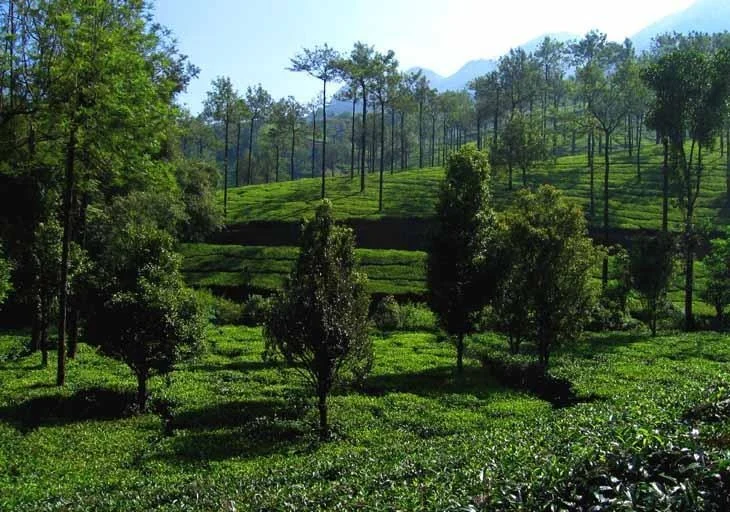
Its appeal comes from the setting: tea-covered slopes, changing cloud cover, pine trees and nearby hills. You do not need a long attraction list to enjoy it. A stay with a pleasant outdoor space and a well-planned local outing can give a family plenty to do.
Kuttikanam is also a lived-in town with colleges, shops and through traffic. Expect ordinary daily life around the junction, rather than a pedestrian holiday village. For a quieter stay, look at the property’s exact position and approach road instead of relying on a broad destination label.
Is Kuttikanam worth visiting with children?
Yes, especially if your children enjoy outdoor time and you are comfortable keeping the schedule flexible. Younger children can look for fallen pine cones or watch mist move through a valley. Older children may enjoy learning how tea grows, photographing hills or hearing the stories associated with Panchalimedu.
The best fit is a family that wants a short nature break with comfortable meals and downtime. If your holiday needs multiple indoor attractions, extensive shopping or organised entertainment throughout the day, check your accommodation’s facilities carefully before booking.
Choose experiences by walking ability and interest. A child who happily explores a garden may find an exposed viewpoint stressful; another may love the hill walk but lose interest in a long heritage visit. Leave room to change the plan after your first outing.
How many days should you spend here?
| Time available | A sensible approach |
|---|---|
| A few hours while passing through | One convenient stop and a meal |
| One full day based nearby | Two or three local stops with a proper lunch break |
| One night and two days | One main outing each day, plus time at the stay |
| Two nights and three days | Local sightseeing and an optional Vagamon day |
| A longer Kerala holiday | Combine Kuttikanam with a separately planned Thekkady stay |
These are suggested pacing choices, not package schedules. Arrival time, rain and your child’s sleep routine can change what fits comfortably.
2. Places to Visit in Kuttikanam and Nearby
The places below offer different experiences. Pick a mix: one hill outing, one plantation or woodland activity and a short cultural stop often work better than several similar viewpoints.
Suggested visit lengths are planning allowances, excluding travel. Access, visibility and opening arrangements should be checked locally.
| Place | Why include it | Suggested time | Family planning point |
|---|---|---|---|
| Panchalimedu | Managed hill walk and valley views | 60–90 minutes | Ask about the route and available accessibility facilities |
| Parunthumpara | Broad views over the surrounding hills | 30–60 minutes | Choose clear weather and stay well back from drops |
| Valanjanganam Waterfalls | Convenient roadside waterfall stop | 15–30 minutes | Water flow is seasonal; check parking conditions |
| Kuttikanam pine forest | Woodland atmosphere and a short walk | 30–45 minutes | Confirm the permitted entrance and walking area |
| Pattumala | Tea landscapes and Pattumala Matha Church | 30–60 minutes | Respect worship and photography arrangements |
| Ammachi Kottaram | Travancore heritage | Variable | Arrange permission; entry is not guaranteed |
| Peeru Hills | A walk with hill scenery | Route dependent | Choose a locally confirmed trail |
| Thrissanku Hills | Open landscapes and changing light | 30–45 minutes | Confirm the specific accessible viewpoint |
| A booked plantation experience | Tea growing and processing | Operator dependent | Check child suitability and activity inclusions |
Panchalimedu for a manageable family hill outing
Panchalimedu is one of the most useful places to visit near Kuttikanam when you want a walk with visitor facilities. Kerala Tourism places it roughly 10 km from Kuttikanam. DTPC Idukki describes walkways, benches, ramps, rain shelters and restrooms. Its association with the Pandavas and Panchali belongs to local legend, which can make an engaging story for children without presenting mythology as historical evidence.
The DTPC page lists admission at ₹25 for adults and ₹15 for children, with separate camera charges, and hours of 6 am to 7 pm. Another Kerala Tourism page gives a 6.30 pm closing time. Confirm the current closing time and ticket rules before visiting, and plan to finish well before dark. DTPC visitor information
Families using a wheelchair or stroller should ask which sections are currently practical. Listed ramps do not establish that every part of a hill attraction is step-free. Take the walk at the slowest person’s pace and use the rest points.

Parunthumpara for wide views without a packed schedule
Parunthumpara, often called Eagle Rock, is a viewpoint near Peermade. The attraction is the breadth of the landscape: wooded valleys and successive hill slopes that become clearer or disappear as clouds move across them. Kerala Tourism on Parunthumpara
Allow time to enjoy the view rather than arriving just before departure. Children can look for different shades of green, draw the horizon or compare the scene before and after a cloud passes. Those simple activities give the stop a purpose beyond taking a photograph.
Treat it as an exposed hill setting. Keep children beside an adult, avoid wet rock and turn back if fog removes useful visibility. A late-afternoon visit can be pleasant, but your return drive matters more than waiting for a particular sunset photograph. Leave while the approach road is still easy to see.

Valanjanganam Waterfalls for a short roadside break
Valanjanganam Waterfalls sits beside the Kottayam–Kumily road. DTPC places it about 4.9 km from Kuttikanam bus stand and lists daytime access without an entry fee. The council describes it as seasonal, particularly associated with June to September, so a strong cascade should not be assumed during a dry-season trip. DTPC waterfall guide
It makes most sense as a convenient stop on your existing route. With children, first check where the vehicle can park and how you will reach the viewing area. Enjoy the waterfall from an appropriate standing place rather than making bathing or rock climbing part of the plan.
If the roadside is crowded, rain is heavy or parking would create a traffic problem, carry on. You have lost only a short stop, not the day’s main experience. This is why it helps to keep the waterfall optional.
Kuttikanam pine forest for unhurried exploring
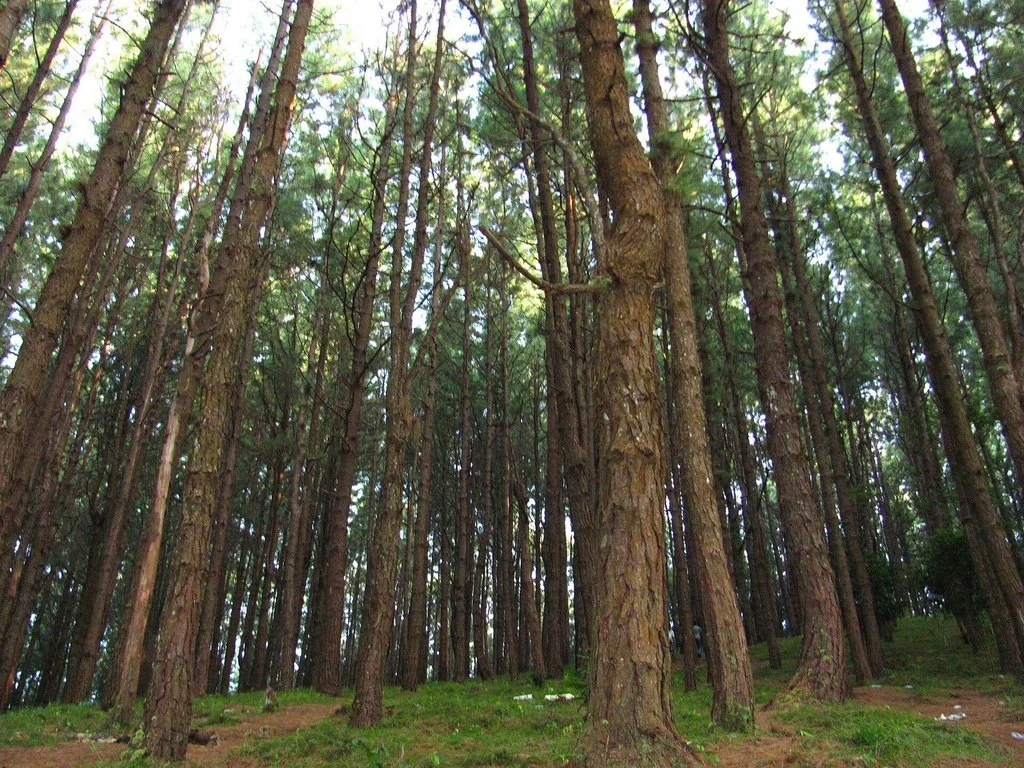
The pine forest offers a different kind of outing from the open hill viewpoints. Look upwards at the canopy, notice how the light changes between the trees and let children compare the ground here with a tea garden. The local forest appears in destination guides, including the Kuttikkanam Wikivoyage guide. Local sightseeing overview
Confirm the correct entrance and current access arrangements with your host. There are several wooded and plantation areas in this region, and a photograph labelled simply “pine forest” does not identify a permitted public route.
Keep the first walk short. Closed shoes are more useful than dressy footwear on uneven or damp ground. Look at fallen material without removing plants or damaging bark, and keep snacks packed away after your break. Children often notice more when the goal is to find three interesting things rather than cover a particular distance.
Pattumala for tea landscapes and a church visit
Pattumala combines plantation scenery with Pattumala Matha Church, dedicated to Our Lady of Good Health. Kerala Tourism highlights both the tea-growing landscape and the church, making this a useful stop when you want to vary a day of outdoor sightseeing. Pattumala destination information
A short visit can focus on the building, the surrounding views and a quiet pause. Check whether a service is taking place, dress respectfully and ask before photographing worshippers or interiors. Avoid turning an active place of worship into a noisy activity stop.
The tea slopes nearby are working land. View them from permitted areas, and arrange an estate visit if you want to explore further. Asking permission also gives you a better chance of learning something useful about the crop rather than simply walking between bushes.
Ammachi Kottaram for heritage, subject to permission
Ammachi Kottaram is associated with the Travancore royal family’s summer presence in this region. Kerala Tourism identifies the former Maharani’s residence as private property. That distinction matters when planning: historical interest does not automatically mean a building operates as a walk-in museum. Peermade heritage information
Ask your accommodation to confirm whether a visit is currently possible, who authorises access and which parts can be seen. If permission is unavailable, choose another stop. Do not enter an old structure through an open doorway or follow an online account of an earlier visitor’s access.
For children, keep any permitted visit focused on a few questions: why might a royal family have spent summers in the hills, and how would this building differ from their home? Avoid promising palace interiors before the arrangements are clear.
Peeru Hills and Thrissanku Hills for families who enjoy walking
Peeru Hills appears in Kerala Tourism’s guide as a trekking destination associated with the Sufi saint Peer Mohammed. It suits a family that actively wants a walk, provided the chosen route matches everyone’s ability. Ask about distance, surface, gradients and the return route rather than accepting “easy trek” as a complete description. Peeru Hills guide
Thrissanku Hills is known for rolling scenery and sunrise or sunset views. Confirm the exact viewpoint and permitted approach before setting out; broad attraction names may cover more than one access point. Choose a short visit in clear conditions if you are travelling with younger children. Thrissanku Hills guide
Neither needs to be added merely to lengthen your sightseeing list. If you already have a rewarding hill walk planned, an afternoon at your stay may be the better use of time.
A guided plantation experience for curious children
A working estate can help children connect a familiar drink with the plant it comes from. Misty Mountain advertises plantation walks and tea experiences, while Bethel Plantations describes factory and estate activities. These are examples to enquire about, with arrangements determined by the operator. Misty Mountain experiences · Bethel Plantations
Before booking, ask whether day visitors are accepted, whether the factory is operating and what children can observe. Check the walk length, minimum age, vehicle arrangements and whether a tasting or meal is included.
Prepare one question together before the tour: what happens to a leaf after it is picked? A specific question makes it easier for children to follow the explanation. Around machinery, use only designated visitor areas and follow the guide’s instructions.
3. Best Time to Visit Kuttikanam and What to Expect
Choose the season around your holiday priorities
For a first family visit centred on walks and sightseeing, December to February is a useful starting window. A local resort’s seasonal guide recommends those months for families and describes the broader post-monsoon period as suitable for plantation activities. This is seasonal guidance, not a forecast for your dates. Local seasonal overview
| Period | What to plan around | A useful family approach |
|---|---|---|
| December–February | Cooler mornings and evenings; generally a better window for outdoor plans | Book a comfortable stay and keep walks flexible |
| March–May | Warmer afternoons and possible pre-monsoon showers | Walk earlier, rest after lunch and carry water |
| June–September | Southwest monsoon rain, wet ground and changing visibility | Build the holiday around the stay and check travel conditions |
| October–November | Green landscapes with continuing rain possible | Keep a spare indoor activity and adaptable bookings |
The right month also depends on what would disappoint your family. If a clear valley view is essential, allow more than one opportunity to see it. If you mainly want a pleasant room, meals together and plantation surroundings, occasional rain may matter less.
Kuttikanam weather and temperature
Kuttikanam temperature searches often produce a single number with little context. A reading for a nearby town, a sunny afternoon and a misty evening can describe very different experiences. Your packing decisions should account for those changes rather than depend on one annual temperature range.
Bring light layers, a warmer top for evenings, rain protection and shoes that remain comfortable on damp surfaces. In warmer months, breathable daytime clothing still matters. Ask the property whether rooms tend to feel damp during wet weather and how clothing can be dried.
Before travelling, check the India Meteorological Department’s Kerala district warnings and forecasts, then ask your host about the specific approach road. District forecasts are useful for planning, while on-the-ground access information helps with the final stretch. IMD Kerala forecasts and warnings
Is Kuttikanam in monsoon a good idea?
It can be enjoyable for a stay-focused break, with greenery and rain becoming part of the experience. It asks more flexibility from families who want outdoor sightseeing every day. A room with somewhere comfortable to sit becomes especially valuable when an afternoon outing is cancelled.
Choose accommodation with meals available on site and an approach road the host can describe clearly. Pack a few small indoor activities: drawing materials, cards or a travel journal can fill an unexpectedly wet afternoon.
Do not interpret dramatic waterfall photographs as a reason to approach fast water. During heavy-rain warnings, follow official instructions and local closures. A missed viewpoint is easy to replace; an outing undertaken in poor conditions can disrupt the rest of the holiday.
4. How to Reach Kuttikanam and Plan the Road Journey
Road distances and practical travel allowances
Use the following as approximate road-planning ranges to the Kuttikanam area. Exact distances depend on your starting point, route and property entrance. The time allowances are editorial suggestions for a family car journey with modest buffers; they are not live navigation estimates or bus timetables.
| Starting point | Approximate road distance | Suggested driving allowance |
|---|---|---|
| Kochi city | 120–130 km | 3.5–4.5 hours |
| Cochin International Airport | 125–140 km | 3.5–5 hours |
| Kottayam | 70–80 km | 2–3 hours |
| Vagamon | 22–30 km | 45–75 minutes |
| Kumily or Thekkady area | 35–45 km | 60–90 minutes |
For context, Misty Mountain publishes approximately 121 km from Kochi and 130 km from Cochin International Airport to its property. Route sources place Kottayam around 71 km away. Treat property-specific figures as guidance for that address, not every hotel carrying the Kuttikanam name. Property route information · Kottayam route reference
Kochi to Kuttikanam by road
The Kochi to Kuttikanam distance is manageable for a short holiday, but allow time to leave the city and climb into the hills. Route choices vary with where you start. Ask your host or driver to compare the available approaches and confirm the final entrance before departure.
Avoid organising the arrival day around a tightly timed activity. A breakfast stop, traffic delay or slower hill section can move check-in later than expected. Plan lunch sensibly and keep the afternoon outing optional.
For the return, work backwards from your flight or train. Leave a proper margin for the downhill drive, traffic and the transport operator’s required reporting time. A map’s quickest journey estimate should not determine an airport departure plan on its own.
Train, flight and bus options
By air: Cochin International Airport is the usual practical gateway for this itinerary. Arrange onward road transport to the actual property, and share your arrival time so that check-in and meals can be planned.
By train: Kottayam is a useful railhead with onward road access. Choose the station and train around confirmed connections and the door-to-door journey. Kuttikanam does not have its own passenger railway station; a search result mentioning a “nearby station” still requires a road transfer.
By bus: Services on the Kottayam–Kumily corridor can be useful, but check the particular departure, stop and last-mile arrangements. Use the official KSRTC booking service for services it lists and confirm local options with the depot or your host. A bus that reaches the junction may still leave you needing a vehicle to the stay.
Make the hill drive easier with children
Keep water, a light snack, tissues and a change of clothes within reach. Ask for suitable child restraints when arranging a vehicle, and confirm the actual equipment instead of assuming it is included.
For winding sections, keep the itinerary loose enough for a comfortable break. Tell the driver early if a passenger feels unwell. Longer scenic routes make more sense when everyone is enjoying the journey; they are less appealing when a child is tired after a flight.
Share the accommodation pin before starting the climb and download the route. Call ahead before taking an unfamiliar estate lane, particularly late in the day. A short phone conversation can save a difficult turn or a wrong approach.
5. Kuttikanam Itineraries and Nearby Destinations
A Kuttikanam one day trip
This plan assumes you begin in Kuttikanam or nearby. If you are making a same-day return from Kochi, reduce the sightseeing to allow for the longer journey.
Morning: Have breakfast, then choose Panchalimedu or a pre-arranged plantation experience. Let this be the main activity rather than squeezing both into the morning. Carry water and allow a little time to sit and enjoy the setting.
Lunch: Stop for a proper meal. Decide on the afternoon after checking the weather and how everyone feels. Children are more likely to enjoy a second outing when lunch is not eaten hurriedly between drives.
Afternoon: Choose Pattumala for a shorter cultural stop, or a confirmed pine-forest walk if everyone wants more outdoor time. Keep a waterfall visit as an optional en-route stop when the flow and parking conditions suit.
Later: Consider Parunthumpara only if there is sufficient daylight and your return route remains comfortable. It can replace the afternoon activity rather than becoming another obligation. Two satisfying stops are enough for a good day.
A relaxed two day itinerary with one overnight stay
Day one: arrive and settle in. Reach your accommodation, have lunch and give children time to explore the permitted grounds. Use the afternoon for one nearby activity: a short woodland walk, a cultural visit or a viewpoint in clear weather.
Return early enough for a relaxed evening meal. Ask the host about the next morning’s conditions and confirm any booked activity. Lay out shoes and rainwear while everyone still has energy; it makes departure easier.
Day two: enjoy one main experience. After breakfast, visit Panchalimedu or take the plantation tour you have arranged. Families with enthusiastic walkers could instead select a locally confirmed hill route.
Have lunch before the onward drive, allowing for the property’s checkout arrangements. Add Valanjanganam only if it lies conveniently on your route and conditions make a stop worthwhile. This leaves the day with room for ordinary travel delays.
Two nights for Kuttikanam and Vagamon
A Kuttikanam and Vagamon trip works better when Vagamon has its own outing window. Spend the arrival afternoon locally, devote the next day to a limited Vagamon plan and leave the last morning for your stay or a short nearby experience.
In Vagamon, choose a couple of attractions that match your children’s interests. Meadows, a lake visit or an organised activity can provide variety, but each adds parking, tickets and walking time. Check current operations and any age or height restrictions before promising an adventure activity.
Allow lunch and the return journey to shape the day. A family’s enjoyment often drops when the final attraction is followed by a rushed meal and an evening drive. If Vagamon is the main focus of the holiday, compare staying there with using Kuttikanam as your base.
Combining Kuttikanam with Thekkady
Thekkady adds a different emphasis through Periyar’s forest setting and organised visitor programmes. Plan it around the specific experience you want rather than treating the reserve as somewhere to arrive and improvise.
Check the official Periyar Tiger Reserve website for programmes, availability and participation conditions. Confirm which activities suit your children’s ages and whether advance booking is needed. Wildlife sightings should be treated as a possibility, not a promised outcome.
An overnight stay in Thekkady can simplify an early start and reduce repeat driving. For a short Kuttikanam break, choose between a Vagamon outing and a Thekkady extension unless you have enough days to give each destination time.
Keep one part of every day open
Build a small reserve of flexible time into the itinerary. It can absorb a slower breakfast, a child’s nap or a cloud-covered viewpoint. If the day runs smoothly, use it for a tea break or more time outdoors.
Discuss the following day’s main choice with older children. Give them two realistic options, such as a plantation visit or a hill walk, and explain what each involves. A little ownership often produces more enthusiasm than announcing another stop from the front seat.
6. Where to Stay and Practical Family Travel Tips
Choose accommodation around the day you want
Kuttikanam resorts, homestays and plantation stays offer different holiday rhythms. A location near the main road may simplify arrivals and meals. A property deeper in an estate may offer more outdoor space, with extra driving for each outing.
Look beyond photographs of the view. Ask how far you will walk between the parking area, room and restaurant, whether there are steps, and what the final approach is like. For a short stay, convenience can have more value than a long list of facilities you will barely use.
Misty Mountain describes plantation and tea experiences, while Tea Terrain publishes room categories and its location in the wider Peermade area. These are examples for comparison, not assurances of suitability or current availability. Misty Mountain · Tea Terrain
Questions to ask before booking a family room
| Check | What to establish |
|---|---|
| Sleeping arrangements | Bed sizes, cot availability, extra-bed type and charges for each child’s age |
| Food | Meal times, simple food options, dietary requests and allergy handling |
| Room position | Steps, balcony access and distance from the restaurant |
| Outdoor areas | Whether play spaces are contained and how water or steep slopes are managed |
| Weather backup | A comfortable indoor area and activities available during rain |
| Access | Approach-road condition, parking and driver accommodation if needed |
| Booking terms | Total payable price, inclusions, cancellation rules and activity charges |
Ask for important arrangements in writing, especially bedding and meal commitments. “Family room” can describe different layouts. A room with a view may still be inconvenient if a tired child needs to climb several flights of stairs after dinner.
Things to do in Kuttikanam with kids by age
Ages 0–4: Keep outings short and close to meals and naps. A small permitted garden walk, watching clouds or looking at pine cones can be enough. Ask about a comfortable place to feed the child and whether moving around the property involves stairs.
Ages 5–8: Introduce a simple mission. Find three leaf shapes, count the layers of hills you can see, or draw a tea plant before a guided visit. Give the child time to investigate rather than turning every moment into a lesson.
Ages 9–12: Let children compare the route options, keep a photo diary or ask a guide about tea processing. A manageable walk can become more engaging when they help choose the turnaround point and track the time.
For mixed ages, take the youngest child’s needs seriously while giving older children a small responsibility. Carrying the notebook or choosing a question for the guide can keep them involved without extending the outing for everyone.
Food and meal planning
Make breakfast and lunch dependable, particularly on travel days. Ask what the property can provide early, what needs advance notice and when the kitchen closes. If your child prefers simple food, discuss actual dishes rather than a general promise of child-friendly meals.
Carry familiar snacks for delays, while leaving room to try local food at a comfortable pace. Explain dietary requirements clearly. For allergies, confirm ingredients and preparation arrangements directly; naming an allergy on a booking form is only the beginning of that conversation.
Build a budget from the whole trip
Start with accommodation for your actual family occupancy, then add transport, meals and selected activities. A room price for two adults may change once children’s ages and bedding needs are included.
Ask a driver whether the quotation covers the full route, local sightseeing, parking, waiting and any applicable allowances. For a plantation experience, check whether transport and refreshments are separate. A short itinerary is easier to price accurately than a vague request to “cover everything”.
For two adults and two eligible child tickets, Panchalimedu’s published basic admission adds up to ₹80, before camera charges or changes to the ticket rules. That example shows why accommodation and transport deserve at least as much attention as attraction tickets when comparing the holiday’s cost.
Pack for walking, rain and ordinary downtime
Bring comfortable shoes, spare socks, light layers, rain protection, water bottles and your family’s usual travel essentials. A small day bag is easier to use than repeatedly opening a suitcase at each stop.
Add one item that helps children engage with the destination: a sketchbook, a simple magnifier or a compact camera. Keep the kit small enough that it actually comes on the walk.
Before each outing, check three things: the current weather, whether access is permitted and how the return journey fits before dark. Then enjoy the day. A workable plan should leave you free to notice the place, with enough flexibility to return early when needed.
Frequently Asked Questions About Kuttikanam
What is Kuttikanam famous for?
Kuttikanam is known for plantation scenery, misty hills and opportunities for walking and trekking. Popular places in the surrounding area include Panchalimedu, Parunthumpara, Pattumala and the seasonal Valanjanganam Waterfalls. It works well as a short nature break or a base within a wider Kerala itinerary.
Which is the best month to visit Kuttikanam with family?
December to February is a useful starting choice for families planning outdoor sightseeing. Check the forecast for your actual dates, since a seasonal recommendation cannot guarantee clear views or dry paths. Rainier months can suit a stay-focused holiday when the accommodation and travel conditions support it.
Can you cover Kuttikanam in one day?
You can enjoy two or three local stops in one full day if you start nearby. A same-day return from Kochi leaves less sightseeing time because of the road journey. Staying one night gives you more flexibility, particularly with young children or weather-dependent plans.
Is Kuttikanam the same as Vagamon?
No. Kuttikanam and Vagamon are separate hill destinations that can be combined in one trip. Choose your base around the experiences you want and the location of your accommodation. If you want to explore both without rushing, allow a dedicated Vagamon outing rather than adding it after a full local sightseeing day.
Is Kuttikanam suitable for toddlers and grandparents?
It can be, when you select accommodation and outings around mobility, meals and rest. Ask about steps, walking surfaces and the route from parking to the room. Panchalimedu lists accessibility facilities, but confirm which parts are practical for your needs. Exposed viewpoints and longer walks can be replaced with shorter visits.
Plan a Kuttikanam Holiday Your Family Can Enjoy
The most rewarding Kuttikanam family trip usually leaves room between its main experiences. Choose a comfortable stay, pick one worthwhile outing each day and keep nearby destinations for the time they deserve.
Start with your children’s ages, your arrival time and whether you want to walk, learn about plantations or simply spend time in the hills. Then build the route around those choices. Explore MagickWorld’s related Kerala family travel guides or ask for a holiday plan shaped around your family’s pace.