

Best Time to Visit Udaipur: Month-by-Month Weather, Crowds and Costs
Udaipur can feel like two different trips. On a January morning, you might want a jacket for the boat across Lake Pichola. Come back in May and you will be looking for shade before lunch. Visit after a good monsoon and the hills around the lakes may be green; arrive after a poor one and the same view can look quite different.
So, when is the best time to visit Udaipur? For most first-time visitors, choose November to February. The days are comfortable for palace visits and walking around the old city, while the chance of rain is low. If you want one month, February is a particularly good balance of weather and sightseeing. Late November also works well, provided your dates do not coincide with a major holiday or a busy wedding weekend. December and January bring excellent sightseeing weather but can bring higher room demand.
That short answer does not settle every trip. A couple looking for misty hills may prefer the monsoon. A family tied to school holidays may need to work around summer heat. And a keen photographer may value September’s changing lake scenery more than a clear winter sky. Below, you can compare all 12 months using India Meteorological Department (IMD) climate figures, then weigh crowds, accommodation demand, boating and festivals before choosing dates.
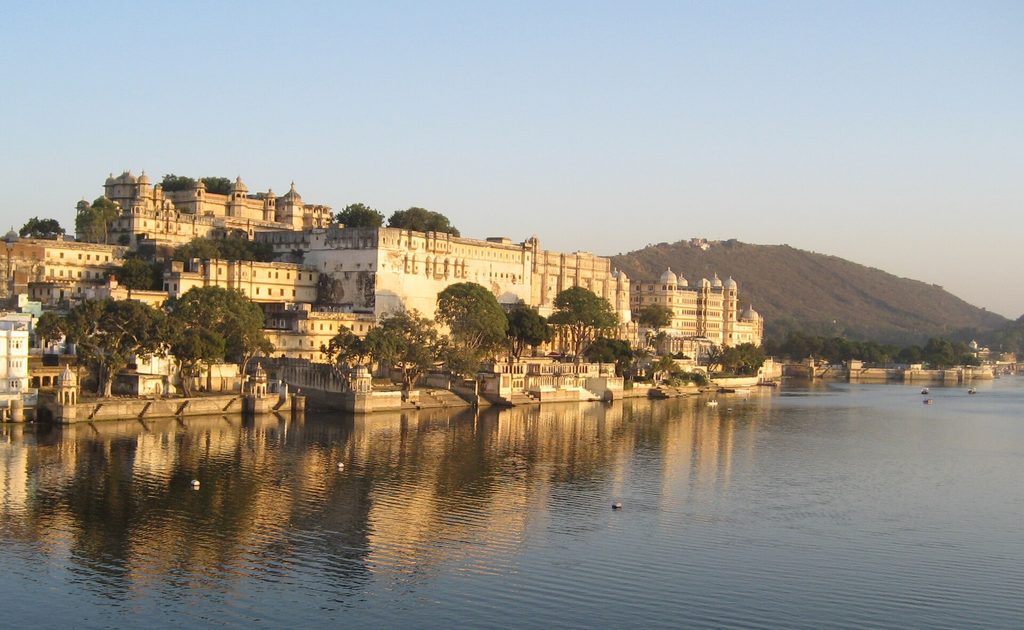
When is the ideal time to visit Udaipur?
The best season to visit Udaipur for a conventional sightseeing holiday runs from about November through February. Late October can work too, but early October afternoons may still feel hot. March starts pleasantly and gets much warmer as the month advances. Calling all of October to March “cool winter” hides these differences.
| Your priority | Dates to consider | What you gain | What to watch |
|---|---|---|---|
| First visit and full days outdoors | November–February | Comfortable sightseeing and relatively dry weather | Higher demand around festivals, weddings and year-end holidays |
| Best balance of walking weather and flexibility | February, or late November outside holiday dates | Warm days, cooler evenings, a practical pace | Weekends may still book up |
| Green hills and a chance of fuller lakes | Late August–September, or soon after a good monsoon | Dramatic scenery and changing skies | Rain and water levels vary; outdoor plans need a backup |
| Fewer tourists with decent weather | Select weekdays in late February or early March; late October if heat is acceptable | More choice of rooms and a calmer pace | Avoid assuming any festival weekend will be quiet |
| Lowest likely accommodation demand | May–June or some rainy weekdays | More scope to compare hotel offers | Heat or rain can reduce useful sightseeing hours |
| Family trip with children | November–February | Easier midday outings and shorter heat-related breaks | Reserve family rooms early during school holidays |
These are planning tendencies, not live prices or guaranteed crowd counts. A rainy weekend, a large wedding, Diwali dates or a school break can overturn the usual pattern. Compare the exact dates you want before treating any month as “cheap.”
What the Udaipur weather figures actually mean
The figures in this guide come from the IMD 1991–2020 climatological table for Udaipur (Dabok), the airport-area weather station. A monthly average high is the mean of daily maximum temperatures across many years; it is not the warmest temperature you might experience. A monthly average low is not a prediction for every morning. Conditions beside Lake Pichola, in a shaded lane or at a hilltop viewpoint may feel different from the airport station.
This distinction matters in both winter and summer. January’s average high is about 24.5°C, yet mornings average 7.6°C. May’s average high is 40.2°C; an individual heatwave can be hotter. Udaipur’s climate is strongly seasonal: the IMD table shows 235.6 mm of average rain in July and 205.4 mm in August, compared with less than 1 mm in December. Rain does not arrive in identical amounts each year, and the table does not tell you how full a particular lake will be when you visit.
If you are booking around a boat ride, outdoor event or day trip, check the IMD Jaipur weather and warning service again shortly before you leave. Long-term averages help you choose a month; a current forecast helps you choose what to do tomorrow.
Udaipur weather by month: temperatures, crowds and trip advice
This table gives a fast comparison before the month-by-month notes. Temperatures and rainfall are IMD averages for Udaipur (Dabok), 1991–2020. The crowd and hotel columns are editorial assessments of typical travel demand, not measured monthly prices. “Higher” means check dates early, especially weekends and holidays; it does not mean every hotel charges the same rate.
| Month | Avg. high / low | Avg. rain | Usual crowd and room demand | Best use of the month |
|---|---|---|---|---|
| January | 24.5°C / 7.6°C | 3.0 mm | High around New Year; otherwise variable | Long heritage walks and daytime boating |
| February | 27.9°C / 10.3°C | 1.3 mm | Moderate to high; event dates vary | First visits, families and outdoor sightseeing |
| March | 33.6°C / 15.6°C | 1.7 mm | Mixed; festival dates may be busy | Early starts and spring trips |
| April | 37.8°C / 21.1°C | 7.8 mm | Often lighter, except holiday or festival dates | Short morning itineraries |
| May | 40.2°C / 25.8°C | 11.0 mm | Often lower for leisure travel | Indoor-focused stays and hotel downtime |
| June | 37.5°C / 26.4°C | 76.8 mm | Usually lighter but highly variable | Flexible trips with shade and rain plans |
| July | 32.2°C / 24.9°C | 235.6 mm | Variable; rainy weekends can attract visitors | Green scenery with flexible scheduling |
| August | 30.5°C / 23.7°C | 205.4 mm | Variable; long weekends can be busy | Monsoon views and slow travel |
| September | 32.1°C / 22.0°C | 112.1 mm | Mixed; late month can improve | Post-rain landscapes, if the season has delivered |
| October | 33.4°C / 17.8°C | 13.7 mm | Rising; festivals can change the picture | Late-month visits with early sightseeing |
| November | 29.8°C / 13.0°C | 5.2 mm | Often high | Walkable days and lake views |
| December | 26.0°C / 8.8°C | 0.8 mm | High around holidays and the craft fair | Cool-weather sightseeing and events |
Source: IMD Udaipur (Dabok) 1991–2020 monthly climate table. These are historic averages, not a 2026 forecast. Crowd and accommodation assessments depend on the exact date, property and booking lead time.
Udaipur in January: crisp starts and easy sightseeing
January is excellent for people who want to spend much of the day outdoors. The IMD averages are 24.5°C by day and 7.6°C at night, with little rain. A sunny afternoon at City Palace may feel mild; a sunrise lakeside walk can feel decidedly cold. Pack a removable layer instead of relying on one outfit all day.
Best for: first-time visitors, older travellers who prefer milder afternoons, and children who can manage cool mornings. If a Lake Pichola boat ride is your priority, choose a daylight or late-afternoon slot, carry a jacket and confirm the operator’s current sailing arrangements.
Udaipur in February: a strong all-round choice
February is often the best month to visit Udaipur when you want comfortable walking weather without committing to Christmas or New Year dates. The long-term average high is 27.9°C, the low 10.3°C, and rainfall is small. You can usually plan an outdoor morning, pause for lunch and still enjoy the lakefront in late afternoon.
February suits mixed-age groups because you can keep a full but unhurried schedule. It also works for a honeymoon built around walking, cafés and sunsets. Festival timing changes from year to year, so look up the actual calendar instead of assuming a named event will always take place in February.
Udaipur in March: go early in the month, start days early
The IMD average high rises to 33.6°C in March. That number is a monthly mean, so early March can feel noticeably kinder than the final week. Rainfall is usually low. A spring trip still works well, but the most exposed part of the day starts to matter again.
Aim to see City Palace or wander the old city in the morning. Save a longer lunch, an indoor museum or a rest at your hotel for the warmest hours. Return to the lakefront in the evening. This is particularly useful with young children: one planned break can prevent a pleasant heritage day from becoming a tiring march between sights.
Udaipur in April: possible, but make heat part of the plan
April’s long-term average high is 37.8°C. Even if a particular morning starts gently, long walks in open courtyards can become uncomfortable by midday. This is a workable month for a flexible couple or a short trip with a well-located hotel; it is harder for families expecting uninterrupted sightseeing.
An April itinerary should have one major morning attraction, a proper afternoon break and a short evening outing. Check whether your hotel room stays comfortable during the day and whether transport is available when you need it. A cheap room on the edge of town may lose its advantage if you make repeated cross-city journeys in the heat.
Udaipur in May: the hottest average afternoons
If you ask, “What is the hottest month in Udaipur?”, May is the answer by IMD average daily maximum: 40.2°C. June can also bring severe individual hot days, but its average high is lower as the weather begins to change. In May, the city is better treated as a place for a slow stay than an all-day walking holiday.
Go out early, seek shade and arrange transport between exposed sights. Keep the middle of the day for a rest in a properly cooled room. An evening by the lake may be pleasant compared with noon, although temperatures do not suddenly become cool. If your trip includes children or anyone who tires easily in heat, be realistic about how much they will want to see.
Udaipur in June: heat with the possibility of early rain
June is a difficult month to predict from a single label. The IMD normals show 37.5°C average highs, 26.4°C average lows and 76.8 mm average rainfall. Some days feel like late summer; others bring cloud and showers. An early rain does not guarantee that the city’s lakes are full.
Plan around the forecast rather than a fixed sunrise-to-sunset route. For example, put an outdoor viewpoint on the clearest morning and keep a palace museum or relaxed meal as a switchable afternoon option. Footwear with a dependable grip is useful if rain catches you on old-city steps or lakeside paving.
Udaipur in July: a greener city and real rain
July’s average high drops to 32.2°C, but the IMD figure for monthly rain climbs to 235.6 mm, with about 9.6 rainy days on the station’s definition. The rain may fall in heavy spells with dry gaps, or interfere with the hours you hoped to be outdoors. It is misleading to promise either nonstop rain or guaranteed sunshine between showers.
This is an appealing time for travellers who like changing skies and the Aravalli hills turning green. Put flexible indoor sights on the plan: a palace museum, craft centre or long lunch can rescue a wet afternoon. Keep hilltop viewpoints and lake outings as weather-dependent choices. Ask the boat operator about conditions on the day; never assume a prepaid sunset slot will run in a storm.
Udaipur in August: lush views, humid air and changing plans
August averages 30.5°C by day, 23.7°C overnight and 205.4 mm of rain in the IMD record. Compared with summer, the afternoons are generally less hot. Humidity and wet shoes can still make a long walk tiring, especially with a pram or a group carrying bags.
Consider this month if greenery, clouds over Sajjangarh and time at a hotel matter as much as checking off attractions. Look for a covered terrace or a good indoor space when choosing accommodation. Schedule one or two main activities each day and keep the rest movable. You may find some routes or outdoor experiences unsuitable after a strong downpour.
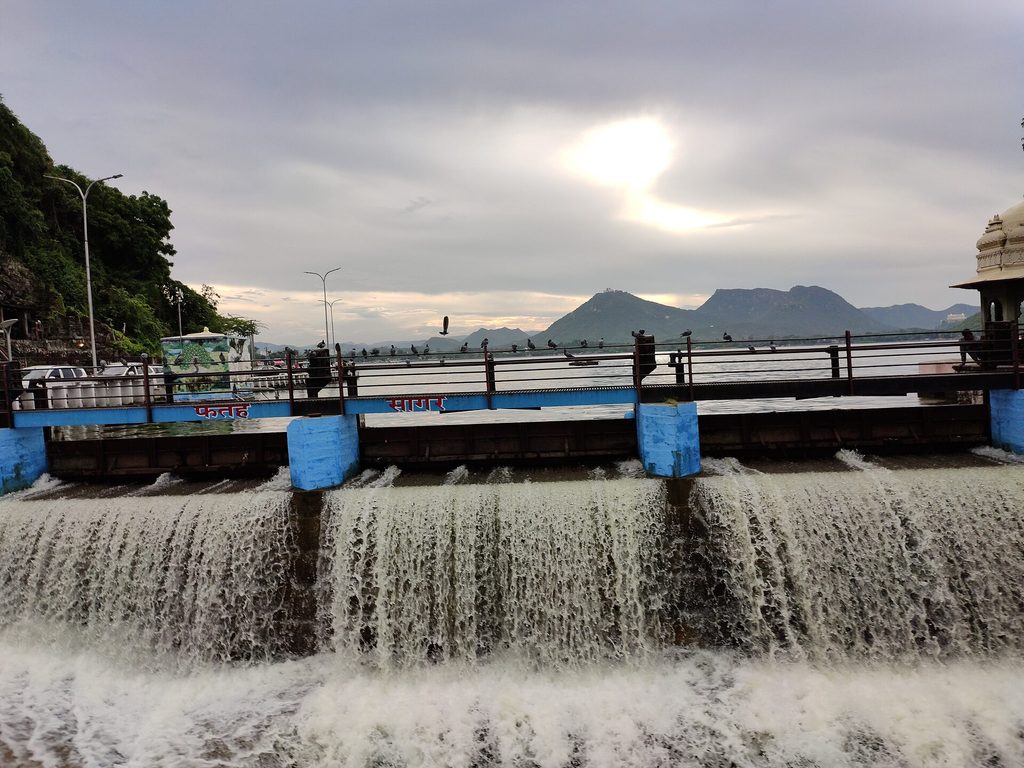
Udaipur in September: a rewarding transition if the rain cooperates
September is a useful month for travellers who want to see the landscape soon after monsoon showers. The IMD averages are 32.1°C high, 22.0°C low and 112.1 mm of rain. Some years, late September brings pleasant openings between showers and attractive lake scenery. In others, rain persists or humidity lingers.
If you are booking for a specific photograph or a boat ride, keep your dates flexible where possible. Spend the first clear period on the experience you care about most instead of saving it for the last evening. A family could use one day for City Palace and another for Fateh Sagar or Saheliyon-ki-Bari, swapping their order based on the forecast.
Udaipur in October: choose the second half if you dislike heat
Many guides label October winter, yet the IMD average high is 33.4°C. That is why Udaipur in October deserves a closer look. The monthly average combines warmer early weeks with more comfortable late-month conditions; the change does not happen on a guaranteed date. Average rain falls to 13.7 mm, which usually makes outdoor plans more reliable than they were in August or September.
After a healthy monsoon, the lakes and nearby hills may still look attractive. Begin your major sightseeing early, especially in the first half of the month, and leave sunset for Lake Pichola or a viewpoint. If you prefer cool air throughout the day, November or February is a safer selection.
Udaipur in November: comfortable days and rising demand
November is an excellent answer to “Which month is best to visit Udaipur?” if you want easy sightseeing and a reasonable chance of dry weather. The IMD averages are 29.8°C high, 13.0°C low and 5.2 mm of rain. That daytime figure is still warm in the sun; it is the cooler mornings and evenings, rather than a uniformly cold day, that make the month attractive.
Spend a morning at City Palace, return through the lanes near Jagdish Temple and plan the lakefront for late afternoon. If you are travelling with parents or young children, November generally gives you more usable daytime hours than October or March. Take a light layer for after sunset.
Udaipur in December: lovely weather, busier holiday dates
Is December a good time to visit Udaipur? Yes, particularly if you want cooler outdoor days. The IMD normal is 26.0°C high and 8.8°C low, with very little rain. It is a good month to pair a palace visit with an unhurried lakeside afternoon. Pack a warm layer for early starts, open-air dining and boat rides near sunset.
Late December is a different booking decision from the first half of the month. Christmas and New Year travel can increase demand, and Shilpgram’s annual crafts festival normally falls in the final part of December. The West Zone Cultural Centre describes the festival as a late-December event; check the current year’s programme before fixing your stay. If you want the craft fair, expect other people to want it too.
The three Udaipur seasons: what improves, what gets harder
The month table is the best tool for picking dates, but the seasons explain why the city feels different. Udaipur is a lake city in the Aravalli region, not a place where the same itinerary works comfortably all year. The difference is particularly clear when you move from a shaded museum to an exposed ghat or a hilltop viewpoint.
Udaipur in winter: November to February for most travellers
The winter season in Udaipur is the straightforward choice for a first visit. Most days are dry enough for walking between sights, and you can often fit two meaningful activities into the day without planning a long heat break. In December and January, mornings are cold enough for a jacket; in November and February, a lighter removable layer is often enough. Check the forecast because individual spells can be warmer or colder than the monthly averages.
Winter also coincides with stronger tourist demand. That does not mean every street is packed: early mornings, ordinary weekdays and less prominent corners of the old city can still feel calm. It does mean you should consider transport, room type and preferred boat slot early if your dates fall in a major holiday period.
Udaipur in summer: April to June for a slower itinerary
Udaipur in summer asks for a different pace. May’s average high is just over 40°C, and even April averages nearly 38°C. With children, it helps to plan one main outdoor stop early, an indoor or hotel break in the middle of the day, and a modest evening outing. Avoid forcing a full walking route merely because a travel list says you can “cover” six places.
Summer is sometimes called Udaipur’s off season, but that term can mislead. School holidays can still create pockets of demand, and a particular hotel may be booked for a wedding or event. What often improves is your ability to compare room types and flexible dates. Look for practical value: good cooling, reliable transport, a place to rest and a cancellation policy, not just a discount percentage.
Udaipur in monsoon: July to September for scenery and flexibility
The monsoon season in Udaipur brings welcome greenery and weather drama, but also meaningful rain. The IMD Dabok normals add up to roughly 441 mm across July and August. That is why an “occasional drizzle” description is not sufficient for Udaipur trip planning. Rainfall is uneven across days and years, and an intense spell can interfere with a road journey, viewpoint or boat outing.
Choose monsoon if you will enjoy seeing Fateh Sagar or the hills under changing clouds, can tolerate humidity and have a backup plan for your main outing. A comfortable hotel and a spare afternoon become valuable. Never approach a flooded ghat, overflow or slippery edge for a photograph. Follow local restrictions around boats and exposed viewpoints.
Choose your dates for families, honeymoon, boating and festivals
A month that is ideal for a long walking tour may be less convenient for someone travelling with a toddler. The best time for an Udaipur family trip depends on usable hours, while a couple may be happy to spend half a rainy day watching the lake from a sheltered terrace. Decide what you most want to do, then choose the weather window.
Best time to visit Udaipur with family or kids
For most families, November to February is the easiest window. You can split the day into a morning heritage stop, lunch and an afternoon garden or lake visit without retreating from extreme heat. Children may enjoy the space at Saheliyon-ki-Bari or an easy lakeside walk more than a rushed sequence of museums. The Rajasthan Tourism Udaipur guide is useful for checking the main sights as you build that mix.
If school dates push you into March or October, look closely at which week you can travel. Early March and late October often work better than the hotter edges of those months, although a forecast is more useful than a calendar rule. In May and June, make the hotel part of the plan and be honest about rest time. A pram, a long queue and a hot courtyard are a poor combination.
For a boat outing with children, ask about life jackets in suitable sizes, boarding steps, duration and weather policy before paying. Keep drinking water and a removable layer handy; a child who was warm on a sunny shore may feel cooler on an evening boat. If you have only two days, choose fewer stops and spend more time at each.
Best time to visit Udaipur for a honeymoon
For a honeymoon based on walking through the old city, an evening on Lake Pichola and dinners outdoors, consider November or February. December also has lovely light and cooler air, though holiday dates may raise accommodation costs. Before booking a “lake-view” room, check the actual view category and recent guest photographs; the words can describe very different rooms.
If you prefer green hills, rain and slow days together, late August or September can be memorable. The tradeoff is that a particular sunset or boat trip cannot be guaranteed. Build in an extra evening so one shower does not decide the entire stay. Choose accommodation where you would happily spend time during a wet spell.
Best time for Lake Pichola boating and other lake views
For a comfortable Lake Pichola boat ride, aim for November to February, with late afternoon popular for the light over City Palace. Rajasthan Tourism specifically highlights the lake’s sunset view on its Lake Pichola page. In summer, the sun can make an open boat uncomfortable; in monsoon, services depend on the day’s weather and operator decisions. Even in winter, operating hours, ticket types and access points can change.
If water level matters more than predictable boating weather, consider September or October after a good monsoon. The key phrase is “after a good monsoon”: neither a green travel photograph nor the annual climate average guarantees a full lake on your dates. Fateh Sagar offers a different setting from Pichola and can be worth a separate visit; Rajasthan Tourism’s Fateh Sagar page gives its location and context.

Fateh Sagar Lake in March. Photograph by Devyansh.sharma09, CC BY-SA 4.0; shown without edits.
Udaipur festival season: plan around the event, not a guessed month
Two seasonal experiences deserve particular attention. The Mewar Festival, linked with Gangaur celebrations, is a spring event in Udaipur. Its date can move between March and April. Processions and activity around Gangaur Ghat can add a great deal to a visit, but also affect how quickly you move through the old city. Use the official Rajasthan Tourism festival calendar for the relevant year, then confirm any programme details nearer departure.
The Shilpgram Utsav is usually held in late December. The West Zone Cultural Centre describes a ten-day annual event at Shilpgram, with crafts and performances. Go if you want to make room for the fair itself; do not treat it as an incidental 20-minute stop. December festival and year-end dates can coincide with stronger room demand.
Crowds, hotel costs and a practical Udaipur trip plan
Udaipur peak season usually describes the cooler, drier months, particularly popular holiday and event dates. Udaipur off season commonly describes the hottest weeks, but monsoon has its own draw and domestic long weekends can be surprisingly busy. These labels help you start a search; they cannot tell you the price of the room you want.
When is Udaipur less crowded, and when is it cheapest?
The cheapest time to visit Udaipur is often an ordinary weekday during a lower-demand period, particularly in the hot season. A rainy weekday may also offer good accommodation value. But “cheapest” depends on whether you need a family room, a lake view, flexible cancellation or an airline seat during a holiday. A saving on the room can disappear if you need extra taxis or spend most of the day inside.
Use a simple comparison before you book:
- Pick the same property and room category for three candidate date ranges: a winter weekday, a winter weekend and a date in your alternate season.
- Compare the total payable amount, including taxes, meals you actually need, extra-bed charges and any compulsory festival dinner.
- Check the cancellation deadline and whether the room really has the view or access you want.
- Add estimated transfers and activities. A cheaper out-of-town room may require more driving than a centrally located stay.
- Choose the dates that offer the best usable trip, not merely the lowest displayed nightly rate.
This method is more honest than a fixed “October costs X rupees” figure, which becomes stale as soon as a hotel changes inventory. For fewer crowds, favour ordinary weekdays outside major festivals and school holidays. February weekdays are a useful starting point if weather also matters; May can be quieter but is much hotter. No month guarantees an empty City Palace.
How many days are enough for Udaipur?
Two full days are enough for the main old-city and lake experience if you are happy to keep the pace simple. Three days are more comfortable for a first visit: you can see the historic core, enjoy the lakes and leave room for gardens, crafts or a viewpoint. Four days suit families who need breaks, travellers hoping to fit in a festival, or anyone who wants a day trip without racing through the city.
Here is a flexible three-day outline, not a fixed timetable:
| Day | Cooler-month plan | Change it for heat or rain |
|---|---|---|
| 1 | City Palace and nearby old-city lanes; Lake Pichola area in late afternoon | Start Palace early in March–June; choose indoor time if an afternoon shower arrives |
| 2 | Fateh Sagar and Saheliyon-ki-Bari; relaxed evening meal | Swap the order to use the best weather window; leave time to rest with children |
| 3 | Sajjangarh/Monsoon Palace viewpoint or Shilpgram; revisit a favourite lake | Keep the hill visit weather-dependent and check access before setting out |
Rajasthan Tourism has separate information on City Palace, Monsoon Palace and the wider Udaipur destination. Check opening times, tickets and access on the operator’s current page or at the venue: schedules and prices can change.
What clothes should you wear in Udaipur?
In December and January, carry a light-to-warm jacket for mornings, evenings and open-air boat rides; use lighter clothes underneath for sunny afternoons. In February and November, a removable layer is still useful. In March and October, choose breathable clothing, sun protection and comfortable walking shoes, adding a layer for later hours.
For April to June, think shade, a hat, water and loose, breathable clothing. A hot-weather itinerary needs regular indoor breaks more than an elaborate packing list. For July to September, bring a light rain layer, a small umbrella and shoes that grip wet paving; allow time for clothes to dry. In every season, dress respectfully at temples, carry shoes you can walk in on uneven old-city lanes and check the near-term forecast before closing your bag.
FAQs about the best time to visit Udaipur
Which month is best to visit Udaipur?
February is a strong single-month choice for a first trip: it is usually dry, pleasant for walking and easier to plan than a rain-dependent visit. November is another excellent option, especially if you like the look of the city after monsoon, but check festival and wedding dates before assuming rooms will be inexpensive.
Is December a good time to visit Udaipur?
Yes. December has cool mornings, comfortable sightseeing days and little average rainfall. It is especially attractive for outdoor heritage visits and Shilpgram’s late-December festival. Christmas and New Year dates can be busier, so compare room rates and book the type of accommodation you actually need.
Is monsoon a good time to visit Udaipur?
Yes, if you like green scenery and can keep plans flexible. July and August receive substantial average rainfall, which can disrupt hill visits and boating. September may offer post-rain lake views with improving weather, but every year’s rainfall is different. Check conditions close to the trip.
When does winter start in Udaipur?
Travel guides often call October to March the cool tourist season, but October’s average afternoon high is still about 33°C at the IMD Dabok station. For reliably more comfortable sightseeing, think November to February, with January bringing the coldest typical mornings.
What is the best time for an Udaipur family trip?
November to February is the easiest period for most families because outdoor activities fit into more of the day. If you need to visit in March or October, choose cooler weeks where possible and start sightseeing in the morning. In summer or monsoon, plan one main outing a day and leave room to change it.
Final verdict: choose dates that fit your trip
For a first visit, book Udaipur between November and February; choose February for a balanced sightseeing trip or November for a chance to see the city soon after the rains. Visit in the monsoon for green hills and a slower pace, with weather-dependent plans. Treat April to June as a hotel-centred, early-morning trip rather than a full-day sightseeing holiday.
Once you have two or three possible date ranges, compare the exact accommodation terms, check the current forecast and sketch a realistic two- or three-day route. A related Udaipur itinerary or places-to-visit guide is the natural next read.


