
Best Time to Visit Spiti Valley: Month-by-Month Weather, Roads & Snow Guide (2026)
Choosing the best time to visit Spiti Valley is not as simple as picking the warmest month. You also need to know which road you want to take, whether Kunzum Pass and Chandratal are accessible, how much cold you can handle, and whether your priority is a family holiday, a bike trip, trekking, photography or fresh snowfall.
For most first-time visitors, June to September is the most practical Spiti Valley tourism season. Stays and cafés operate, villages are easier to reach, and the chances of completing the full Shimla–Kaza–Manali circuit are highest. If one month must be chosen, September is the best all-round month for Spiti Valley: skies are often clearer and peak-season traffic begins to ease.
Two cautions matter. “Usually open” is not the same as “confirmed open”: Kunzum Pass, Chandratal and the Manali–Kaza road can open late or close early. And while Spiti sits in a rain shadow, its approach roads face monsoon rain, landslides and rockfall.
This guide compares Spiti Valley weather by month, typical temperatures, route windows, snowfall, crowd levels and the best time for different kinds of trips. It also explains what to verify before leaving and why a gradual ascent matters.
Best Time to Visit Spiti Valley at a Glance
The best time to visit Spiti Valley for most travellers is from June to September. Choose June for snow-lined roads and long daylight, July or August for the warmest conditions, and September for clearer views, fewer crowds and a strong chance of completing the full circuit. Visit in winter only if you understand the cold, limited services and weather-dependent access.
| Your priority | Best window | Why it works | Main compromise |
|---|---|---|---|
| First Spiti trip | Late June to September | Most attractions and stays operate; longer daylight | Peak traffic in July–August |
| Best overall balance | September | Clearer skies, lighter crowds, circuit usually open | Colder nights; early snow is possible late in the month |
| Full Spiti circuit | Late June to late September | Best chance of both Shimla and Manali approaches being open | Exact Kunzum opening and closing dates vary |
| Chandratal Lake | Late June to September | Approach road and camps are usually functional | Rough road, very high altitude and freezing nights |
| Family trip | Late June or September | More stable logistics and less extreme cold | Requires slow ascent and health planning |
| Bike trip | Late June to September | Open passes, long riding hours and operational services | Water crossings, loose surfaces and monsoon disruptions |
| Trekking | July to September | More trails are free of snow | Weather changes quickly at altitude |
| Photography | September to early October | Crisp light, clearer air and fewer vehicles | Shorter days and colder mornings |
| Snow landscapes | February to March, with expert support | Better chance of accumulated snow | Severe cold, closures and limited facilities |
| Active snowfall | December to March, never guaranteed on chosen dates | Winter systems may bring fresh snow | Trips can be delayed or stranded by the same snowfall |
The District Lahaul and Spiti administration describes mid-May to mid-October as the broad summer travel window for the district. That is useful for orientation, but it should not be interpreted as a fixed opening calendar for Kunzum Pass or Chandratal.
Which month is best for Spiti Valley?
September is the best month to visit Spiti Valley for the widest range of travellers. It often combines open roads, good visibility, manageable visitor numbers and access to Chandratal. June is a close alternative for travellers who prefer longer days and more snow on the surrounding peaks. Families and first-time visitors should normally choose a well-paced trip between late June and September rather than chase the earliest road opening.
Spiti Valley Weather by Month: Roads, Temperature and Things to Do
Spiti Valley does not have one uniform temperature. Tabo, Kaza, Kibber, Komic, Kunzum Pass and Chandratal sit at different elevations and can feel like different seasons on the same day. Sunlit afternoons may be comfortable while wind, shade and night temperatures feel sharply colder.
The ranges below are broad trip-planning estimates around commonly visited parts of Spiti, not forecasts or official climate normals. A live seven-day forecast close to departure is more useful than an exact-looking annual average.
| Month | Broad daytime / night planning range | Typical road and attraction access | Best for | Important caution |
|---|---|---|---|---|
| January | –10 to 0°C / –25 to –15°C | Manali–Kaza and Kunzum closed; Kinnaur route highly weather-dependent | Deep-winter expeditions | Severe cold, frozen water lines, few open stays |
| February | –8 to 2°C / –22 to –12°C | Kinnaur approach may operate between snow events | Snow landscapes, specialist wildlife trips | Closures, black ice and altitude risk |
| March | –3 to 7°C / –15 to –7°C | Winter access only; most summer services closed | Late-winter scenery | Not spring in the plains sense; snow and ice persist |
| April | 2 to 10°C / –10 to –2°C | Shimla–Kinnaur side may be usable; Kunzum and Chandratal closed | Quiet villages, snow views | Thaw-related rockfall and uncertain local roads |
| May | 5 to 15°C / –5 to 4°C | Reach Kaza mainly through Shimla–Kinnaur; Manali route often not open | Lower crowds, lingering snow | Do not assume Chandratal or Kunzum is accessible |
| June | 10 to 20°C / 0 to 8°C | Full circuit may open during the month; Chandratal access follows clearance | Road trips, families, snow-lined landscapes | Early June openings remain uncertain; cold streams grow later in day |
| July | 12 to 22°C / 5 to 10°C | Both approaches and Chandratal usually accessible | Biking, trekking, camping, village visits | Monsoon hazards on approach roads; peak traffic |
| August | 12 to 22°C / 5 to 10°C | Broad access in a normal year | Warmer days, trekking, cultural travel | Rain-shadow does not eliminate landslide risk en route |
| September | 8 to 18°C / 0 to 7°C | Full circuit generally open; Chandratal normally accessible | Photography, first trips, fewer crowds | Nights cool rapidly; early snowfall can affect passes |
| October | 3 to 15°C / –8 to 2°C | Early October may work; Kunzum and camps can close without much notice | Autumn light, solitude | Short days, frozen mornings and early-winter closures |
| November | –2 to 10°C / –15 to –5°C | Manali–Kaza generally closed; Kinnaur side conditional | Experienced cold-weather travellers | Limited heating, transport and hospitality services |
| December | –8 to 4°C / –22 to –10°C | Winter route only and weather-dependent | Snowy villages, winter expeditions | A fresh snowfall can stop movement and disrupt utilities |
Spiti Valley in May: quiet, cold and not yet a full circuit
May is a transition month. The lower Kinnaur route towards Nako, Tabo and Kaza may be functioning, but fresh snow, melting ice and road repair can still interrupt travel. The Manali–Kaza road via Batal and Kunzum Pass is commonly closed for at least part of May, and Chandratal should not be treated as available unless the local administration and operators confirm it.
Choose May if you value low visitor numbers, snow on high slopes and a quieter Kaza. Do not treat “May to October” as one continuous open season. Build a return route through Kinnaur and keep one buffer day.
Spiti Valley in June: the season begins, but timing matters
June is one of the most exciting months for a summer trip to Spiti Valley. Villages become livelier, more stays reopen and the daylight is useful for long drives. Early in the month, however, the status of Kunzum Pass, Batal and Chandratal can still be uncertain. Even after a route is declared open, the surface may be rough and services may take time to normalise.
Late June is generally safer for a complete circuit than the first week. It is also a strong family window when the itinerary enters through Shimla and adds gradual overnight stops. Pack for cold nights even if the afternoon sun feels warm.
Spiti Valley in July: warmest travel period with monsoon complexity
Is July a good time to visit Spiti Valley? Yes, July is usually one of the most accessible and active months inside Spiti. Kunzum, Chandratal, local villages and trekking routes are more likely to be open, and nights are milder than in the shoulder season.
The catch is the journey to the cold desert. Spiti itself receives limited monsoon rain, yet sections around Kinnaur, lower Himachal, Manali and the approach to Gramphu may receive rain or experience landslides and falling rocks. July works well for travellers who can keep a flexible buffer day, avoid night driving and respond to official advisories.
Spiti Valley in August: open landscapes, busy routes and variable approaches
August brings similar advantages to July: relatively mild days, operational homestays and access to high villages and Chandratal in a normal season. It can be a rewarding month for trekking and village-based travel.
Do not interpret “rain shadow” as “no monsoon risk.” A dry morning in Kaza says little about a vulnerable stretch several hours away in Kinnaur or near Manali. Check the entire route, not only the Kaza forecast. If a widespread heavy-rain warning is active in Himachal Pradesh, delay rather than forcing a fixed itinerary.
Spiti Valley in September: the best all-round choice
September offers perhaps the strongest combination of clear views, mature road operations and reduced peak-season pressure. The light is often excellent for landscape photography, the full circuit is normally possible, and Chandratal camps usually continue through much of the month.
Conditions shift quickly after sunset. Carry proper layers and complete pass crossings early. By late September, ask operators about camp-closing dates.
Spiti Valley in October: beautiful, cold and time-sensitive
Spiti Valley in October can be spectacular. Villages are quieter, the air is crisp and the angled autumn light works beautifully for photographs. Early October may still allow a full circuit in a favourable year, but the risk of the first meaningful snowfall rises as the month progresses.
This is not the month for a rigid return flight immediately after the drive. If Kunzum closes, the exit through Manali may disappear and the longer Kinnaur route may become the only option. Confirm heating at your accommodation; “room available” does not always mean central heating or running water throughout a freezing night.
Spiti Valley in November and December: winter logistics begin
By November, the regular summer season is over. The Manali route and Kunzum Pass are generally closed, many camps and cafés shut, and public transport becomes less predictable. December can bring beautiful snow-covered villages, but it also brings short daylight, sub-zero conditions and the possibility of road closures after fresh snow.
A winter trip to Spiti Valley should be organised as a winter expedition, not a cheaper version of a summer holiday. Use a locally experienced driver or operator, carry adequate emergency supplies, stay flexible and expect basic facilities. Active snowfall is never guaranteed for particular dates; the weather system that creates the experience can also stop the trip.
Spiti Valley from January to April: specialist travel, not regular tourism
January and February are usually the harshest months. March may look like spring on a calendar, but Spiti can remain deeply wintry. April begins the thaw, bringing a different mix of snow, slush, falling stones and local road repairs.
These months suit travellers who actively want winter conditions and accept limited mobility. They are poor choices for a first visit, a rushed holiday or a casual self-drive.
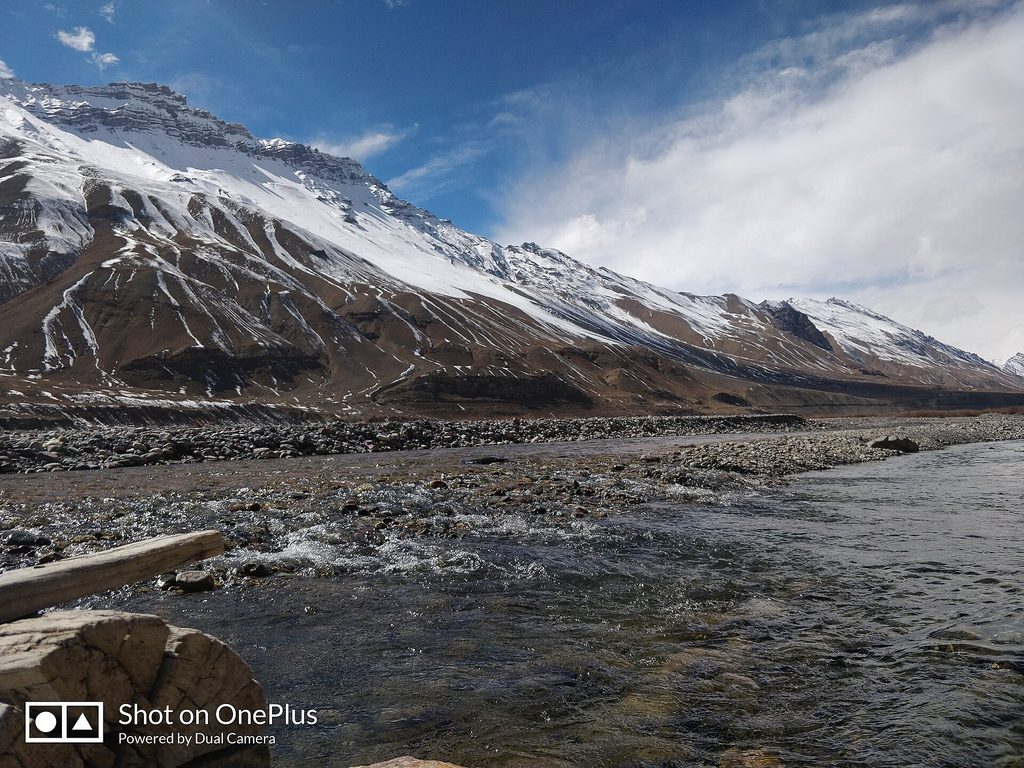
Image: Spiti Valley in winter. Photo by Konu-9712, Wikimedia Commons, licensed under CC BY-SA 4.0. Suggested alt text: “Snow-covered mountains and Spiti River during winter in Himachal Pradesh.”
Spiti Valley by Season: Summer, Monsoon, Autumn and Winter
Month tables help with dates, but a seasonal view explains how the whole trip changes—from road surfaces and daylight to accommodation and the kind of traveller you meet.
Spiti Valley in spring: April to May
“Spring” in Spiti is still cold. Snow begins to retreat from lower and sun-facing areas, while the high passes remain blocked. The Shimla–Kinnaur approach is normally the practical option, subject to local closures. May can be rewarding for repeat visitors who do not need Chandratal or a full circuit.
Choose spring for: quiet villages, winter-to-summer landscapes and lower tourist volume.
Avoid spring if: Chandratal is essential, you have a tight schedule, or you are not comfortable with uncertain access.
Spiti Valley in summer: June to early July
Summer is the classic reopening period. Snow-clearance teams work through the high corridors, tourism services resume and road travellers begin attempting the circuit. Late June is usually more dependable than early June for the Manali side.
Choose early summer for: long daylight, snow-lined slopes, a first road trip and family travel with a gradual approach.
Watch for: newly opened rough roads, cold water crossings, strong sun and large day-to-night temperature swings.
Spiti Valley during monsoon: July to August
Spiti’s cold-desert terrain lies beyond much of the southwest monsoon’s direct reach. That is why Kaza may remain relatively dry while popular destinations elsewhere in Himachal are soaked. Yet every Spiti trip must pass through terrain that can be affected by regional rain.
On the Shimla side, vulnerable sections of Kinnaur can experience landslides, shooting stones and temporary highway blocks. On the Manali side, rain, stream flow and road damage may affect the approach before or after the high desert. The sensible conclusion is not “never visit in monsoon” or “monsoon does not matter.” It is: July and August can be excellent inside Spiti, but only with route-wide monitoring and schedule flexibility.
The Himachal tourism department’s travel safety guidance specifically urges extra care on slippery roads and around landslides or rockfall during July and August. Check IMD Himachal warnings before each long transfer.
Spiti in autumn: September to October
Autumn is the connoisseur’s window. September usually retains summer access with clearer air and lighter crowds. October is quieter and more dramatic, but it becomes progressively less dependable for Kunzum and Chandratal.
Choose autumn for: landscape photography, stargazing, less crowded monasteries and slow village travel.
Watch for: rapidly colder nights, shorter daylight, seasonal businesses closing and an early snowfall changing the route plan.
Spiti Valley in winter: November to March
Winter strips the journey down to essentials. The Manali approach closes, only some stays operate, plumbing can freeze, phone coverage is unreliable and ordinary sightseeing may be limited by snow or ice. The Kinnaur route is often described as “open throughout the year,” but that phrase needs context: it may be the only possible approach, yet it can still close temporarily.
Winter suits experienced travellers and specialist snow or wildlife trips, not a first family holiday or improvised bike trip.
Spiti Valley Road Opening Time and Route Strategy
Road accessibility determines the real Spiti Valley season. There are two main approaches, and they behave differently.
Shimla to Spiti road conditions: the longer, gradual route
The route runs through Shimla, Narkanda, Rampur, Kinnaur, Nako and Tabo before Kaza. This side generally stays available for more of the year because it does not cross Kunzum Pass.
Its main advantage is acclimatisation. Travellers gain elevation over several days rather than making the much faster jump from Manali to Kaza. A comfortable plan usually includes nights around Narkanda or Sarahan and Kalpa or Sangla, followed by Nako or Tabo.
“All-season” does not mean interruption-free. Rain, falling rocks, snow, black ice, blasting and repair work can close individual stretches. During monsoon, check Kinnaur conditions separately from the weather in Kaza.
Manali to Spiti road opening time: usually June, never fixed
The Manali–Kaza journey now uses the Atal Tunnel to reach Lahaul before continuing towards Gramphu, Batal, Kunzum Pass and Losar. The Atal Tunnel does not make Kunzum an all-season pass. Snow clearance, avalanches, damaged surfaces and stream crossings still control the opening date beyond Lahaul.
The Manali to Spiti road usually becomes usable in June and remains available into October, but the window shifts every year. Some seasons allow an earlier opening; others do not. Always consult the official Lahaul and Spiti road-status page and confirm with a local operator or accommodation shortly before travel.
The Manali side is shorter but brings a rapid rise in sleeping altitude. That makes it a better exit than entry for many first-time visitors.
Kunzum Pass opening time
Kunzum Pass typically opens after snow clearance in late May or June and closes after autumn or early-winter snowfall, often in October. There is no responsible way to promise a date months in advance. An “open” announcement does not guarantee smooth conditions or access for every vehicle type.
Cross early in the day. Afternoon snowmelt can increase water flow across rough sections, and driving after dark removes the ability to read loose edges, rocks and stream beds.
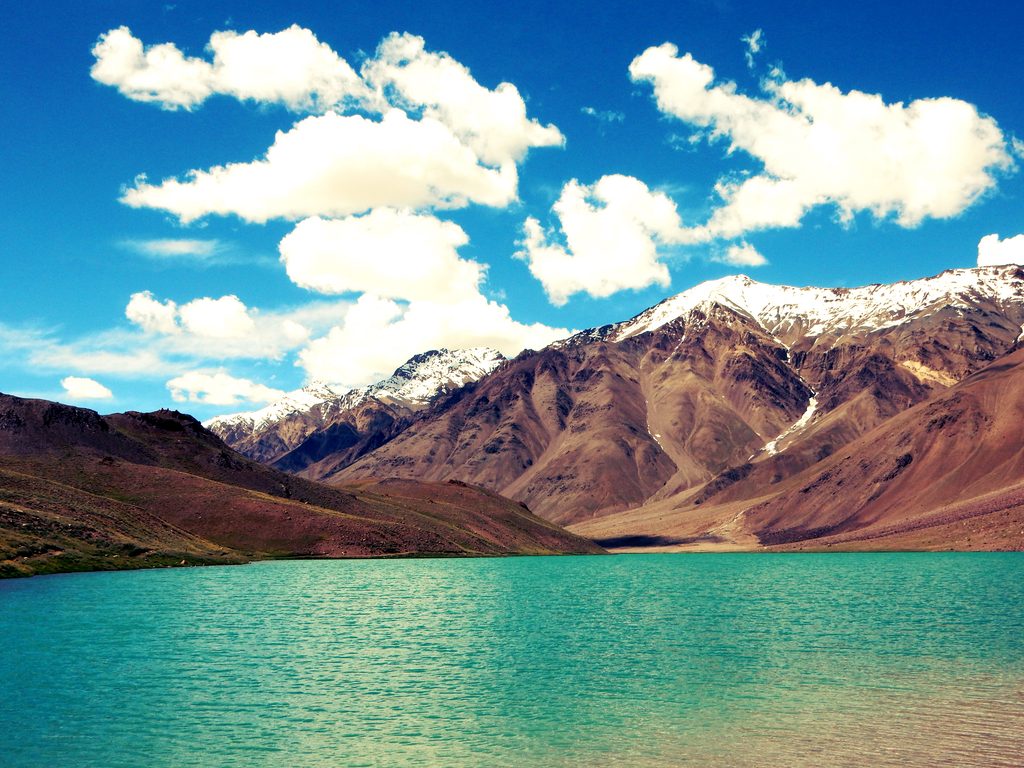
When does Chandratal Lake open?
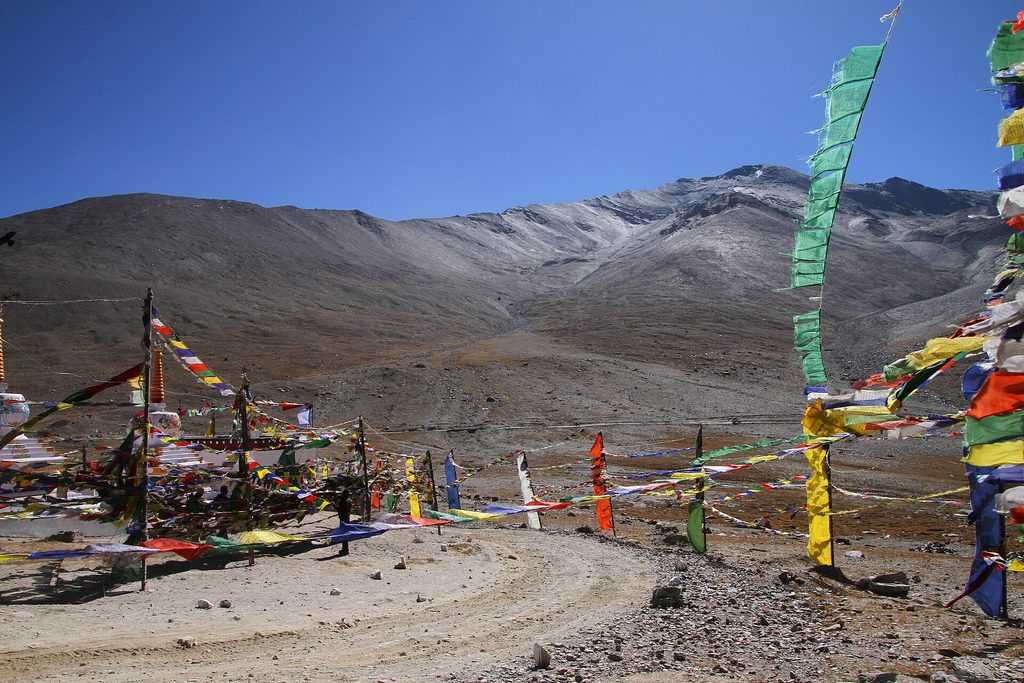
The best time to visit Chandratal Lake is normally late June to September. Road access and tented camps often begin only after the Kunzum/Batal corridor is cleared and inspected. They may close in late September or October as nights become severe and snowfall risk rises.
Chandratal is above 4,000 metres, so it should not be the first night of a fast ascent from the plains. Even fit travellers can develop altitude illness. Visit after acclimatising in the region, keep the first evening quiet and be prepared to descend if symptoms worsen.
Best time to complete the Spiti circuit
For the full Shimla–Kaza–Manali circuit, aim for late June to late September. Entering from Shimla and exiting through Manali is usually the more comfortable direction because the ascent is gradual. Plan at least one buffer day for road disruptions.
An eight- to ten-day circuit is a practical minimum from Chandigarh or Shimla; ten to twelve days allows a slower journey. Treat six or seven days as a Kinnaur–Kaza return trip, not a race around the circuit.
Best Time for a Spiti Road Trip, Bike Trip, Family Holiday and Snow
The ideal time to visit Spiti Valley changes with the experience you want. Use the decision guide below instead of forcing every trip into the same month.
Best time for a Spiti Valley road trip
Choose late June to September. By then, the highest passes are more likely to be open and fuel, food and accommodation services are operating more consistently. September has the best balance for many drivers because traffic begins to thin and visibility improves.
A high-ground-clearance vehicle helps on the Manali–Batal side, but cannot compensate for poor judgment. Avoid night driving, refuel before remote sections and carry offline maps, water, food and an emergency kit.
Best time for a Spiti Valley bike trip
The strongest bike window is late June to September. July and August offer milder air temperatures, while September offers clearer skies and less traffic. Riders must still prepare for cold wind, dust, loose gravel, stream crossings and sudden weather.
A short map distance can take hours. Start early, carry repair essentials and avoid riding alone on the rough Kunzum–Batal–Gramphu sector. Attempt early June or October only with current local information.
Best time to visit Spiti Valley with family
For families, late June and September are usually the most manageable choices. Services are available, temperatures are less severe than winter, and the route can be paced through Shimla and Kinnaur. July and August can also work if the family accepts monsoon-related delays on the approaches.
Children can be affected by altitude just as adults can. Young children may show vague signs such as unusual irritability, poor appetite, altered sleep or reduced activity rather than describing a headache clearly. The CDC’s guidance for travel with children recommends slow ascent and attention to unexplained symptoms after gaining height.
There is no single age that makes a Spiti trip automatically safe. Discuss the itinerary with a doctor if a child, older adult or any traveller has heart, lung, blood or other relevant medical conditions. Avoid a direct, rushed Manali-to-Kaza ascent, schedule rest and keep the option to descend.
Best time to visit Spiti Valley for snowfall
If you want snow-covered landscapes, February and March may offer a better balance than the darkest part of winter, though conditions remain severe. If you specifically want to see snow falling, December to March provides the broad possibility, but no guide can guarantee snowfall on selected dates.
Fresh snow creates the view and the disruption. Roads may close, vehicles may be unable to move and power or water can be affected. Book a guided winter plan with buffer days and do not treat a forecast snowstorm as a photo opportunity to drive into.
Best time for photography and stargazing
September to early October is excellent for crisp landscape images, cleaner horizons and lower visitor density. June also works well for contrasting snow on peaks and brown cold-desert terrain. For night-sky photography, choose a moon phase that supports your subject: a darker lunar window for the Milky Way, or a brighter moon for illuminated landscapes.
Clear sky matters more than the month alone. Wind, cloud, local lights and the moon change results. Carry spare batteries and seek permission near monasteries.
Best time for trekking
July to September is the general trekking window because more trails and passes are free of winter snow. The correct dates depend on the route, elevation, river crossings and guide assessment. A Pin Valley day walk is not equivalent to a high-pass trek.
Use a trained local guide for remote routes, build acclimatisation days into the plan and do not depend on a generic “trail open” post. A trek can be technically snow-free yet unsafe because of water levels, landslides or an incoming weather system.
Spiti Valley Trip Planning: Days, Altitude, Packing and Live Checks
Good timing reduces risk, but the itinerary still decides whether the trip feels memorable or exhausting.
How many days are enough for Spiti Valley?
Allow eight to ten days for a sensible Spiti circuit from Chandigarh or Shimla, and preferably ten to twelve days for a slower trip. If you only have six or seven days, enter and exit through the Shimla–Kinnaur side or focus on Kaza and nearby villages after reaching the region safely.
A balanced ten-day outline could look like this:
- Chandigarh or Shimla to Narkanda/Sarahan
- Narkanda/Sarahan to Sangla or Kalpa
- Kalpa to Nako or Tabo
- Tabo and Dhankar to Kaza
- Kaza rest day and Key/Kibber
- Langza, Hikkim and Komic
- Pin Valley or a flexible local day
- Kaza to Chandratal, only if open and suitable
- Chandratal to Manali
- Buffer or onward journey
Do not delete the rest or buffer days just to fit more stops. They protect the trip from fatigue, altitude and road changes.
Acclimatisation is more important than fitness
Kaza is around 3,650 metres above sea level, and several popular stops are higher. Athletic fitness does not prevent acute mountain sickness. The CDC’s high-altitude travel guidance recommends gradual exposure and avoiding alcohol or heavy exercise during the first 48 hours above 2,400 metres.
Common altitude-illness symptoms include headache with nausea, dizziness, unusual fatigue or disturbed sleep. Confusion, loss of coordination, or breathlessness at rest are emergency warning signs. Stop ascending and seek urgent medical help; descent may be necessary. Do not use a blog as a substitute for medical advice, and discuss preventive medication with a qualified clinician rather than self-prescribing.
Practical acclimatisation rules are simple:
- Enter through Shimla and Kinnaur when the schedule permits.
- Keep the first day in Kaza easy rather than driving immediately to the highest villages.
- Drink normally, eat regular meals and avoid alcohol early in the stay.
- Do not ignore a worsening headache because the day’s hotel is prepaid.
- Never send an unwell person higher to “see if it passes.”
What to pack in every season
Spiti requires layers even in July. Pack a base layer, warm mid-layer, insulated jacket, windproof or waterproof shell, cap, gloves and proper shoes. Add high-SPF sunscreen, UV-protection sunglasses and lip balm.
Also carry personal medicines, a small first-aid kit, reusable water bottle, snacks, power bank, torch, cash and offline copies of bookings and identity documents. Network and ATM availability should be treated as a convenience, not a certainty. In early or late season, confirm whether your stay has heating and functioning water rather than asking only whether a room is open.
Permits and identity documents
Indian citizens normally do not need a general tourist permit for the standard Spiti circuit, but should carry valid government photo identification and follow any check-post or local restrictions.
Foreign nationals may need a Protected Area Permit or Inner Line Permit for specified border and protected stretches. Requirements can change, and official pages contain area-specific conditions. Check the Kinnaur district tourist guidelines and Lahaul and Spiti foreigner information, then confirm with the issuing authority or an authorised operator before finalising the route.
The 72-hour, 24-hour and morning-of-travel checklist
Seventy-two hours before departure: review the broad IMD warning, call the first two accommodations, confirm the intended route and keep alternate nights ready.
Twenty-four hours before a pass or remote section: check the official district road status, ask a local driver or host about the exact stretch, refuel, withdraw cash and download maps.
On the morning of travel: confirm again. Leave early, ask about stream levels or fresh rockfall, and do not continue merely because another vehicle did. Conditions can differ by vehicle, driver and time of day.
Useful live resources include:
- Lahaul and Spiti district road status
- IMD Meteorological Centre, Shimla
- Himachal Tourism travel safety tips
- District guide: how to reach Lahaul and Spiti
Travel responsibly in a fragile high-altitude desert
Water and waste disposal are difficult in Spiti. Refill a reusable bottle where safe, carry non-biodegradable waste to a collection point and use established toilets and camps. Do not drive off-road, fly a drone near sensitive areas without permission, or remove fossils.
Ask before photographing people or religious activity. Stay in locally run homestays where suitable, order food with patience and remember that seasonal supplies travel over the same difficult roads as visitors.
Frequently Asked Questions About the Best Time to Visit Spiti Valley
Which month is best for Spiti Valley?
September is the best month for most travellers because the full circuit is usually open, skies are often clearer and peak-season crowds begin to reduce. Choose late June instead if you want longer days and more snow remaining on high slopes.
Is Spiti Valley open throughout the year?
Kaza may be reachable through the Shimla–Kinnaur route in many winter periods, but Spiti is not reliably “open” in the normal tourism sense throughout the year. Snowfall, ice, rockfall and road work can interrupt access. The Manali–Kaza route and Kunzum Pass close in winter.
Can we visit Spiti Valley in winter?
Yes, but winter Spiti is best for experienced travellers using local support. Expect severe cold, limited stays and food options, frozen plumbing, short days and weather-related closures. It is not the easiest season for a first visit or a typical family holiday.
Is July a good time to visit Spiti Valley?
Yes. July usually has open passes, functioning camps and relatively mild conditions inside Spiti. However, monsoon rain can affect the Kinnaur and Manali approach roads, so monitor the entire route, carry a buffer day and avoid travelling during warnings.
When does the Manali–Spiti route open?
The Manali–Kaza route generally opens in June after snow clearance at Kunzum Pass and often remains usable into October. The exact opening and closing dates change with snowfall, road damage and official assessment, so verify the live status before departure.
Final Verdict: When Should You Go to Spiti Valley?
For a first visit, plan between late June and September. Pick September for the best overall blend of access, visibility and lighter crowds; choose late June for long daylight and snow-lined scenery; choose July or August for the warmest, liveliest season with added monsoon caution on the approach roads.
May and October reward flexible travellers who accept uncertainty. November to April is a different kind of journey—cold, limited and better handled as a supported winter expedition.
Once you have chosen your month, the next step is to match it with a realistic route and enough acclimatisation time. Read a detailed Spiti Valley itinerary, check live road and weather updates, and keep one buffer day. In Spiti, a slower plan is not wasted time; it is what makes the trip safer and more enjoyable.


