
25 Best Things to Do in Varkala: Beaches, Activities & Hidden Gems (2026)
Varkala looks compact on a map, but planning it well is not as simple as choosing a beach and arriving at noon. The town is split between a busy cliff-top strip, steep beach approaches, quieter northern shores, inland spiritual sites and backwaters that need a short road transfer. Add heat, changing sea conditions and weather-dependent adventure activities, and an unplanned day can quickly become more tiring than relaxing.
The best things to do in Varkala are to walk the North Cliff, spend an early morning at Papanasam Beach, watch sunset from a safe cliff viewpoint, visit Janardhana Swamy Temple and Sivagiri Mutt, explore Odayam and Edava, and pair Kappil’s beach-backwater landscape with kayaking or stand-up paddling. With two days, add Anchuthengu Fort, Ponnumthuruthu and one well-run adventure activity.
This 2026 Varkala travel guide goes beyond a generic list. It tells you how long each experience needs, who it suits, what may be closed or seasonal, and how to group places without zigzagging across town. It also reflects an important local reality: Varkala’s sea and laterite cliff are beautiful but not risk-free. Check warnings on the day, obey lifeguards and keep away from unstable edges.
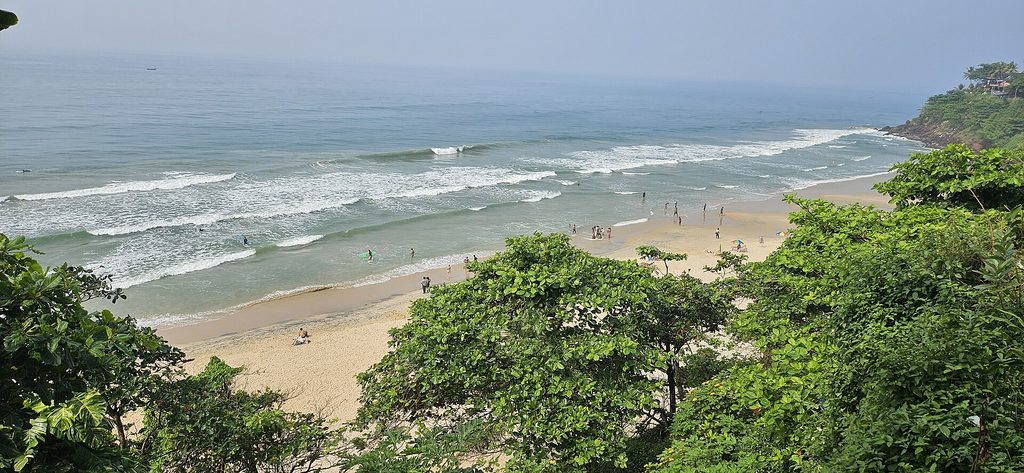
Quick planning answer: One full day is enough for the cliff, Papanasam Beach, one spiritual site and sunset. Two days are much better if you want Kappil, backwater activities, quiet beaches or places near Varkala. Three days suit travellers who want a slower pace or more than one adventure session.
Varkala at a glance: choose the right experiences
Varkala is best treated as three small zones rather than one continuous attraction. The central zone contains Papanasam Beach, North Cliff, South Cliff and Janardhana Swamy Temple. The northern coastal zone runs through Thiruvambady, Odayam and Edava to Kappil. The inland and southern circuit includes Sivagiri, Ponnumthuruthu, Anchuthengu and the Varkala tunnels. Grouping your Varkala sightseeing this way saves time and reduces repeated auto-rickshaw journeys.
| What you want | Best choices | Time to keep | Cost guide |
|---|---|---|---|
| First-time essentials | North Cliff, Papanasam Beach, sunset | 4–6 hours | Free–₹ |
| Quiet coast | South Cliff, Odayam, Edava, Kappil | Half to full day | Free–₹ |
| Culture and spirituality | Janardhana Swamy Temple, Sivagiri Mutt, Anchuthengu Fort | 3–5 hours | Mostly free |
| Adventure activities in Varkala | Surfing, kayaking, SUP, seasonal water sports | 1.5–3 hours each | ₹₹–₹₹₹ |
| Things to do in Varkala with family | Kappil, Sivagiri, fort, supervised beach time | 1–2 days | Free–₹₹ |
| Things to do in Varkala for couples | Cliff walk, sunset, quiet beach, backwater paddle | 1–2 days | Free–₹₹ |
| Hidden places in Varkala | Aliyirakkam, Chilakoor, Ponnumthuruthu, tunnel area | Half to full day | Free–₹₹ |
| Things to do in Varkala at night | Early dinner, browsing, live music where scheduled | 2–3 hours | ₹–₹₹ |
Cost key: Free; ₹ usually under ₹500; ₹₹ roughly ₹500–₹2,000; ₹₹₹ above ₹2,000. These are planning bands, not quoted tariffs. Activity prices, taxes and inclusions change, so confirm the total before paying.
The Kerala Tourism page for Varkala Beach identifies the red laterite cliff as a National Geological Monument. The Natural Heritage of Varkala was also placed on UNESCO’s Tentative List in 2025. A tentative listing is not the same as final World Heritage status, but it is a useful reminder to treat the cliff as a fragile geological landscape rather than a backdrop to climb or carve.
25 best things to do in Varkala in 2026
These places to visit and activities in Varkala cover the coast, backwaters, culture and adventure. Choose by location and conditions rather than treating all 25 as a checklist.
1. Walk the North Cliff before the day becomes busy
North Cliff is the easiest introduction to Varkala: sea views on one side, small shops and cafés on the other. Walk shortly after breakfast or before sunset, when the heat is lower, and allow 45–90 minutes.
This is not a uniformly protected viewing deck. Surfaces can be uneven and some edges have limited barriers. Wear shoes with grip, keep children on the inland side and never cross a fence or warning sign for a photograph. Travellers with limited mobility may prefer one accessible viewpoint to the full walk.
Best for: first visits and families with older children | Cost: free
2. Watch the Arabian Sea sunset from a safe viewpoint
Arrive 30–45 minutes before sunset, choose a stable public viewpoint and stay for the softer light after the sun drops. Because the sea is west of Varkala, sunset—not sunrise—is the main over-water spectacle, though dawn is peaceful.
Cloud may hide the sun in wetter months. Never stand on crumbly projections or the cliff face; a viewpoint with a clear setback is safer than an isolated edge. Families should agree on a meeting point before the crowd grows.
Best for: everyone | Allow: 45–60 minutes | Cost: free
3. Spend an early morning at Papanasam Beach
Papanasam, commonly called Varkala Beach, combines recreation with living religious practice. Devotees perform ancestor-related rituals while visitors use other sections for walking and supervised bathing. Go early and use established steps; shortcuts can be unstable.
Keep away from active ceremonies and ask before photographing people. A calm surface does not prove the sea is safe. Enter only where a lifeguard currently permits, stay shallow and skip swimming during red flags, barriers or high-wave warnings.
Best for: first visits and families | Allow: 1–2 hours | Cost: free
4. Read the cliff like a natural-history exhibit
The sediment layers beside the Arabian Sea form the Varkala Formation. Kerala Tourism calls this the only place in southern Kerala where cliffs sit directly beside the sea; it has National Geological Monument status.
View it from the beach or a designated lookout. Natural springs have cultural importance, but do not assume the water is tested for drinking. Never climb, scrape, collect cliff material or stand below loose sections. Explaining the layers turns a photo stop into an engaging natural-history lesson for children.
Allow: 20–40 minutes | Cost: free
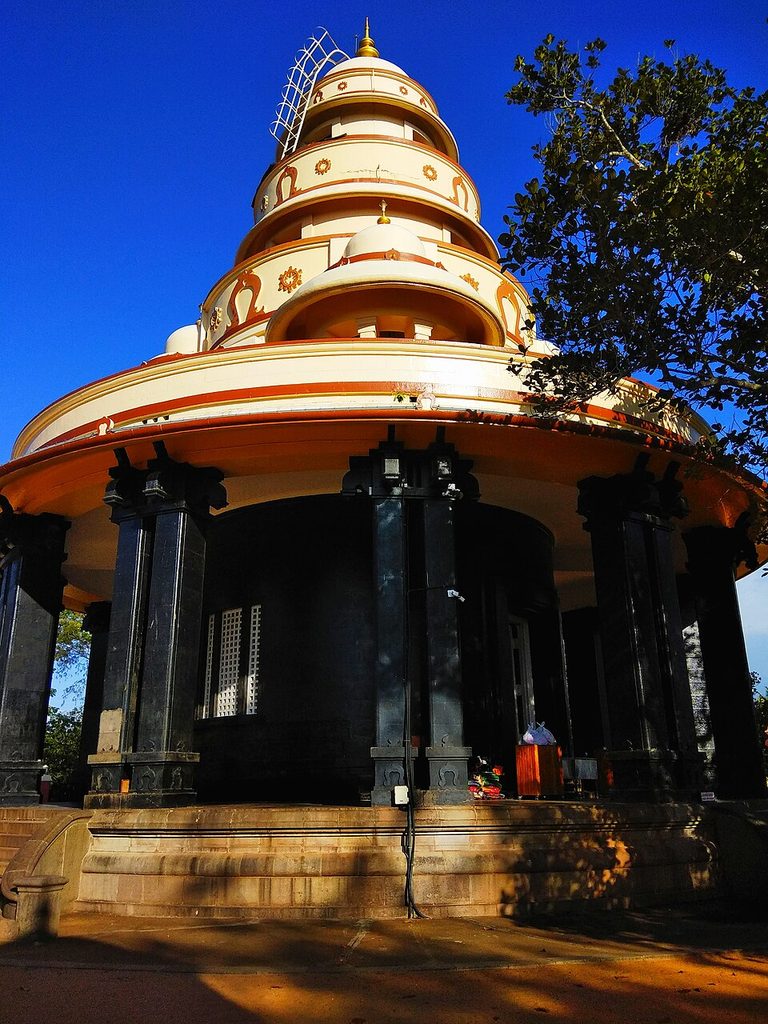
5. Visit Janardhana Swamy Temple respectfully
Janardhana Swamy Temple, close to Papanasam, is dedicated to Lord Vishnu and central to Varkala’s pilgrimage identity. Commonly published hours are about 5:30 a.m.–noon and 5–8 p.m., but rituals, festivals and works can change access; verify locally.
Cover shoulders and knees, remove footwear where instructed and ask before photography. Inner-area access follows temple rules. The annual Arattu festival generally falls in March or April and brings processions and larger crowds.
Allow: 45–60 minutes | Cost: generally free; offerings are optional
6. Slow down on South Cliff and Aliyirakkam Beach
South Cliff and Aliyirakkam are quieter than North Cliff, suited to a slow walk or uncrowded sunset. Access can involve steep slopes and steps, while facilities are fewer.
Visit in daylight, carry water and set a precise pickup point. Avoid the cliff base after heavy rain or near fresh soil fall. Toddlers and travellers who struggle with stairs may enjoy a high viewpoint more than the beach approach.
Best for: couples and repeat visitors | Allow: 1–2 hours | Cost: free
7. See the dark mineral sand at Thiruvambady Beach
Thiruvambady, or Black Sand Beach, lies north of the main cliff. Its dark patches come from concentrated heavy minerals, not volcanic sand, and their extent changes with tides and seasons.
Visit for the contrast between pale surf, dark sand and green slopes. Do not remove sand or assume old claims about snorkelling remain valid; visibility, currents and supervision vary. Enter the sea only in a currently supervised area.
Best for: photography | Allow: 45–90 minutes | Cost: free
8. Take a quiet coastal break at Odayam Beach
Odayam, between central Varkala and Edava, suits an unhurried walk or reading stop. Fewer businesses also mean less shade, lighting and immediate help.
Go in the morning or late afternoon, carry water and save your pickup pin. Strong currents and sudden depth changes make Odayam a scenic beach unless a lifeguard identifies a safe bathing zone. Quiet does not mean risk-free.
Best for: couples and repeat visitors | Allow: 1–2 hours | Cost: free
9. Explore Edava and Chilakoor at a local pace
Edava and Chilakoor offer fishing-community landscapes, coconut-lined lanes and less curated coast. Observe without treating homes or working boats as photo sets; ask before photographing people.
Access can change after rain or local works, so use public approaches and never drive onto sand. Chilakoor is linked to Varkala’s historic canal tunnels, but public access should be checked that day rather than inferred from a map pin.
Best for: slow travel | Allow: 1–2 hours | Cost: free–₹
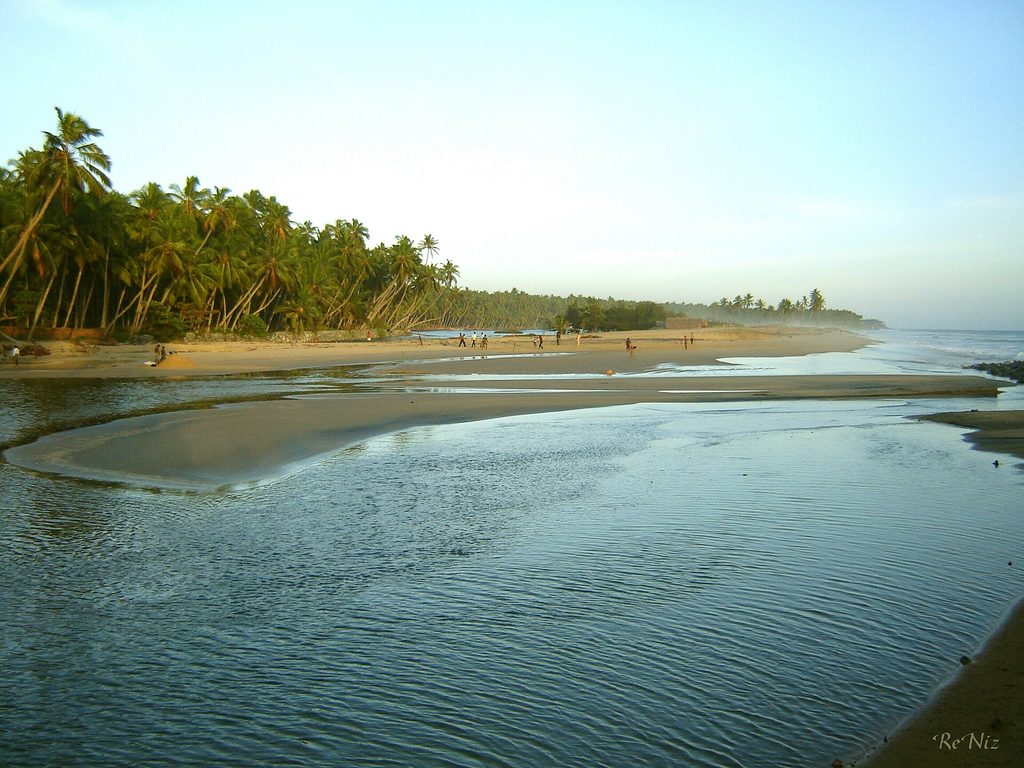
10. See sea and backwaters meet at Kappil
About 8 km north of Varkala, Kappil places the Arabian Sea and backwaters within one landscape, separated in parts by a road and sandbar. The official Kappil guide favours October to March.
Go early for birds or late for softer light. Do not stop on blind road bends. The beach can be rough while the backwater looks still, so assess sea swimming separately and follow lifeguards.
Best for: families and couples | Allow: 2–3 hours | Cost: free–₹
11. Kayak through the quieter backwaters
Kayak sessions may use Anjengo Lake, Edava waterways or mangrove channels rather than the open sea. Keep 90 minutes to two hours plus transfer and briefing.
Choose a provider verified through Kerala Adventure Tourism. Confirm a correctly sized life jacket, guide, dry bag, tax and transport in the price. Morning is usually cooler; sunset trips should finish with safe return light. Check child age limits and tandem policy.
Best for: active families and couples | Cost: ₹₹ | Weather: cancellable
12. Try stand-up paddleboarding on calm water
SUP offers a gentle balance challenge and a wider view than a kayak. Beginners should start on sheltered backwater, not open sea. The guide should explain kneeling, safe falls, leash use, wind and boat traffic.
Wear a buoyancy aid even if you swim well. Non-swimmers must disclose this before booking; participation rules differ. Sunset can be memorable, but the session should end with enough light to return safely.
Best for: couples and teens | Allow: 1–1.5 hours | Cost: ₹₹
13. Book a beginner surfing lesson
A coached lesson is safer than renting a board without local knowledge. It should cover stance, paddling, falling and right-of-way before water practice; keep about two hours free.
Ask for the exact beach, instructor ratio, rescue training, rash vest and soft-top board. Waves vary by tide and season, so not every day suits beginners. Never surf during lightning or a high-wave warning, or with a provider who dismisses restrictions.
Best for: confident swimmers and older children | Cost: ₹₹–₹₹₹
14. Choose seasonal water sports in Varkala carefully
Seasonal Varkala beach activities can include parasailing, jet-ski or tow-based rides. Availability is never guaranteed, especially during the monsoon or rough-sea conditions.
Check accreditation, insurance, life jackets, briefing and cancellation terms. Ask whether the ride is shared, actual activity time and media charges. Skip anyone willing to operate against lifeguard or weather instructions; visible equipment is not proof of permission or safety.
Best for: thrill-seekers | Allow: 30–90 minutes | Cost: ₹₹–₹₹₹
15. See the coast from a paramotor
The official Kerala Tourism paramotoring guide gives 15–30 minutes overall, including roughly 8–15 minutes flying; October–April; a general age band of 12–60; and ₹3,500–₹6,000 per person.
Eligibility still depends on wind, visibility, weight and health. Disclose medical concerns and insist on a helmet, harness and briefing. Paramotoring uses a powered paraglider; do not confuse it with unpowered paragliding. Keep a backup plan for weather cancellation.
Cost: ₹₹₹
16. Join a small yoga class
Choose a yoga teacher by training, class size, style and level—not the unregulated word “authentic.” Gentle Hatha or flow can suit beginners; an advanced class is a poor holiday experiment.
Disclose injuries, pregnancy or surgery, and never practise beside an unguarded cliff edge. A shaded, ventilated room is safer than midday beach sun. Allow 60–90 minutes and time to hydrate.
Best for: adults seeking a quiet start | Cost: ₹–₹₹
17. Approach Ayurveda as healthcare, not a souvenir
For a relaxation massage, ask about therapist training, hygiene, oil ingredients, privacy and session length. For anything presented as treatment—especially internal medicines or multi-day therapy—consult a qualified Ayurveda doctor and disclose your health history.
Avoid guaranteed cures, unexplained products and pressure to buy immediately. Allergies, pregnancy, skin or cardiovascular conditions need appropriate medical guidance. Ayurveda should complement, not replace, necessary care.
Best for: adult wellness travellers | Allow: 1–2 hours | Cost: ₹₹–₹₹₹
18. Understand Kerala’s social-reform history at Sivagiri Mutt
Sivagiri Mutt, around 3 km from town, is Sree Narayana Guru’s resting place and the headquarters of the trust continuing his work. His focus on education, dignity and social equality gives important context to modern Kerala.
Dress modestly and keep 60–90 minutes. Check the official Sivagiri website for current events and worship times. The 30 December–1 January pilgrimage brings major crowds and transport changes. Ask about the easiest vehicle approach if mobility is limited.
Cost: generally free
19. Take the short boat ride to Ponnumthuruthu
Ponnumthuruthu, or Golden Island, sits in the Anjengo backwaters and contains a Shiva-Parvati temple. Boat access depends on water, local timings and the crossing operator, so confirm before leaving Varkala; see Kerala Tourism’s background guide.
Agree on return fare and final pickup before boarding. Use a life jacket, keep children seated and follow temple photography rules. Expect a quiet journey, birds and limited facilities—not continuous departures.
Allow: 2–3 hours | Cost: ₹–₹₹
20. Walk through Anchuthengu Fort’s maritime history
Anchuthengu, or Anjengo Fort, is linked to the British East India Company’s early Kerala trade. The official history dates its settlement to 1684 and the fort to the late seventeenth century.
Combine this compact site with the coastal-backwater circuit. Aim for daylight and verify closing time. Do not climb damaged walls, and treat the cemetery and heritage fabric respectfully. Interpretation is limited, so read the short history before arriving.
Allow: 45–75 minutes | Cost: generally free or nominal
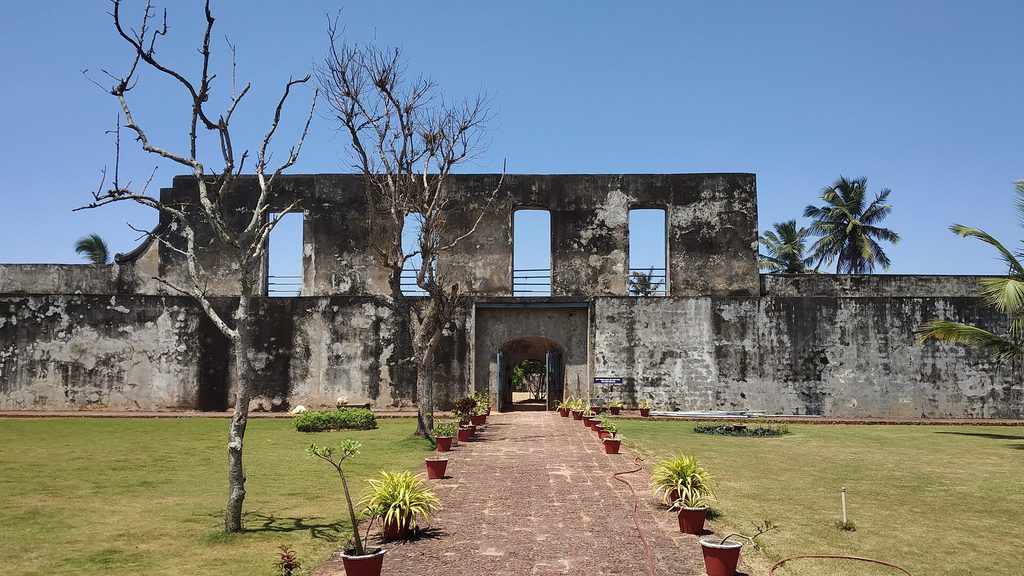
21. Pair the fort with Anchuthengu’s lighthouse landscape
The black-and-white lighthouse near Anchuthengu adds a second visual stop to the fort. Climbing hours may be limited by maintenance, staffing or weather, so treat entry as a bonus.
Even from public areas, the lighthouse, palms and fort make a good circuit. Stay out of fenced operational areas and ask before photographing residents. Visit in the first half of the day to avoid peak heat.
Allow: 30–60 minutes beyond the fort | Cost: free–₹
22. Check the status of the historic Varkala tunnel experience
Varkala’s nineteenth-century canal tunnels supported inland navigation. The restored Chilakoor tunnel joined a 2026 water-tourism plan with an electric boat and light-and-sound experience, but public service was delayed after inauguration while work continued.
Confirm operating status, boarding point, ticket method and last departure through an official channel. If service is unavailable, view only from a permitted public area; never enter a tunnel or work zone independently.
Allow: 1–2 hours if confirmed | Cost: verify live
23. Learn a Kerala dish in a home-style cooking class
A small cooking class gives context to Kerala ingredients. Confirm whether it is vegetarian or includes fish or meat, which dishes are hands-on, group size and whether the meal is included. Declare allergies early.
Possible dishes include appam and stew, thoran, fish curry or payasam, depending on household tradition and season. Allow three to four hours and book ahead; there is no single standard “Kerala menu.”
Best for: couples and families with teens | Cost: ₹₹–₹₹₹
24. Build a local food trail without chasing one viral café
Try puttu with kadala curry or appam for breakfast, a rice meal with vegetable sides at lunch, banana fritters with tea, and responsibly sourced fish if you eat seafood. Ask the price before choosing fish sold by weight.
Hygiene matters more than the view: choose a busy, clean kitchen, use safe drinking water and state allergies clearly. Ask for chilli separately for young children. Fixed eatery lists age quickly as teams and opening seasons change.
Cost: ₹–₹₹ | Tip: eat lightly before water activities
25. Use Jatayu Earth’s Center as a half-day trip
Jatayu Earth’s Center at Chadayamangalam is roughly an hour by road from Varkala. Its hilltop sculpture, cable-car or walkway access and paid adventures suit a third day or travellers wanting a structured attraction.
The official booking page lists 10 a.m.–5:30 p.m., but ticket combinations and prices change. Keep four to six hours including travel, carry permitted drinking water and check accessibility before choosing the exposed walkway.
Best for: families with older children | Cost: ₹₹–₹₹₹
Things to do in Varkala by trip style
Things to do in Varkala with family
Combine one beach, one learning stop and one low-risk activity: Papanasam before the heat, Janardhana Swamy Temple or Sivagiri, a midday rest, then Kappil for sunset or a supervised backwater session. Anchuthengu Fort suits curious children; a cooking class works for teens.
With toddlers, expect steps, uneven cliff paths and exposed edges. Quieter beaches may lack shade, toilets and lifeguards. Carry hats, water, snacks, insect repellent and spare clothes, and keep children within arm’s reach beside water.
Things to do in Varkala for couples
Choose a morning cliff walk, one shared activity such as tandem kayaking or SUP, and sunset at North or South Cliff. Odayam and Edava feel quieter, but visit in daylight and arrange transport if staying late. For a more local day, pair Anchuthengu Fort with Ponnumthuruthu or a backwater paddle. In poor weather, switch to cooking, yoga or a longer cultural visit.
Things to do in Varkala at night
Varkala is social after sunset but not a dependable late-night party circuit. Plan an early dinner, browse the lit cliff shops and check same-day boards for live acoustic music. Stay on public paths, avoid isolated stairs and never enter the sea or approach cliff edges after dark. Save a return driver’s number before dinner because autos can thin later; respect current alcohol and closing rules.
Free things to do in Varkala
Walk North Cliff, visit Papanasam and the geological viewpoints, watch sunset, or explore South Cliff, Thiruvambady, Odayam, Edava and Kappil’s public viewpoints. Sivagiri Mutt and Anchuthengu Fort are also generally free, although offerings, parking and transport may cost money. Avoid shortcuts across private or unstable land.
Which hidden places in Varkala are genuinely worth the detour?
South Cliff and Aliyirakkam are the easiest quieter alternatives; Odayam, Edava and Kappil fit a north-coast day. Visit Ponnumthuruthu only with a confirmed boat, and check access before attempting Chilakoor or the tunnel area. Remember: an empty beach is not automatically safe for swimming.
Things to do in Varkala in one day and a 2-day itinerary
Varkala itinerary for one day
This route keeps the morning around the central cliff and saves the northward journey for cooler afternoon light.
| Time | Plan | Why it works |
|---|---|---|
| 7:00–8:15 a.m. | Papanasam Beach walk; swim only if lifeguards permit | Cooler, calmer and respectful of the beach’s ritual use |
| 8:15–9:15 a.m. | Breakfast nearby | Avoids travelling hungry in rising heat |
| 9:30–10:30 a.m. | Janardhana Swamy Temple | Fits the typical morning opening window |
| 10:45 a.m.–12:00 p.m. | North Cliff walk and geology viewpoints | Central sights before midday heat peaks |
| 12:00–3:15 p.m. | Lunch and a shaded indoor break | Varkala is tiring if every hour is outdoors |
| 3:30–5:15 p.m. | Choose Kappil or a confirmed backwater activity | One clear afternoon focus prevents rushing |
| 5:30–6:45 p.m. | Sunset from a safe viewpoint | Return early enough to settle before the light changes |
| 7:00 p.m. onward | Dinner and a short, lit cliff walk | Covers the evening atmosphere without a risky late beach visit |
If spiritual history matters more than Kappil, replace the afternoon with Sivagiri Mutt. If water sports are your priority, pre-book a morning surf lesson and move Papanasam and the cliff walk to late afternoon. Do not try to include Kappil, Anchuthengu, Sivagiri and both cliffs in one day; travel and waiting time will consume the experience.
Varkala itinerary for 2 days
Day 1: Cliff, beach and spiritual Varkala
- Begin at Papanasam Beach and observe designated ritual zones respectfully.
- Visit Janardhana Swamy Temple during its morning window.
- Walk North Cliff, pausing at safe geological viewpoints.
- Take a long midday break.
- Choose South Cliff or a beginner surf lesson in late afternoon.
- Watch sunset and have an early dinner.
Day 2: Backwaters, quiet coast and heritage
- Start with a pre-confirmed kayak or SUP session on calm backwater.
- Visit Ponnumthuruthu if a safe return boat is operating; otherwise continue to Anchuthengu Fort.
- Eat lunch away from the peak cliff crowd.
- Return north through Edava and Odayam, or spend the final hours at Kappil.
- Keep the tunnel experience as an optional swap only if public service is confirmed.
For families, replace surfing with Sivagiri and limit Day 2 to one boat activity plus the fort. For couples, keep Odayam or South Cliff as an unscheduled buffer. In heavy rain, choose Sivagiri, a cooking class and covered dining; do not use the tunnel, cliff base or empty beach as improvised rain shelters.
Best time to visit Varkala, how to reach and getting around
Best time to visit Varkala
October to February is the best all-round period for Varkala. Walking is more comfortable and adventure activities are likelier to operate. December and early January are busy, especially around the Sivagiri pilgrimage from 30 December to 1 January.
| Period | What it feels like | Best for | Main trade-off |
|---|---|---|---|
| October–February | Lower rain risk, warm days, active visitor season | Beaches, sightseeing, backwaters, first visits | More people and higher demand |
| March–May | Hotter and more humid | Early-morning activities, shorter visits | Midday exposure can be exhausting |
| June–September | Southwest monsoon, dramatic skies, rougher sea | Green scenery, wellness, slow indoor time | Water activities and access may be cancelled |
Kerala Tourism lists April within the paramotoring season, but the heat is significant. In monsoon, do not assume swimming, cliff-base walking or water sports will be available. Check KSDMA warnings for high waves, wind, rain and lightning, plus the India Meteorological Department forecast.
How to reach Varkala
By train: Varkala Sivagiri station (VAK), about 3.6 km from the beach according to Kerala Tourism, is the nearest railhead. Check live details through Indian Railways’ NTES.
By air: Thiruvananthapuram International Airport is the nearest major airport, approximately 44 km away. Keep 1.5–2 hours for the road transfer because traffic and route vary.
By road: Buses connect Varkala town with Thiruvananthapuram, Attingal, Kollam and nearby settlements. A bus to town may not drop you at the cliff, so budget for a final auto-rickshaw ride.
Getting around Varkala
Walk within one cliff zone, then use an auto-rickshaw or cab between central Varkala, Kappil, Sivagiri and Anchuthengu. Agree on the fare or meter and pickup point. Cars are inconvenient around the cliff at peak times.
Only rent a scooter if you hold the correct licence, receive a proper helmet and are confident on wet, narrow roads. Photograph existing damage, check brakes and lights, and never ride after drinking. During rain, an auto or car is the safer choice. Mobile signal can dip on some backwater stretches, so save key pins offline.
Varkala safety, accessibility and responsible travel
Is Varkala Beach safe for swimming?
Swimming safety changes by beach, tide, season and day. Varkala can have strong currents, sudden waves and steep drop-offs. Local reporting in 2026 documented coastal deaths and gaps in safety infrastructure, so visual calm is not a reliable test.
Use one rule: if a lifeguard is not present and permitting entry in that section, do not swim. Stay in marked areas, keep children within arm’s reach and never swim after dark or alcohol. If caught in a current, signal for help and move parallel to shore rather than fighting it head-on when possible.
Check KSDMA’s live warnings. Stay out if the water is discoloured, smells foul or a closure is posted. Waste-discharge concerns were reported near parts of the cliff in early 2026, making current on-site advice essential.
Cliff safety is separate from sea safety
The laterite cliff is prone to erosion, especially after heavy rain. Stay behind barriers, avoid cracks and overhangs, and never climb the face, stand below loose material or follow a social-media shortcut.
For emergencies in India, call 112 and give a named landmark or map pin.
Adventure booking checklist
Before surfing, kayaking, SUP, parasailing or paramotoring, confirm:
- verifiable accreditation and trained guides;
- a first-aid and emergency plan;
- correctly sized safety equipment;
- age, weight, swimming and health restrictions;
- activity time, weather policy, refund terms and total price in writing.
Walk away if the briefing is rushed, safety equipment is damaged or the provider wants to operate against an official warning.
Accessibility and comfort
Varkala is challenging for wheelchairs, strollers and limited mobility: beaches often require steps and cliff paths can be narrow. Ask about step-free access to a specific viewpoint. Use a vehicle for Sivagiri, choose road-reachable Kappil viewpoints and visit on weekday mornings to avoid crowds.
Leave the coast better than you found it
Carry a refillable bottle and take waste back from quieter beaches. Do not collect cliff material or living shells. Give fishing crews space, ask before photographing rituals or residents, and use public access routes. Locally run guides, teachers and food businesses keep more spending in the community.
FAQs about things to do in Varkala and final planning advice
What are the best things to do in Varkala for a first-time visitor?
Walk North Cliff, visit Papanasam early, see the Varkala Formation safely, visit Janardhana Swamy Temple and watch sunset. On Day 2, add Kappil, a backwater activity, Sivagiri and Anchuthengu Fort.
Are two days enough for Varkala?
Yes. Two days cover the main Varkala tourist places without rushing. Use Day 1 for the cliff, beach and spiritual sites, and Day 2 for Kappil, a backwater activity and one heritage stop. Add Day 3 for surfing, paramotoring or Jatayu Earth’s Center.
Can I cover Varkala in one day from Thiruvananthapuram?
Yes, if you limit the plan. Choose Papanasam Beach, Janardhana Swamy Temple, North Cliff and sunset, then add either Kappil or Sivagiri—not both. Start early and keep a generous road buffer for the return journey.
What can I do in Varkala at night?
Watch sunset, eat an early dinner, browse the lit cliff shops and attend live music where it is scheduled. Varkala is not a dependable all-night destination. Avoid the sea, unlit beach stairs and cliff edges after dark, and arrange your return transport in advance.
Which month is best for Varkala?
November through February is the easiest period for most visitors because walking and outdoor sightseeing are more comfortable. October and March can also work. The June–September monsoon brings dramatic scenery but rougher seas, rain disruption and frequent activity cancellations.
Final word: plan less, experience Varkala better
The best Varkala trip respects the day’s sea conditions, groups places by area and balances the coast with geology, spiritual history and backwaters. Give the central cliff and Papanasam a full morning, choose one major paid activity, and save Kappil or a quiet northern beach for late-afternoon light.
Before leaving, check the weather warning, confirm any boat or adventure booking and save your return transport. Then use this guide to build a one-day or two-day plan—and continue with MagickWorld’s related Kerala guides for routes, family activities and places to visit near Varkala.


