

Elephant Beach, Andaman: Boat Costs, Water Sports & Family Guide
A short boat ride, a glimpse of fish beneath the surface, and an excited child asking to do it again: Elephant Beach can be a highlight of an Andaman holiday. The confusing part usually comes before you arrive. Is the ticket for the beach or the boat? Does “snorkelling included” mean a proper session? Can you trek there and return by sea?
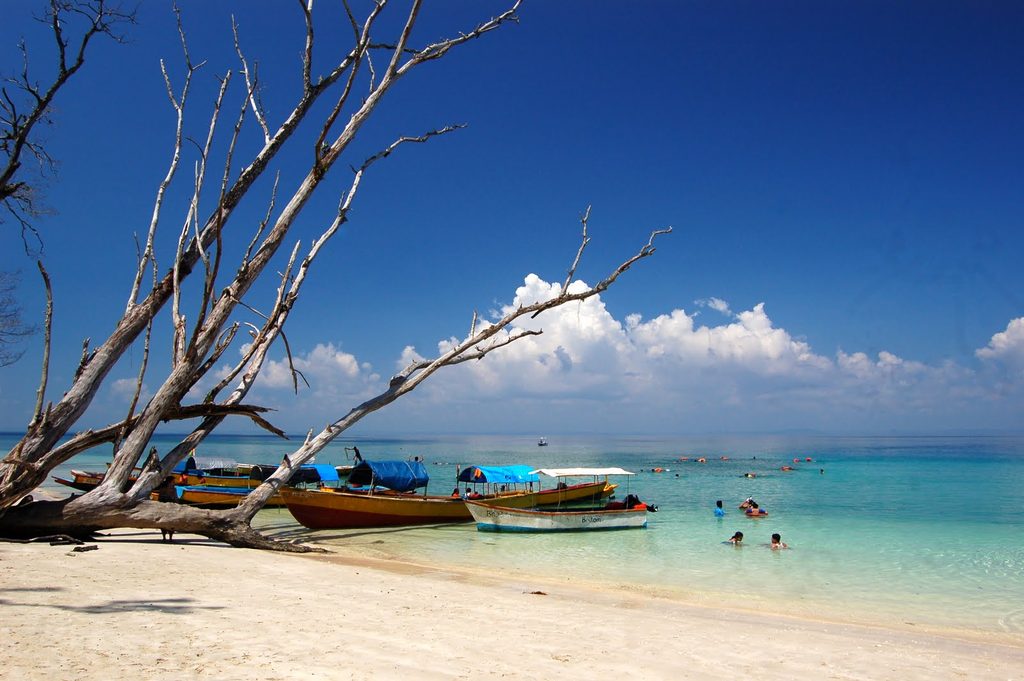
Elephant Beach is on Havelock Island, officially called Swaraj Dweep. It is a popular stop for water activities, reached by a local speedboat or a forest walk. A successful visit depends on choosing the right journey, understanding the inclusions, and leaving enough time to return.
This Elephant Beach travel guide covers those decisions, including indicative costs, family considerations, seasonal conditions and a manageable day plan. Prices below are planning estimates or identified supplier listings checked in September 2026; confirm your date, eligibility and operating conditions before paying.
1. Elephant Beach at a glance: is it worth visiting?
Where is Elephant Beach?
Elephant Beach lies on the northern side of Swaraj Dweep in the Andaman Islands. Searches for Elephant Beach Havelock Island, Elephant Beach Andaman and Elephant Beach Swaraj Dweep refer to the same destination. It is a beach on Havelock, rather than a separate island requiring another inter-island ferry ticket. The official tourism beach directory places it on Swaraj Dweep.
That distinction matters when comparing itineraries. “Havelock sightseeing” might cover only road-accessible places; an Elephant Beach visit needs its own boat arrangement or time for the trail. Ask specifically whether that journey is included.
| Planning question | Useful starting point |
|---|---|
| How long is the local boat ride? | Approximately 20–30 minutes each way in suitable conditions |
| How long should you reserve? | A morning or half-day, including transfers, waiting and activities |
| Can a vehicle reach the sand? | The usual visitor routes finish by boat or on foot |
| What is the main attraction? | Reef viewing and water activities |
| Is every activity included? | Only those named in your booking |
| Can everyone participate? | Eligibility depends on the activity, applicable rules and operator assessment |
The boat duration comes from Andaman Tourism’s Elephant Beach information. The half-day allowance is a planning suggestion, not a departure timetable.
Who will enjoy it most?
Elephant Beach makes sense when someone in your group wants to see underwater life, try an eligible water activity, or combine a forest walk with beach time. The journey itself can hold a child’s attention: boarding a boat, watching the coastline change and arriving somewhere without a road entrance.
If your family mainly wants a long beach walk and room to linger, compare it with Radhanagar Beach before committing. Elephant Beach involves more coordination, and a shared excursion generally has a return arrangement. A ticket has better value when the experience matches what you actually want to do.
For example, a family with one keen snorkeller and two people who prefer staying dry can still enjoy the visit. They should first establish whether a suitable viewing boat is available and how everyone will regroup. Buying identical activity bundles for the entire family can create unnecessary spending.
What do Elephant Beach reviews reveal?
The Tripadvisor review page contains both enthusiasm about marine activities and complaints about waiting, crowds and fixed boat returns. These are individual experiences, not a reliable forecast for your visit.
Read beyond the rating. Look for the visit month, activity purchased, time spent waiting and whether the reviewer travelled with children. A complaint about a rushed complimentary snorkel tells you to check session length; it does not establish that every guided snorkel is poor.
2. How to reach Elephant Beach: ferry, boat or trek
Port Blair to Elephant Beach: understand the two journeys
The usual route from Port Blair, now officially Sri Vijaya Puram, begins with an inter-island ferry to Havelock. After arriving, you make a separate local journey to Elephant Beach. Do not interpret a Port Blair–Havelock ferry booking as a beach excursion.
Fast ferry crossings commonly take around 1.5–2 hours, while some services take longer. Consult the actual sailing you intend to book, including its terminal and reporting deadline. The broader Havelock travel guide from Go2Andaman distinguishes private crossings from slower government services.
Allow time after arrival for disembarking, collecting luggage and reaching the local departure point. An advertised 20-minute beach boat ride tells you nothing about how quickly you can transfer from an incoming island ferry.
Doing Port Blair to Elephant Beach and back in one day is a tight arrangement for a family. It depends on compatible sailings, beach access, activity queues and punctual returns. If considering a packaged day trip, request the entire schedule before deciding, especially the contingency for a delayed outward ferry.
An easier approach is to visit Elephant Beach on a morning when you are already on Havelock. This leaves more flexibility if the excursion moves to another slot.
Havelock Island to Elephant Beach by boat
The usual Elephant Beach boat ride starts around the Havelock jetty area. Ask for the exact reporting pin and counter; the arrival terminal for an inter-island ferry and your local boat meeting point may require separate instructions.
Wear the correctly fitted life jacket provided for the journey and follow the crew’s boarding instructions. Keep one small bag accessible for water, tickets and a towel. A large suitcase is inconvenient on an excursion built around a short coastal crossing and beach landing.
Before departure, clarify four practical details:
- Whether the fare covers both outward and return travel.
- Which boat or group you must return with.
- How long you are allowed at the beach.
- Who to contact if an activity queue threatens your reporting time.
One operator’s Elephant Beach boat excursion explicitly describes shared travel and returning with the group. Treat the arrangement on your own ticket as the rule for your visit.
Photograph your ticket and note the boat identifier before going ashore. Decide where the family will meet after separate activities. These small steps are particularly useful when several similar boats arrive together.
Elephant Beach trek: distance, starting point and difficulty
Published Elephant Beach trekking distance estimates differ. A local guided trek listing describes approximately 2 km, while other destination guides use about 2.5 km. For planning, think roughly 2–2.5 km each way, then confirm the current start point and route locally.
The official tourism description allows 45–60 minutes for the walk and identifies the approach from Shyam Nagar village, also called Forest Dera. This is a more comfortable allowance for a mixed group than assuming everyone will finish in half an hour. See the official access description.
The trail involves forest terrain rather than a paved promenade. Mud, roots, humidity and the mangrove approach can matter more than the short distance. Wear footwear with grip, carry drinking water and ask whether the trail is open and suitable that morning.
A guide can help with route finding and turnaround decisions. Confirm whether the quoted fee is per person or per group, and whether it includes both directions. Do not assume that an older blog’s guide price remains applicable.
If you trek in, plan to trek out. Do not depend on finding an unbooked one-way boat seat at the beach. Only plan a mixed route when a provider explicitly confirms the legal, available return arrangement in advance.
Radhanagar Beach to Elephant Beach distance
There is no single useful road distance between the two beaches because a vehicle does not complete the normal journey to Elephant Beach itself. Some online figures combine different points: the beaches, the trek entrance, or the main jetty.
For a trek visit, ask for Radhanagar Beach to the Elephant Beach trailhead, followed by the walking distance. For a boat visit, ask for Radhanagar Beach to the local boat departure point, followed by the sea crossing. This gives your driver and your family the same route to work with.
Avoid budgeting time from a straight-line map measurement. A nearby pin does not demonstrate a public, walkable connection through the forest or along the coast.
3. Best time to visit Elephant Beach and how timings work
Choose a season, then check the actual conditions
October to May is the broad season promoted for Elephant Beach visits, but that is a planning window rather than a promise of uninterrupted boating. The official destination guide identifies this period for water activities.
Within that window, the day’s wind, rain, swell and operating clearance still matter. A sunny morning does not by itself confirm that a particular boat or activity can run.
For a family holiday, leave an alternative Havelock morning available if Elephant Beach is a priority. If you have only one possible slot, choose cancellation terms you understand and accept that the trip may not happen.
| Travel period | How to approach the visit |
|---|---|
| October–November | Treat this as a possible travel window while checking the forecast and local operations closely |
| December–March | Arrange important slots ahead and allow for demand around school holidays |
| April–May | Build in water, shade and breaks; check changing seasonal conditions |
| June–September | Keep plans flexible and confirm both boat and trail status before travelling to either start point |
This table is a planning framework, not a month-by-month opening calendar. There is no basis for assuming every activity runs throughout any entire month.
Elephant Beach timings versus boat departures
Search results give conflicting Elephant Beach timings. For example, Go2Andaman’s beach page displays different closing times in different sections. That makes a copied “open until 5 pm” line a poor basis for booking an afternoon visit.
The practical approach is to arrange a morning departure and obtain the day’s return deadline. Ask separately about the last outward boat, last activity acceptance and final return. Those are three different cut-offs.
Searches for Elephant Beach ferry timings usually mean these local boat slots. They should not be confused with scheduled ferries between Port Blair, Havelock and other islands.
A booking confirmation should state a reporting time, not simply “morning.” If it offers a flexible slot, ask how that slot is assigned and whether there may be a wait for a shared group. Keep your afternoon commitments loose enough to absorb a delay.
Do not plan to remain for sunset unless the competent local authority and your transport provider explicitly confirm an authorised arrangement. For a straightforward sunset visit, Radhanagar is the more practical place to plan around.
Check weather and have a useful Plan B
For Elephant Beach weather, start with the India Meteorological Department’s Port Blair centre, which links to district warnings, forecasts and cyclone information. Then ask your operator about the specific coastal route and activity.
If boats stop, ask whether the excursion is cancelled or merely delayed, and what happens to each prepaid component. A boat refund does not automatically establish the treatment of an activity sold by another provider.
Do not treat the trek as an automatic workaround: heavy rain can also affect the forest route. A useful alternative may be lunch, rest and a road-accessible beach visit once conditions allow. Avoid replacing one cancelled activity with several rushed purchases just to fill the day.
4. Things to do at Elephant Beach, ticket prices and activity costs
Elephant Beach entry fee: separate access from the experience
Current commercial destination guides generally describe no separate Elephant Beach entry fee. You still pay for your chosen transport and any purchased activities. Go2Andaman’s visitor information makes that distinction.
An “Elephant Beach ticket price” may therefore refer to a return boat seat, a sightseeing package, a guided trek or an activity voucher. Ask what you are buying before comparing amounts. If a provider collects a permit or administration charge, request the charge description and receipt rather than treating it as an unexplained extra.
The table below combines broad guide estimates with publicly advertised supplier examples. It is not an official tariff, and different products can cost considerably different amounts.
| Item | Indicative price per person | What to establish |
|---|---|---|
| Shared return beach boat | About ₹1,000–₹1,500 | Return included, reporting point and any short snorkel inclusion |
| Paid snorkelling | About ₹500–₹3,500 | In-water minutes, location, supervision and photography |
| Sea walk | Around ₹3,200–₹3,500 in sampled listings | Eligibility, training, actual underwater time and beach transfer |
| Glass-bottom boat | About ₹1,000–₹1,800 across sampled listings | Vessel type, viewing duration and boarding arrangements |
| Jet ski | Around ₹1,000 in one supplier listing | Ride duration, instructor and eligibility |
| Banana boat | Around ₹800 in one supplier listing | Minimum participation requirements and ride format |
| Parasailing | Around ₹3,500 in sampled listings | Applicable age rules, harness limits and weather cancellation |
The broad boat and lower snorkelling estimates appear in Frogman’s local guide. Higher snorkelling and other activity examples appear in the Andaman Island Travels activity listings. The ₹3,200 sea-walk example is an add-on on Explore Andamans’ excursion page. Reconfirm each quote for your travel date.
Snorkelling at Elephant Beach: ask what “included” means
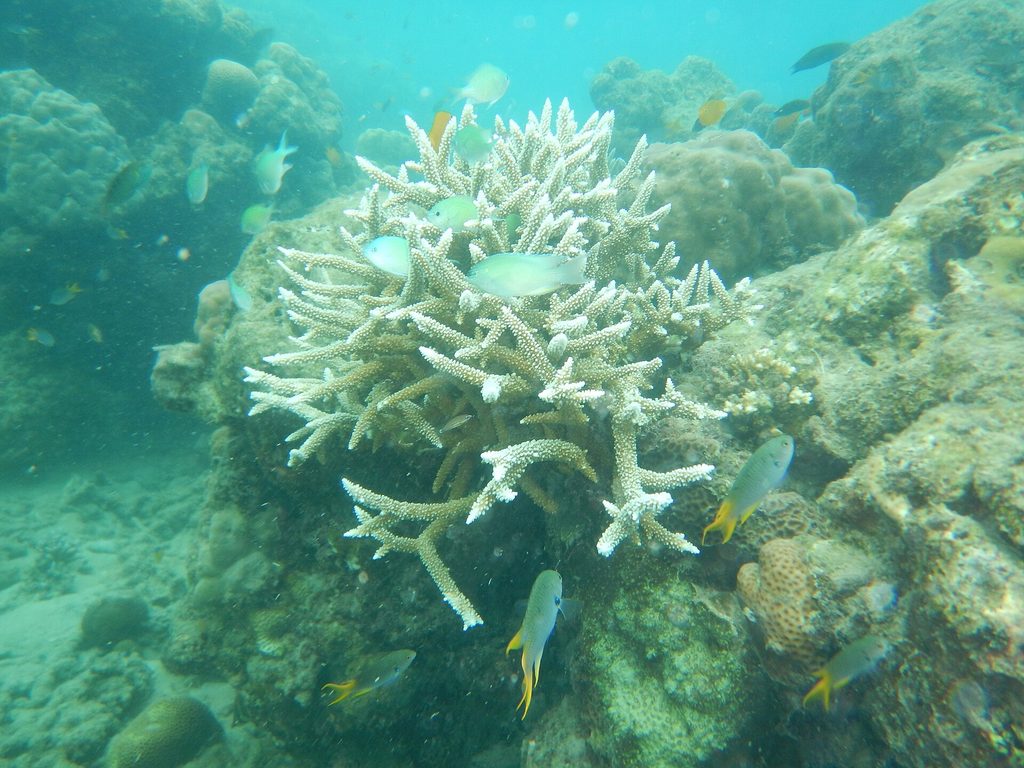
Snorkelling gives you a surface view through a mask while breathing through a snorkel. The important purchase decision is how much supported time you get to settle into the equipment and look around.
Complimentary sessions can be very brief. Explore Andamans, for example, describes a roughly two-to-three-minute inclusion on its boat trip page. That is useful context when comparing a transfer package with a longer paid session.
Ask whether the duration means time in the water or the entire briefing-and-activity process. Also check what happens if the mask leaks, you feel uncomfortable, or conditions prevent the planned session. Agree on photography charges before entering the water.
Tell the supervisor if you cannot swim or have never snorkelled. Ask about flotation, supervision and the signal for requesting help. WorkSafe Queensland’s snorkelling guidance supports these general precautions; local Andaman rules and instructions govern your actual activity.
Reef visibility and wildlife sightings vary. Choose the experience for the chance to observe marine life, rather than a promise of turtles, a particular fish or a photograph matching a brochure.
Sea walk, glass-bottom boats and faster rides
An Elephant Beach sea walk uses a helmet supplied with air from the surface. It involves underwater pressure and a supervised procedure, so being unable to swim is only one part of the suitability decision.
Ask about the current age policy, medical screening, access to the platform and the briefing language. One sea-walk supplier publishes an age band of 12–50 and excludes the journey to Elephant Beach from its activity price. That is a supplier condition, not a universal rule for every booking.
A glass-bottom boat lets passengers view through a transparent section while remaining aboard. Check the type of vessel and how children will see through the viewing area. A larger viewing craft, a semi-submarine and a small glass-bottom boat are different products; photographs should match the vessel being sold. This dedicated glass-bottom listing illustrates the product distinction.
Jet skis and banana boats focus on movement and splashes. Ask whether the ride may involve falling into the water and whether every participant understands the briefing. Someone who enjoys looking at fish may have little interest in a fast ride.
Parasailing has separate eligibility and operating rules. The administration’s published parasailing SOP includes a restriction on participants under 16. Check the latest applicable rules and do not accept a seller’s casual “all ages” assurance as sufficient.
Elephant Beach scuba diving: verify the actual dive site
Listings conflict on Elephant Beach scuba diving. The official regional scuba overview includes Elephant Beach among locations, while Frogman’s local dive-centre guide says regular diving takes place at other Havelock sites. This does not establish what is operating on your dates.
Ask for the named dive site, departure point, provider’s current permission and the experience required. A package combining Havelock scuba diving with an Elephant Beach excursion may involve two separate locations. The same care applies to kayaking or other island-wide activities attached to a beach itinerary.
If scuba is your priority, organise it as its own activity. Confirm the dive schedule and the required interval before flying with the qualified provider before arranging your onward flight. Leave enough time for training without trying to squeeze it into a short beach stop.
Build a realistic family budget
For an illustrative family of four, assume four boat seats at ₹1,250 and two paid snorkelling sessions at ₹1,500. That totals ₹8,000 before local road transfers, food, lockers, taxes not already included and any additional purchases. These are calculation assumptions, not a bookable MagickWorld quote.
Adding a ₹3,500 sea walk for one eligible adult takes that example to ₹11,500 before those other costs. The calculation shows why a seemingly inexpensive beach transfer can become a substantial activity day.
Child fares can differ from adult fares, but a discounted transport ticket does not automatically include an activity. Request a line-by-line total for your actual family, specifying each person’s age and chosen activity. Save that total so it is easy to compare with what you are asked to pay locally.
Compare two quotes using the same basket: the same number of passengers, return transport, the same activity duration and the same photography inclusion. A higher transfer price may include road pickup, while a lower one begins at the jetty. Equally, a long list of “inclusions” may contain equipment that is essential to conducting the activity at all.
Set an optional-spending limit before arriving. That gives older children a clear choice between two suitable extras and prevents repeated decisions at separate counters. Keep some money unallocated for practical needs rather than spending the full day’s budget on activity vouchers.
5. Elephant Beach with family and kids: make the day manageable
Match the plan to your child
For Elephant Beach with kids, choose a manageable experience before choosing a package. Consider boat comfort, patience for waiting, confidence around water and how the child responds to unfamiliar instructions.
With a preschooler, the crossing and time on the sand may be enough. For a school-age child interested in fish, first confirm whether the chosen viewing or snorkelling activity accepts them. Teenagers may want a faster ride, but still need to meet the applicable age, equipment and health requirements.
Age alone does not establish suitability. A child who swims confidently in a familiar pool may react differently to a mask, waves or a busy boarding point. Ask the provider how they assess comfort and what happens if the child chooses not to continue.
When two adults travel with children, plan supervision before anybody joins an activity. If one adult goes underwater, the other needs a clear role with the children remaining ashore. A grandparent taking photographs should not automatically become the person responsible for everyone’s belongings and safety.
Give children something to notice
A small observation game can make the outing enjoyable even when only part of the family joins a paid activity. Before departure, ask children to choose three things to look for: a change in water colour, a boat leaving a curved wake, and a tree growing close to the sand. Let them describe what they actually notice instead of testing them for a correct answer.
After a viewing activity, younger children can draw one fish shape from memory. Older children might compare the photograph they expected with what they saw and discuss why weather, light or the viewing angle could change the picture. Avoid promising that they will spot any particular species.
Bring the activity to an easy stop when interest fades. A few absorbed minutes followed by a drink and a snack can be more enjoyable than turning every break into another task. The beach visit should leave room for curiosity and for doing very little.
Questions that make a family booking clearer
Before paying for an Elephant Beach tour package, request answers to these questions:
- What are the exact reporting and return times?
- Which transfers and activities are included for each person?
- What age, height, weight or medical restrictions apply?
- Are correctly sized life jackets and activity equipment available?
- What happens if the trip is cancelled or a participant cannot take part?
- Who provides assistance on the day, and how do we reach them?
Explain any mobility needs in concrete terms. “Travelling with grandparents” is less useful than saying someone cannot comfortably climb a ladder or step across an uneven gap. Ask for a current photograph or short description of boarding, landing and toilet access.
The same applies to a wheelchair or pushchair. Obtain specific confirmation of the whole journey rather than assuming that accessible road transport makes the boat landing or forest route accessible.
Food, toilets, changing and what to carry
Basic toilets, changing facilities, lockers and refreshments are reported in the commercial Elephant Beach guide from AndamanTourism.org. It is a private travel website. Facilities can vary in availability and condition, so confirm any essential requirement before leaving.
Eat before the excursion and carry drinking water and a familiar snack for children, subject to local restrictions. If someone has a food allergy or specific dietary need, plan their food in advance. Do not make a morning activity schedule depend on finding a particular meal at the beach.
Useful items include a towel, dry clothes, sun protection, suitable footwear and a bag for wet clothing. Keep a small amount of cash available in case your preferred payment method is unavailable. Carry booking details offline and keep essential medication protected from water and heat according to its storage instructions.
Pack so that one adult can manage the bag while helping a child. A spare T-shirt near the top is easier to find than clothing buried under cameras, shoes and multiple activity vouchers.
Follow the briefing and protect the reef
Use only the areas opened for the activity and follow the on-site personnel’s instructions. Do not enter the water to test whether conditions feel safe when the area has been closed. The administration publishes separate tourism policies and activity SOPs; a general package description cannot replace them.
Ask questions when instructions are unclear. This is especially important if a child understands the conversation at the booking counter but cannot follow the activity briefing. Nobody should feel pressured to continue because a family member has already paid.
Observe coral and marine life without touching, standing on, feeding or collecting them. Keep photography from becoming a reason to disturb an animal. PADI’s explanation of Green Fins practices describes avoiding contact with the seabed and marine life, including for photographs.

Keep the official travel-care directory available offline. It lists Swaraj Dweep Police Station at 03192-282405 and the government hospital at 03192-282627. For immediate help during an excursion, alert the crew or supervising personnel promptly.
6. A one-day Elephant Beach itinerary and places nearby
A relaxed plan when you are already on Havelock
This one-day Elephant Beach itinerary puts the beach excursion in the morning and leaves room for a break afterwards. The times are suggested planning blocks. Your confirmed boat slot and return deadline take priority.
| Suggested time | Plan | Practical purpose |
|---|---|---|
| 7:00–8:00 am | Breakfast, pack and confirm operations | Start with food, water and a clear meeting point |
| 8:00–9:00 am | Report for the booked departure | Allow for ticket checks, briefing and waiting |
| Morning | Cross to Elephant Beach and settle in | Locate facilities and agree on a meeting point |
| Next 1–2 hours | Complete one main activity, with breaks | Leave space for instruction and changing |
| Confirmed return slot | Regroup and board | Protect the return journey from last-minute additions |
| Early afternoon | Lunch and rest on Havelock | Give children time to recover before another outing |
| Late afternoon, if suitable | Visit Radhanagar Beach | Finish with a simple walk or sunset visit |
For a trek version, replace the boat block with road transport to the trailhead and time for the outward walk. Keep a separate allowance for walking back. The return will feel different after heat, beach time and an activity, even if the distance is unchanged.
Choose one activity that matters most and do that first, subject to the provider’s operating sequence. If there is time and enthusiasm afterwards, consider an optional extra. Avoid purchasing so many activities that the family spends the visit moving between queues.
Places to visit near Elephant Beach
Radhanagar Beach is the most straightforward addition for a later beach visit once you have returned to the road network. Its appeal includes walking, scenery and sunset viewing, as described by Andaman Tourism’s Radhanagar page. Check the current permitted water areas before considering a swim.
Kalapathar Beach is another Havelock beach to consider on a separate outing if the morning has already been busy. It is included among the island’s main beach stops in Go2Andaman’s Havelock activities guide. Confirm road travel time from your actual starting point before adding it.
The forest approach to Elephant Beach can itself be the nature component of your day. You do not need to add another walk simply because a map labels mangroves nearby. Follow the authorised route and the guide’s advice about where you can go.
North Bay and Ross Island, now Netaji Subhas Chandra Bose Island, belong in a different part of an Andaman itinerary. Treat island changes as separate travel decisions, rather than assuming everything described as “near Elephant Beach” fits into one afternoon.
Getting useful Elephant Beach photos
Aim for photographs that record the experience: the coastline from a permitted seated position on the boat, the beach after landing, and the family’s reaction after an activity. Keep phones secured and wait until boarding is complete before using a camera.
For underwater photographs, ask whether the images are included, how they will be delivered and whether the photographed session is your own. Check file access before leaving the island if the provider’s process allows it.
Avoid asking anyone to stand on coral or handle wildlife for a picture. A child describing the fish they noticed can make a better memory than a staged underwater pose. The archive photographs in this guide identify the location, but cannot promise the sea colour, crowd level or visibility you will encounter.
Fit the visit into a wider family holiday
In a six-day Andaman plan, Elephant Beach can work on a full Havelock day after the arrival-and-ferry day. Keep a following travel day light enough for packing and the next crossing. If a semi-submarine experience also appears in your itinerary, check whether it overlaps with a viewing activity already included here.
Read the Havelock Island travel guide alongside your island-to-island plan so that activities, ferry travel and downtime have distinct places. A workable holiday leaves children enough energy to enjoy the experience they were most excited about.
7. Frequently asked questions about Elephant Beach
Is Elephant Beach worth visiting?
Yes, if reef viewing, water activities or the forest approach appeal to you. Its value depends on your chosen experience and total cost. If you mainly want an unhurried beach walk, compare it with Radhanagar before adding another excursion.
Is there an entry fee for Elephant Beach?
Commercial guides generally list no separate beach entry charge. Boat transfers, guides and activities are paid separately or combined in a package. Ask what an advertised ticket includes, including return transport, child fares and any additional charges.
Can non-swimmers visit Elephant Beach?
Yes. Visiting the beach does not require joining an underwater activity. Glass-bottom viewing may be an option where suitable services operate. For snorkelling or sea walking, disclose your swimming ability and meet the provider’s screening and the applicable safety requirements.
Can you reach Elephant Beach without taking a boat?
Yes, when the forest route is open, you can walk from the designated trailhead on Havelock. Plan roughly 2–2.5 km each way and allow about 45–60 minutes per direction, adjusting for your group. Confirm current access and arrange the return before starting.
Can families visit Elephant Beach and Radhanagar on the same day?
Yes, a morning Elephant Beach excursion followed by lunch, rest and a later Radhanagar visit is a practical outline. Follow your confirmed return slot and leave the second beach optional if children are tired or conditions change.
Elephant Beach works best with a clear journey, one or two well-chosen experiences and enough time to return comfortably. Confirm the boat or trail, understand exactly what you are paying for, and let current conditions guide the day. For help fitting it into a family holiday, read MagickWorld’s Havelock guide or share your travel dates, children’s ages and preferred activities with the team.


