
UNESCO World Heritage Sites in India: A Complete Travel Guide
A heritage trip can go wrong before you reach the first gate. The Taj Mahal falls on a Friday in your itinerary, the wildlife park has not reopened after the rains, or the “nearby” temple needs another half day of driving. Knowing which places are UNESCO-listed is useful. Knowing how to visit them makes the holiday work.
This guide to UNESCO World Heritage Sites in India brings together the complete list, worthwhile starting points, regional routes and the booking details that deserve attention. You will also find advice for travelling with children, choosing accessible visits and separating inscribed properties from places still awaiting recognition.
Checked on 8 October 2026: India has 45 World Heritage properties: 37 cultural, seven natural and one mixed. The newest is the Ancient Buddhist Site of Sarnath, inscribed in 2026. You can verify the tally on UNESCO’s official India page.
What UNESCO World Heritage status means for your trip
A UNESCO World Heritage Site is a place recognised for cultural or natural significance that matters beyond national borders. Recognition concerns the value and protection of the property. It does not guarantee a comfortable walking surface, wheelchair access, clean toilets or a particular standard of visitor service.
Cultural natural and mixed heritage
Cultural heritage sites in India include archaeological remains, historic cities, temples, forts, railway lines and architectural ensembles. A working railway can qualify because its engineering and history matter. A city can qualify because its streets, buildings and planning form an important whole.
Natural UNESCO World Heritage Sites in India protect ecosystems, habitats and landscapes. Their value may lie in biodiversity or ecological processes that are difficult to see during a short visit. Kaziranga’s grasslands and the Western Ghats’ forests belong in this category.
Khangchendzonga National Park in Sikkim is India’s only mixed property. Its inscription recognises both its natural environment and the sacred significance of the landscape to local communities. UNESCO’s park description explains this connection.
One listing can cover several places
UNESCO counts properties, which are sometimes made up of separate locations. The Mountain Railways of India is one inscription covering three railways. The Hill Forts of Rajasthan is one covering six forts. The Maratha Military Landscapes of India brings together twelve fortifications across two states.
This matters when choosing a tour. Ask which components you will actually visit. A package promising a complete UNESCO heritage tour of India might include just one fort from a much larger property. That can still make a good trip when the description is clear.
Tentative status is different
India’s Tentative List contains places the country may nominate for inscription. These are not automatically World Heritage Sites. UNESCO biosphere reserves, intangible cultural heritage and World Heritage properties are also separate forms of recognition.
Before adding a place to your personal checklist, check its exact entry on UNESCO’s website. A hotel being close to a listed landscape does not establish that its grounds lie within the property. The same caution applies to a hill station advertised loosely as a “UNESCO destination.”
The complete list of UNESCO World Heritage Sites in India by state
The table below gives all 45 properties with names and locations. It groups entries by state or union territory and places three properties spanning multiple states at the end. Each appears once, so those shared listings are not counted again under every state.
Years show the original inscription; additional years indicate extensions. Some official names differ slightly from familiar spellings. UNESCO uses “Ahmadabad,” while travellers commonly search for Ahmedabad. Mamallapuram and Mahabalipuram refer to the same coastal town.
| State or territory | UNESCO World Heritage property | Year | Type |
| Assam | Kaziranga National Park | 1985 | Natural |
| Assam | Manas Wildlife Sanctuary | 1985 | Natural |
| Assam | Moidams — the Mound-Burial System of the Ahom Dynasty, Charaideo | 2024 | Cultural |
| Bihar | Mahabodhi Temple Complex at Bodh Gaya | 2002 | Cultural |
| Bihar | Archaeological Site of Nalanda Mahavihara at Nalanda, Bihar | 2016 | Cultural |
| Chandigarh | The Architectural Work of Le Corbusier, an Outstanding Contribution to the Modern Movement — Indian component at the Capitol Complex | 2016 | Cultural |
| Delhi | Humayun’s Tomb, Delhi | 1993 | Cultural |
| Delhi | Qutb Minar and its Monuments, Delhi | 1993 | Cultural |
| Delhi | Red Fort Complex | 2007 | Cultural |
| Goa | Churches and Convents of Goa, Old Goa | 1986 | Cultural |
| Gujarat | Champaner-Pavagadh Archaeological Park | 2004 | Cultural |
| Gujarat | Dholavira: a Harappan City, Kutch | 2021 | Cultural |
| Gujarat | Historic City of Ahmadabad | 2017 | Cultural |
| Gujarat | Rani-ki-Vav at Patan, Gujarat | 2014 | Cultural |
| Himachal Pradesh | Great Himalayan National Park Conservation Area, Kullu region | 2014 | Natural |
| Karnataka | Group of Monuments at Hampi | 1986 | Cultural |
| Karnataka | Group of Monuments at Pattadakal | 1987 | Cultural |
| Karnataka | Sacred Ensembles of the Hoysalas — Belur, Halebidu and Somanathapura | 2023 | Cultural |
| Madhya Pradesh | Buddhist Monuments at Sanchi | 1989 | Cultural |
| Madhya Pradesh | Khajuraho Group of Monuments | 1986 | Cultural |
| Madhya Pradesh | Rock Shelters of Bhimbetka | 2003 | Cultural |
| Maharashtra | Ajanta Caves | 1983 | Cultural |
| Maharashtra | Chhatrapati Shivaji Terminus, formerly Victoria Terminus, Mumbai | 2004 | Cultural |
| Maharashtra | Elephanta Caves, Mumbai Harbour | 1987 | Cultural |
| Maharashtra | Ellora Caves | 1983 | Cultural |
| Maharashtra | Victorian Gothic and Art Deco Ensembles of Mumbai | 2018 | Cultural |
| Odisha | Sun Temple, Konark | 1984 | Cultural |
| Rajasthan | Hill Forts of Rajasthan — six components | 2013 | Cultural |
| Rajasthan | Jaipur City, Rajasthan | 2019 | Cultural |
| Rajasthan | The Jantar Mantar, Jaipur | 2010 | Cultural |
| Rajasthan | Keoladeo National Park, Bharatpur | 1985 | Natural |
| Sikkim | Khangchendzonga National Park | 2016 | Mixed |
| Tamil Nadu | Great Living Chola Temples — Thanjavur, Gangaikondacholapuram and Darasuram | 1987, 2004 | Cultural |
| Tamil Nadu | Group of Monuments at Mahabalipuram | 1984 | Cultural |
| Telangana | Kakatiya Rudreshwara, or Ramappa, Temple, Palampet | 2021 | Cultural |
| Uttar Pradesh | Agra Fort | 1983 | Cultural |
| Uttar Pradesh | Ancient Buddhist Site of Sarnath, Varanasi | 2026 | Cultural |
| Uttar Pradesh | Fatehpur Sikri | 1986 | Cultural |
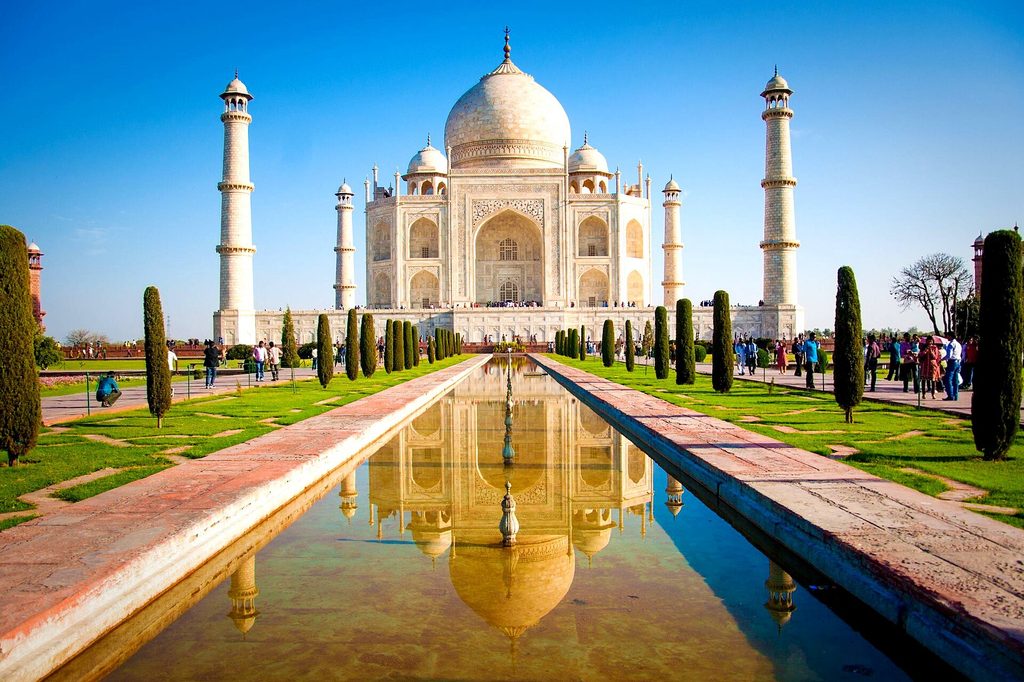
| Uttar Pradesh | Taj Mahal, Agra | 1983 | Cultural |
| Uttarakhand | Nanda Devi and Valley of Flowers National Parks | 1988, 2005 | Natural |
| West Bengal | Santiniketan | 2023 | Cultural |
| West Bengal | Sundarbans National Park | 1987 | Natural |
| Maharashtra and Tamil Nadu | Maratha Military Landscapes of India — eleven forts in Maharashtra and Gingee in Tamil Nadu | 2025 | Cultural |
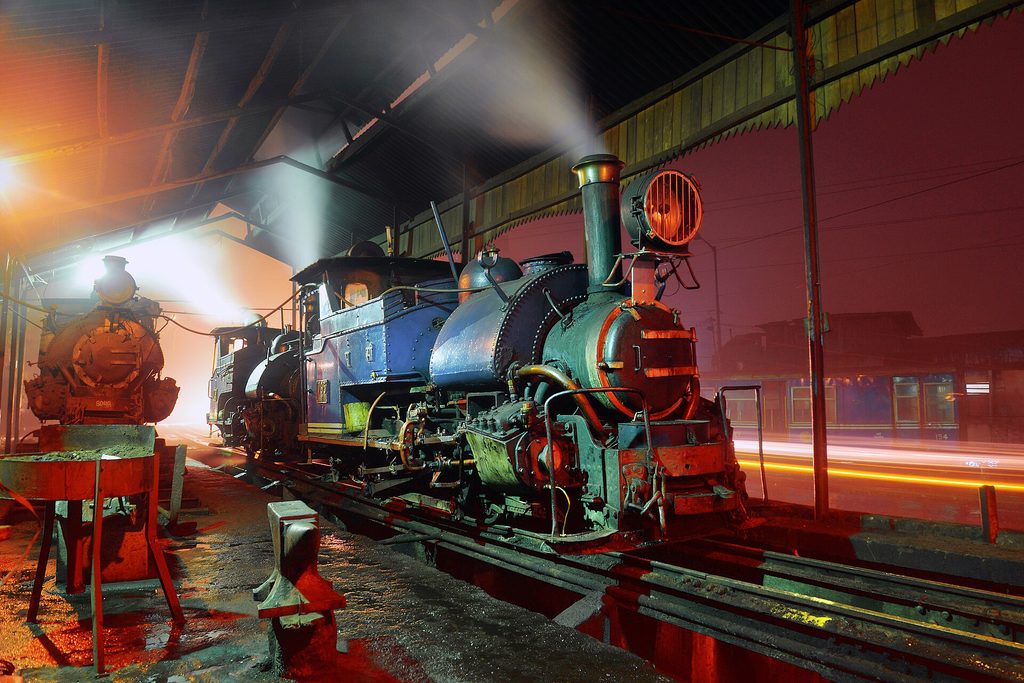
| West Bengal, Tamil Nadu and Himachal Pradesh | Mountain Railways of India — Darjeeling Himalayan, Nilgiri Mountain and Kalka-Shimla railways | 1999, 2005, 2008 | Cultural |
| Maharashtra, Karnataka, Kerala and Tamil Nadu | Western Ghats — 39 listed components | 2012 | Natural |
List checked against UNESCO’s India profile and the Government of India’s heritage overview. UNESCO property pages linked throughout this guide explain individual boundaries and components.
How to read the shared listings correctly
The Hill Forts of Rajasthan are Amber, Chittorgarh, Kumbhalgarh, Ranthambore, Gagron and Jaisalmer. Jaipur City and Jantar Mantar have separate inscriptions. Visiting Amber therefore covers a component of the hill forts property, rather than another standalone listing called “Amber Fort.”
The Maratha Military Landscapes include hill and coastal forts with very different access requirements. Twelve listed components do not mean twelve easy sightseeing stops. Choose individual forts around your route, walking ability and weather.
The Western Ghats property consists of selected protected components. The wider mountain chain covers more territory than the inscription. Staying in a popular hill town does not necessarily mean you have entered a listed component.
Chandigarh’s Capitol Complex is the Indian component of the Le Corbusier architectural inscription, which also includes buildings in other countries. You can visit the Indian component without treating the whole international property as a single destination.
The best UNESCO World Heritage Sites to visit in India for your interests
Start with the kind of day you enjoy. A fort rewards exploration, an observatory benefits from explanation, and a wildlife visit depends on patience. The most famous site is not always the best match for your available time.
For a first heritage holiday choose Delhi Agra and Jaipur
This corridor combines several famous heritage destinations in India with established transport connections. Delhi offers Qutb Minar, Humayun’s Tomb and the Red Fort. Agra adds the Taj Mahal and Agra Fort, with Fatehpur Sikri as a separate excursion. Jaipur brings the historic city, Jantar Mantar and nearby Amber.
Give each major monument its own time. Visiting Humayun’s Tomb and Qutb Minar on a Delhi day is more comfortable when you allow for traffic, lunch and the walk from the drop-off point. The Red Fort can occupy another half day, depending on what you choose to see.
At Jantar Mantar, a guide who can demonstrate how an instrument works adds more than a quick photograph. For children, watching a shadow reveal the time gives the site an immediate purpose.
For architecture and open landscapes spend time in Hampi
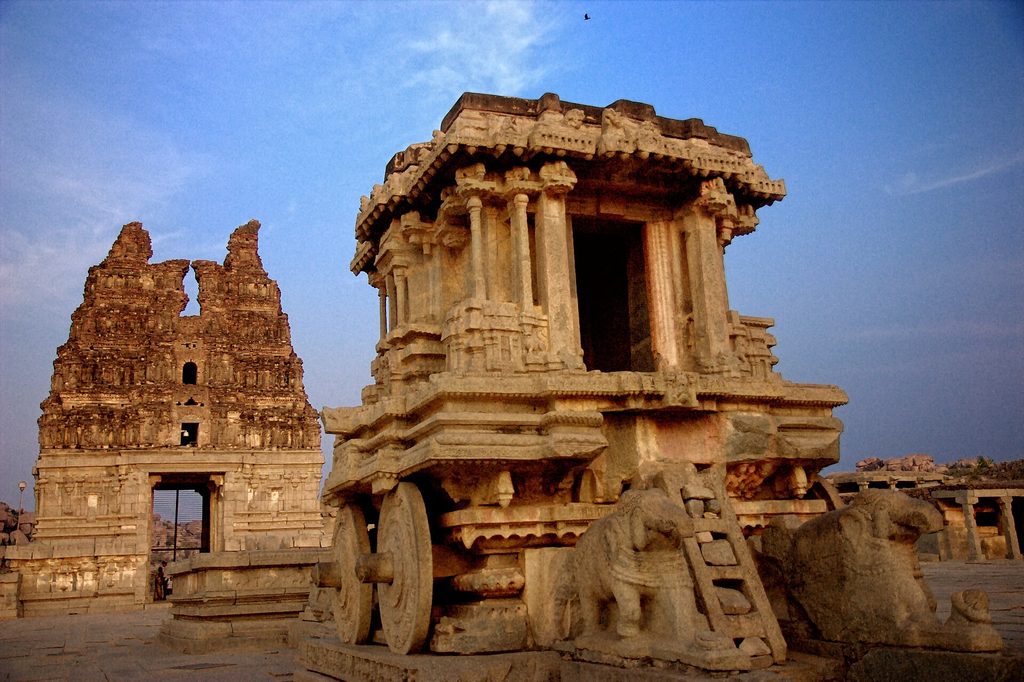
Hampi’s UNESCO property preserves the remains of the Vijayanagara capital across a broad landscape. The stone chariot and temple complexes are memorable, but understanding the relationship between markets, water systems and royal areas makes the visit richer.
Allow two full sightseeing days if possible. Group the sacred centre and riverside areas separately from the royal enclosure and Vittala Temple area. Local transport helps between clusters, although you will still walk within them.
Hampi has exposed stone and limited shade in parts of the site. Leave the hottest hours for lunch and rest. Do not expect an afternoon arrival and a morning departure to provide the same experience as two unhurried days.
For cave art pair Ajanta and Ellora across separate days
Ajanta is particularly rewarding for Buddhist painting and sculpture. Ellora brings together Buddhist, Hindu and Jain monuments, with the Kailasa Temple as a major architectural highlight. The Ministry of Culture’s Ajanta overview and Ellora overview explain why each matters.
Use Chhatrapati Sambhajinagar, still called Aurangabad in many transport listings, as a practical base. Ajanta involves a substantial road journey from the city; Ellora is closer. Separate days give you room for travel delays and time inside the complexes.
Ajanta’s weekly closure is Monday, while Ellora’s is Tuesday. Confirm the current calendar before booking transport. A three-night stay often works better than a hurried overnight stop, especially when arrival or departure falls on a closure day.
For temple traditions choose one southern region
Mahabalipuram combines the Shore Temple, rock-cut monuments and large reliefs in a coastal setting near Chennai. It suits a shorter introduction to temple architecture. Read UNESCO’s Mahabalipuram description before deciding which monument groups to prioritise.
The Great Living Chola Temples need a wider itinerary. Their three components are at Thanjavur, Gangaikondacholapuram and Darasuram. They share one UNESCO inscription, but they are separate journeys. Build in time for temple schedules and travel between towns.
In Karnataka, the Sacred Ensembles of the Hoysalas offer detailed sculpture at Belur, Halebidu and Somanathapura. The first two make a natural pair; Somanathapura fits more readily into a Mysuru visit. Joining all three into one day can turn an architecture trip into a long drive.
For nature choose the right form of wildlife visit
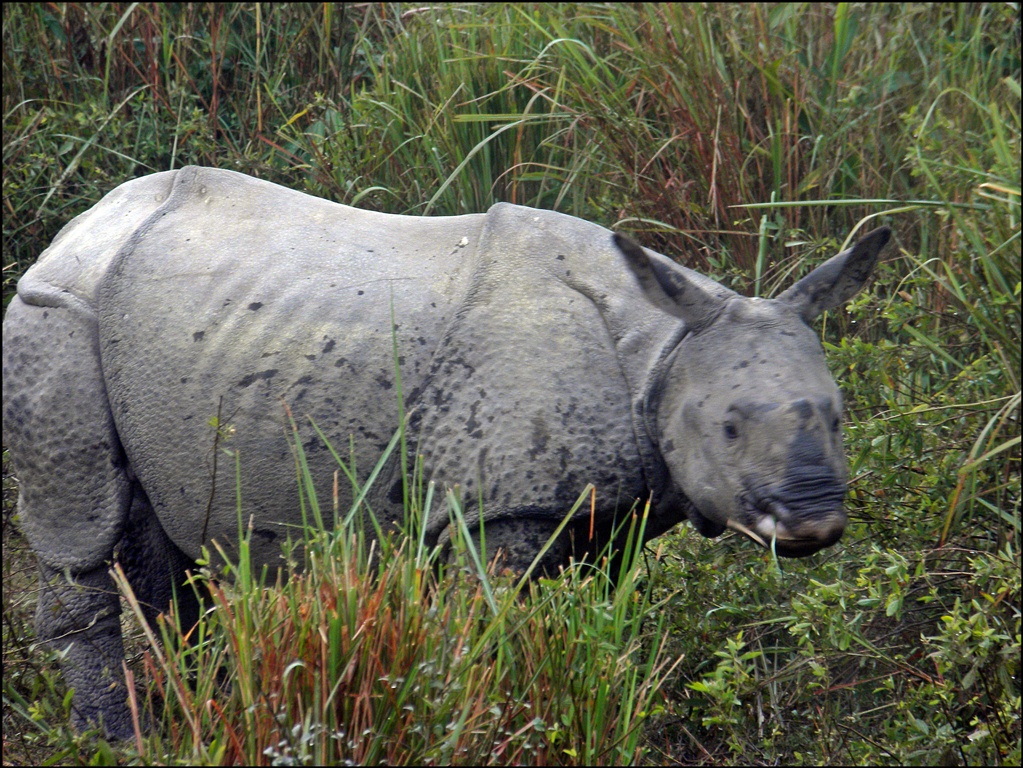
Kaziranga suits travellers interested in grassland wildlife and the greater one-horned rhinoceros. Assam Tourism identifies November to April as a favourable travel period, but reopening dates and available safari ranges depend on conditions. Check Assam Tourism’s Kaziranga information and the park’s current notices before paying.
Keoladeo in Bharatpur offers birdwatching on routes that can be explored on foot, by cycle or by cycle rickshaw. Rajasthan Tourism notes that trained rickshaw guides can help identify birds. It often suits families who want a nature outing without a long vehicle safari.
The Sundarbans is a mangrove and waterways experience. Boat arrangements, safety equipment and the operator’s permitted route matter as much as a species checklist. Tiger sightings are uncertain. Enjoy the habitat without building the holiday around a promised encounter.
For newer inscriptions look beyond the familiar circuit
Sarnath’s 2026 inscription adds an important Buddhist property to a Varanasi visit. The listed components include Chaukhandi Stupa and the archaeological remains of Sarnath. Allow time to understand the site’s association with the Buddha’s first sermon, and check museum access separately from monument access.
The Moidams at Charaideo in Assam provide a different introduction to Indian history. UNESCO’s description explains the Tai-Ahom royal burial landscape. Treat it as a place of cultural significance, with appropriate conduct around the mounds.
Santiniketan in West Bengal suits an interest in education, art and Rabindranath Tagore’s legacy. Dholavira in Gujarat rewards curiosity about Harappan urban planning and water management. Their official Santiniketan and Dholavira pages are useful introductions. Both deserve planned travel time beyond the nearest major city.
For archaeology compare Gujarat and central India
Gujarat offers several very different visits. Ahmedabad is a living historic city, Rani-ki-Vav at Patan centres on a sculpted stepwell, and Champaner-Pavagadh combines monuments with a wider cultural landscape. Dholavira is a more remote archaeological journey in Kutch. Avoid assuming these four properties belong in one quick weekend.
For a first visit, select a city base and one excursion that fits comfortably. If Dholavira is the priority, arrange accommodation and transport around Kutch rather than treating it as an extra stop from Ahmedabad. Ask about meals, drinking water and the return journey before setting out.
In Madhya Pradesh, Sanchi and Bhimbetka can be planned on separate outings from the Bhopal area. Khajuraho needs its own travel arrangements. A guide can help you connect sculpture, religious traditions and daily life without reducing the monuments to a few familiar photographs.
For a shorter city break consider Mumbai or Old Goa
Mumbai lets you explore two urban inscriptions without leaving the city: the historic railway terminus and the Victorian Gothic and Art Deco ensembles. Buildings within the ensembles can have different functions and access rules. An exterior architecture walk does not include automatic entry to offices, courts or educational buildings.
Elephanta is a separate outing involving a harbour crossing and walking at the island. Check boat operations and the final return service before adding another fixed booking that evening. Heavy rain or rough conditions can affect the plan.
Old Goa’s churches and convents work well as a focused heritage morning within a longer Goa holiday. Account for worship, appropriate clothing and the journey from your actual accommodation. “Staying in Goa” can still mean a considerable drive to Old Goa, especially when your hotel is far along the coast.
Regional heritage routes that leave time to enjoy the places
Use these itineraries as planning frameworks. They allow a sensible pace rather than promising a fixed number of monuments each day. Check actual road journeys, train services and opening dates once you choose your travel month.
A seven day Golden Triangle heritage trip
Spend days one and two in Delhi, choosing two major UNESCO monuments across those days and leaving space for neighbourhoods or museums. On day three, travel to Agra and visit Agra Fort if your arrival allows. Reserve the Taj Mahal for an early visit on day four, provided it is not Friday.
Day five can include Fatehpur Sikri while moving towards Jaipur, with enough time for the additional visit. Use days six and seven for Jaipur’s historic centre, Jantar Mantar and Amber. Schedule the observatory when a suitable guide is available.
An extra night around Bharatpur adds Keoladeo and changes the pace with a nature day. Do not squeeze it between a Taj Mahal visit and a late arrival in Jaipur simply to increase the number of listings covered.
For a family, the most useful accommodation feature may be a reliable breakfast and a short return journey for a rest. Compare those details alongside room size and location. A family stays in Jaipur guide can help with this decision.
Four days around Ajanta and Ellora
Arrive in Chhatrapati Sambhajinagar on the first day and keep that afternoon light. Use the second day for Ajanta and the third for Ellora, switching them if the weekly calendar requires. Leave the fourth day for departure or a local visit if transport permits.
Book the vehicle for the full practical journey, including pickup, parking and waiting time. A low advertised fare may exclude some of these. Ask where lunch and toilet stops are available, especially when travelling with young children.
Combining Mumbai’s UNESCO architecture with the caves requires additional transfer time. A Mumbai morning followed by an Ellora afternoon is not a useful default plan. If adding the city, give it its own nights and treat the move to the cave circuit as a travel day.
Six to seven days for a Karnataka heritage circuit
Begin with two sightseeing days in Hampi, after your arrival journey. Travel onwards to the Badami area and give Pattadakal its own unhurried visit. Nearby Badami and Aihole add context, although they are not separate inscribed World Heritage properties in the current list.
Keep the remaining days for travel and optional local sights. This route works more comfortably when Hampi and Pattadakal are the focus. Adding Belur, Halebidu and Somanathapura substantially expands the geography.
For the Hoysalas, build a separate circuit around Mysuru and Hassan. You can then compare the three listed temples without racing across much of Karnataka. Your experience improves when the route follows a clear architectural interest rather than every inscription in the state.
Four to six days for Tamil Nadu temple heritage
Start near Chennai with Mahabalipuram, then allow a proper transfer day towards Thanjavur or Kumbakonam. Visit the Thanjavur temple on a day with enough time for both the complex and its context. Arrange Darasuram and Gangaikondacholapuram around your overnight base and current visiting hours.
These are living religious places as well as heritage monuments. Dress appropriately, respect worship and ask about areas closed to general visitors. A photography-led visit needs the same care as a pilgrimage visit.
If you add the Nilgiri Mountain Railway, extend the trip. The railway is in another part of Tamil Nadu and has its own reservation requirements. Its presence under the same state heading does not make it a convenient afternoon extension to the Chola circuit.
An Assam itinerary with wildlife and Ahom history
For six to eight days, choose Kaziranga and the Charaideo area as the main stops. Begin with the arrival and road transfer, allow more than one potential safari outing, and reserve separate time for the onward journey and the Moidams visit.
Manas lies in a different direction and deserves its own time. Adding it to Kaziranga and Charaideo creates a longer journey. Ask for a route showing overnight locations and realistic driving periods before accepting a package described broadly as an “Assam UNESCO tour.”
Build a buffer before a return flight. Wildlife visits can be affected by weather and road conditions, and a prepaid booking does not make the park immune to closures. A family wildlife holiday guide can help you compare safari formats and accommodation questions.
Three to four days in Darjeeling with a railway experience
The Darjeeling Himalayan Railway belongs to the Mountain Railways of India inscription. A short joyride and a longer transport journey are different products. Confirm the route, departure station, service type and actual running time before booking.
Give yourself an arrival day before the railway outing. Leave another day for the town and its surroundings, rather than trying to complete a hill transfer and a reserved train ride on the same afternoon.
For a wider holiday, a places to visit in Darjeeling guide can cover attractions beyond the UNESCO railway. Keep tea gardens, viewpoints and ordinary town sightseeing separate from claims about the inscribed property.
Best time to visit UNESCO heritage sites in India and how to book
There is no single ideal season for every property. Your dates should follow the climate and access rules of the sites you most want to visit. A school holiday calendar can help identify possible weeks, but it cannot replace checking whether a park or mountain route is operating.
Match the season to the region
| Heritage experience | Useful planning window | What to check |
| Delhi, Agra, Rajasthan and central Indian monuments | Often October to March | Winter fog, holiday crowds and local opening hours |
| Hampi, Maharashtra caves and many southern temple visits | Often the cooler months from October to March | Midday heat, temple schedules and regional rainfall |
| Kaziranga and Manas wildlife trips | Generally the drier visitor season; Kaziranga is commonly planned November to April | Actual reopening dates, range access and safari availability |
| Keoladeo birdwatching | Winter is a strong starting point | Water levels, current bird activity and guide availability |
| Valley of Flowers | Summer access season; flowers are usually strongest July to September | Annual opening dates, rainfall and trail conditions |
| Himalayan trekking and Sikkim mountain visits | Route-specific spring or autumn windows are often considered | Snow, monsoon impacts, permits and local advice |
These are planning windows, not guaranteed operating dates. Southern regions can receive rain at different times. Himalayan weather can change quickly. Uttarakhand Tourism’s Valley of Flowers guide describes its flowering season, which is very different from a winter Rajasthan trip.
Do not treat Nanda Devi and the Valley of Flowers as interchangeable excursions. They share one inscription, but have different access arrangements. The UNESCO property description explains the protected landscapes; the relevant authorities must confirm the route you can actually enter.
Check tickets and closures before choosing travel days
The official Taj Mahal ticketing page lists a standard Indian adult ticket at ₹50, a foreign visitor ticket at ₹1,100 and a separate ₹200 charge for the main mausoleum. It also states that children below 15 enter free. Confirm your category and the current payable amount when booking.
The Taj Mahal is closed to general sightseeing on Fridays. Ajanta closes on Mondays; Ellora’s weekly closure is Tuesday. Museum schedules can differ from the adjoining monument, so check those separately. Maharashtra Tourism’s Ajanta page and the Indian Railways regional visitor information document the cave closure pattern.
An online ticket usually removes the ticket-purchase step. It does not automatically remove security checks or every queue. Save the confirmation, carry the required identification and check whether the ticket has an entry window, a validity period or restrictions on re-entry.
Understand permits and the total cost
Wildlife bookings may involve separate park entry, vehicle, guide and operator charges. Boat-based tours can have different inclusions again. Ask for a written total and find out what happens if the park closes or a service is cancelled.
For mountain routes, confirm the applicable permit, guide requirements and permitted trail with the responsible authority. Visitor nationality and the exact route can affect the paperwork. A general hotel booking is not proof that every nearby protected area is open to you.
Prepare a budget covering accommodation, intercity travel, local transfers, tickets, guides and meals. Add a margin for delays. For a domestic weekend near home, transport may cost less than the stay. For a remote property, the extra driving and overnight stop can outweigh the entry fee.
Compare offers for the same dates and inclusions. A cheap tour that returns late each night can be a poor fit for children or older relatives. A nearby family accommodation guide is useful when it answers practical questions about meals, parking and the journey to the gate.
Visiting heritage places with children and respecting the site
The most suitable UNESCO World Heritage Sites in India for families depend on walking ability, attention span and the kind of experience everyone enjoys. Start with a manageable visit rather than assuming every child will enjoy a long sequence of monuments.
Choose one main experience each day
For younger children, a short railway journey, a birdwatching outing or a guided observatory visit can be easier to enjoy than several large forts. School-age children may like finding carved animals at Hampi, comparing stepwell engineering in Gujarat or learning how a city managed its water.
Give the day a simple question. At Jantar Mantar, ask how people measured time without a phone. At Dholavira, look for clues about storing water. At Bhimbetka, discuss what paintings can reveal about people whose written accounts are unavailable.
Plan food and toilet stops before the visit. Ask about food restrictions inside the property, and keep permitted water accessible. A midday rest can help more than adding another attraction. For a short holiday, repeat comfortable routines even when each day’s destination changes.
Ask specific accessibility questions
Step-free entry does not necessarily mean step-free access throughout a monument. A ramp at the gate may lead to rough paving, a long distance or stairs near the main attraction. Ask about the actual route you intend to take.
For wheelchair users or relatives with limited mobility, request current information about gradients, seating, accessible toilets and vehicle drop-off points. Confirm whether assistance or mobility equipment is available and whether advance notice is required.
With small children, consider the surface as well as distance before bringing a stroller. For a boat visit, ask for life jackets that fit the children, shaded seating and safe boarding. For a safari, check seating and age requirements with the operator rather than relying on a generic family label.
Visit with care for people and conservation
Keep to permitted paths and avoid touching paintings or climbing structures for photographs. Follow current camera rules, particularly around sensitive art and religious spaces. Commercial filming, tripods and drones can require separate permission or be prohibited; the Taj Mahal’s official guidance prohibits drones inside the monument.
In wildlife areas, keep noise low, avoid feeding animals and follow the guide’s instructions. A driver approaching too closely for a photograph is not providing a better safari. The animal’s movement should determine the encounter.
Living heritage includes residents, commuters and worshippers. Ask before photographing people, respect private doors in historic neighbourhoods and avoid obstructing religious activity. Hiring a suitable local guide can help you understand what you are seeing while supporting work in the destination.
When choosing heritage places to visit with kids in India, leave room for an ordinary afternoon too. A local meal, a relaxed walk or a suitable activity can make the history easier to absorb. A family activities in Jaipur guide can help balance a monument-heavy itinerary.
Frequently asked questions about UNESCO sites in India
How many UNESCO World Heritage Sites are there in India in 2026?
India has 45 inscribed World Heritage properties as checked on 8 October 2026. These comprise 37 cultural, seven natural and one mixed property. The total counts inscriptions rather than every separate fort, temple or railway component. Check UNESCO’s India page for later additions.
Which is the newest UNESCO World Heritage Site in India?
The Ancient Buddhist Site of Sarnath in Uttar Pradesh is the newest, inscribed in 2026. Its listed components include Chaukhandi Stupa and the archaeological remains of Sarnath. The Maratha Military Landscapes of India entered the list in 2025, and the Moidams in Assam in 2024.
What are the best UNESCO sites in India for a first trip?
Delhi, Agra and Jaipur make a practical starting route because they combine several important sites with established transport and accommodation. Hampi is a strong choice for a slower architectural holiday. Choose according to your available days, season and interest rather than trying to cover every famous property.
Which UNESCO World Heritage Sites in India are good for families?
Jantar Mantar in Jaipur, Keoladeo National Park in Bharatpur and a suitable Mountain Railways journey are useful starting points. Each can offer a clear activity for children. Check the walking surface, journey length, toilets and current operating arrangements before deciding whether it suits your family.
Is Darjeeling a UNESCO World Heritage Site?
The Darjeeling Himalayan Railway is a component of the Mountain Railways of India World Heritage property. Darjeeling town as a whole is not inscribed under that listing. The same property also includes the Nilgiri Mountain Railway and the Kalka-Shimla Railway.
India’s World Heritage list is most useful when it helps you choose a trip you can enjoy. Pick one region, match your dates to its climate and access rules, and give the main sites enough time. Check the official booking information before fixing transport and accommodation.
Choose a regional itinerary from this guide, then read a detailed destination guide for your first stop. If you are travelling with children, compare nearby stays and suitable activities together so the holiday works for the whole family.


