
Best Time to Visit Chikmagalur: A Month-by-Month Guide to Weather and Activities
There is no single perfect month for every Chikmagalur trip. A clear summit view, a full waterfall and an easy forest road do not always come at the same time. The best time to visit Chikmagalur depends on which experience matters most to you, and whether your group is comfortable with rain, mud and changing access.
For most first-time visitors who want a mix of hill views and sightseeing, October to February is a sensible starting window. The Karnataka Tourism destination guide favours these cooler months. Post-monsoon greenery can be especially attractive, while the main rainy months suit travellers who are happy to slow down and change plans. Actual conditions vary by week and altitude: a forecast for town does not guarantee visibility at Mullayanagiri.
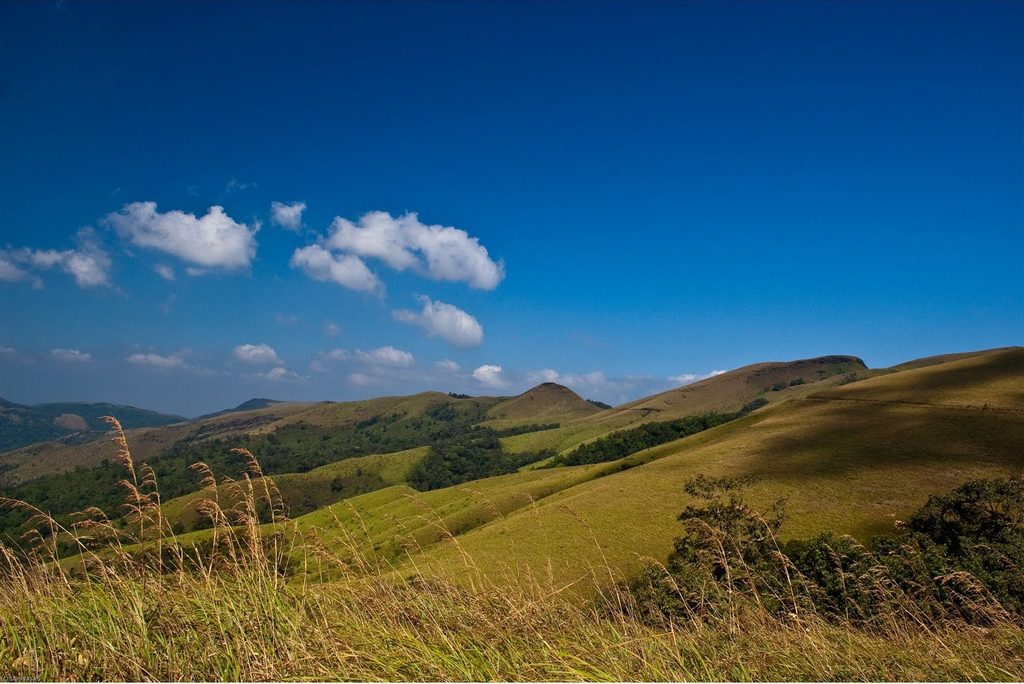
Pick a season by the trip you want
| Season | What usually appeals | Main trade-off | Better approach |
|---|---|---|---|
| October–February | Cooler sightseeing, hill drives, estate walks and generally better chances of a clear view | Popular weekends can mean more traffic and higher stay demand | Book accommodation early; start outdoor days early |
| March–May | A quieter break and often easier road access | Warmer afternoons; some waterfalls have lower flow | Visit viewpoints early and leave afternoons flexible |
| June–September | Rain-washed plantations and dramatic mist | Heavy rain can spoil visibility and complicate treks, waterfalls and road access | Stay longer in one area, check alerts daily, plan alternatives |
These are planning patterns, not a weather promise. Even the official Hebbe Falls guidance advises avoiding difficult monsoon access because rocks can be slippery and rain can be heavy. Check the India Meteorological Department forecast shortly before travel and ask locally whether your chosen attraction is operating.
Chikmagalur weather by month: a practical planning calendar
| Month | What to expect | Good choice if you want | Reconsider if you need |
|---|---|---|---|
| January | Cooler mornings and a generally favourable sightseeing season | Peak drives, estate visits, family touring | A quiet holiday weekend without advance booking |
| February | A similar dry-season plan with cooler mornings at altitude | Mixed sightseeing and walking | Guaranteed water volume at every fall |
| March | Warmer afternoons as summer approaches | Short outdoor mornings and unhurried stays | Midday hiking without heat management |
| April | More comfortable at some hill locations than on the plains, but warm in town | An estate break with a flexible schedule | The fullest waterfalls |
| May | Pre-monsoon changes can bring showers; conditions vary | A short escape with indoor alternatives | Predictable clear skies every day |
| June | Monsoon develops and greenery returns | Rainy scenery and a slower stay | A tightly scheduled trek or sunrise photo |
| July | Often a very wet month | Plantation views from a safe base | Reliable waterfall access or exposed hill roads |
| August | Rain can continue; waterfall flow may be strong | Mist and green landscapes | Easy footing on forest trails |
| September | A transition toward post-monsoon travel, with variable rain | Green hills and flexible sightseeing | A guaranteed dry mountain day |
| October | Popular for the balance of greenery and improving access | A first trip with several outdoor stops | Empty roads on a holiday weekend |
| November | A good all-round sightseeing month for many travellers | Hills, coffee-country travel and a waterfall plan | Last-minute accommodation in peak periods |
| December | Cooler festive-season travel | Family holidays and early viewpoint trips | Budget prices during busy dates |
The calendar describes typical seasonal choices, not measured monthly temperature or rainfall averages. For Chikmagalur weather by month on your exact dates, look at a current district forecast. Conditions in a valley, town, exposed summit and forest waterfall can differ on the same day.
Best months for waterfalls, trekking and coffee country
For waterfalls: Aim for the period after the heaviest rain if you want a combination of flow and manageable access. Karnataka Tourism’s Hebbe page suggests October–February as a balance between water and accessibility. Jhari and Manikyadhara do not share an identical road or walking approach, so check each waterfall separately. A large flow is not a reason to enter a pool or cross a fast stream.
For trekking and views: Cooler, relatively drier months are usually easier for long walks. A misty monsoon trail can be beautiful, but poor visibility, leeches and slippery ground change the experience. Protected-area treks can require permission and may be restricted in bad weather. A drive near Mullayanagiri and a full Kudremukh trek should never be treated as interchangeable activities.
For coffee estates: A guided plantation walk can work in several seasons if the host offers it and the paths are safe. Harvest activity changes by estate and year; ask what you will actually see before promising children a harvest experience. In wet months, a shorter estate visit close to your stay is easier than combining two distant outdoor stops.
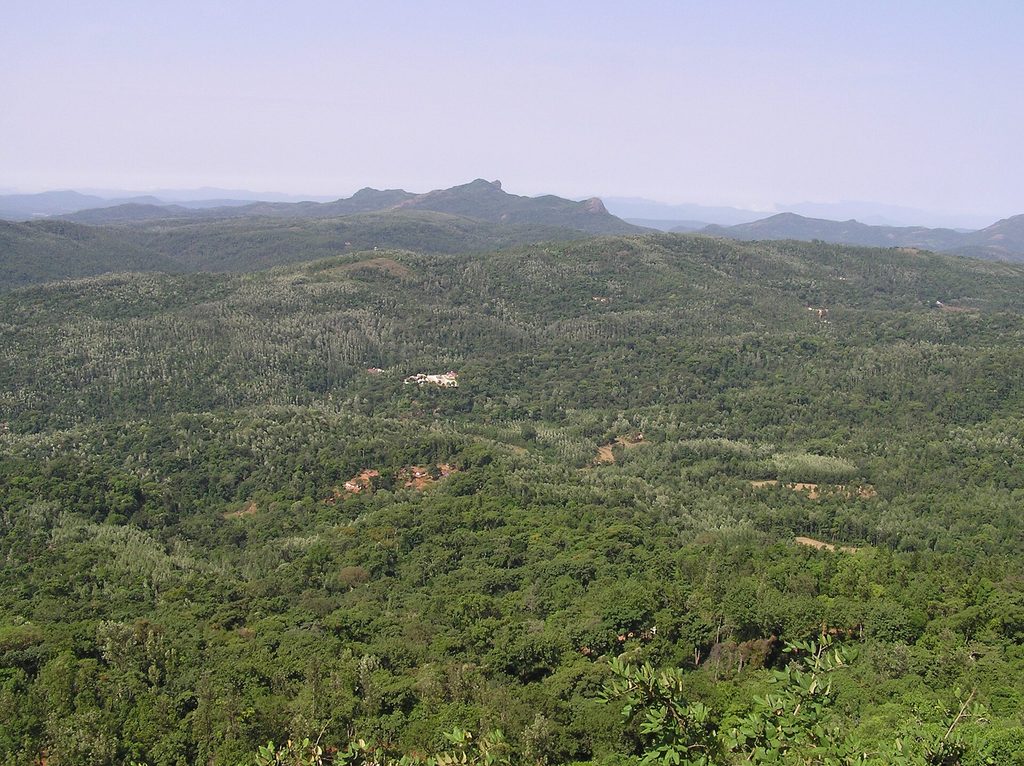
Choosing a season for a family trip or a quieter break
If you are travelling with children or older relatives, October to February gives the broadest choice of easy sightseeing. That does not mean every stop is effortless: Mullayanagiri has steps, Jhari can require a jeep transfer, and Hebbe includes a rougher approach. Plan one main circuit per day and check the walking involved. The dedicated places to visit in Chikmagalur guide compares circuits by effort.
For a quieter stay, consider weekdays outside major school holidays. In summer, start mountain outings early and keep a long afternoon break. In the monsoon, choose accommodation you would enjoy spending time in if the hills are clouded over. Ask about reliable road access, covered spaces and cancellation terms before booking. Our Chikmagalur travel guide covers where to stay and what to ask a homestay before booking.
What should you check three days before leaving?
Read the IMD weather and warnings, confirm any local road or waterfall restrictions, and ask your transport provider how a change of route affects your booking. For a trek or a waterfall requiring a jeep, check the operating status again on the morning of your visit. This small step is more useful than a temperature average copied from a past year. If you’re arriving from Bengaluru, check the route and onward transport options in our Bangalore to Chikmagalur guide.
Frequently asked questions
Which month is best for sightseeing in Chikmagalur?
October to February generally offers a useful mix of cooler weather, accessible outings and better chances for views. Choose dates around your preferred activity and check the forecast rather than assuming every day will be clear.
Is Chikmagalur worth visiting in the monsoon?
Yes, if you want rainy landscapes and are willing to slow down. It is a weaker choice for a fixed trek, guaranteed sunrise view or tightly packed waterfall schedule. Follow local closures and current weather warnings.
When are Chikmagalur waterfalls most attractive?
They can be dramatic during and after rain, but the safer, more practical visit may be after the heaviest monsoon weeks. Karnataka Tourism recommends a post-monsoon window for Hebbe and cautions about monsoon footing.
Is Chikmagalur too hot in April or May?
Warm afternoons can make town sightseeing tiring, while early hill outings and a shaded estate stay may still work well. Build breaks into the day and check a current forecast for the places you plan to visit.
Does heavy rain affect access to attractions?
It can. Forest trails, jeep tracks and exposed viewpoints may become difficult or temporarily unavailable. Confirm access locally on the day rather than assuming that a published timetable or map is current.
Choose dates around your priorities
Pick October–February for a flexible first visit, a drier morning for a summit outing, and a safe post-monsoon day for a waterfall. Then use the Chikmagalur itinerary to put your chosen activities on separate circuits, leaving room to swap days if the weather changes.


