

Chandpole Jaipur: Timings, Entry Fee, History, Shopping & How to Reach
Search for Chandpole Jaipur timings and you may find five different answers. Some websites say the market opens at 10 a.m.; others say 11 a.m. Closing times range from 8 p.m. to 11 p.m. Sunday is described as both a holiday and a normal working day.
The reason is simple: Chandpole is not a single, managed attraction with one entrance and one ticket counter. Chandpole Gate is part of a working public road, while Chandpole Bazaar contains hundreds of independently operated shops, stalls, workshops, temples and wholesale businesses. Their opening days and hours can differ.
For the most dependable shopping experience, plan your visit between 11 a.m. and 8 p.m., Monday to Saturday. Chandpole Gate itself can be seen at any time and there is no entry fee. Sunday should be treated as an uncertain shopping day: some businesses open, but many traditional shops may close or work reduced hours. Published sources currently disagree on a universal weekly off.
This guide explains the difference between the gate and market, what Chandpole Bazaar is famous for, what is genuinely worth buying, how to inspect marble handicrafts, the easiest metro route, family considerations and the best places to visit nearby.
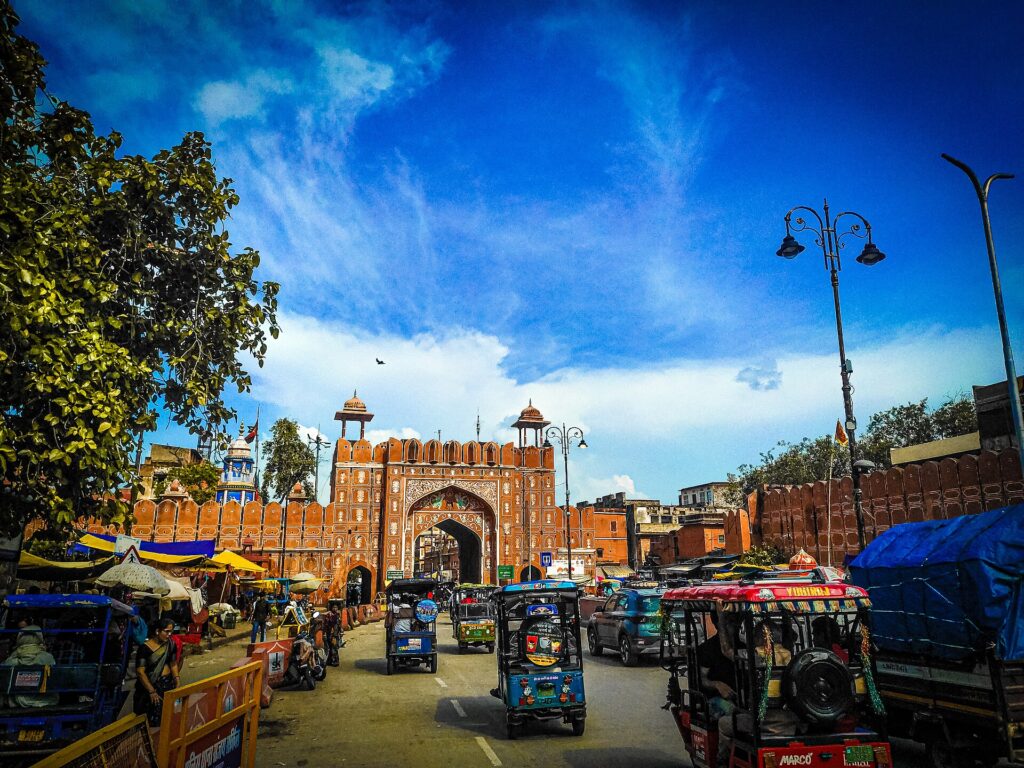
Chandpole Jaipur timings, entry fee and quick facts
| Visitor information | Practical answer |
|---|---|
| Chandpole Gate timings | Accessible throughout the day because it is part of a public roadway |
| Chandpole Bazaar opening time | Individual shops usually begin opening around 10–11 a.m. |
| Best planning hours | 11 a.m.–8 p.m. |
| Chandpole Market closing time | Commonly around 8–9 p.m.; individual shops may close earlier or later |
| Chandpole Market weekly off | No dependable universal rule; Sunday has the highest chance of closures or reduced hours |
| Entry fee | Free |
| Photography fee | None for the public street; ask permission inside shops and workshops |
| Time required | 60–90 minutes for casual browsing; 2–3 hours for serious shopping |
| Nearest metro station | Chandpole Metro Station |
| Best known for | Marble sculptures, handicrafts, wooden items, spices, pulses, dry fruits and everyday shopping |
| Best time to visit | Weekday late morning for easier browsing; winter evenings for atmosphere |
| Location | Chandpole Bazar Road, Pink City, Jaipur, Rajasthan 302001 |
| Family suitability | Suitable with planning, but the live traffic and crowded lanes require close supervision |
These timings should be treated as a practical visitor window rather than a market authority’s fixed schedule. If you are travelling specifically to order a marble mandir, statue, furniture piece or wholesale goods, contact the chosen shop before leaving.
Why Chandpole is an important part of Jaipur’s history
Chandpole means “Moon Gate”
Chandpole—also written as Chand Pol, Chandpol or Chand Pole—is commonly translated as “Moon Gate.” It stands on the western side of Jaipur’s historic Walled City, while Suraj Pol, or Sun Gate, marks the eastern side of the old city’s principal axis.
The National Mission on Monuments and Antiquities identifies Chandpole as the western gate of the walled city and places it broadly in the 17th–18th-century period.
This is important because Chandpole was not designed as an isolated monument. It formed part of the city’s movement, defence and commercial network. Even today, people, scooters, autos and local traffic pass through and around it. Visitors therefore experience the gate as part of living Jaipur, not as a protected monument separated from daily life.
Part of Jaipur’s planned trading city
Sawai Jai Singh II founded Jaipur in 1727 as a deliberately planned city on comparatively level ground. Its grid, broad market streets, commercial blocks and public squares—or chaupars—were designed to support trade and organised urban life.
UNESCO describes the Walled City’s continuous commercial facades, craft streets, gates, bazaars, temples and squares as defining parts of Jaipur’s urban character. The city was intended to become a centre of commerce, and many of its streets continue to serve their original trading and craft functions.
Chandpole Bazaar runs inward from the gate towards Chhoti Chaupar. Rather than being a tourist market created around a historic landmark, it belongs to the original commercial logic of Jaipur. That is why the bazaar includes a mixture of wholesale traders, household-goods shops, religious buildings, food sellers and specialist artisan lanes.
A living centre of craftsmanship
Chandpole’s strongest craft association is marble and stone sculpture, especially around Khazane Walon Ka Rasta, also spelled Khazanewalon Ka Rasta. Jaipur’s heritage administration lists numerous registered craftsmen and marble-art addresses in Chandpole Bazaar, Khazane Walon Ka Rasta and nearby lanes.
This gives the market more depth than a row of souvenir shops. In some lanes, visitors may see raw stone, partly completed statues, polishing work and finished marble pieces within a short distance of one another.
The market is also associated with spices, pulses and grocery trading. Local Jaipur sources describe Chandpole as stretching between Chandpole Gate and Chhoti Chaupar and identify marble sculpture, spices, pulses and groceries among its traditional specialities.
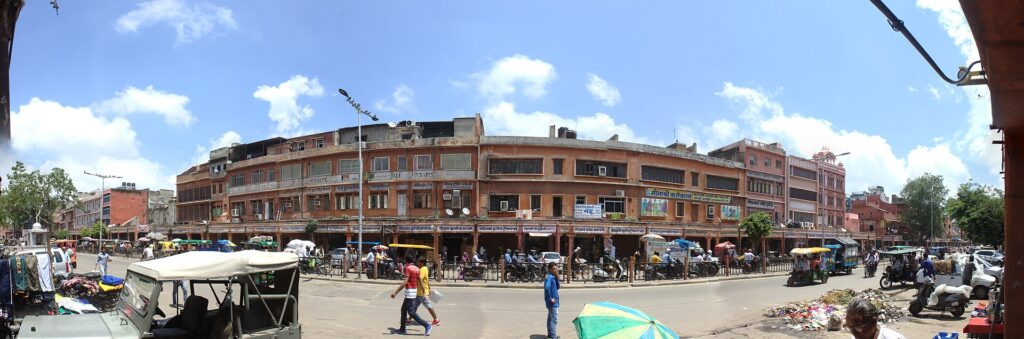
What is Chandpole Bazaar famous for?
Chandpole Bazaar is best known for marble and stone sculptures, traditional handicrafts and the artisan workshops of Khazane Walon Ka Rasta. It also has wooden products, spices, pulses, dry fruits, textiles and everyday local-market goods.
Jaipur Municipal Corporation identifies Chandpole as a hub for handicrafts, marble artefacts, furniture and art. Local Jaipur sources also highlight freshly ground spices, grocery products and pulses.
The market is broad enough that visitors should arrive with a rough shopping priority. Otherwise, it is easy to spend an hour browsing general merchandise without reaching the craft lanes that make Chandpole distinctive.
1. Marble sculptures and home décor
For marble shops in Chandpole Jaipur, make Khazane Walon Ka Rasta your main destination. Depending on the shop, you may find:
- Small carved elephants and animals
- Religious idols and marble statues
- Decorative trays, boxes and tabletops
- Marble mandirs for homes
- Stone nameplates
- Inlay-style décor
- Larger commissioned sculptures
- Made-to-order architectural pieces
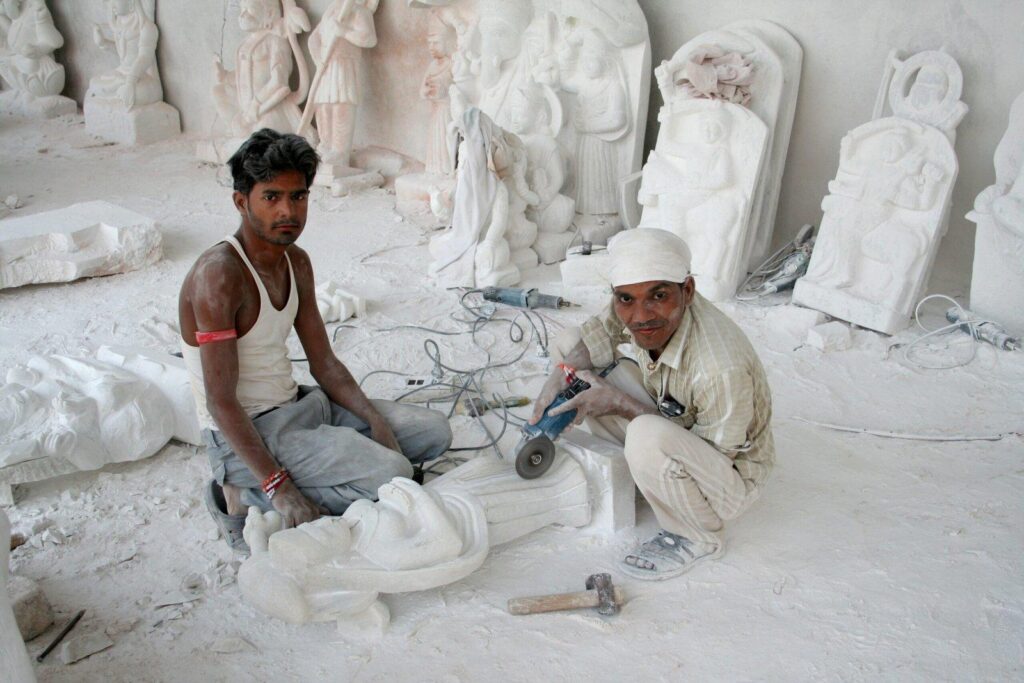
Small objects are easier to compare and carry. Larger statues or home temples require more careful checking because packing, delivery and breakage risk may cost as much attention as the object itself.
Before buying, examine the piece in good light. Check corners, fingers, decorative projections and the base for fine cracks or repaired chips. Place tabletop items on a flat surface to ensure they do not wobble. If the shop claims a particular stone or marble variety, ask for that description on the invoice rather than relying on a verbal promise.
For an order that will be shipped, confirm:
- Whether the displayed piece or a newly made piece will be delivered
- Final dimensions and approximate weight
- Stone or material description
- Packing method
- Transport provider
- Delivery timeframe
- Responsibility for transit damage
- Whether insurance is included
- GST invoice and payment record
Photograph the exact item, invoice and packaging before dispatch. For customised work, obtain a written drawing or reference image with the agreed measurements.
2. Wooden handicrafts and furniture
Chandpole Market Jaipur also sells carved wooden décor, boxes, small furniture pieces and household items. Quality can vary considerably, so compare finishing rather than judging only by the carving.
Check whether drawers move smoothly, hinges are secure and the item stands evenly. For furniture, ask which wood has been used and whether it has been seasoned. Examine the back and underside; rough concealed surfaces often reveal more about construction quality than the polished front.
Shipping wooden furniture to another city should be treated as a separate transaction. Request the packed dimensions, expected freight cost and a clear damage policy before paying the full amount.
3. Spices, pulses and dry fruits
Chandpole is sometimes overlooked as a food-shopping area because most visitor guides focus only on marble. Yet local sources associate the bazaar with spices, freshly ground products, pulses and groceries.
When purchasing edible products:
- Compare aroma and freshness at two or three shops.
- Prefer clean, high-turnover stores.
- Ask whether spices are whole or ground in-house.
- Request sealed packaging for travel.
- Check packing or best-before information where available.
- Buy a small quantity first if the flavour is unfamiliar.
- Check airline and destination-country restrictions before carrying food internationally.
Colour alone is not a reliable indicator of spice quality. Extremely bright powders deserve closer inspection, especially when no packaging or ingredient information is available.
4. Clothes, jewellery and everyday goods
Visitors may also encounter sarees, kurtas, fabric, costume jewellery, bangles, decorative glasswork, metal items, sweets and namkeen. Chandpole has served local retail and wholesale customers for generations, which explains its wide product range.
However, Chandpole is not necessarily the best Jaipur market for every category:
| Shopping priority | Better starting point |
|---|---|
| Marble and stone crafts | Chandpole Bazaar |
| Wooden décor and handicrafts | Chandpole or Kishanpole |
| Fine jewellery and gemstones | Johari Bazaar and verified specialist jewellers |
| Lac bangles | Tripolia Bazaar and Maniharon Ka Rasta |
| Mojaris and inexpensive textiles | Nehru Bazaar or Bapu Bazaar |
| General souvenir comparison | Bapu Bazaar |
| Spices, pulses and local provisions | Chandpole |
This distinction helps prevent a common travel-shopping mistake: assuming every Jaipur bazaar sells the same products at the same level of expertise.
Chandpole Bazaar shopping guide: how to buy wisely
Compare before negotiating
Spend the first 20–30 minutes looking rather than buying. Similar objects can appear at several quality levels, particularly with carvings, costume jewellery, wooden décor and textiles.
Ask for the price politely, note it and compare the same type of product at two or three shops. This gives you a more realistic range than applying a fixed bargaining percentage copied from a travel blog.
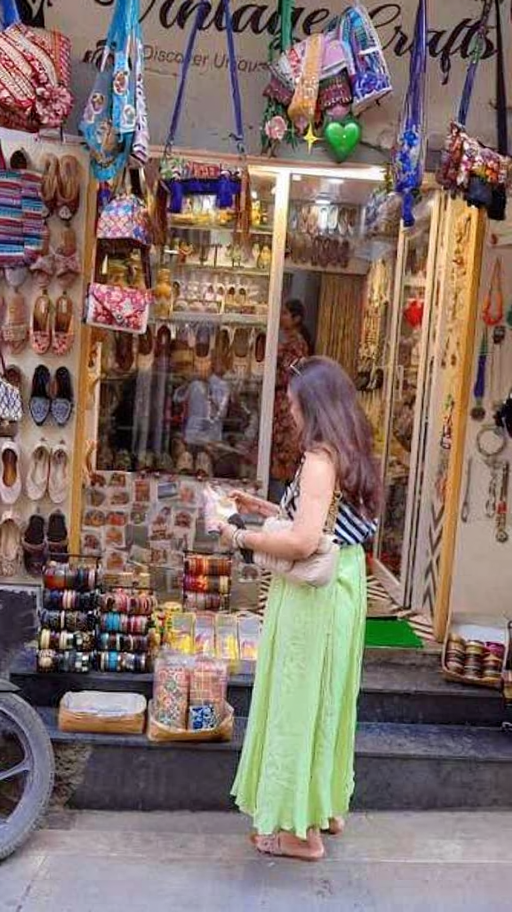
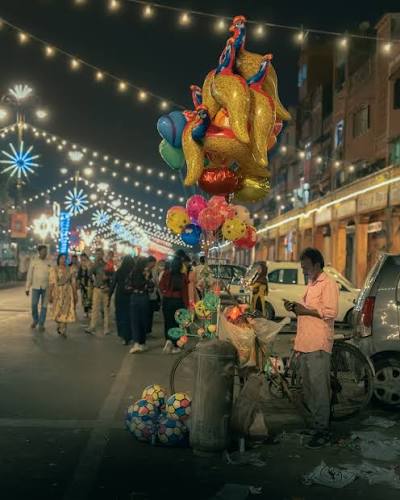
Bargain respectfully
Bargaining may be possible in independent bazaar shops, but it is not compulsory everywhere. Printed-price products, commissioned craftwork and established showrooms may follow different practices.
A useful approach is:
- Ask whether the price is fixed.
- Inspect the product.
- Ask for the best price for one piece.
- If buying several items, request a combined total.
- Be willing to leave if the price does not suit your budget.
Avoid starting with an extremely low offer simply because a website recommends a universal percentage. The reasonable discount depends on the product, workmanship, shop and original quotation.
Treat “antique” and material claims carefully
Do not pay a premium for an “old,” “rare” or “antique” object without credible provenance. Similarly, tourists cannot reliably verify valuable gemstones, precious metals or expensive stone varieties by appearance alone.
For high-value purchases, use an established seller, request a detailed invoice and obtain an independent certificate where appropriate. Chandpole’s clearer strength is craft and home décor; Johari Bazaar is the more relevant district for specialist jewellery research.
Keep delivery promises in writing
For large marble, stone or wooden purchases, WhatsApp messages can help record the final design, size, price, dispatch date and packing agreement. Nevertheless, a proper invoice remains important. Do not rely only on a photograph of a handwritten total with no product description.
Business buyers should also ask about minimum order quantity, sample approval, repeatability, production lead time, colour variation, GST documentation and responsibility for rejected or damaged pieces.
How to reach Chandpole Jaipur
Chandpole Jaipur location
Chandpole Gate is at the western edge of Jaipur’s historic Pink City. The main bazaar runs eastwards from the gate towards Chhoti Chaupar.
Map search: Open Chandpole Gate in Google Maps
Use “Chandpole Gate Jaipur” or “Chandpole Metro Station” as the drop-off point. Searching only for “Chandpole” can lead to a broader neighbourhood result rather than the historic gate.
Nearest metro station to Chandpole Bazaar
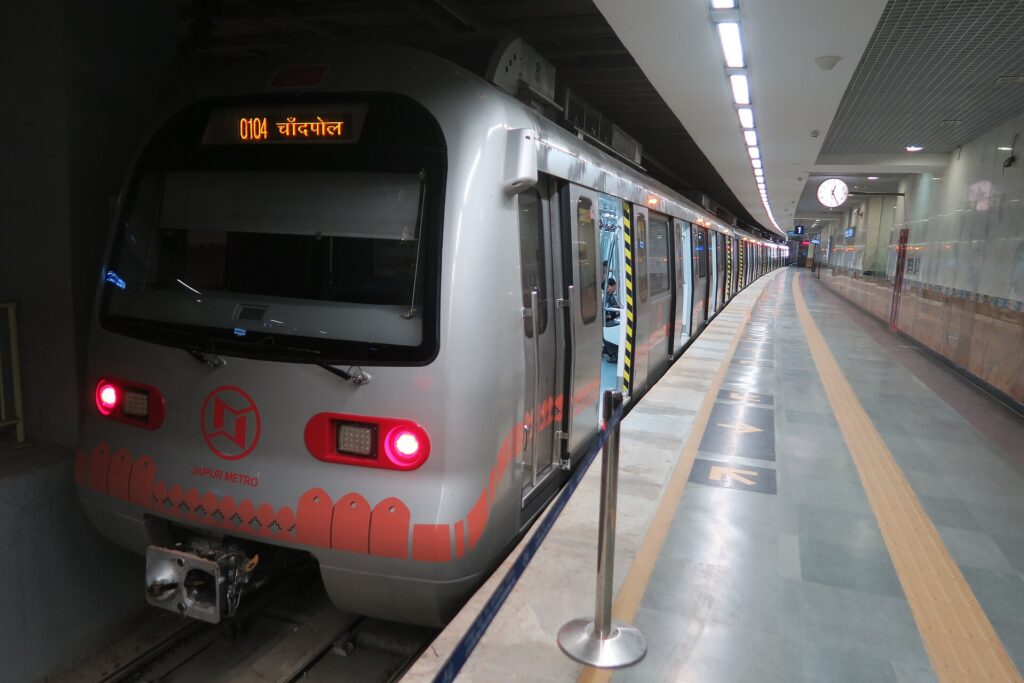
Chandpole Metro Station on Jaipur Metro’s Pink Line is the nearest station. It provides direct access to the western side of the Walled City, Chandpole Gate and Chandpole Bazaar. Jaipur’s municipal market information also identifies it as the nearest metro stop.
The current official Jaipur Metro timetable lists trains through Chandpole from approximately 5:26–5:48 a.m. until 10:26–10:45 p.m., depending on direction. Timings can change, so check the official schedule on the day of travel.
From the station, follow signs or ask for Chandpole Gate and Chandpole Bazar Road. The walk is short, but this is a busy urban area rather than a protected pedestrian promenade. Watch for scooters and autos when crossing.
From Jaipur Junction Railway Station
Take the Pink Line from Railway Station Metro Station towards Badi Chaupar. Chandpole comes after Sindhi Camp, and no interchange is required. The official timetable confirms Railway Station, Sindhi Camp and Chandpole as consecutive stations in that direction.
An auto or cab is also possible, but road travel may take longer during market and office hours.
From Sindhi Camp bus stand
Sindhi Camp and Chandpole are close. You can use the metro for one stop towards Badi Chaupar, take an auto or walk if the weather and luggage allow.
Travellers carrying suitcases should avoid navigating deep into the crowded bazaar. Reach your hotel first or arrange a gate-side drop-off.
From Jaipur International Airport
Jaipur Airport is not served directly by the current Chandpole metro corridor. A prepaid taxi, app cab or arranged hotel transfer is the simplest option.
Ask for Chandpole Gate or Chandpole Metro Station rather than requesting a drop inside the market. Travel time can increase sharply during office hours, festival shopping and Old City processions, so leave a generous buffer.
By car, auto or e-rickshaw
Autos and e-rickshaws are useful for short Old City journeys, but agreeing on the fare or using a metered/app-based option reduces confusion.
Driving your own car is usually the least convenient choice. Jaipur’s Walled City experiences heavy congestion and parking pressure, especially during festivals and evening shopping hours. Local reporting has documented parking shortages and disputes over parking charges around Chandpole and Tripolia.
If you must drive:
- Aim for a recognised parking area near the edge of the Walled City.
- Confirm the displayed rate.
- Take a complete parking slip.
- Do not leave valuables visible.
- Continue through the bazaar on foot or by short local transport.
For most visitors, the metro is simpler.
Best time to visit Chandpole Jaipur
Best season
October to March offers the most comfortable conditions for walking and shopping. Jaipur’s summer afternoons can be exhausting, especially on exposed roads and in crowded lanes.
During April–June, visit close to opening time or later in the afternoon. Carry water, sun protection and a light cotton scarf or hat. Monsoon visits can be atmospheric, but brief rain may slow traffic and make walking surfaces slippery.
Best time of day
Choose the time according to your priority:
- For gate photography: Early morning, before the market becomes busy. Most shops will still be closed.
- For comfortable shopping: Approximately 11 a.m.–1 p.m. on a weekday.
- For market atmosphere: Approximately 4:30–7:30 p.m., particularly in winter.
- For artisan workshops: Late morning to afternoon on a normal working day.
- For serious buying: Avoid arriving just before closing.
Evenings are livelier, but traffic and pedestrian congestion are usually heavier. Festival periods can transform the area. Chandpole and other Walled City markets see particularly dense crowds around Diwali and Makar Sankranti.
Is Chandpole Market closed on Sunday?
There is no reliably published universal answer. Some travel sources describe Sunday as a common closure day, while others list the market as open daily. This reflects the fact that businesses set their own schedules.
For casual sightseeing, you can still see Chandpole Gate and walk through the area on Sunday. For marble shopping, custom orders or visiting a named store, call first. If you cannot confirm, Monday–Saturday is safer.
Visiting Chandpole Jaipur with family
Chandpole can be enjoyable with children because it offers colours, carving, aromas and active market life. However, it is a working commercial street, not a controlled family attraction.
Family tips
- Use the metro to minimise time in traffic.
- Keep young children on the shopfront side of the street.
- Hold hands near crossings and active road sections.
- Avoid the evening rush with toddlers.
- Use a baby carrier if possible; a large stroller can be difficult in crowded lanes.
- Keep children away from active carving tools and workshop dust.
- Carry water and a small snack.
- Limit the first visit to 60–90 minutes.
- Choose one shopping goal instead of trying to cover the entire Old City.
- Agree on a family meeting point in case anyone becomes separated.
A simple “find five Jaipur crafts” activity can make the walk more engaging for school-age children: look for a marble elephant, carved wooden box, colourful spice, traditional shopfront and a hand-painted sign.
Accessibility
Chandpole Metro provides the easiest public-transport approach, but the bazaar itself has mixed traffic, busy crossings, uneven access and obstructions near shopfronts. Wheelchair and stroller access should therefore be considered partial rather than seamless.
Visitors with limited mobility should:
- Travel with a companion.
- Stay mainly on the wider bazaar road.
- Avoid the busiest evening hours.
- Select a specific shop in advance.
- Request a gate-side or station-side drop-off.
- Confirm whether the chosen shop has steps.
Places to visit near Chandpole Jaipur
Chandpole is well placed for exploring the western and central sections of Jaipur’s Walled City.
Khazane Walon Ka Rasta
This is the most relevant detour for visitors interested in marble sculptures and traditional craft activity. Enter with a clear shopping purpose, but also notice the workshop character and old buildings behind the modern retail signs.
Chhoti Chaupar
Walk east along Chandpole Bazaar Road to reach Chhoti Chaupar, one of Jaipur’s historic public squares. From here, you can continue towards Tripolia Bazaar, City Palace and the central heritage area.
Tripolia Bazaar
Tripolia is a logical next market if you want lac bangles, metalware and traditional Old City shopping. It complements Chandpole rather than duplicating it.
Isarlat or Swargasuli Tower
This historic tower is relatively close to the Chandpole side of the Walled City and can add a viewpoint or architectural stop to the itinerary. Check its current entry conditions and timings separately.
City Palace, Jantar Mantar and Hawa Mahal
These major attractions lie farther east within the heritage centre. They can be combined with Chandpole, but doing all three monuments plus serious shopping in one short morning will feel rushed.
A better plan is to visit the monuments earlier and browse Chandpole later, or devote separate half-days to sightseeing and shopping.
Suggested two-hour route
- Arrive at Chandpole Metro Station.
- View Chandpole Gate.
- Walk along the main bazaar.
- Detour into Khazane Walon Ka Rasta.
- Return to Chandpole Bazaar Road.
- Finish at Chhoti Chaupar.
Suggested half-day route
- Start at Chandpole Gate around 10:30–11 a.m.
- Explore Chandpole Bazaar and the marble lanes.
- Walk towards Chhoti Chaupar.
- Continue through Tripolia Bazaar.
- Finish near City Palace or Jantar Mantar.
- Use Chhoti Chaupar or Badi Chaupar Metro Station for the return journey.
Practical tips before you go
Carry a small amount of cash as a backup, although many established shops may accept UPI. Do not assume every stall accepts cards.
Keep your phone and wallet secure in dense crowds. Avoid holding your phone loosely near the road while taking photographs. Ask before photographing shopkeepers, artisans, religious spaces or work taking place inside a workshop.
Wear comfortable closed footwear. The visit involves road crossings, uneven surfaces and potentially dusty craft lanes.
If buying fragile products, carry a reusable bag with padding or ask for proper wrapping. Open the package and verify the item before leaving the shop.
For food, choose busy vendors preparing items fresh. Travellers with sensitive digestion may prefer an established sweet shop or restaurant rather than sampling several street foods during the same market walk.
Most importantly, do not approach Chandpole as a shopping mall. It is noisy, crowded, imperfect and full of everyday trade. That living character is precisely what makes it different from a curated souvenir outlet.
Frequently asked questions about Chandpole Jaipur
What are the timings of Chandpole Bazaar Jaipur?
For practical planning, visit Chandpole Bazaar between 11 a.m. and 8 p.m., Monday to Saturday. Some shops open around 10 a.m. or remain open after 8 p.m., but there is no single schedule followed by every business. Chandpole Gate itself remains accessible as part of a public road.
What is the entry fee for Chandpole Jaipur?
There is no entry fee for Chandpole Gate or Chandpole Bazaar. It is a public heritage gateway and functioning market, not a ticketed tourist complex. Products, food, transport and any nearby ticketed monuments are charged separately.
Which is the nearest metro station to Chandpole Bazaar?
Chandpole Metro Station on Jaipur Metro’s Pink Line is the nearest station. From Jaipur Railway Station, take a direct train towards Badi Chaupar and alight at Chandpole after Sindhi Camp. Check the official Jaipur Metro timetable before travelling.
What should I buy in Chandpole Bazaar?
The most distinctive purchases are marble sculptures, stone décor and handicrafts from the Khazane Walon Ka Rasta area. Chandpole also sells wooden items, spices, pulses, dry fruits, clothes, costume jewellery and everyday goods.
Is Chandpole Bazaar suitable for families with children?
Yes, but parents should treat it as a busy working market. Visit during the late morning, use the metro, keep children close near traffic and limit the walk to 60–90 minutes. Large strollers may be inconvenient in crowded sections.
Conclusion
Chandpole offers something many polished tourist markets cannot: a direct view of Jaipur as a living city of trade, craft and everyday commerce.
The gate is free and accessible throughout the day, but the most reliable Chandpole Bazaar shopping window is approximately 11 a.m.–8 p.m., Monday to Saturday. Use Chandpole Metro Station, prioritise Khazane Walon Ka Rasta for marble work, compare products before bargaining and confirm Sunday or specialist-shop hours in advance.
After Chandpole, continue towards Chhoti Chaupar and Tripolia Bazaar—or use MagickWorld’s related Jaipur guides to plan a family-friendly Old City route without wasting time in traffic.