
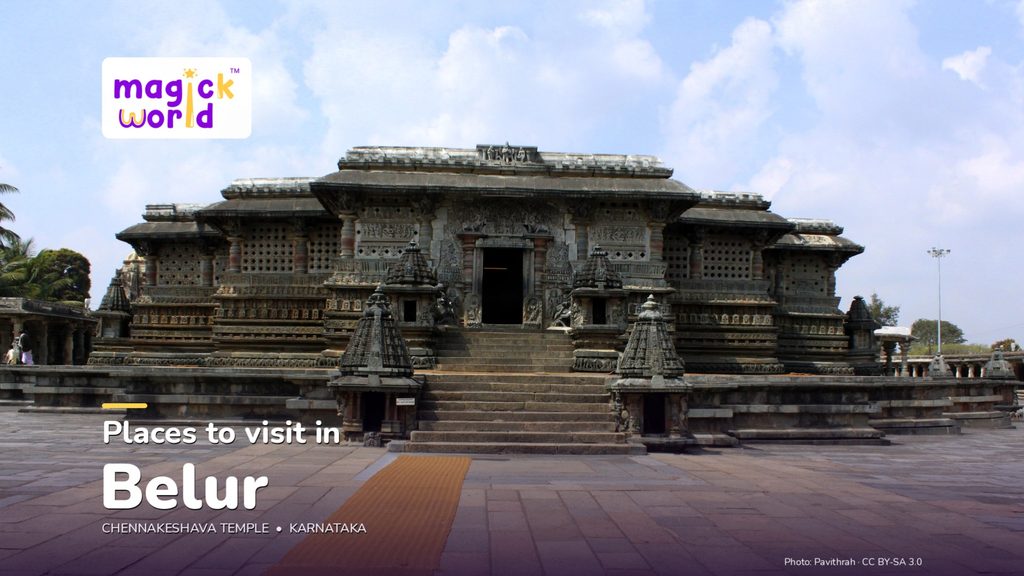
Places to Visit in Belur: A Temple & Day-Trip Guide
A search for places to visit in Belur can leave you with a surprisingly long list: temples, lakes, hill stations, coffee estates and monuments spread across several towns. The difficult part is knowing which places are actually in Belur, which are nearby, and what you can comfortably see in a day.
Start with one simple decision: give Chennakeshava Temple enough time. Its carvings deserve more than a quick photograph before the next drive. Then choose an extra stop that suits your group: another heritage site at Halebidu, a change of scenery at Yagachi Reservoir, or a slower extension towards Chikmagalur.
This guide covers Belur in Karnataka’s Hassan district, also written as Beluru. It explains the main sights, worthwhile nearby excursions, realistic itineraries, transport choices and the details that matter when travelling with children or older relatives. Suggested visit durations are planning allowances, not official time limits.
One useful fact to know before you arrive: Chennakeshava Temple belongs to the Sacred Ensembles of the Hoysalas, inscribed on UNESCO’s World Heritage List in 2023. The listing also includes Hoysaleswara Temple at Halebidu and Keshava Temple at Somanathapura. See the UNESCO World Heritage record for the authoritative heritage description.
1. Belur sightseeing at a glance: choose the right shortlist
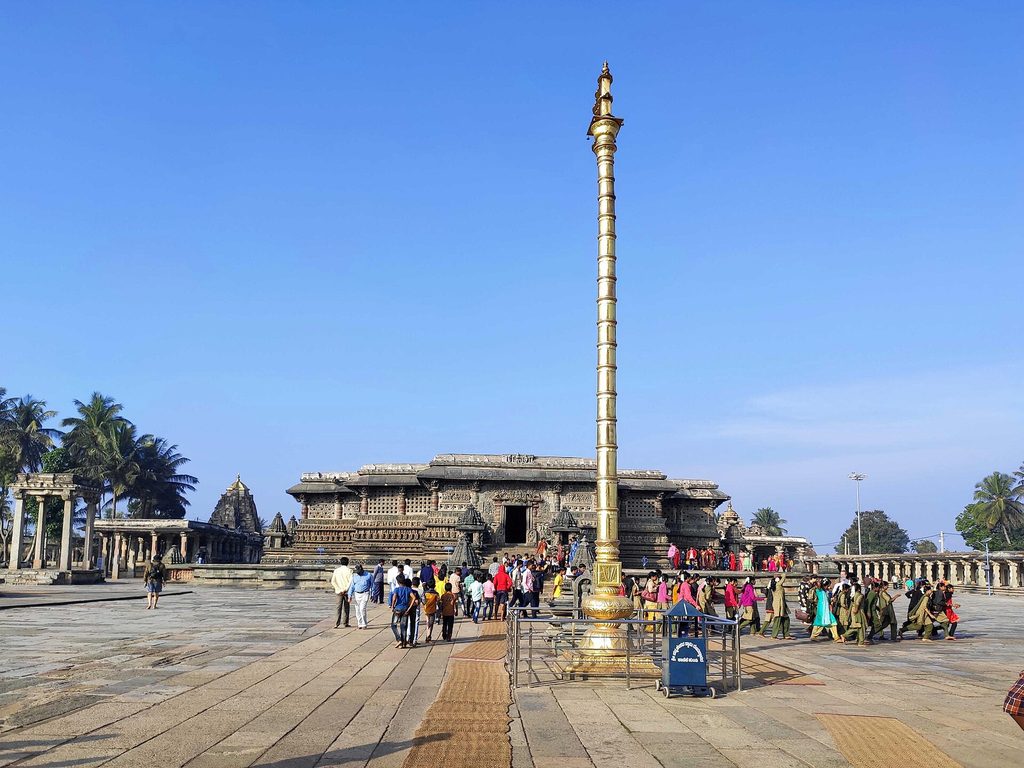
The main places to visit in Belur are Chennakeshava Temple and the smaller shrines within its complex. Nearby, Yagachi Dam offers a reservoir outing, while Halebidu is the strongest addition for a heritage day trip. Longer excursions such as Chikmagalur and Shravanabelagola need their own travel time.
The distinction matters because a sculpture, a subsidiary shrine and a separate town should not all be treated as equivalent stops. A pillar inside Chennakeshava Temple may be fascinating, but it does not require another taxi journey. Halebidu does.
| Place or experience | Location | Why include it? | Suggested allowance |
|---|---|---|---|
| Chennakeshava Temple | In Belur | Main Hoysala monument, sculpture and active worship | 1.5–2.5 hours |
| Kappe Chennigaraya and other subsidiary shrines | Within the main temple complex | A fuller understanding of the enclosure | 20–40 minutes within your temple visit |
| Temple surroundings and a meal break | In Belur | A relaxed pause between sightseeing stops | 45–75 minutes |
| Yagachi Dam or water sports access point | Outside the town centre | Reservoir scenery; activities if operating | 45–90 minutes, plus activity queues |
| Hoysaleswara Temple, Halebidu | A separate town, around 16–17 km away | The most natural heritage pairing | 1.5–2 hours, plus travel |
| Veeranarayana Temple, Belavadi | A separate village excursion | Another temple with a different spatial experience | 45–75 minutes, plus travel |
| Chikmagalur | A separate town and wider holiday region | A base for a longer coffee-country break | Half a day or longer |
| Shravanabelagola | A separate pilgrimage excursion | Bahubali statue and hilltop heritage | A substantial separate part of the day |
Distance figures vary with the starting point and entrance used. For example, the water sports access point is not necessarily the same destination as the dam viewpoint. Save the exact entrance in your map before setting off. Karnataka Tourism’s Beluru overview gives a useful starting shortlist.
For a first visit, choose Belur plus one main addition. Belur and Halebidu suit people who enjoy sculpture and history. Belur and Yagachi suit a group that wants a shorter heritage visit followed by an outdoor break. Travellers who prefer an unhurried day can stay entirely in Belur.
If you have young children, your shortlist should also account for lunch, shade and the return journey. Two well-paced stops usually offer more enjoyment than five places visited while everyone is tired. Keep one optional stop on the list and decide about it after lunch.
2. Best places to visit in Belur: explore the temple town
Chennakeshava Temple: the essential first stop
Chennakeshava Temple Belur is the place around which most visits should be planned. Dedicated to Vishnu and associated with Hoysala ruler Vishnuvardhana, the temple dates to the twelfth century. Its appeal lies in the close relationship between architecture and sculpture: the shape of the building gives the carvings a changing backdrop as you walk around it.
Begin by looking at the whole structure. Notice how it sits on a raised platform, then move closer to the horizontal bands and larger figures on the outer walls. Looking at everything at once can be overwhelming. Choosing one stretch of wall and studying it slowly makes the craftsmanship easier to appreciate.
Try three simple questions. Which animals repeat along the lower bands? How do the figures’ jewellery and clothing differ? Where does a continuous pattern change into a scene with several characters? These questions work even if you have little knowledge of Hindu mythology.
Inside, where access is permitted, the pillars and ceiling provide another perspective on the stonework. Allow your eyes time to adjust to the lower light. Keep passageways clear and follow instructions around worship areas. This is a functioning temple, so sightseeing should fit around the people who have come to pray.
The Hassan district temple guide explains the use of soapstone, the raised platform and the subsidiary shrines. Read a little beforehand, then let the building itself become the focus of your visit.
For most first-time visitors, 1.5–2.5 hours is a sensible allowance for the main complex. A short guided explanation followed by independent looking can be especially useful. People visiting primarily for worship may use their time differently; photography enthusiasts may want considerably longer.
Madanika sculptures and carved details: what to look for
The celebrated madanika or shilabalika figures are among the details that make Belur temple architecture memorable. Rather than treating them as a checklist, compare two or three closely. Look at the posture, the hands, the surrounding decoration and the small figures around the principal sculpture.
The Darpana Sundari, commonly described as a woman looking into a mirror, is a good example of how much information can fit into one sculptural composition. A guide can help you identify it and distinguish what is visible in the carving from later stories associated with it.
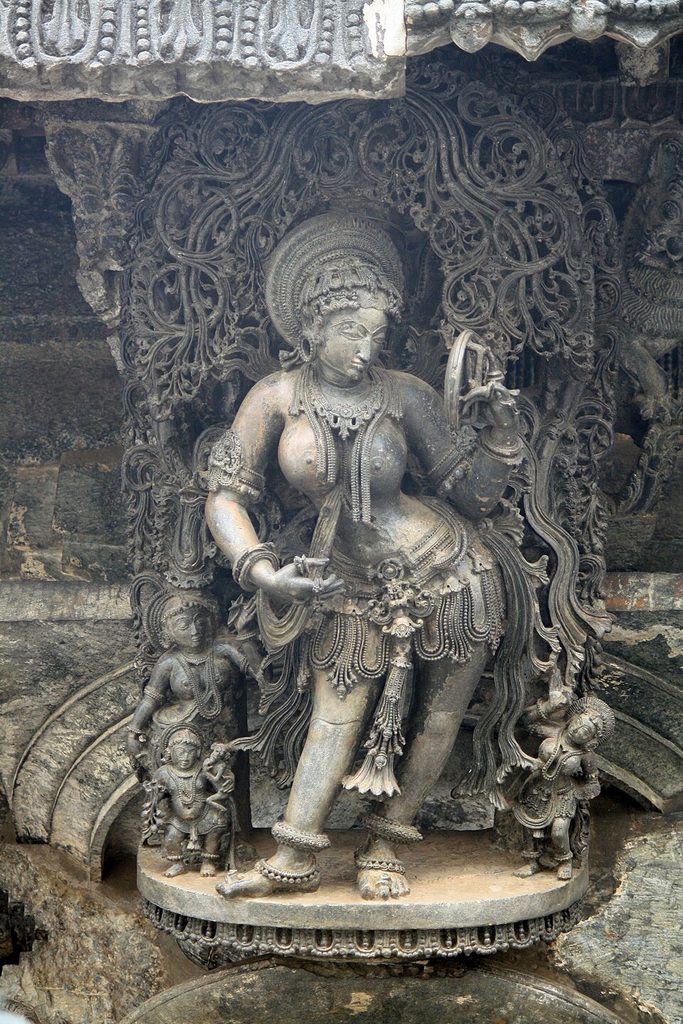
A useful photography exercise is to take one overall view, one medium view and one detail. This gives context to the close-up rather than leaving you with dozens of similar photographs. Use a zoom where possible, and keep your hands and equipment away from the sculpture.
Do not try to test claims about rotating pillars or other mechanical features. If a feature interests you, ask an authorised guide to explain its history. Physical interaction can damage a monument even when an online description makes it sound like a visitor activity.
Kappe Chennigaraya Temple and the subsidiary shrines
Kappe Chennigaraya Temple is within the Chennakeshava enclosure. It belongs in the same visit, rather than being presented as another attraction across town. The smaller scale provides a useful change after the complexity of the main temple.
The enclosure also contains shrines associated with Soumyanayaki and Andal, among others. Spellings vary between guides, so identify them locally rather than worrying about matching every name precisely. Ask which areas are open and whether a ritual is taking place before stepping inside.
This part of the visit is particularly rewarding if you want to understand the complex as a place of worship. A grand central building is only part of the experience; smaller shrines help explain how the enclosure is used.
Allow about 20–40 minutes for these stops within your overall temple visit. You do not need to allocate a separate hour to every structure. If someone in your group is tiring, choose one smaller shrine and finish comfortably.
The entrance tower, courtyard and surrounding streets
The entrance tower and courtyard are worth noticing before you leave. Stand back where permitted and look at how the tower frames the enclosure. This wider view helps put the dense details of the main building into perspective.
The temple surroundings can also provide a natural break for breakfast, lunch or a drink. Choose somewhere that suits your group’s needs rather than following an old restaurant recommendation without checking its location or opening status.
With children, a short stop to draw a carving or describe a favourite animal can make the visit feel complete. With older relatives, a comfortable meal break may be more valuable than adding another monument. Keep street walks modest if the sun is strong.
There is no need to invent a shopping itinerary to fill the day. Browse if something interests you, ask prices before buying and seek permission before photographing people. Any workshop visit should be arranged and confirmed with the person hosting it.
Other local temples: optional stops for a longer visit
Shankareshvara and Pathaleshwara appear in reference lists of Belur’s local monuments. They may interest travellers who want to explore beyond the main enclosure, but they should be optional additions rather than essential stops for every first-time visitor.
Check the correct location, current access and condition locally before going. A smaller shrine may not have the same visitor facilities as Chennakeshava Temple. Avoid relying on an old review or an uncertain map pin as evidence that it will be open.
For a compact first visit, spend the extra time understanding the main complex. For a second visit, these quieter sites can provide a useful reason to explore further. The Belur reference overview can help identify names; current access still needs local confirmation.
3. Places to visit near Belur: choose a worthwhile excursion
Hoysaleswara Temple, Halebidu: the strongest heritage pairing
Halebidu is the most natural addition to a Belur sightseeing day. It is a separate town, approximately 16–17 km from Belur, with its own major Hoysala monument. Hoysaleswara Temple is associated with Shiva, providing a useful comparison with the Vishnu temple at Belur.
Look for the large Nandi figures and the sculptured outer walls. Instead of trying to decide which temple is “better”, compare a few details: the arrangement of the buildings, the treatment of a similar subject, or the way the sculpture follows the walls.
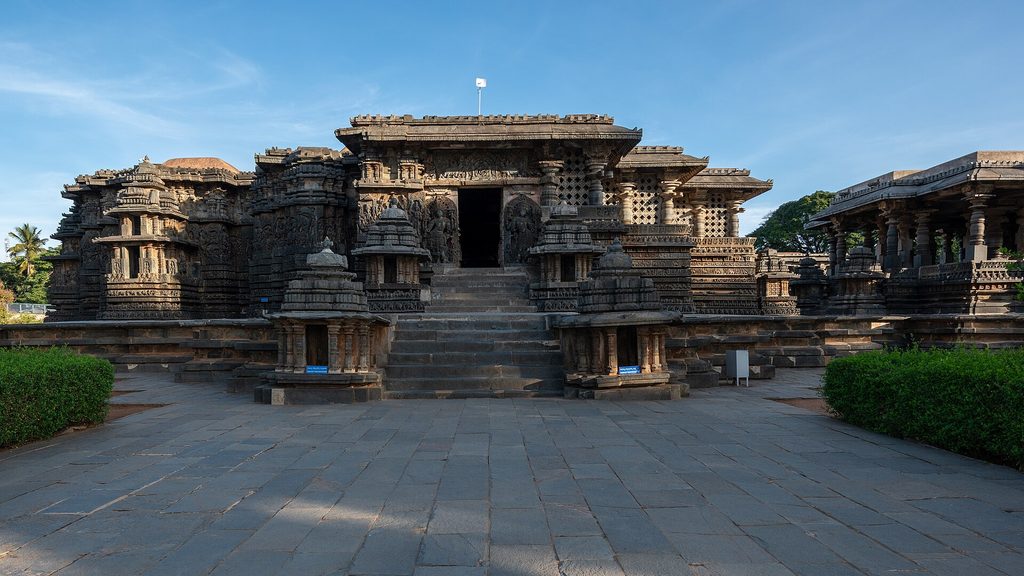
Allow roughly 1.5–2 hours for a considered visit. Add a practical buffer for leaving the first site, parking and finding the next entrance. A short distance does not mean that your entire transfer will take only a few minutes.
Other monuments and museum displays in Halebidu may interest heritage enthusiasts, but check their opening arrangements separately. They should not be squeezed into a day simply because they appear on the same destination list. The Hassan district Halebidu page provides official background.
Yagachi Dam and reservoir: scenery or water activities
Yagachi offers a change of pace after a temple visit. The reservoir setting is the attraction for some travellers; others go specifically for water sports. Decide which experience you want before choosing the map location.
Published descriptions place the reservoir and activity access points a short drive outside Belur. Depending on the entrance and route, your journey may differ from a generic “distance to Yagachi Dam” figure. Ask for the operating water sports centre if that is your destination.
Karnataka Tourism lists activities including kayaking, speed boating and banana boat rides. Their availability depends on operating conditions. The official Yagachi water sports overview is useful for orientation; the operator should confirm what is running on your date.
Before paying, ask about age or height requirements, ride duration, the total price and suitable life jackets. A listing described as suitable for families does not establish that every activity is appropriate for a toddler. A quiet reservoir stop can still be worthwhile if nobody wants a ride.
Allow 45–90 minutes for a simple outing, and more if queues or activities are part of the plan. Use designated visitor areas and follow access restrictions around the reservoir and dam infrastructure.
Veeranarayana Temple, Belavadi: an extra stop for temple lovers
Belavadi is a separate village excursion, often considered by travellers exploring the wider Belur–Halebidu–Chikmagalur region. Its Veeranarayana Temple offers another way to appreciate the area’s religious architecture, particularly the arrangement of its halls and shrines.
The Chikkamagaluru district places-of-interest guide describes Belavadi’s triple shrine and the deities housed there. This is useful background if you want to understand how the building differs from the two better-known temple stops.
Choose Belavadi when architecture is a main interest and your route leaves enough time for a quieter visit. Allow about 45–75 minutes at the temple, plus the actual journey. Confirm access to interiors locally.
Do not assume every Veeranarayana or Viranarayana listing refers to this village. Similar names occur at different temples, including references to shrines within the Belur complex. Save a location explicitly identified as Belavadi, then check the route before departing.
Chikmagalur: a sensible extension for an overnight holiday
Chikmagalur can turn a heritage trip into a broader short holiday. It is a separate town, with coffee-country excursions spread beyond it. Reaching Chikmagalur town is different from reaching a particular estate stay, trail or hill viewpoint.
The most useful approach is to stay overnight and plan the next day around one or two experiences. Check whether a coffee estate actually offers visitor tours and whether advance arrangements are needed. A plantation visible beside a road is not automatically open to visitors.
Hill outings require their own assessment of weather, access and walking effort. Avoid adding a distant peak after both Belur and Halebidu merely to complete a long checklist. For families, an accessible activity near the accommodation may be the more enjoyable choice.
If you are comparing Belur and Chikmagalur as bases, choose Belur for a temple-focused morning and Chikmagalur for a wider stay in the region. Evaluate the accommodation’s exact location rather than relying on the destination name alone.
Shravanabelagola: make room for the hill climb
Shravanabelagola belongs to a separate pilgrimage excursion, rather than Belur’s local sightseeing list. The Bahubali or Gommateshwara statue on Vindhyagiri is its best-known draw. Visiting it adds a different religious and physical experience to a Hoysala temple itinerary.
The ascent involves a substantial flight of steps. Assess the climb against your group’s fitness, the temperature and the time remaining. A person who manages the relatively compact Belur complex comfortably may find this climb much more demanding.
Do not make a fixed three-stop day your default when travelling with toddlers or anyone who has difficulty climbing. Confirm current visitor arrangements and plan the hill visit at a suitable time. The Karnataka Tourism heritage-circuit overview explains why the destinations are often combined.
For a relaxed trip, put Shravanabelagola on a separate day or a suitable onward route. The right sequence depends on where you start and where you need to finish.
4. Belur one day itinerary and a relaxed weekend plan
One day in Belur and Halebidu, starting nearby
The following Belur Halebidu itinerary assumes you have already reached Belur, Hassan or another nearby base. The times are suggested planning windows, not verified opening hours. Confirm site access before using them.
| Approximate window | Suggested plan | Practical reason |
|---|---|---|
| 8:30–10:30 am | Chennakeshava Temple and selected subsidiary shrines | Give the main attraction your freshest attention |
| 10:30–11:00 am | Drink, toilets and a short rest | Reset before the next journey |
| Late morning | Travel to Halebidu | Keep a buffer for parking and local traffic |
| Late morning to early afternoon | Hoysaleswara Temple | Compare the two sites without rushing |
| Around 1:30–2:30 pm | Lunch and a rest | Avoid turning the afternoon into an endurance exercise |
| Later afternoon | One optional stop or return to your base | Choose according to weather and the group’s energy |
Yagachi can be the optional stop if you have confirmed its operating arrangements and the route fits. If someone is tired, finish after lunch. Completing the two major temples already makes a substantial heritage day.
A shorter Belur and Yagachi itinerary
If you want places to visit in Belur in one day without a second major temple, spend the morning at Chennakeshava. Include one or two subsidiary shrines, then have lunch and make a reservoir outing your afternoon activity.
This version suits mixed-interest groups: someone who enjoys sculpture gets a worthwhile temple visit, while someone who wants an outdoor break gets a different setting. It also gives you more flexibility if the temple visit takes longer than expected.
Do not promise children a particular water ride before confirming that it is operating and that they meet the participation requirements. Describe it as a reservoir visit with an activity option. You can then adapt the afternoon without disappointing everyone.
A Belur day trip from Bangalore: make the travel honest
A Belur day trip from Bangalore is possible, but the return driving is a major part of the day. Published destination distances are around 220 km from Bengaluru; your actual route can be longer depending on where you start within the city.
Do not interpret a favourable map estimate as the total trip duration. Add breakfast, traffic leaving Bengaluru, parking, lunch, sightseeing and the return journey. A short temple visit may save time, but it also reduces the reason for making the trip.
For a same-day outing, leave early and keep the plan to Belur plus one nearby addition at most. Agree on a latest departure time for the return journey. If you arrive late, shorten the optional sightseeing instead of pushing every stop into the evening.
An overnight stay is often the more comfortable decision for families. Drive to the region, rest, and visit the temple the following morning. This gives the outing a clear centre rather than making it a continuous race against the return drive.
A two-day trip with time to enjoy the region
On day one, travel to your chosen base, visit Belur if arrival and access times allow, and leave room for a meal and rest. If you prefer a fresh morning visit, settle in first and save Chennakeshava for the next day.
On day two, choose the main temple visit and one excursion: Halebidu for heritage, Yagachi for a reservoir break, or Belavadi for another architectural experience. Avoid treating all three as mandatory.
For a Chikmagalur extension, arrange the schedule around the location of your accommodation and any pre-booked activity. A remote estate stay can add meaningful travel time even when its address says Chikmagalur.
For a Shravanabelagola extension, assess the hill climb and onward drive separately. Keeping a flexible second day is especially useful when travelling with older relatives: the trip can still feel complete without completing every possible stop.
5. Plan your Belur trip: season, transport, timings and costs
Best time to visit Belur
October to February is a useful starting window for comfortable sightseeing, with March also included in many seasonal travel guides. The practical aim is to find weather that lets you spend time outdoors without rushing between shaded areas. Karnataka Tourism recommends the cooler part of the year for a visit.
Check the forecast for your specific dates. October is not a guarantee of dry weather, and an early start remains useful outside the hottest months. Carry drinking water and plan meal breaks around the people in your group.
During the monsoon, the landscape can be attractive, but wet stone, rain interruptions and reservoir activity changes affect the day. Keep the outdoor addition flexible. During warmer periods, spend the earlier part of the day on the main temple visit and give the afternoon more breathing room.
Festivals can add atmosphere while also changing queues, access and traffic. If an event is a reason for your visit, confirm the announced dates for that year. The official Hoysala Utsav information explains the event and notes that dates and performance arrangements are announced separately.
How to reach Belur by road
From Bengaluru, the usual approach is towards Hassan and then Belur. Use current navigation for the selected route, road works and the exact temple entrance. Old articles may retain older highway numbers or measure the journey from a different part of Bengaluru.
Hassan is a useful regional gateway, roughly 35–40 km from Belur depending on the endpoints. The district administration describes bus and taxi access from Hassan in its Belur travel information.
If hiring a vehicle, agree on the full route and inclusions: Belur only, Belur and Halebidu, or an additional reservoir stop. Ask whether parking, tolls, waiting time and driver charges are included. A low headline quote may assume a shorter itinerary than yours.
When self-driving, save the destination before the journey and avoid changing the itinerary while already tired. The driver needs a proper break too. Your decision about an extra stop should include the effort of driving home, not just the time spent at that attraction.
Trains, buses and airport transfers
Hassan is a practical railway gateway for Belur. Choose a train based on its current service, arrival time and the onward transfer you can arrange. Do not assume the sightseeing day begins as soon as the train arrives: the final road journey still needs time.
Local buses can make a visit more economical, particularly for travellers who are comfortable with flexible schedules. Confirm the departure point, destination and return option at the bus station. Avoid building a tightly timed multi-stop itinerary around an unverified frequency quoted in an old blog.
Karnataka Tourism identifies Bengaluru and Mangaluru as airport options. Compare the whole door-to-door journey: flight availability, arrival time, road route and transfer cost. A shorter distance on paper does not necessarily produce an easier connection.
Chennakeshava Temple timings: what to verify
An older Karnataka Tourism listing publishes 7:30 am–7:30 pm for Chennakeshava Temple. Treat that as a published reference, rather than confirmation of access on your travel date. Other travel pages give different schedules, sometimes including a midday break.
The important distinction is between entering the complex, viewing particular interiors and attending darshan. These may not always operate identically. Confirm current arrangements with the temple or through your accommodation before a journey built around an early opening or late arrival.
Ask three specific questions: when can visitors enter the complex, when is the main shrine accessible, and are there any changes on your date? A clear answer is more useful than a generic “open all day”.
Likewise, check current parking, photography, guide and any admission charges separately. Do not treat a tour-package price as a temple entry fee. For sevas or paid services, verify the booking channel through temple authorities rather than using an unconfirmed link from a search result.
Dress, footwear and photography
Choose modest, comfortable clothing suitable for a place of worship. Follow the instructions displayed locally about footwear removal, access and photography. Easy-to-remove footwear makes transitions simpler; also plan for walking on stone that may be warm or wet.
Ask before taking photographs inside worship areas. Outdoor photography and interior photography may have different rules. Do not assume that permission for a personal photograph includes a tripod, a commercial shoot or drone use.
Protect the monument by avoiding contact with sculptures, leaning on carved features or placing equipment on them. A good photograph does not require physical interaction. If a route is roped off or an area is closed, ask for an alternative viewing position.
Visiting Belur with children or older relatives
Belur can work well for a family heritage outing when the pace is realistic. Make the main temple the centre of the day and give children a small activity: find an elephant, compare two figures, or draw a pattern afterwards.
Bring familiar snacks for breaks outside restricted areas, drinking water and sun protection. Do not assume that toilets, shade or seating will appear exactly when needed. Ask about facilities on arrival and use a suitable break before the next drive.
For older visitors or anyone with reduced mobility, assess steps, uneven surfaces and the distance from vehicle drop-off to the entrance. Do not describe the whole experience as wheelchair-accessible without checking the current route. Ask about access to specific areas rather than seeking a single yes-or-no label for the complex.
Where to stay and how to plan your food breaks
Belur suits travellers who want to be close to the main temple. Hassan can be a practical regional base, while Chikmagalur suits a wider holiday with additional experiences. Compare the location of each property, its parking and the time needed to reach your first stop.
For a family stay, check room layout, extra-bed arrangements, breakfast timing, lift or ground-floor access and cancellation terms. A photograph of a spacious property does not answer whether the room itself suits your group.
Keep food planning simple: breakfast before a long visit, lunch before hunger becomes an argument, and drinking water throughout the day. Familiar South Indian meals can be convenient, but confirm the menu and opening time at your chosen eatery. Avoid making a particular restaurant essential to the route.
If your child has specific food preferences, pack a familiar backup. If someone has an allergy, explain it directly rather than relying on a menu description. The purpose of the meal break is to restore the group’s energy, so give it a proper place in the itinerary.
A practical Belur trip budget
Build your budget from confirmed components instead of using an unexplained “cost per person” figure. For a nearby day trip, the largest variable is often transport. An overnight trip adds room costs, while water activities and guides are optional expenses.
| Budget component | What to confirm before booking |
|---|---|
| Travel to the region | Fuel and tolls, bus or train fares, or the complete vehicle quote |
| Local transfers | The chosen stops, waiting time, parking and any additional driver charges |
| Accommodation | Total room cost, taxes, breakfast and extra-person charges |
| Meals | The number of breaks and whether your tour includes any food |
| Guide | Duration, language, group size and agreed total fee |
| Water activities | Current availability, price per participant and eligibility |
| Other site costs | Current parking, museum or photography charges, where applicable |
For one published price reference, Hassan district’s bus-tour circuit lists ₹375 for adults and ₹275 for children below 12, with water activities charged separately. This is a package tariff, not a temple admission price. Confirm current departures, inclusions and fares before relying on it.
Keep payment flexibility for small expenses and confirm prices before a service begins. Allow a modest contingency for extra breaks or transfers.
Before departure, check weather, site access, the exact map pins, transport arrangements and the main meal break. These five checks usually matter more than adding one more attraction to the list.
6. FAQs about places to visit in Belur
What are the best places to visit in Belur?
Chennakeshava Temple and the smaller shrines within its complex are the main attractions in Belur. For a nearby excursion, choose Yagachi Reservoir or Hoysaleswara Temple at Halebidu. The best combination depends on whether you prefer a full heritage day or a shorter temple visit with an outdoor break.
Is one day enough to visit Belur and Halebidu?
One day is enough for a focused visit to both temples if you start from a nearby base and allow time for lunch and transfers. A same-day return from Bengaluru is more demanding because of the driving. With young children or older relatives, an overnight stay can make the trip more comfortable.
How far is Halebidu from Belur?
Halebidu is approximately 16–17 km from Belur, depending on the starting point and destination. Check the route to Hoysaleswara Temple rather than a general town-centre pin. Add time for parking and entering the site instead of treating the road distance as your complete transfer time.
What is Belur famous for, and is its temple a UNESCO site?
Belur is best known for Chennakeshava Temple and its detailed Hoysala stonework. The temple is part of the Sacred Ensembles of the Hoysalas, inscribed on UNESCO’s World Heritage List in 2023. The same listing includes Hoysaleswara Temple at Halebidu and Keshava Temple at Somanathapura.
Is Belur a good place to visit with kids?
Belur can be a rewarding outing for children if you keep the temple visit manageable and include regular breaks. Use the animal carvings as a looking game, then choose one optional excursion. At Yagachi, confirm activity requirements before booking; family suitability does not mean every ride is suitable for every age.
7. Plan a Belur visit that gives the main sights enough time
The most rewarding places to visit in Belur do not require an overfilled itinerary. Give Chennakeshava Temple a proper visit, explore a few subsidiary shrines, and choose a nearby addition that fits your interests and available time.
Halebidu is the clearest heritage pairing. Yagachi offers a change of setting. Belavadi, Chikmagalur and Shravanabelagola work best when you deliberately allow for their journeys and activities.
Choose your base, confirm current access arrangements and build the day around your group’s pace. Then use the relevant official destination resources linked above, or a related Karnataka family-travel guide, to plan your next stop with the same care.


