
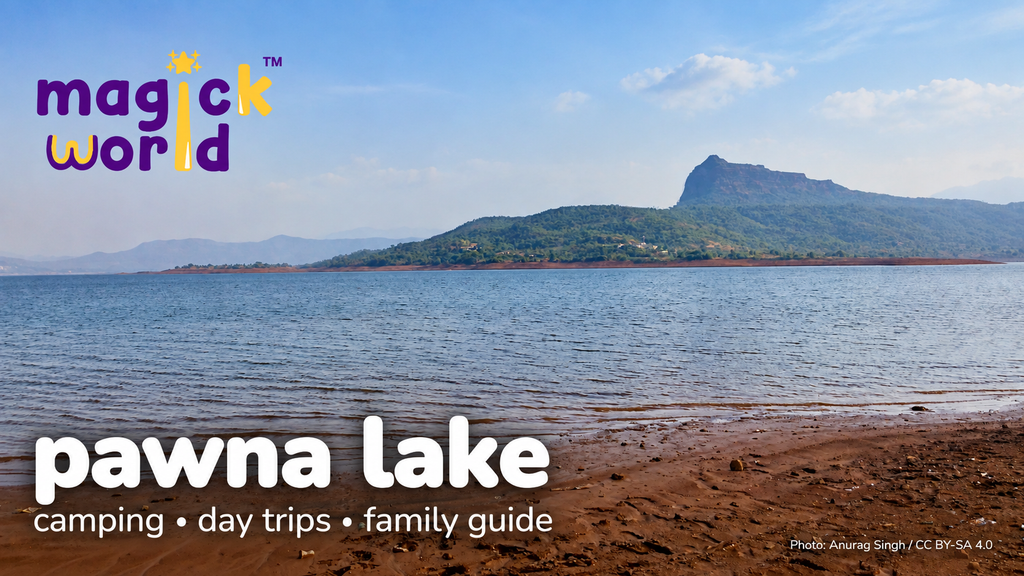
Pawna Lake Travel Guide to Camping and Family Day Trips
A Pawna Lake weekend can look wonderfully simple: drive out, watch the water, eat together and sleep in a tent. The harder part is choosing the right location. A beautiful lake photograph tells you very little about the toilets, evening music, road approach or whether your children can get dinner before bedtime.
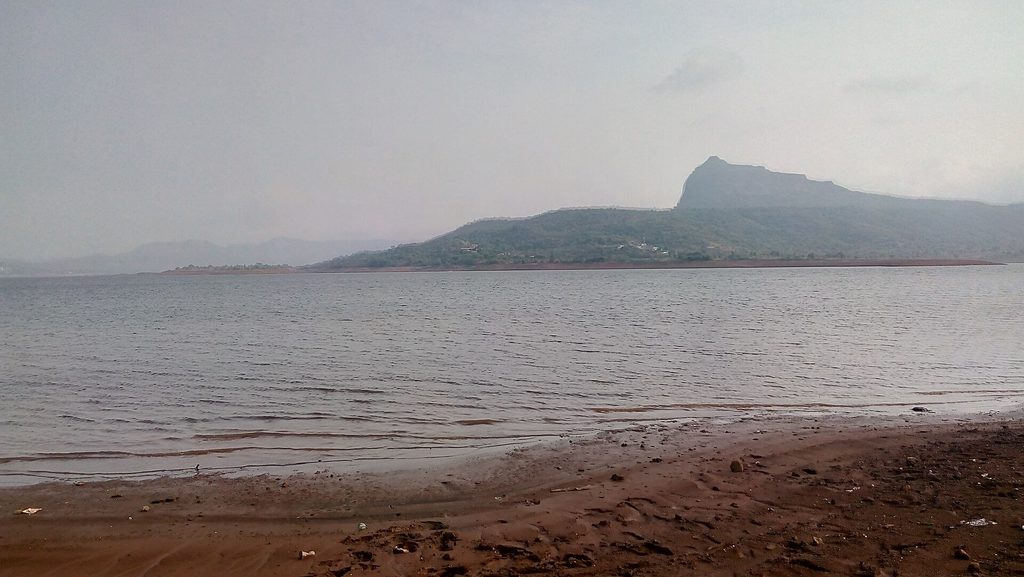
Pawna Lake is an artificial reservoir in Maharashtra’s Maval region, near Lonavala. People visit for lakeside camping, hill views, relaxed day outings and trips that can include nearby forts. Maharashtra Tourism includes the lake among Lonavala’s nature attractions. Maharashtra Tourism visitor information provides useful regional context.
For a first family visit, start by deciding between a day outing and an overnight stay. Then choose a specific venue, check its facilities and navigate to its entrance. Treat boating, bonfires and fort treks as optional activities whose availability depends on conditions.
This guide explains the best time to visit Pawna Lake, approximate routes from Pune and Mumbai, current advertised camping prices, things to do and two practical itineraries. It also covers the questions that matter when you are travelling with children or older relatives.
1. Where Pawna Lake Is and What to Expect
Pawna Lake at a glance
| Planning question | Useful answer |
|---|---|
| Where is it? | Maval taluka, Pune district, Maharashtra, near Lonavala and Kamshet |
| Other name | Pavana Lake; spellings such as Pawana also appear in local listings |
| Main reason to visit | Lakeside scenery, camping and a short break from city routines |
| Recommended first visit | One day for a picnic-style outing or one night for camping |
| Best starting season for family camping | October to February, with a weather check before departure |
| Typical facilities | Depend on the booked venue; confirm toilets, meals, parking and shelter |
| Water activities | Operator-specific and subject to permission, weather and safety arrangements |
The reservoir and the campsites around it are different things. The lake is the destination; the camp is a particular business with its own entrance, facilities, prices and policies. A booking advertised as “Pawna Lake camping” may put you in a basic ground tent, a raised triangle tent or a covered setup away from the immediate shoreline.
Local listings identify places such as Thakursai, Ambegaon and Keware/Chavsar. These names matter because the lake has several approaches. Two venues described as lakeside may require different driving routes, and being near the same water does not mean they are close by road. Compare exact entrance pins before choosing a meeting point for a group.
Choose the experience before choosing the package
Use the family’s main practical need to narrow the choice, then compare the actual venues.
| Your family’s priority | A useful starting choice | What could change the decision |
|---|---|---|
| A first outing with young children | Day access with lunch, shade and toilets | A comfortable overnight setup that fits feeding and bedtime |
| An evening outdoors and a slower morning | One night at a campsite | Unclear bedding, late meals or amplified music near the tents |
| A long drive from Mumbai | Compare an overnight stay with an early day trip | Total driving time and whether the family is comfortable in the available accommodation |
| Limited walking or mobility | A venue with a short, suitable route from parking | Steps, uneven ground or distant washrooms, even when the listing says “easy access” |
Confirm daytime admission separately; an overnight camp does not automatically accept day visitors. For camping, ask how the evening programme and sleeping arrangements fit your family.
For a first camping trip, make a short list of essentials: clean toilets, an agreed sleeping arrangement, suitable food and staff available overnight. Use those requirements to compare packages before looking at decorative lights or activities.
What photographs cannot tell you
Ask for recent images of the actual booked area, including the inside of the tent and the washrooms. A sunset picture cannot show how far your tent is from the toilets or whether a parking area becomes difficult to cross in rain.
One family camping listing states that tents may move under a shed in rain and lake views may change as water levels fall. Ask whether the pictured tent position is the one you will receive and whether allocation is guaranteed or decided at check-in.
2. Best Time to Visit Pawna Lake
For a first family camping trip, October to February is a sensible starting window. Maharashtra Tourism describes the Lonavala region’s October–February period as cool and pleasant, while June–September brings monsoon scenery and March–May can be warmer. Your choice should also depend on the forecast and the facilities at your venue.
October to February for camping and outdoor time
These months are a practical choice when your plan includes sitting outdoors, sleeping in a tent and perhaps visiting a nearby fort. Carry an extra layer for the evening and ask what bedding is provided. A listing that includes a blanket does not tell you its thickness or condition.
October is a transition month, so do not treat a calendar date as proof that rain has finished. Check the forecast, ask whether the ground is dry and confirm where the tents are currently pitched. If boating is important, ask specifically whether it is operating on your travel date.
For a quieter trip, compare the programme for your chosen weekday with the weekend programme. An operator may schedule live music only on particular evenings. Decide whether that is something you want before booking.
June to September for greenery with a flexible plan
Pawna Lake in monsoon appeals to travellers who enjoy green hills and changing skies. It also requires a different plan from a dry-weather camping weekend. Rain can affect the approach road, outdoor seating, tent placement and activities.
Check three things shortly before departure: the India Meteorological Department forecast, the venue’s current operating arrangements and any local access instructions. The Pune district notices page is a useful official starting point for checking published notices.
Avoid building the trip around a promise that all water activities restart on a fixed date. Seasonal restrictions and operating decisions can change. Choose a venue with usable shelter and a clear cancellation or rescheduling policy, and keep the day enjoyable even if outdoor activities stop.
March to May for shorter outdoor sessions
In warmer months, plan active time for the earlier or later part of the day and reserve midday for shade and rest. Ask whether your sleeping unit has ventilation, a fan or another cooling arrangement; these facilities vary by tent type.
Check the current shoreline and view, too. One operator notes that some units lose a direct lake view as water levels drop. Ask for a recent photograph rather than expecting the scene in a monsoon advertisement.
| Season | Planning priority | Check before departure |
|---|---|---|
| October–February | Camping, outdoor meals and a relaxed overnight visit | Evening layers, bedding and current forecast |
| June–September | Green scenery and a sheltered, flexible outing | Rain warnings, road access and activity status |
| March–May | Shorter walks with shade and rest breaks | Cooling arrangements and current lake view |
3. How to Reach Pawna Lake by Road and Train
Distances are estimates to different locations
Pawna Lake is approximately 60–70 km from Pune, 100–120 km from Mumbai and 20–30 km from Lonavala in the sources reviewed. These are broad planning ranges across different starting points and venues, not measured distances for every journey. Calculate your route from your actual address to the booked entrance.
The differences are visible even in local operator pages. A Pawna Campex distance guide gives approximately 60 km from Pune, 100 km from Mumbai and 27 km from Lonavala. A separate campsite route guide gives around 65 km, 120 km and 20 km respectively.
| Starting point | Broad distance range | Indicative driving allowance |
|---|---|---|
| Pune | About 60–70 km | Around 1.5–2 hours before substantial delays |
| Mumbai | About 100–120 km | Around 3–4 hours; your starting suburb matters |
| Lonavala | About 20–30 km | Around 40–60 minutes, depending on the venue and road |
These timings are planning estimates from the reviewed route information. Allow extra time for weekend congestion, meal stops, rain and unfamiliar village roads. A trip from one side of Mumbai can take considerably longer than the same journey starting closer to the expressway.
Pune to Pawna Lake by road
Local route guides describe an approach through Pimpri-Chinchwad, Kamshet and Pavananagar/Pawnanagar. Some venues also describe access through Paud and Hadshi. The suitable approach depends on the side of the reservoir you have booked and current road conditions.
Send your starting locality to the venue and request its preferred approach. Check the final stretch as well as the highway portion: ask whether the entrance is accessible in your vehicle, where to park and whether there are turns that navigation apps commonly miss.
Fill fuel before the rural stretch, save the entrance pin and keep the coordinator’s number accessible. For families arriving for a day outing, agree the arrival window so you know when toilets, meals and seating will be available.
Mumbai to Pawna Lake by road
The reviewed route pages describe travel through the Mumbai–Pune corridor toward Lonavala, followed by local roads toward the selected venue. They show approaches through Kamshet or Dudhiware; neither should be treated as universally preferable for every campsite.
Ask the host which approach they currently recommend for your vehicle. Aim to complete an unfamiliar final approach in daylight. If you are travelling in several cars, share one entrance pin and agree a meeting point that has parking rather than gathering beside a narrow road.
Train and local transfer options
Lonavala and Kamshet are common rail access points mentioned by local operators. The Pune district’s Lonavala visitor page confirms rail access to Lonavala, including local trains from Pune. Check the current timetable and stops for the service you intend to use.
The train journey does not take you to the campsite entrance. Arrange the onward taxi or jeep and its return journey. Confirm passenger capacity, luggage space, both transfer prices and the pickup point. Do not rely on an app-based car being available for the return from a rural venue.
4. Pawna Lake Camping Prices and Booking Checks
What the advertised camping prices mean
Basic overnight tent packages on the operator pages checked were advertised from ₹999 to ₹1,799 per adult/person, depending on the specific package. These are examples of displayed offers checked on 5 October 2026, not a lake-wide tariff or a confirmed quote for your dates.
For context, one operator’s package catalogue displays a ₹999 starting offer and other tent packages at ₹1,499. Its Location G listing displays ₹1,799 for adults above 12. These examples show why comparing the package details matters more than searching for one universal Pawna Lake camping price.
| Example checked | Advertised price | Important distinction |
|---|---|---|
| Selected basic overnight tent offer | From ₹999 per adult/person | Starting offer; confirm the selected date and inclusions |
| Other sampled overnight tent packages | ₹1,499–₹1,799 per adult/person | Price belongs to the named package, not the whole lake |
| One day-camping package | ₹999 adult; ₹499 child aged 5–12 | One operator’s day outing, separate from overnight camping |
The day-camping example comes from an operator’s day-outing page. Ask for a final written total, including the applicable child policy, taxes or fees, activities and transport.
Is there a separate Pawna Lake entry fee
The sources checked did not establish a single official entry fee covering every visitor and access point around Pawna Lake. A campsite charge, day-pass price, parking payment or activity fee should not be described as a universal lake admission ticket.
For a visit without camping, identify the place you intend to use and ask what access is allowed. Confirm whether the payment covers a defined time window, toilets, seating, parking and meals. Do not assume that an open-looking bank is public land or that you may enter a private camp just to photograph the water.
Confirm the full package before paying
Sleeping space: Ask how many people each tent can actually accommodate and whether the sleeping mats or mattresses are included. Two adults and two children may need two tents or a different unit. Get the arrangement confirmed instead of relying only on a total guest count.
Washrooms: Check whether they are shared or attached, how far they are from your unit and whether the route is lit at night. Families with young children should also ask about water availability and a practical changing space.
Food: Confirm the meal times, menu and children’s options. Ask about an earlier dinner or access to food if the scheduled meal is late. Vegetarian, Jain, allergy-related or other dietary requests need explicit confirmation rather than an assumption based on “meals included.”
Music: Ask what happens on your specific night, when amplified music stops and how far the sleeping area is from speakers. A “family-friendly” label does not by itself describe the sound level or evening programme.
Weather arrangements: Find out where guests go during rain and whether tents are moved. Ask whether your booked experience changes if the ground becomes wet, and what happens if weather prevents the venue from operating.
Activities: Request an itemised list of included and paid activities. One campsite listing charges extra for boating and kayaking, while another operator’s package advertises them as included. Also check operating status, duration and participation rules.
Cancellation: Read the policy before paying an advance. Some reviewed packages describe non-refundable deposits; others advertise refunds within a particular cancellation window. Ask what applies if you cancel, the venue cancels or an individual activity is unavailable.
Location and payment: Match the booking name, entrance pin, coordinator and payment recipient. Keep the written confirmation and receipt. Agree the balance payment, arrival time and any charges for arriving early or leaving late.
A booking message you can copy
Send the same request to each shortlisted venue so the replies are easier to compare:
We are planning a Pawna Lake visit on [date], with [adults] adults and children aged [ages]. Please share the exact entrance pin, total price, tent allocation and bedding, washroom arrangements, meal times, music hours, rain shelter and cancellation terms. Please separate included activities from paid extras and confirm which activities are currently operating. We need [day access / one overnight stay].
Work out the family total
A useful comparison includes the cost of the entire outing, not only the headline adult rate. Add transport, tolls, any separately charged meals and the activities your family is likely to choose.
For an illustrative calculation, suppose a venue quotes ₹1,200 for each adult and ₹600 for each child. Two adults and two children would cost ₹3,600 for that package before separately charged travel or extras. This is a budgeting example, not a current offer.
Check the children’s exact ages against the venue’s bands. The sampled prices show that an adult rate may begin above age 12. For teenagers, an assumed child discount can change the total considerably.
5. Things to Do at Pawna Lake and Nearby
Enjoy the lakeside without a packed schedule
The simplest Pawna Lake activity is spending time beside the landscape from an accessible, permitted area. Have a meal, take photographs and leave time for children to play on suitable ground away from the water.
Turn a short walk into an observation activity: ask children to notice hill shapes, cloud movement or reflections. Bring a small notebook or a familiar game. This gives the outing something to do even when a scheduled activity is cancelled, without requiring another booking.
Keep the setting comfortable. Ask where shade and toilets are available before choosing your sitting area, and keep the route back to the car manageable for the least energetic person in the group.
Try boating or kayaking only when operating
Boating and kayaking appear on several local package pages, but their inclusion and availability differ. Ask whether the activity is running that day, whether it is permitted at that location and who supervises it. Check the fee, duration, passenger rules and availability of properly fitting life jackets.
For children, ask about the operator’s minimum age, height or weight requirements and whether an adult must accompany them. Decide whether participation suits your child rather than treating an included activity as something everyone must complete.
Do not plan a swim in the reservoir. The reviewed operator FAQ reports swimming restrictions, and another package’s booking rules say swimming is not allowed. Follow current local instructions and keep lake viewing separate from entering the water.
Use campsite games and evening activities selectively
Local listings describe games such as badminton, carrom, cricket and chess, alongside shared bonfires or music. Confirm what your particular venue provides and whether equipment is available for your group.
For younger children, a game before dinner may be more useful than waiting for a late evening programme. If a bonfire takes place, choose seating that allows you to supervise children comfortably and follow staff instructions. Have an alternative activity if rain or another operating decision prevents the fire.
On a clear evening, looking at the sky can be enjoyable. Stargazing depends on cloud, moonlight and local lighting, so avoid expecting a particular view from an edited photograph. A short session from a suitable supervised area is enough for a first visit.
Pick one nearby fort rather than several
Tikona, Tung and Lohagad are identified in the Pune Metropolitan Region Development Authority’s tourism information. Maharashtra Tourism also covers Lohagad and the Lonavala region’s forts and caves. Their inclusion in a nearby-attractions list does not make every route suitable for every family.
Tikona and Tung need their own route and conditions check. Assess the actual climb, footwear, exposure and your group’s experience before adding either. A fort photograph cannot establish whether your child or older relative will be comfortable on the approach.
For Lohagad, the official tourism page describes a road approach to the base at Lohagadwadi. Reaching the base by vehicle reduces the approach walk, but climbing and uneven surfaces still need consideration. Choose a realistic turnaround point and avoid pressure to reach a summit.
Consider caves or a separate Lonavala visit
Karla and Bhaja Caves offer another way to add history to a regional trip. The Pune district visitor information identifies them among attractions that can be combined with Lonavala. Check current entry information, steps, opening arrangements and the road connection from your particular venue.
Choose one additional attraction if your group has the time and energy. Combining a lake outing, several forts, caves and sunset stops in a single day leaves little room for meals, queues or rest.
6. Pawna Lake Itineraries and Family Travel Tips
A relaxed Pawna Lake one day trip
A day trip suits families who want lake views and outdoor time while keeping their usual sleeping arrangements. Book or confirm a place with daytime access, seating, toilets and food. The schedule below begins at arrival; calculate your departure from home using the actual route.
| Suggested time | Plan |
|---|---|
| 9:30–10:00 AM | Arrive, locate toilets and settle into the permitted visitor area |
| Late morning | Take a short walk or play a simple game on suitable ground |
| Around noon | Have lunch and a shaded rest break |
| Early afternoon | Choose games, photographs or one confirmed activity |
| Around 4:00–4:30 PM | Begin the return journey, adjusting to daylight and road conditions |
Treat these as suggestions, not a venue’s operating timetable. One reviewed day-camping package finishes at 5 PM; other places may use different hours. Confirm your access window before planning sunset at a paid venue.
For a first visit with young children, keep the lake as the main destination. Add a fort only if the group specifically wants a separate climb and you have allowed enough time. A shorter outing with an unhurried lunch can be more enjoyable than reaching several stops late.
If travelling from Mumbai, consider whether the drive leaves enough usable time at the lake. An overnight plan can spread the travelling across two days. Alternatively, start early and choose one daytime venue without additional sightseeing detours.
A two day Pawna Lake camping itinerary
An overnight visit gives you time to settle in before the evening and enjoy breakfast without immediately driving home. Many reviewed camping pages use approximately 3–4 PM check-in and 11 AM check-out, but the booked venue’s confirmed times apply.
Day one: Complete the final approach in daylight. After check-in, inspect the sleeping setup, toilets and route between them. Identify where children may play and where they need close supervision. Keep the afternoon open for snacks, games and photographs from suitable ground.
Ask about dinner timing as soon as you arrive. If the main meal is later than your children’s usual dinner, use the arrangement agreed during booking. Pick the evening activities that fit your family and settle children before they become overtired.
Day two: Leave time for breakfast, packing and checking the area around your tent. A short supervised walk can fit around the confirmed morning schedule. Return any equipment and settle outstanding charges before departure.
If you want a fort trek as well, arrange it as a separate part of the itinerary, with enough time for its access and return. Avoid squeezing a climb between breakfast and check-out unless you have verified that the plan is realistic. For some groups, keeping the second morning slow is the better choice.
Original MagickWorld planning graphic. Use the booked venue’s confirmed access and meal times.
Adjust the plan to the family
Babies and preschoolers: Prioritise feeding, shade, a practical changing space and an easy exit if the day becomes uncomfortable. Ask whether you can bring familiar food and what facilities exist for preparing it. Do not assume a rural tent camp has a baby-changing station or kitchen access.
Children aged roughly five to eight: Build the outing around games, short observation walks and manageable breaks. Let them help pack a torch or notebook. Agree where they can go before starting an activity, especially near the shoreline.
Older children and teenagers: Give them a choice between a confirmed activity, photography or a suitably assessed fort visit. Participation should depend on the route, current conditions and their confidence and stamina. Age alone does not establish readiness for a trek or water activity.
Older relatives or anyone with mobility needs: Ask for the actual walking distance from parking to the unit, the surfaces involved, toilet accessibility and seating. “Easy access” is too vague to decide whether a place will work for someone who has difficulty with steps or uneven ground.
Pack for the facilities you have confirmed
Bring comfortable shoes, weather-appropriate layers, drinking water, a torch, a power bank and your regular medicines. Add toiletries, spare clothes, a small towel and a bag for rubbish. Carry the children’s usual essentials and a simple activity they can use during a delay or rain.
Ask what bedding is supplied before bringing extra sleeping items. Keep the booking receipt, entrance pin and coordinator’s number available offline. If you have arranged transfers, save the return driver’s details as well
Keep water supervision specific
Choose one responsible adult to supervise children near the water and make any handover explicit. A group of adults chatting together can each assume someone else is watching. Keep children away from wet edges and treat campsite access to the lake as something requiring supervision.
For a water activity, follow the operator’s participation rules and use properly fitted life jackets. Stay out of the reservoir if instructions prohibit entry. A photograph or a promised activity is not a reason to ignore a closure or staff instruction.
Leave room to change the plan
Decide in advance what you will skip if the weather changes, a road is unsuitable or the family is tired. Check conditions before a fort visit, choose a turnaround point and leave enough time to return without rushing.
Use permitted parking and access areas, carry your rubbish out and respect nearby homes and farms. Keep music considerate and do not enter private land for a better photograph. These habits help make a short break comfortable for your group and the people who live around the lake.
7. Frequently Asked Questions About Pawna Lake
Can we visit Pawna Lake without camping?
Yes, a day outing is possible. Choose a venue or access point that permits daytime visitors and confirm its hours, charges, toilets and food arrangements. Do not assume that private campsites or every stretch of shoreline are freely accessible.
What is the best time to visit Pawna Lake with family?
October to February is a practical starting choice for family camping and outdoor time. Check the actual forecast and venue conditions before departure. Monsoon visits need shelter and flexibility, while warmer months call for shade and shorter active sessions.
How much does Pawna Lake camping cost?
The operator pages checked on 5 October 2026 advertised selected basic overnight tent packages from ₹999 to ₹1,799 per adult/person. Prices vary with the package, date and guest ages. Request the final family total and confirm transport, meals, taxes and paid activities.
Is Pawna Lake camping suitable for children?
It can suit children when the venue’s facilities and programme match their needs. Check the sleeping arrangement, toilets, meal times, noise, weather shelter and distance from the water. A day outing is an option if an overnight tent stay would be uncomfortable.
How many days are enough for Pawna Lake?
One day is enough for a relaxed outing centred on lake views and a meal. One night gives you an evening outdoors and a slower morning. Allow additional time for a separately planned fort or cave visit rather than packing several attractions into the same day.
Plan the visit around your family
Choose a specific venue, check its current facilities and confirm the route before committing to a Pawna Lake trip. A comfortable meal, time outdoors and a manageable journey are enough to build a satisfying visit. Add activities when they suit the weather and your group.
Planning Pawna Lake with children? WhatsApp MagickWorld with PAWNA, your travel dates, starting city, number of adults and children’s ages. Share whether you prefer a day outing or an overnight visit so we can help you work through the plan.


