
25 Best Places to visit in Nashik: Temples, Vineyards, Treks & Easy Itineraries (2026)
Planning Nashik looks simple until you open a map. Temples cluster around Panchavati, vineyards lie towards Gangapur, Trimbakeshwar is nearly 30 km west, and popular forts can take half a day. A list without route logic can leave you crossing the city instead of enjoying it.
This Nashik travel guide covers 25 of the best places to visit in Nashik with distances from central Nashik, realistic visiting windows, fee guidance, route-wise itineraries, and suitability notes for families, couples, children and trekkers.
Nashik’s appeal comes from contrast: rituals beside the Godavari, ancient Buddhist caves, vineyard lunches, basalt forts and monsoon-green Sahyadri hills. The best trip combines two or three compatible clusters without rushing.
Important for 2026: Timings, ticket prices, trekking access and traffic plans can change during festivals, heavy rain and preparations for the Nashik–Trimbakeshwar Simhastha period. Treat the figures below as planning guidance and verify the official link or call the venue before a long drive.
Simhastha planning note: The announced calendar begins with ceremonial flag-hoisting on 31 October 2026, while the first Amrit Snan is scheduled for 2 August 2027. Check district advisories because parking and traffic arrangements will evolve. (Schedule report)
Nashik Tourist Places at a Glance: Distance, Timings and Fees
For a first visit, prioritise Panchavati and Ramkund, Trimbakeshwar Temple, Trirashmi Caves and one vineyard or nature stop. That gives you Nashik’s spiritual, historical and contemporary sides without turning the day into a race.
Distances below are approximate road distances from the Central Bus Stand/CBS area, not straight-line distances. “Typical window” means the practical time to visit, not a guaranteed gate schedule. Free religious sites may charge separately for parking, lockers, puja services or optional priority arrangements.
25 Best Places to Visit in Nashik
1. Panchavati: the best starting point for Nashik local sightseeing
Panchavati’s compact lanes connect Ramkund, Kalaram Temple, Sita Gufa, Kapaleshwar and smaller shrines, making it Nashik’s most efficient religious cluster. Allow two to three hours and explore largely on foot. Go early, wear easy-to-remove footwear, and expect steps and festival crowds. Start with the Nashik District tourism page.
2. Ramkund and the Godavari ghats
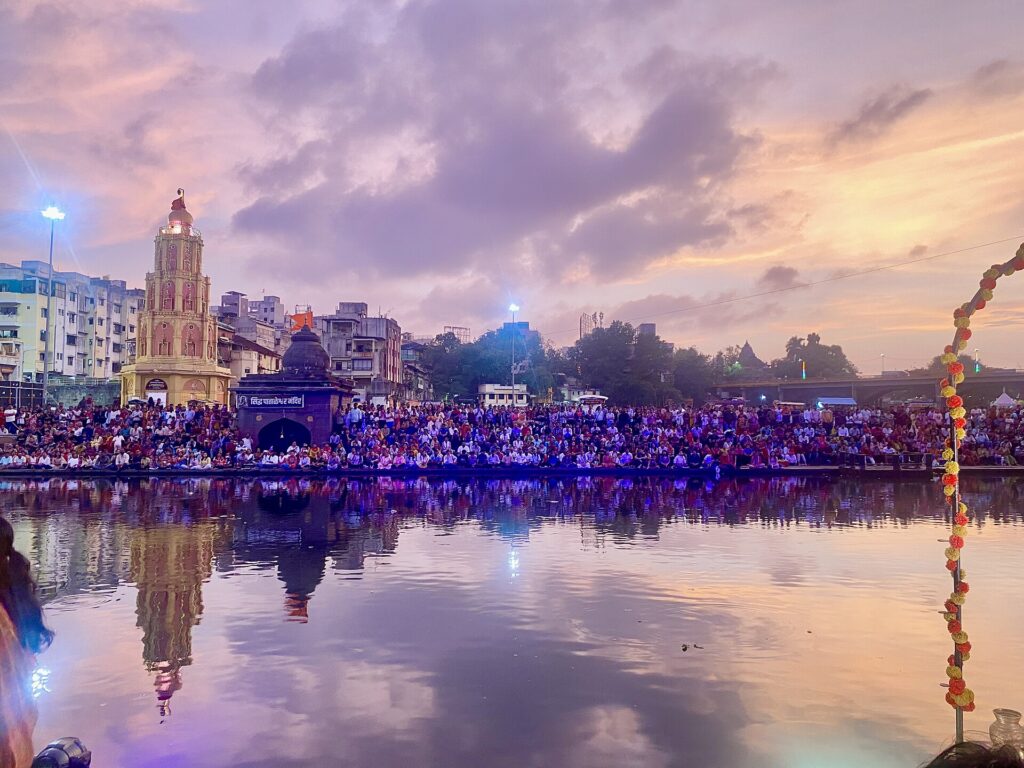
Ramkund is old Nashik’s spiritual centre, where pilgrims perform rituals beside the Godavari and visitors gather for aarti. Avoid close photography of private ceremonies, keep the steps clear and obey water-access restrictions. Simhastha-related civic work can alter routes, so check local notices before a specific event.
3. Kalaram Temple
Named for its black idol of Lord Rama, Kalaram Temple is important for both worship and social history: Dr B. R. Ambedkar led a temple-entry satyagraha here in 1930. Dress modestly, allow for a queue, and combine it with Sita Gufa and Ramkund. See the Maharashtra Tourism overview.
4. Sita Gufa
This small Panchavati cave shrine is associated in local tradition with the Ramayana. Its tight passage and narrow steps are unsuitable for some visitors with claustrophobia, knee trouble, limited mobility or very young children. Allow 15–30 minutes plus any queue, and treat the narrative as living tradition rather than archaeological proof.
5. Kapaleshwar Temple
Kapaleshwar is a quieter Shiva temple close to Ramkund. The absence of a Nandi statue directly before the shrine is central to its local tradition. Add it to a Panchavati walk rather than making a separate taxi trip; mornings are calmer and aarti time busier.
6. Trimbakeshwar Temple
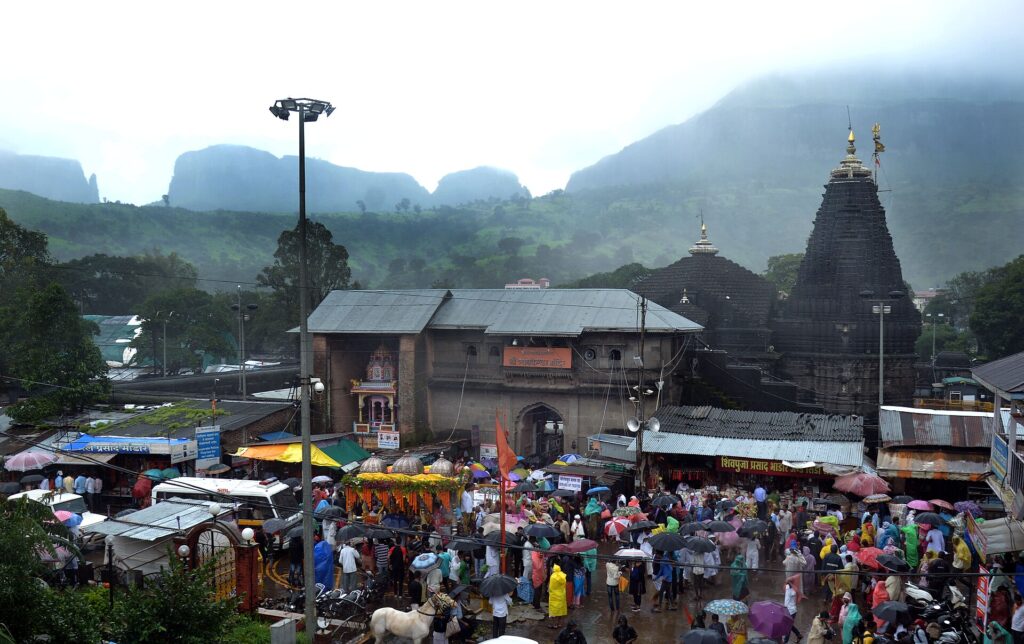
One of the twelve Jyotirlinga shrines, Trimbakeshwar sits below Brahmagiri, 28–30 km from Nashik. Arrive early on a weekday; Mondays, Shravan and festivals bring long queues and traffic controls. Regular darshan is free. Book any donation-darshan option only through the official Trimbakeshwar Devasthan Trust and avoid touts.
7. Kushavart Tirtha
Kushavart is a sacred tank about 400 metres from Trimbakeshwar Temple and is connected with Godavari-origin traditions. Walk there before or after darshan. Supervise children on wet stone edges and do not interrupt rites for photographs. Confirm the location through the district listing.
8. Muktidham
Muktidham is a marble temple complex in Nashik Road with representations of the twelve Jyotirlingas. It is an easy 60–90-minute stop near the railway station. Incredible India lists 6:00 am–7:00 pm, though schedules vary; see the official tourism listing.
9. Trirashmi Caves, also called Pandavleni Caves
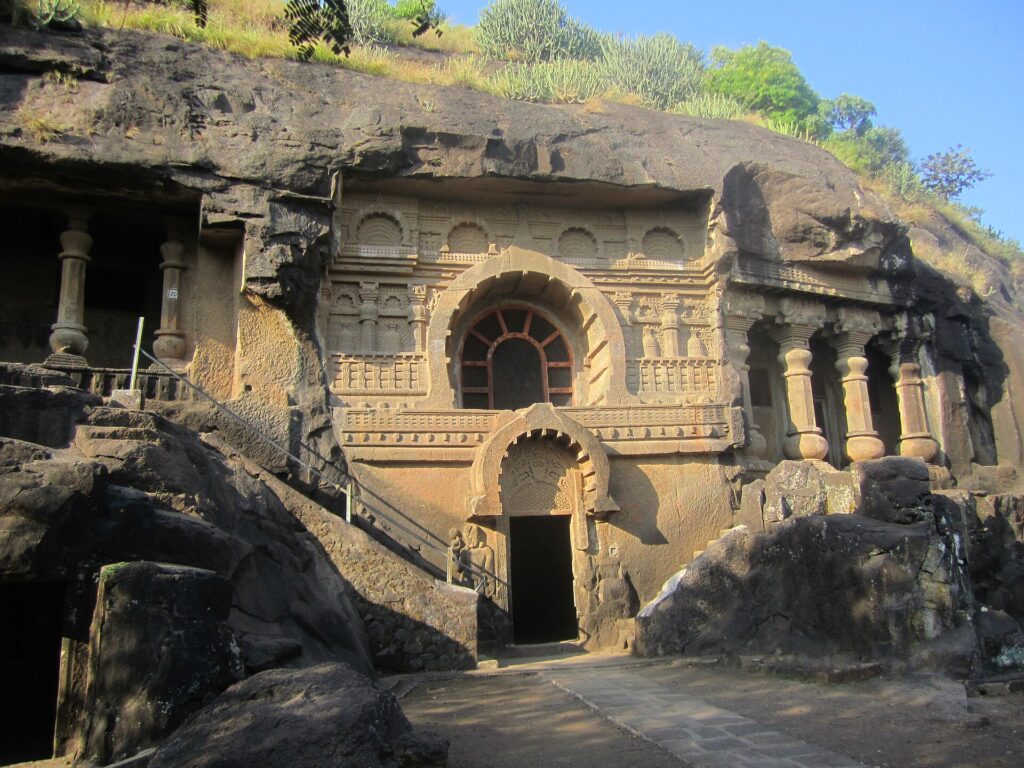
These 24 rock-cut Buddhist caves date broadly from about 250 BCE to 600 CE. Start early and carry water for the exposed stair climb; caves 3, 10 and 18 merit attention. Use “Trirashmi” or “Nashik Caves” alongside “Pandavleni”—there is no archaeological Pandava link. Check the Maharashtra Tourism guide.
10. Gondeshwar Temple, Sinnar
Gondeshwar is an 11th–12th-century Shiva temple complex in Sinnar, about 30 km southeast of Nashik. Its panchayatana plan and basalt carvings reward a slow exterior walk. Combine it with a Sinnar–Shirdi road day, not Trimbakeshwar. Visit in daylight and avoid touching weathered carvings.
11. Coin Museum at Anjaneri
The Coin Museum at the numismatic research foundation traces Indian coinage and adds an educational indoor stop to the Trimbakeshwar road. Published hours show weekday/Saturday sessions and Sunday/public-holiday closure; call first. See INHCRF and Incredible India.
12. Dadasaheb Phalke Smarak
This memorial below Trirashmi Hill honours Nashik-born cinema pioneer Dadasaheb Phalke and normally pairs with the caves. A major redevelopment has affected its 2026 opening status. Ignore old directory hours and confirm through the Nashik Municipal Corporation listing or locally before travelling.
13. Sula Vineyards
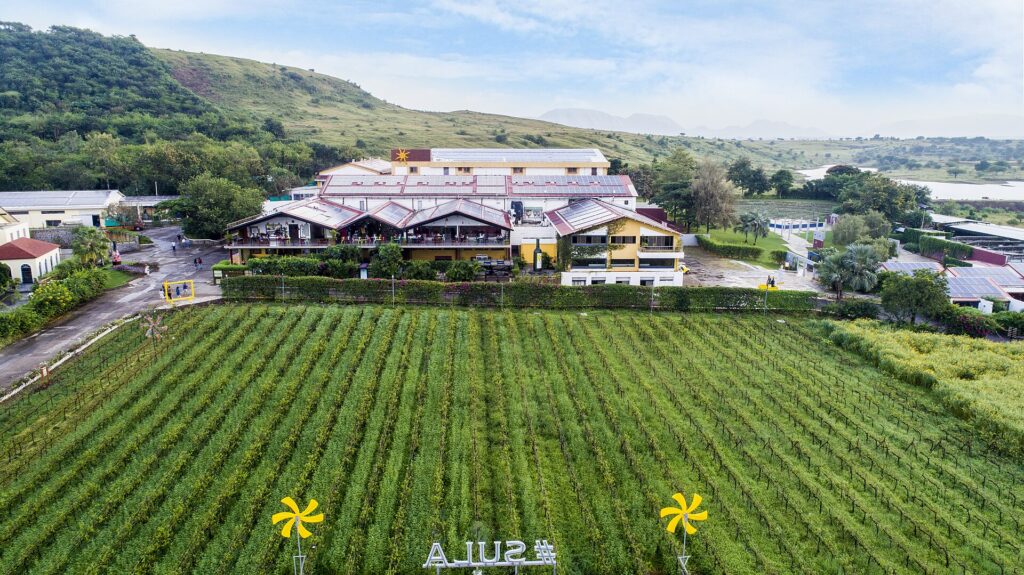
Sula offers production tours, tastings, restaurants and vineyard views. Its visitor page lists tours from 11:30 am to 7:30 pm on weekdays and until 8:30 pm on weekends. In September 2026, entry coupons were ₹600 weekdays and ₹1,000 weekends/festive days, with redemption rules. Verify on the official visitor page, and use a designated driver. Places to visit near Sula Vineyards include York, Soma, Someshwar and permitted Gangapur viewpoints.
14. Soma Vine Village
Soma combines a winery, restaurants and accommodation, suiting a slower stay rather than a quick tasting-room visit. Tour packages change, so reserve through Soma Vine Village. Families should confirm child access and activities for non-tasting guests.
15. Vallonné Vineyards
Vallonné is a boutique estate near Kavnai with a quieter lake-and-hill setting and a longer drive. Reserve a half day or overnight stay and combine it with Igatpuri, not Panchavati. Confirm tours directly with Vallonné Vineyards.
16. Gangapur Dam viewpoints
Gangapur’s reservoir offers a calm drive near the vineyard belt. Use designated viewpoints and obey infrastructure barriers; do not assume boating, shoreline or night access is available. Maharashtra Tourism recommends daylight. Combine it with Sula, Soma, York or Someshwar.
17. Someshwar Temple and Someshwar Waterfall
Someshwar Temple is an easy riverside stop near Gangapur. The seasonal cascade, also called Nashik’s Dudhsagar, is not Goa’s famous waterfall. Stay behind barriers, keep children from slippery edges and never enter fast water. In dry weather, come for the temple and river setting.
18. Anjaneri Hills
Anjaneri lies on the Trimbakeshwar road and is associated in local belief with Hanuman’s birthplace. Its plateau trail becomes muddy and misty in monsoon. Allow half a day, start early and do not combine the full trek with a packed temple-and-winery plan. The nearby Coin Museum is easier for families.
19. Brahmagiri Hill
Brahmagiri rises behind Trimbakeshwar and is tied to Godavari-origin traditions. The demanding stair climb deserves a separate morning, water and grippy footwear. Turn back if cloud, rain or fatigue threatens the descent. Travellers focused on worship can visit the temple and Kushavart without climbing.
20. Dugarwadi Waterfall
Dugarwadi is an unmanaged monsoon landscape beyond Trimbakeshwar. Slippery paths, sudden rain, low visibility and strong water require a daylight visit, safe weather and ideally local route knowledge. It is unsuitable for toddlers, unsteady walkers or anyone expecting railings and dependable facilities.
21. Harihar Fort
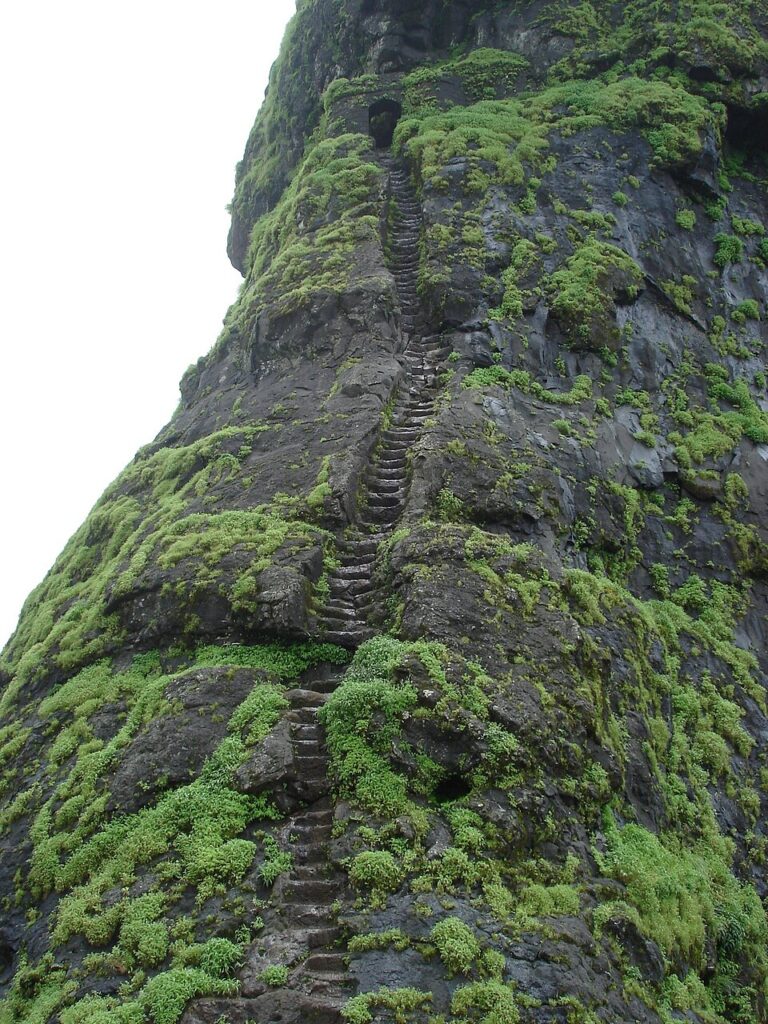
Harihar’s steep rock-cut steps are both its draw and its danger. It is not a family picnic or beginner monsoon climb. In 2026, authorities introduced crowd controls and barred entry after 2:00 pm; verify current enforcement and start at dawn. Avoid wet or crowded conditions and descend before dark.
22. Ramshej Fort
Ramshej is closer and less technical than Harihar, making it a better first fort. Carry water, sun protection and sensible shoes; allow three to four hours including travel. Maharashtra Tourism estimates roughly an hour for the ascent, though pace varies.
23. Nandur Madhmeshwar Bird Sanctuary
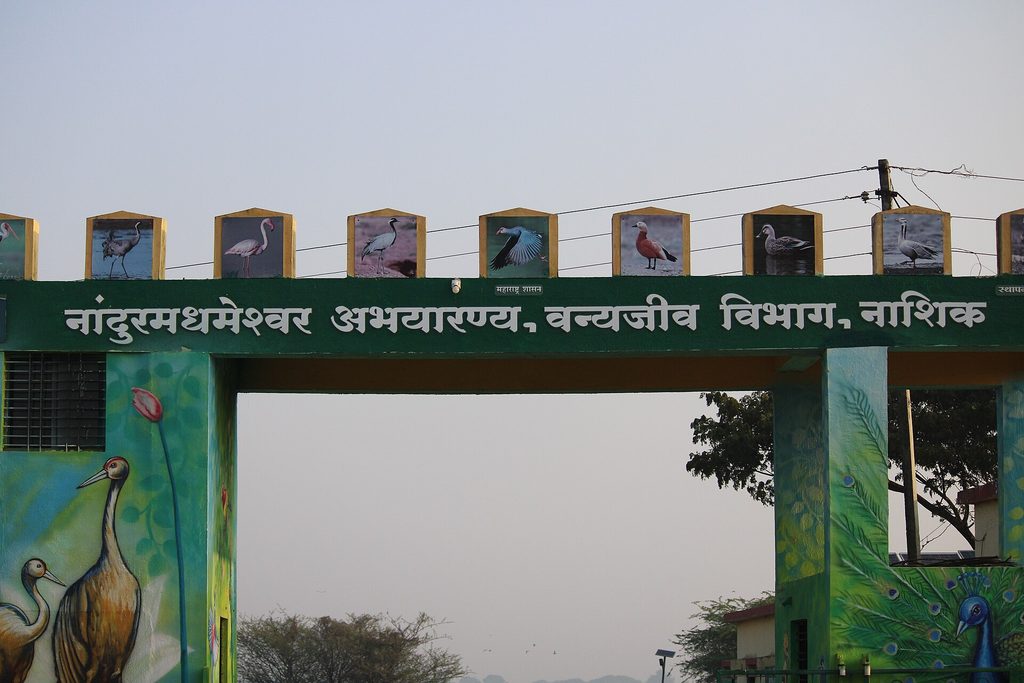
This Godavari–Kadwa wetland is Maharashtra’s first Ramsar site. Winter mornings are best, but sightings depend on water and season. Bring binoculars, stay quiet and never play bird calls. It suits patient older children, not families expecting rides. See Maharashtra Tourism and the Government of India note.
24. Saptashrungi Gad, Vani
Saptashrungi is a major hill shrine 60–70 km from Nashik. A funicular avoids hundreds of steps, but queues, road controls and hours change during festivals. Leave early, reserve the day and confirm notices through the official Saptashrungi Trust portal.
25. Igatpuri and the Tringalwadi area
Igatpuri is the most practical hill escape within 50 km. Choose Tringalwadi Fort, a lake viewpoint or one marked nature stop rather than chasing roadside waterfalls. Fog slows ghat roads. Igatpuri combines with Vallonné; adding it to a Trimbakeshwar day causes backtracking.
Nashik Itineraries for One, Two and Three Days
Nashik tourist places for one day
The mistake on a one-day Nashik sightseeing tour is trying to fit Panchavati, Trimbakeshwar, a vineyard, caves and a fort into the same day. Pick one of these workable plans instead.
Option A: temples and heritage
- 7:00–10:00 am: Ramkund, Kalaram Temple, Sita Gufa and Kapaleshwar on foot
- 10:00–11:00 am: Breakfast or early lunch near the old city
- 11:00 am–12:00 pm: Drive to Trimbakeshwar
- 12:00–3:00 pm: Darshan and Kushavart, with queue buffer
- 3:00–4:00 pm: Return towards Nashik; add the Coin Museum only if it is open and time permits
Option B: caves, vineyard and sunset
- 7:00–9:30 am: Trirashmi Caves before the heat
- 9:30–11:00 am: Breakfast and travel towards Gangapur
- 11:30 am–3:30 pm: Pre-booked Sula, Soma or York visit and lunch
- 4:00–6:00 pm: Someshwar or a permitted Gangapur viewpoint
Option B is usually better for couples and friends; Option A is better for pilgrims and first-time family groups. Neither requires a packaged Nashik sightseeing tour if you have a car and confirmed bookings.
Places to visit in Nashik in 2 days
This Nashik itinerary for two days balances city heritage with the western circuit.
Day 1: old Nashik and Buddhist heritage
- Start at Panchavati before 8:00 am.
- Walk between Ramkund, Kalaram, Sita Gufa and Kapaleshwar.
- Take a relaxed lunch break.
- Visit Trirashmi Caves in the later afternoon only in cool weather; otherwise visit first at 7:00 am and move Panchavati later.
- End with a local food walk or river aarti, allowing for crowd controls.
Day 2: Trimbakeshwar and wine country
- Reach Trimbakeshwar early and keep at least two hours of queue buffer.
- Walk to Kushavart.
- Stop at the Coin Museum if open; skip it on Sunday or public holidays.
- Continue to one pre-booked vineyard for a late lunch, tour and sunset.
Do not add an Anjaneri or Brahmagiri trek to this schedule unless you remove the vineyard. A genuine trek is not a 45-minute “photo stop.”
Nashik itinerary for 3 days
Follow the two-day plan above, then use Day 3 for one clear interest:
- Nature and birds: Nandur Madhmeshwar at sunrise, followed by a countryside lunch.
- Easy fort day: Ramshej in the morning, then a quiet afternoon in Nashik.
- Serious trek: Harihar with an experienced group, current access confirmed and no other major stop.
- Pilgrimage: Saptashrungi Gad as a dedicated day trip.
- Monsoon escape: Igatpuri and one safe, accessible viewpoint or marked trail.
This choose-one structure is more realistic than a Nashik trip plan that mixes destinations on opposite sides of the district.
Places to Visit Near Nashik Within 50 km and 100 km
Tourist places near Nashik within 50 km
| Destination | Approx. road distance | Allow | Why go |
|---|---|---|---|
| Trimbakeshwar | 28–30 km | Half to full day | Jyotirlinga, Kushavart, Brahmagiri |
| Anjaneri | 25–27 km | Half day | Plateau trek and views |
| Gondeshwar, Sinnar | About 30 km | 2–4 hours | Medieval temple architecture |
| Dugarwadi | 35–40 km | Half day | Seasonal waterfall and forest scenery |
| Harihar Fort | 40–45 km | Full day | Challenging rock-cut stair trek |
| Nandur Madhmeshwar | 40–45 km | Half day | Wetland birding |
| Igatpuri | 45–50 km | Full day | Ghat scenery, lakes and trekking |
| Vallonné/Kavnai | 45–50 km | Half to full day | Boutique wine-country experience |
Places to visit near Nashik within 100 km
Saptashrungi Gad (roughly 60–70 km), Bhandardara (about 70–80 km), Saputara (about 80 km), Jawhar (about 80–90 km) and Shirdi (about 90 km) are popular one-day trips or weekend getaways from Nashik. Road times matter more than kilometre counts: monsoon fog, pilgrimage traffic and narrow rural stretches can turn a short-looking route into a long day.
For hill stations near Nashik, choose Igatpuri for the shortest drive, Saputara for a more developed hill-station outing, or Jawhar for a quieter heritage-and-nature break. Bhandardara is better with an overnight stay if you want time for the lake, viewpoints and surrounding walks.
How to Plan a Nashik Trip: Best Time, Transport, Costs and Map
What is the best time to visit Nashik?
October to February offers the easiest weather for temples, caves, walking and most family sightseeing. Early mornings can be cool, while afternoons remain comfortable. This is also the strongest general season for Nandur Madhmeshwar birding.
January to March is attractive for wine tourism because it overlaps the grape-harvest period, although actual vineyard activity depends on the estate and agricultural cycle. Reserve tours instead of assuming visitors can walk through production areas.
June to September turns the hills green and brings waterfalls to life. It also creates slippery fort steps, flash-flood risk, fog and sudden closures. Monsoon is visually rewarding, not automatically safe. Avoid entering waterfall pools, obey forest and police controls, and move a trek rather than forcing it in bad weather.
March to May can be hot for exposed climbs. Use dawn for Trirashmi, forts or temple queues and plan an indoor or shaded afternoon.
How to reach Nashik tourist places
By train: Nashik Road is the city’s main railway station, around 8–10 km from central/old Nashik depending on your destination. Muktidham is the easiest nearby attraction. Panchavati usually needs an auto or cab, while Trimbakeshwar, vineyards and most treks require a longer road connection.
By road: Nashik is well connected to Mumbai and Pune, but weekend and ghat traffic affect travel time. A hired car is the most practical option for Trimbakeshwar, Anjaneri, Gangapur wine country and the outstation circuit. Agree on waiting time, parking and extra kilometre charges before departure.
By air: Nashik Airport at Ozar is about 20 km northeast of the city. Routes and schedules change, so check the operating airline rather than relying on a static travel guide. A prepaid or pre-arranged cab is the simplest onward connection.
Within the city: Auto-rickshaws and app-based or local cabs work for point-to-point travel. Walk inside Panchavati, but use a vehicle between Panchavati, Trirashmi and Gangapur. A private cab is usually more efficient than a rigid Nashik tourism package when your group wants a customised pace.
Build a route-wise Nashik tourist places map
Save attractions in four map lists before the trip:
- Old-city cluster: Ramkund, Kalaram, Sita Gufa, Kapaleshwar.
- South/east cluster: Trirashmi Caves, Muktidham, Gondeshwar and the Nashik Road side.
- West cluster: Trimbakeshwar, Kushavart, Anjaneri, Coin Museum, Harihar and Dugarwadi.
- Gangapur/wine cluster: Sula, York, Soma, Someshwar and permitted dam viewpoints.
This simple map structure prevents the most common itinerary failure: repeatedly crossing Nashik at peak traffic hours. For live navigation, use each place’s current map listing and confirm that the pin is the visitor entrance, not merely the geographic centre.
What to budget for entry fees
Most temples, ghats, forts and viewpoints do not have a standard entry charge, but “free” does not mean zero trip cost. Budget for parking, shoe or locker facilities, local guides, ropeway/funicular tickets and donations you choose to make. Trirashmi has a nominal protected-monument ticket. Museums and managed parks may charge admission. Vineyard entry and tastings are the largest attraction expense and can change between weekdays, weekends and festive dates.
Carry a digital payment option plus some cash for rural parking and small counters. Never pay an unofficial agent for temple access. For Trimbakeshwar, use the trust’s own booking system; for wineries, use the estate’s official site or phone number.
Practical safety and accessibility notes
- Sita Gufa has a narrow passage and steps; it is not wheelchair accessible.
- Trirashmi, Brahmagiri, Anjaneri and all forts involve climbing and uneven surfaces.
- Harihar’s exposed steps are unsuitable for small children, people with vertigo and inexperienced trekkers in wet weather.
- Waterfalls and dam edges are viewpoints, not guaranteed swimming or boating zones.
- At temples, modest clothing and easy-to-remove footwear simplify the visit.
- At vineyards, confirm child access, tour language, meal reservations and non-alcoholic options in advance.
- During large events, expect pedestrian zones and remote parking around Panchavati and Trimbakeshwar.
Best Nashik Tourist Places for Families, Kids, Couples and Friends
Places to visit in Nashik with family
For a mixed-age family, choose Panchavati early, Muktidham, Trimbakeshwar with queue buffer, the Coin Museum on an open day, and Someshwar in safe weather. Add Trirashmi only if everyone can manage the steps. A private vehicle makes breaks easier for children and older adults.
Nashik tourist places for kids
The Coin Museum is the clearest educational choice. Trirashmi works for school-age children who enjoy a climb and history, while Nandur Madhmeshwar suits patient young birders with binoculars. Dadasaheb Phalke Smarak may become a useful family stop after its redevelopment, but confirm reopening first. Avoid treating Harihar or a forceful monsoon waterfall as a children’s activity.
Places to visit in Nashik for couples
The Gangapur vineyard belt, a reserved meal at Sula or Soma, a permitted reservoir viewpoint and a relaxed heritage walk make an easy couples’ weekend. Vallonné suits couples willing to drive farther or stay overnight. A vineyard visit is still enjoyable without tasting; one person should remain the designated driver.
Nashik tourist places with friends
Friends can combine a vineyard with Someshwar, choose an early Ramshej trek, or dedicate a full day to Igatpuri. Experienced groups may consider Harihar only after checking current rules and weather. The safest plan is to match the hardest member of the group’s fitness—not the fastest member’s ambition.
Peaceful places and picnic spots near Nashik
For quiet time, consider Nandur Madhmeshwar on a winter morning, Gondeshwar on a non-festival weekday, a permitted Gangapur viewpoint, or the rural setting around Vallonné. Someshwar can work for a short picnic, but carry back all waste. Loud music is particularly inappropriate at temples, wetlands and village trails.
Frequently Asked Questions About Nashik Tourist Places
Which are the five best places to visit in Nashik for a first trip?
Choose Panchavati and Ramkund, Trimbakeshwar Temple, Trirashmi Caves, one Gangapur-area vineyard and one nature stop such as Someshwar or Nandur Madhmeshwar. These cover Nashik’s pilgrimage, Buddhist heritage, wine culture and landscape without relying on a very long checklist.
Can Nashik be covered in one day?
You can cover one side of Nashik well in a day, but not every major attraction. For a religious day, combine Panchavati with Trimbakeshwar. For a leisure day, combine Trirashmi Caves with one vineyard and a Gangapur-side sunset stop. Two days is better for a balanced first visit.
How many days are enough for Nashik?
Two days are enough for the main Nashik sightseeing places. Three days are better if you want a fort, bird sanctuary, hill station or Saptashrungi day trip. Add another night when travelling with young children, older adults or during a major religious festival.
Are Nashik vineyards suitable for families with children?
Some vineyard resorts admit families and provide restaurants, open spaces or accommodation, but tasting areas and activities follow individual venue rules. Confirm child admission, cover charges and non-alcoholic options before booking. Adults who taste wine should not drive.
What tourist places are closest to Nashik Road railway station?
Muktidham is the most convenient major attraction near Nashik Road station. The Shrine of the Infant Jesus and Deolali side are also relatively close, while Panchavati is roughly a 20–35-minute drive depending on traffic. Trimbakeshwar and the vineyards are not sensible during a short train layover.
A final word on planning Nashik
The best Nashik trip moves in clusters: walk through Panchavati, give Trimbakeshwar its own queue buffer, visit only one vineyard, and reserve a separate morning for caves or trekking. Check official timings the day before, especially in monsoon and around major religious dates. Once your route is fixed, read the detailed guide for your highest-priority stop and save the four map clusters offline before you leave.