
Places to Visit in Darjeeling: 13 Highlights and a Practical 1–3 Day Plan
Darjeeling looks easy to plan until you try fitting a sunrise, the Toy Train, tea gardens, monasteries and a zoo into two days. The attractions are spread across different hillsides, roads can be slow, and the mountain view you came for may disappear behind cloud. A long sightseeing checklist rarely solves those problems.
The best places to visit in Darjeeling include Tiger Hill, Batasia Loop, the Darjeeling Himalayan Railway, Chowrasta, Mahakal Temple, Ghoom Monastery, Peace Pagoda, Happy Valley Tea Estate, the Himalayan Mountaineering Institute and Darjeeling Zoo. For a first visit, choose a combination of mountain scenery, tea heritage and town walks, then group nearby stops together.
This guide explains what each place offers, how much time to allow, which visits involve steps or slopes, and what to change when travelling with children or in poor weather. It also separates sightseeing in Darjeeling town from longer trips to Mirik, Lamahatta and other nearby destinations, so you can build a holiday around the time you actually have.
1. Choose your Darjeeling sightseeing places before booking a route
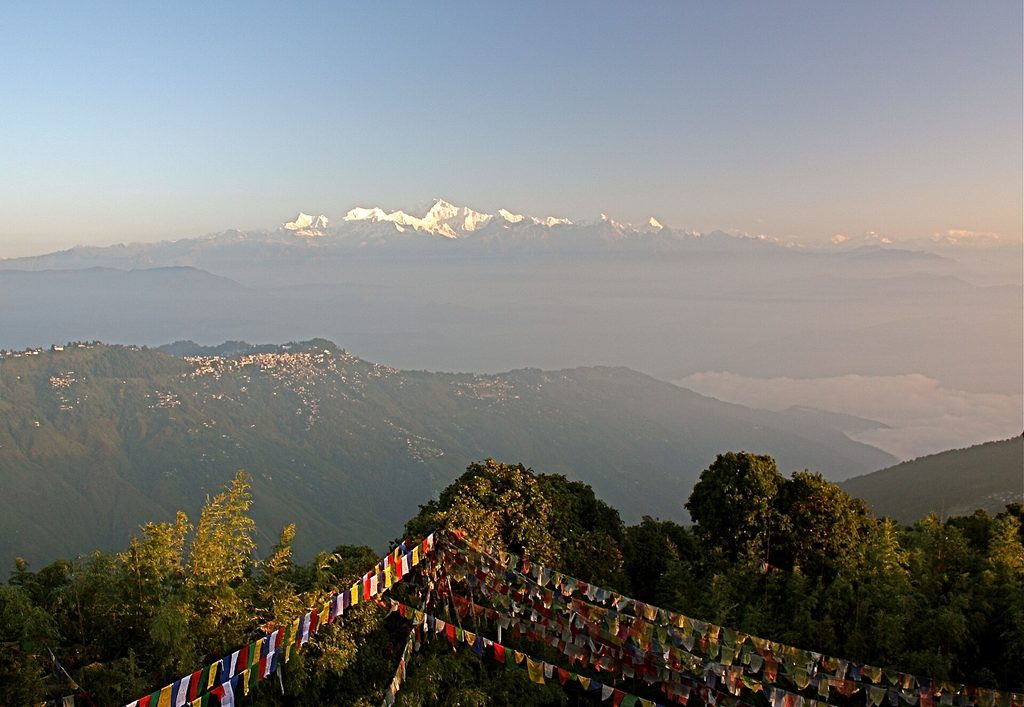
Start with your priorities. If seeing Kanchenjunga matters most, give yourself more than one morning in the hills. If the children are excited about the train, book that experience before arranging the rest of the day. If anyone struggles with steps, ask about the approach to each attraction rather than judging it by distance alone.
The following times are suggested allowances for the visit itself. They exclude driving, queues, meals and the journey from your hotel.
| Place | Main reason to visit | Suggested visit time | Walking and planning notes |
|---|---|---|---|
| Tiger Hill | Sunrise and Himalayan views | 45–90 minutes at the viewpoint | Predawn journey, cold waiting and possible uphill walking |
| Batasia Loop | Railway engineering, gardens and war memorial | 30–45 minutes | Stay clear of the active railway line |
| Darjeeling Himalayan Railway | A heritage train experience | About 2 hours for the usual joyride | Add station reporting time; follow your booked service |
| Chowrasta and The Mall | Town atmosphere and relaxed walking | 1–2 hours | Choose a short circuit if slopes are tiring |
| Observatory Hill and Mahakal Temple | A hilltop place of worship | 30–60 minutes | Uphill approach and steps |
| Old Ghoom Monastery | Buddhist art and Maitreya Buddha | 30–45 minutes | Confirm the exact monastery and its approach |
| Japanese Temple and Peace Pagoda | Buddhist architecture and a quieter outing | 45–60 minutes | Steps and sloping paths around the complex |
| Darjeeling Zoo | Himalayan wildlife and conservation | 1–2 hours | Sloping outdoor paths; closed on Thursdays |
| Himalayan Mountaineering Institute | Everest history and climbing equipment | 45–60 minutes | Combine with the zoo area, allowing time for the museum |
| Happy Valley Tea Estate | Tea landscapes and an arranged factory visit | 60–90 minutes | Sloping access; processing and tours need confirmation |
| Darjeeling Ropeway | Views across tea slopes and the valley | Allow 1–2 hours overall | Queues and operating conditions affect the visit |
| Rock Garden and Ganga Maya Park | Terraces, water and landscaped surroundings | 2–3 hours together | Separate road excursion; Rock Garden has many steps |
| Tibetan Refugee Self-Help Centre | Handicrafts and Tibetan community history | 45–60 minutes | Confirm workshop and visitor access before going |
Think in clusters: the town centre, the Ghoom–Tiger Hill side, the zoo–tea garden–Singamari side, and separate excursions such as Rock Garden. These are planning groups, not promises that every stop is next door. Ask your driver to explain the sequence and the likely walking before accepting a fixed sightseeing package.
2. Thirteen places to visit in Darjeeling and what to expect
1. Tiger Hill: make the sunrise a possibility, not a guarantee
Tiger Hill is the classic choice for a first Darjeeling morning. On a clear day, the first light reaches the Kanchenjunga range before the town below brightens. The attraction is the changing light across the peaks, rather than a single photograph taken at a fixed time.
West Bengal Tourism places Tiger Hill around 13 kilometres from Darjeeling town, at an elevation of 2,590 metres. Visibility depends on weather; Mount Everest is a distant, clear-weather sight, not something every visitor will see.
Arrange the outing the previous evening. Ask when to leave from your particular hotel, whether any current vehicle restriction or entry procedure applies, and how far you must walk from the drop-off. A universal 3:30 a.m. departure is not useful for every season or starting point.
Carry a warm layer, something to protect your ears, and water. For children, consider whether a cold predawn wait is worth it. Keep the next morning flexible if the forecast looks poor, and avoid attaching a long full-day circuit to the early start.
2. Batasia Loop: scenery with a railway story
Batasia Loop combines landscaped surroundings with one of the Darjeeling Himalayan Railway’s best-known engineering features. The track loops around the hillside to negotiate the terrain, while the Gorkha War Memorial gives the visit a different, more reflective purpose.
The Darjeeling district administration places it between Ghoom and Darjeeling. That makes it a sensible stop on a Ghoom-side outing, provided it is open when you reach it.
Allow time to walk around the gardens and memorial rather than stopping only at the entrance. Children may enjoy understanding why a train needs to travel in a loop, but keep them away from the rails and follow staff instructions when a service passes.
A scheduled joyride may already include a Batasia stop. Check your ticket’s itinerary before paying for another visit simply to take the same photograph. A separate visit can still be worthwhile if you want more time in the gardens. Seeing a train pass depends on the operating schedule, so do not build a tight appointment around an assumed arrival.
3. Darjeeling Himalayan Railway: choose the train experience you mean
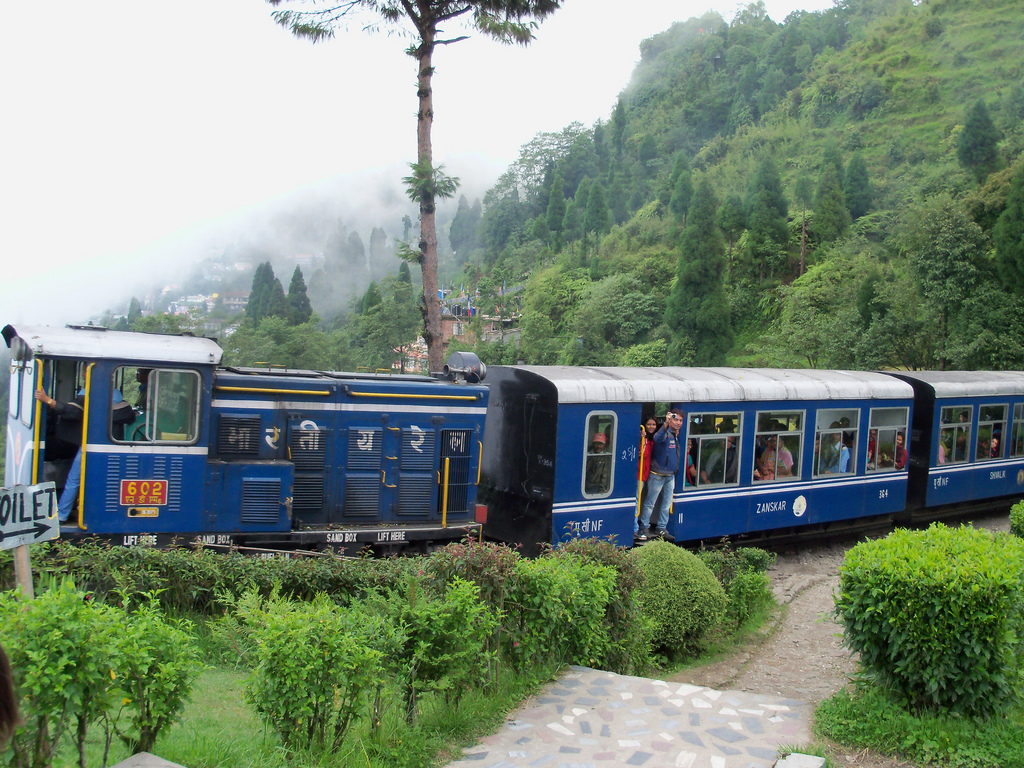
The Toy Train is a highlight for railway enthusiasts and many families. It is also easy to misunderstand. A short sightseeing joyride from Darjeeling is a different commitment from travelling on a longer railway service between the hills and plains.
The Darjeeling Himalayan Railway forms part of the UNESCO-listed Mountain Railways of India. UNESCO describes its loops and engineering solutions as a response to the challenge of building a railway through mountain terrain.
For a short holiday, look for the Darjeeling–Ghum–Darjeeling joyride. The Railway Board’s visitor information describes an approximately two-hour round trip. Use the train and timing shown on your current booking, since services and locomotive arrangements can change.
Check whether your chosen departure is steam or diesel, where to report, and which stops are included. Reserve through IRCTC or an authorised railway reservation channel. Allow space in the day for reaching the station and any delay. Keep children seated safely, and resist leaning out for photographs. A memorable ride does not require an overloaded afternoon afterwards.
4. Chowrasta and The Mall: leave time for the town itself
Chowrasta is the place to experience Darjeeling between the organised outings. A walk, a cup of tea, a bookshop visit and time on a bench can be a welcome change after several hours in a vehicle.
Do not confuse The Mall with an indoor shopping centre. It refers to the town’s public square and surrounding walking area. Use a map to understand the relationship between Chowrasta, nearby shopping streets and your hotel, particularly if your accommodation is advertised as being near Mall Road.
For hotel selection, ask about the actual approach: steps, uphill sections, luggage assistance and the nearest vehicle drop-off. A central address can be convenient while still involving a difficult final walk. Choose the length of your outing according to energy and daylight rather than trying to complete an entire loop every time.
5. Observatory Hill and Mahakal Temple: a meaningful uphill visit
Observatory Hill rises above Chowrasta and is associated with Mahakal Temple, dedicated to Lord Shiva. The area also reflects Darjeeling’s Hindu and Buddhist religious traditions, with prayer flags and a setting that feels different from the shopping streets below.
The Incredible India guide to Observatory Hill provides background on its religious significance. For visitors, the useful question is whether the approach suits everyone in the group.
The climb involves an uphill path and steps. Take it slowly, especially after a long road journey, and do not describe it as effortless for someone with knee pain or limited mobility. A companion can wait around Chowrasta while others make the visit.
Follow footwear instructions and ask before photographing religious activity. Keep food packed away around monkeys and avoid feeding or approaching them.
6. Old Ghoom Monastery: confirm Yiga Choeling by name
Ghoom Monastery is a useful cultural stop on the Tiger Hill side, but its name causes confusion. The historic Old Ghoom Monastery is Yiga Choeling. Samten Choeling is another monastery in the Ghoom area and is also commonly described using the Ghoom name.
If you want the older monastery, specify Yiga Choeling when booking your cab and checking the map. Its own website describes the monastery’s history and its prominent Maitreya Buddha statue. You do not need a detailed knowledge of Buddhism to appreciate the artwork and quiet atmosphere.
Allow around half an hour to three-quarters of an hour, with extra time if the approach is slow or prayers are taking place. Let staff or residents guide your behaviour inside. Ask about photography and any camera charge instead of assuming that entry permission includes every kind of photograph.
Explain to children that this is a working place of worship. Confirm opening arrangements, particularly when approaching immediately after an early sunrise outing.
7. Japanese Temple and Peace Pagoda: a quieter part of the hills
The Japanese Temple and Peace Pagoda offer Buddhist architecture and a change of pace from the busy centre. The white pagoda stands on the Jalapahar hillside, with reliefs and figures that invite a slower walk around the structure.
The district tourism page explains the pagoda’s connection with the Japanese Buddhist monk Nichidatsu Fujii and its purpose of promoting peace. The temple and pagoda are related stops, so plan them as one outing rather than two widely separated attractions.
Go when you have time to walk without rushing back to a train departure. Paths and steps still require care, particularly after rain. For an older relative, ask your driver about the nearest permitted drop-off and the remaining approach before committing to the visit.
Follow directions about entering the temple and observe ceremonies respectfully. Mountain views can be a bonus, but the Buddhist architecture remains interesting when cloud hides the distant peaks.
Photo: Sumitsurai, via Wikimedia Commons, CC BY-SA 4.0. Reproduced without editing.
8. Padmaja Naidu Himalayan Zoological Park: plan the weekday carefully
Darjeeling Zoo is a strong choice for families interested in Himalayan wildlife. Its conservation work includes species such as red pandas and snow leopards. Let children look for animal behaviour and read a few signs rather than racing between enclosures.
The zoo’s official Fees and Timing page, checked on 3 October 2026, lists visiting hours of 8:30 a.m.–4 p.m. and a Thursday closure. It publishes ₹110 for Indian and SAARC adult visitors, ₹180 for other foreign visitors, free entry below six years, and a ₹10 camera charge. Recheck the page before travel, since the tariff or hours may change.
The grounds involve outdoor walking on slopes. Comfortable shoes matter, and a museum nearby does not make the entire outing sheltered from rain. Do not promise a red panda sighting at a particular time: animals may be resting or out of view.
Allow a substantial morning for the zoo and Himalayan Mountaineering Institute area. Ask the ticket counter which facilities your admission covers, and confirm museum access separately if it is a priority. Move this outing to another day if your sightseeing day falls on Thursday.
9. Himalayan Mountaineering Institute: understand the mountains beyond the view
The Himalayan Mountaineering Institute gives context to the peaks that appear in Darjeeling’s photographs. Its museum explores climbing history, Himalayan life and the development of mountaineering equipment, including material associated with the first Everest ascent.
The official HMI campus guide describes the museum’s sections and collections. This makes a particularly good companion to the zoo visit: wildlife, geography and climbing history can form one thoughtful outing for school-age children.
Allow about an hour for the museum instead of treating it as a quick passage between attractions. Pick a small theme, such as how climbing equipment has changed, and look for a few examples together. That is easier for children to follow than reading every display.
Check museum visiting arrangements rather than using the institute’s administrative office hours as your sightseeing schedule. Ask HMI directly about booking and age requirements if you want a supervised climbing activity.
10. Happy Valley Tea Estate: arrange the experience, not just the photograph
Happy Valley is one of the most useful places to see Darjeeling’s tea landscape without adding a distant estate stay. The attraction is more interesting when you understand the difference between a garden walk, a factory tour and a tasting.
The district’s estate listing places it around three kilometres north of town and describes its long tea-growing history. It also publishes visitor hours, but a published opening window does not guarantee processing, plucking or a guided tour on your chosen date.
Contact the visitor operation beforehand. Ask what is included, whether the factory will be working, the tour price and whether children can comfortably manage the route. A downhill approach can feel easy until it is time to return uphill; arrange a suitable pickup if that matters to your group.
Stay on permitted paths and ask before photographing workers or picking leaves. If processing is unavailable, decide whether a landscape visit and tasting still meet your expectations.
Archive estate photograph. Photo: Matt Stabile, via Wikimedia Commons, CC BY 2.0. Reproduced without editing.
11. Darjeeling Ropeway: leave room for the queue
The Darjeeling Ropeway offers a view across the valley and tea slopes from a cable car. It is an appealing option when you want a different perspective without undertaking a long walk.
The Incredible India ropeway guide identifies Singamari as the boarding area and notes operational changes to the route, including the Tukvar stop. Some travel pages describe an older, longer service, so confirm the route currently offered at the counter.
Allow a flexible part of the day rather than booking another timed activity immediately afterwards. The total visit depends on ticketing and waiting as well as the ride. Check operating conditions that morning; poor visibility can reduce the scenery, and service can be affected by weather or maintenance.
If anyone is uncomfortable with heights, let them choose another activity. Before buying tickets for a group with limited mobility, ask about the station approach, boarding assistance and whether staff can meet the person’s needs. Consider the zoo–Singamari side for this outing, but do not assume the ropeway will fit after every other attraction there.
12. Rock Garden and Ganga Maya Park: treat them as a separate excursion
Rock Garden, also called Barbotey Rock Garden, has terraces arranged around a hillside waterfall. Ganga Maya Park is another landscaped stop on the same general excursion. The district guide describes both attractions and their setting.
This is not an extra stop to squeeze into a gap between lunch and a train. You must account for the road journey, walking at the sites and the climb back through the hills. Ask for a quote that includes the return journey and waiting time.
Rock Garden’s many steps make it less suitable for someone avoiding climbs or pushing a stroller. Wet surfaces can also change the experience, so choose footwear with grip and keep children beside you near water and edges. A stronger waterfall does not make slippery conditions easier to manage.
Ask locally whether both sites are accessible and which facilities are operating. Boating, food stalls and other activities should be confirmed rather than assumed. If the weather is poor or your group is tired, an easier town outing can be the more enjoyable choice. Reserve this excursion for visitors who specifically want landscaped outdoor surroundings.
13. Tibetan Refugee Self-Help Centre: visit with curiosity and respect
The Tibetan Refugee Self-Help Centre adds community history and craft traditions to a holiday otherwise dominated by scenery. Incredible India describes its role in supporting displaced Tibetans through skills and livelihoods.
A visit may include handicrafts, textiles and an opportunity to learn about the community. What visitors can see depends on current workshop and showroom arrangements, so confirm access before travelling there. It is better approached as a working community space than as a guaranteed live craft demonstration.
Ask before photographing people or entering a workshop. If you buy something, enquire about the material, how it was made and whether it can be packed safely for the journey home. Spending time on those questions makes the stop more meaningful than browsing quickly for a souvenir.
Allow time for the road approach. This stop particularly suits adults and older children interested in culture and making things.
3. A realistic Darjeeling itinerary for one, two or three days
Count full sightseeing days, not simply hotel nights. A two-night stay with an afternoon arrival and a morning departure may leave only one full day. The plans below assume that you are already staying in Darjeeling and do not need to reach Bagdogra or NJP during the sightseeing hours.
Places to visit in Darjeeling in one day
Choose one of two versions. The first suits visitors who want the classic sunrise and culture combination. The second puts a booked train experience first and reduces the early start.
| Part of the day | Sunrise-and-culture option | Train-first option |
|---|---|---|
| Early morning | Tiger Hill, if conditions and access suit the visit | Breakfast and an easy town walk |
| Morning | One Ghoom monastery and Batasia, subject to opening | Reserved Toy Train joyride |
| Midday | Return for breakfast or lunch and a proper break | Lunch and a break |
| Afternoon | Japanese Temple and Peace Pagoda | Japanese Temple and Peace Pagoda, or Mahakal Temple if the climb suits you |
| Evening | Chowrasta and a short Mall walk | Chowrasta, tea and an early dinner |
Keep the afternoon optional after Tiger Hill. This plan deliberately leaves out the zoo, ropeway and Rock Garden: adding all three changes a manageable day into a long series of transfers and queues. If wildlife is your priority, replace the afternoon outing with the zoo area and shorten the evening.
Places to visit in Darjeeling in two full days
Day one: use the Ghoom-side sunrise route, return for a break, then take a confirmed afternoon joyride if you want the railway experience. Finish with an easy evening around Chowrasta. Without a train booking, visit Peace Pagoda instead and keep the day lighter.
Day two: choose the zoo and HMI as the main morning outing. After lunch, add an arranged Happy Valley visit or the ropeway, according to opening, queue length and energy. Choose one rather than promising both. Use any remaining time for Mahakal Temple or another short town walk.
Switch the days when the zoo closure or train availability requires it. If you have only two nights with travel on both ends, use the one-day plan plus a relaxed arrival evening instead of trying to force two full days into the booking.
A three-day Darjeeling itinerary with room to enjoy it
With three full days, distribute the activities rather than expanding every day.
- Day one: Chowrasta, Observatory Hill if suitable, and Japanese Temple–Peace Pagoda. Add an arranged tea visit only if the timing fits comfortably.
- Day two: Tiger Hill, one Ghoom monastery and Batasia, followed by rest and a reserved joyride. Check whether the train already covers the Batasia experience you want.
- Day three: zoo and HMI, then either Happy Valley or the ropeway. For visitors less interested in wildlife, replace this whole day with a nearby excursion.
Use Rock Garden as a deliberate substitution, not a fourth afternoon stop. If your third day is a departure day, shorten it to breakfast and a nearby walk, then leave for your onward connection with a generous road buffer.
What to change when cloud hides the mountains
Move a flexible Tiger Hill outing to a more promising morning. HMI, tea tasting and a respectful monastery visit can still be worthwhile without a distant mountain view. In heavy rain, remember that the approaches to museums and temples may still be outdoors.
Leave the ropeway and slippery garden paths for suitable operating conditions. Check IMD district warnings and local road information before a long excursion. Do not replace every cancelled activity with another long drive just to keep the itinerary full.
4. Places to visit near Darjeeling when you have an extra day
Nearby destinations deserve their own planning time. A list that combines Darjeeling town, Mirik, Kalimpong and trekking areas can make them look like neighbouring sightseeing stops. Their road journeys and experiences are different.
Mirik and Lepchajagat: choose a western-side outing
Mirik is known for Sumendu Lake and its surrounding landscape. West Bengal Tourism describes the lake, gardens and connecting footbridge. It suits a slower outing built around a lakeside walk and lunch rather than a rush through Darjeeling attractions first.
Lepchajagat offers forest surroundings and mountain views in clear conditions. The GTA tourism guide places it on the Mirik–Darjeeling side. Ask your driver whether a stop fits your particular route; choose a short, established walk rather than wandering into unfamiliar forest paths.
A Mirik-route airport transfer is a different journey from a dedicated sightseeing day. Get a departure time that protects your flight, with sightseeing reduced or removed if the road is slow. Border shopping is not essential to this outing and should never be assumed possible for every nationality or document holder.
Lamahatta, Tinchuley and Takdah: quieter villages and tea country
Lamahatta’s landscaped forest setting appeals to visitors looking for an alternative to the busy town. The GTA destination page gives its location and tourism background. Ask which paths are open, since an uphill forest walk is a different commitment from spending time near the roadside garden.
Takdah and Tinchuley can be considered on the same general side when planning a longer outing or a homestay break. GTA’s Takdah guide links the area’s tea and rural appeal with neighbouring destinations. Select two meaningful stops and leave time for lunch rather than insisting on every viewpoint.
Arrange the return vehicle in advance. A shared jeep serving a village is not automatically a sightseeing vehicle waiting for your family at each attraction.
Kalimpong, Kurseong and trekking areas need different itineraries
Kalimpong and Kurseong work better as separate day trips or additional bases. Select one destination and check its current road journey before deciding how many places you can see there.
Sandakphu and Singalila are a different type of mountain trip, involving access arrangements, seasonal conditions and, depending on the route, guides or permits. They should not appear as casual spare-hour additions to a Darjeeling town itinerary. If those landscapes are your main interest, build a separate itinerary around them.
5. Best time, transport, costs and family planning
When is the best time to visit Darjeeling?
For a first sightseeing trip, March–May and October–November are generally useful starting windows: spring suits outdoor exploration and tea interests, while autumn is often chosen for mountain visibility. A regional weather guide explains these seasonal patterns. Neither season guarantees a clear sunrise; check your dates’ forecast.
| Season | What to plan for | Useful adjustment |
|---|---|---|
| March–May | Comfortable sightseeing opportunities, busy holiday periods and possible haze or showers | Book important activities and keep a spare morning |
| June–September | Monsoon rain, cloud and possible road disruption | Shorter local outings, flexible transfers and weather checks |
| October–November | A popular window for Himalayan views, with colder early mornings | Warm layers for sunrise and advance accommodation planning |
| December–February | Cold mornings and evenings, with a different tea-production experience | Confirm room heating, hot water and estate tours |
Darjeeling in December can suit travellers who enjoy cold weather and a slower holiday. Do not book a stay expecting guaranteed snowfall in town. During monsoon, the question is not only whether attractions are open but whether the connecting roads and paths suit the day’s conditions.
How to reach Darjeeling and protect your sightseeing time
Bagdogra is the usual airport gateway and New Jalpaiguri the major railway gateway for onward road travel. District tourism pages describe these connections; the precise road distance depends on your route and accommodation.
Allow several hours for the hill transfer. For planning, keep roughly a half-day available rather than treating a map’s fastest drive as a dependable arrival time. Traffic, rain and the final approach to your hotel can change the journey. Ask your operator for a current estimate and build extra time before flights or trains.
From Bengaluru, plan travel to Bagdogra and the onward hill transfer as part of a multi-day holiday. Darjeeling is not a practical one-day sightseeing trip from Bangalore. A connection or delayed arrival can reduce your first day’s usable time further.
Book a road transfer separately from sightseeing unless the quotation clearly combines them. Shared vehicles may help reduce costs on regular routes, but ask where they stop, how luggage is handled and how you will reach your hotel from the stand.
Darjeeling sightseeing cost: separate confirmed tickets from quotations
There is no single sightseeing price that fits every group. Separate your budget into transfers, a private or shared sightseeing vehicle, attraction tickets, train seats, meals and any guided tea experience.
At the zoo’s published research-date tariff, two Indian adults and a child below six would pay ₹220 for admission; the listed camera charge would be additional. That is an example based on the official tariff, not a complete family-day budget.
For other attractions, check the current counter or operator price. Toy Train fares depend on the booked service, and a cab quotation should state whether it includes waiting, parking, sunrise access charges and the exact stops. A low headline price can become less useful if it excludes the excursion you actually want.
Keep a small amount of cash for incidental expenses.
Travelling with children, older relatives or limited mobility
Choose one activity the children actively want, then build around food, rest and a manageable second stop. The train and zoo are useful options, but both need planning: a fixed departure for one and outdoor walking for the other.
Ask hotels about stairs, lifts, vehicle access, heating and reliable hot water. Ask attraction staff about boarding assistance or wheelchair access before promising that an outing will be accessible. A short distance on a map says little about gradients, steps or the surface underfoot.
Carry water, an easy snack and a spare warm layer. Avoid leaving an exhausted child with a packed afternoon after a sunrise trip. For older relatives, Chowrasta time and a suitable drop-off may be more valuable than another uphill temple approach.
Choose a convenient lunch stop and check ingredients and heat levels when ordering for children. Keep walking and photography away from traffic, train tracks and unprotected edges.
Useful external resources before you finalise the trip
Use Darjeeling district tourism for attraction information, the zoo’s official visitor page for its tariff and closure, and HMI for museum or activity enquiries. Use IRCTC for available railway bookings and IMD for weather warnings. Confirm operating details for your date rather than relying on an old screenshot or an undated package list.
6. Frequently asked questions about visiting Darjeeling
What are the best places to visit in Darjeeling for a first trip?
Start with Tiger Hill, Batasia Loop, the Toy Train, Chowrasta, one Ghoom monastery and Japanese Temple–Peace Pagoda. Add the zoo and HMI if wildlife or climbing history interests you. Happy Valley and the ropeway are good optional choices when their timing and operating conditions fit your stay.
How many days are enough for Darjeeling?
Two full sightseeing days can cover selected highlights; three give you a more comfortable pace and room to change plans when weather or opening days intervene. Count arrival and departure separately. A two-night booking does not automatically provide two full sightseeing days, especially with airport or railway transfers on both ends.
Which places in Darjeeling are best for families with children?
Many families prioritise the Toy Train, Darjeeling Zoo, Batasia Loop and short walks around Chowrasta. HMI can interest school-age children. Choose according to your child’s interests and stamina. A predawn Tiger Hill visit, long ropeway queue or stepped Rock Garden outing may be less suitable for a tired toddler.
Which places near Darjeeling are worth visiting?
Mirik, Lepchajagat, Lamahatta, Tinchuley and Takdah offer different ways to explore the surrounding hills. Kalimpong and Kurseong suit a separate day or an additional base. Choose one route at a time and confirm driving conditions instead of combining every nearby destination with a full day of Darjeeling sightseeing.
What can I do in Darjeeling if I skip Tiger Hill?
Take the Toy Train, visit HMI, arrange a tea tasting or explore Chowrasta and a monastery. Peace Pagoda is another option when its approach suits the weather. Skipping a sunrise does not remove Darjeeling’s cultural or railway appeal. Choose activities for their own interest and check their current opening arrangements.
7. Build your trip around the places you most want to experience
The most enjoyable Darjeeling plan gives your favourite experiences enough time. Choose a sunrise, a railway ride, a tea visit or a cultural outing, then arrange the other stops around geography, opening days and your group’s energy. Keep nearby trips separate and protect time for road transfers.
Before booking, mark three priorities on your map, confirm the train and attraction arrangements, and leave one flexible slot for weather or rest. That small amount of planning will help you spend more of the holiday enjoying Darjeeling and less of it trying to complete a checklist.


